
Have you ever wished you could see every little detail when birds visit your feeder? Imagine capturing their colors, behaviors, and secret moments without disturbing them.
Bird feeder cameras make this possible, turning your backyard into a front-row seat to nature’s show. But how exactly do these cameras work to bring you closer to your feathered friends? You’ll discover the simple technology behind bird feeder cameras and how they let you enjoy birdwatching like never before.
Keep reading to unlock the secrets and learn how to get the most from your own bird-watching setup.
Credit: www.bilantan.com
Basics Of Bird Feeder Cameras
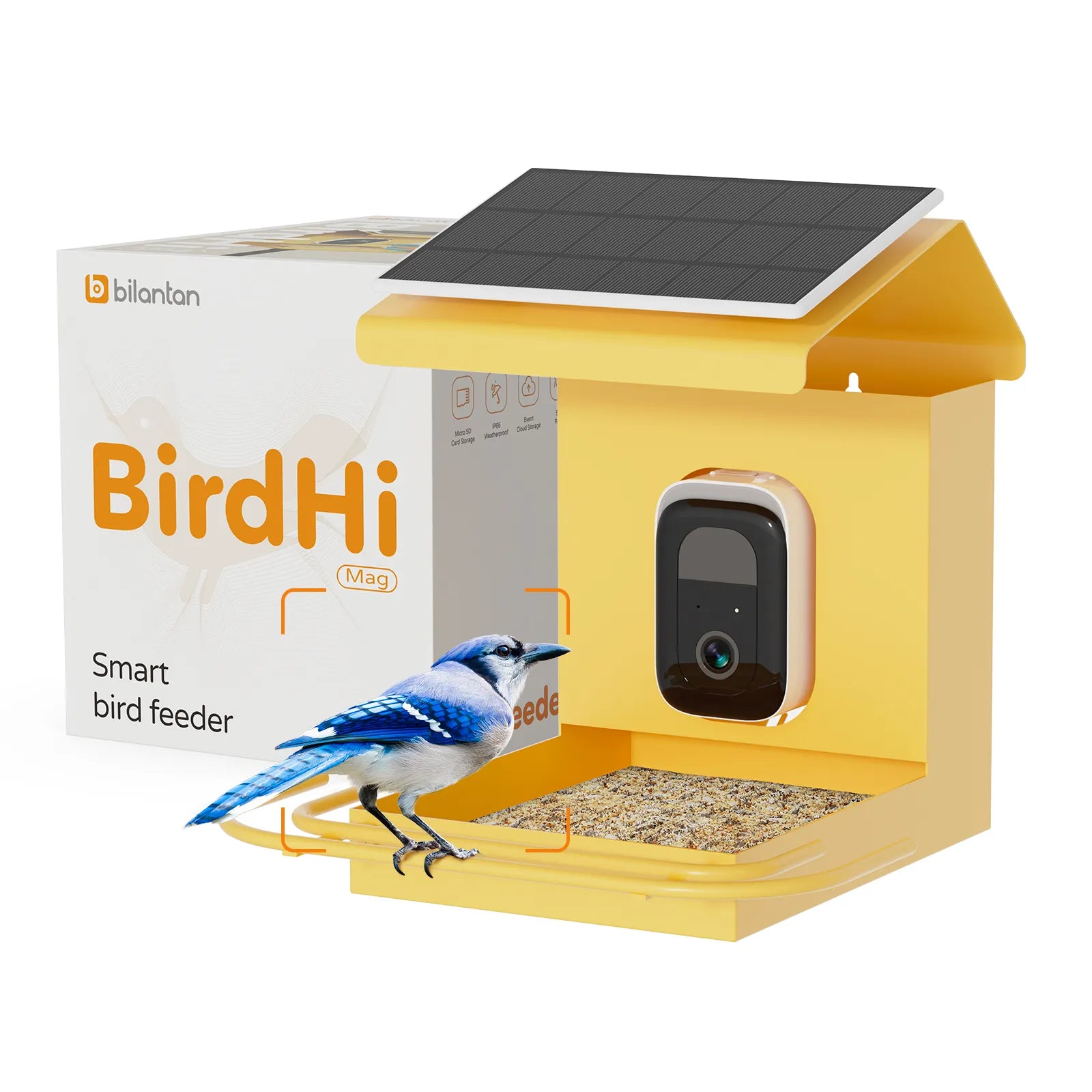
Bird feeder cameras capture the beautiful moments of birds feeding. They let you watch birds up close without disturbing them. These cameras are simple yet effective tools for bird lovers and nature watchers.
Understanding the basics helps you choose or use a bird feeder camera better. It involves knowing the main parts and the types of cameras commonly used.
Key Components
- Camera Lens:Captures clear images and videos of birds.
- Motion Sensor:Detects movement to trigger recording automatically.
- Storage:Saves photos and videos, usually on SD cards or cloud.
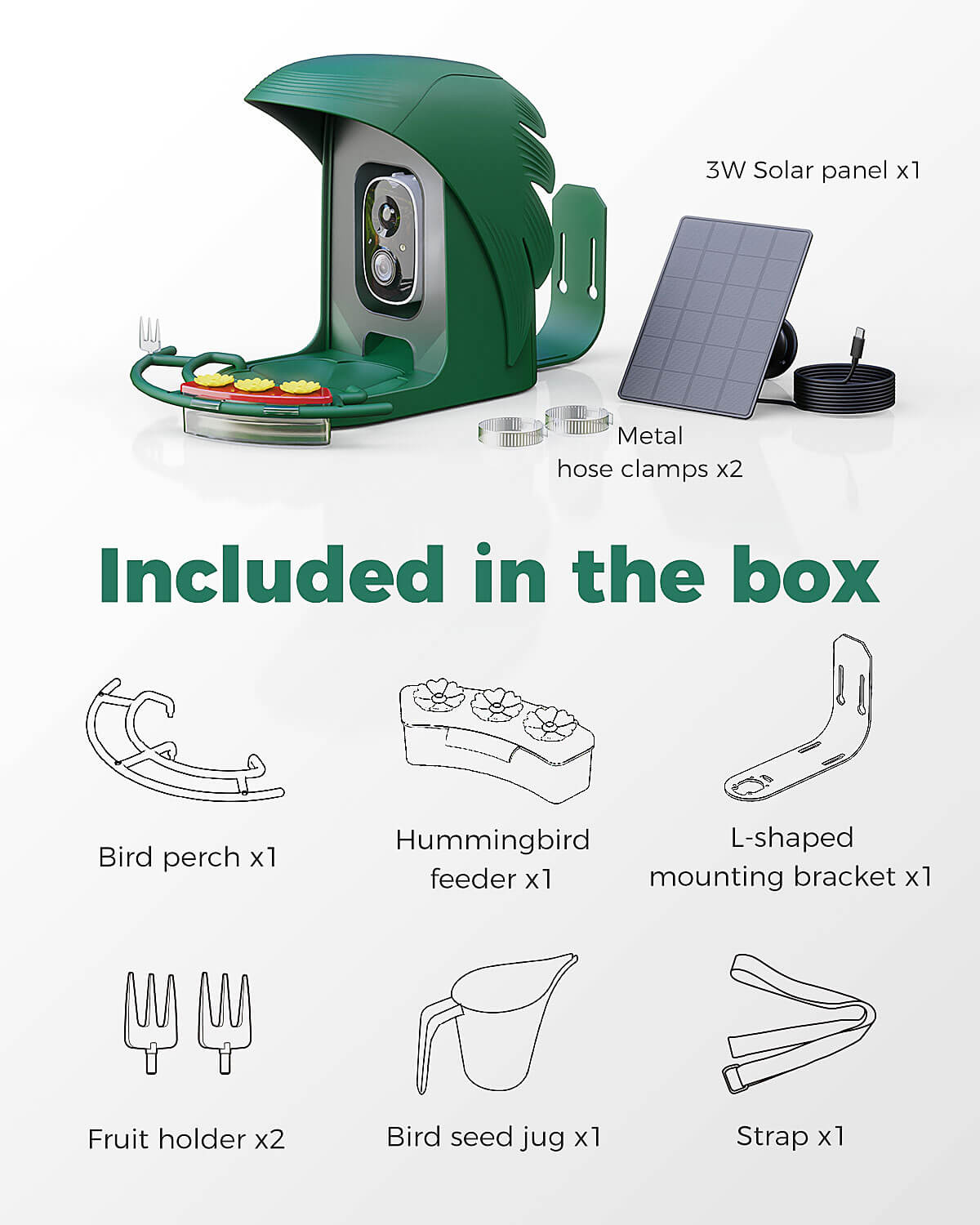
- Power Source:Batteries or solar panels keep the camera running.
- Mounting Bracket:Holds the camera steady near the feeder.
- Connectivity:Wi-Fi or Bluetooth lets you view images remotely.
Types Of Cameras Used
- Trail Cameras:Designed for wildlife, these cameras are weatherproof and have good motion detection.
- Webcams:Connected to the internet for live streaming of bird activity.
- Hidden Cameras:Small and discreet to avoid scaring birds away.
- Infrared Cameras:Capture images at night without using bright lights.
Credit: www.perchme.com
How Cameras Capture Bird Activity
Bird feeder cameras capture the lively activity of birds with smart technology. These cameras watch for movement and record clear images or videos. This lets bird watchers enjoy detailed views without disturbing the birds.
Understanding how these cameras work helps in choosing the right model. The key features are motion detection and the quality of images or videos they produce.
Motion Detection Technology
Bird feeder cameras use motion sensors to detect bird movement. The sensors trigger the camera to start recording or take photos instantly. This saves battery and memory by capturing only when birds are nearby.
Some cameras use infrared or heat sensors to spot birds even in low light. This helps catch early morning or late evening activity. The sensitivity of motion detection can often be adjusted for better results.
Image And Video Quality
Clear images and videos are important to see bird details. Bird feeder cameras offer various resolutions, from standard to high definition. Higher resolution shows sharp colors and fine feathers.
Many cameras have wide-angle lenses to capture more area around the feeder. Night vision features use infrared light to record without disturbing birds in darkness. Fast shutter speeds help catch quick bird movements without blur.
Placement And Setup Tips
Setting up a bird feeder camera properly ensures clear, exciting footage. Placement and setup are key to capturing birds up close. Small changes can improve your viewing experience. Here are practical tips for the best results.
Choosing The Right Location
Pick a spot where birds visit often. Near trees or bushes is ideal. Avoid areas with heavy foot traffic to keep birds comfortable. Check for good natural light, but avoid direct harsh sunlight. A shaded area helps prevent glare on the camera lens.
Consider the background. A simple, uncluttered background makes birds stand out. Avoid busy or bright backgrounds that distract from the subject. Also, place the feeder near a source of food or water to attract more birds.
Mounting And Angling
Secure the camera firmly to avoid shaking. Use brackets or mounts designed for outdoor use. Mount the camera at the bird’s eye level or slightly above. This angle captures clear, natural behavior and fine details.
Point the lens directly at the feeder’s entrance. Avoid angles that miss the bird’s face or wings. Adjust the tilt so the entire feeder fits in the frame. Check the camera view on your device before finalizing the position.
Power And Connectivity Options
Bird feeder cameras need a power source and a way to connect for live viewing. These two features affect how you use and place the camera. Understanding power and connectivity options helps pick the right camera for your needs.
Battery Vs. Wired Power
Battery-powered cameras offer flexibility. You can place them anywhere without cords. They need recharging or battery changes. This suits spots without power outlets.
Wired cameras plug into an outlet. They provide continuous power. No need to worry about batteries running out. Installation may require drilling or extension cords.
- Battery: Portable, easy to move, but limited run time.
- Wired: Constant power, stable, but less flexible placement.
Wi-fi And Remote Viewing
Wi-Fi connectivity lets you watch birds live from anywhere. The camera sends video to your phone or computer. You don’t have to be near the feeder.
Strong Wi-Fi is important for smooth video. Weak signals cause interruptions or delays. Some cameras support both 2.4 GHz and 5 GHz networks for better performance.
- Wi-Fi: Easy remote access, live alerts, and video storage.
- No Wi-Fi: Limited to local viewing or recording only.
Enhancing Wildlife Viewing Experience
Enhancing your wildlife viewing experience with a bird feeder camera brings the outdoors closer than ever. These cameras capture moments that are often missed by the naked eye, letting you observe bird behavior in real time or through recorded footage. They transform ordinary birdwatching into an interactive and educational adventure.
Using Infrared And Night Vision
Bird feeder cameras equipped with infrared and night vision allow you to watch birds even when light is low or absent. Infrared LEDs emit light invisible to birds, so your camera records without disturbing them. This means you can catch nocturnal visits or early morning activity that usually goes unnoticed.
Have you ever wondered what happens at your feeder after sunset? Night vision reveals secret behaviors like feeding patterns or unexpected visitors. It’s like having a window into a hidden world, expanding your understanding of bird habits beyond daylight hours.
Attracting Birds Safely
Using a bird feeder camera means you want to see birds up close without stressing them. Ensure your setup attracts birds by providing clean water, quality seeds, and shelter nearby. Avoid sudden movements or bright flashes from the camera, which can scare them away.
Your camera should blend into the environment, so birds feel safe. Position it carefully, and maintain the feeder regularly to keep the birds healthy and happy. What small changes can you make around your feeder to invite more feathered friends while keeping them comfortable?
Common Challenges And Solutions
Bird feeder cameras face challenges like unclear images and poor connectivity. Solutions include using high-resolution lenses and reliable Wi-Fi. Proper positioning and weather protection enhance performance.
Bird feeder cameras offer a fascinating glimpse into the world of birds right in your backyard. However, using them effectively comes with its own set of challenges. Understanding these hurdles and knowing how to overcome them can enhance your bird-watching experience.Dealing With Weather Conditions
Weather can be unpredictable, making it a significant challenge for bird feeder cameras. Rain, snow, and extreme temperatures can affect camera functionality and image quality. To protect your equipment, consider investing in weatherproof cameras designed to withstand harsh conditions. Placing your camera under a covered area can offer additional protection. If that’s not possible, a simple DIY rain cover made from a plastic bottle can shield the lens from water droplets. Regularly check your camera for moisture build-up, as this can blur images. A quick wipe with a soft cloth usually does the trick.Preventing Camera Obstruction
Ever notice how a twig or leaf can spoil a perfect shot? Camera obstruction is a common issue, but it’s manageable with a bit of foresight. Ensure your camera is mounted securely and at an angle where obstructions are less likely to occur. Trim nearby branches and foliage that could drift into the camera’s view. Sometimes, a strategic twist of the camera can make all the difference. Adjustments may be necessary as seasons change. Keep an eye on plant growth, and make modifications as needed to maintain a clear view. This simple step can significantly enhance the quality of your bird footage. Have you faced any unique challenges with your bird feeder camera? Share your experiences in the comments!
Credit: www.amazon.com
Frequently Asked Questions
How Do Bird Feeder Cameras Capture Images?
Bird feeder cameras use motion sensors to detect bird movement. When triggered, they take photos or videos automatically. This allows capturing birds in action without disturbing them. Many models offer high-resolution images for clear, detailed shots of visiting birds.
What Types Of Bird Feeder Cameras Are Available?
There are wired, wireless, and solar-powered bird feeder cameras. Wireless models connect via Wi-Fi for easy remote viewing. Wired cameras offer stable power but limit placement. Solar-powered options provide eco-friendly, off-grid operation for outdoor use.
Can Bird Feeder Cameras Record Videos Continuously?
Most bird feeder cameras use motion detection to save storage. Continuous recording drains batteries and fills memory quickly. Some advanced models offer scheduled recording or live streaming for longer monitoring sessions.
How Do Bird Feeder Cameras Connect To Devices?
Bird feeder cameras typically connect via Wi-Fi or Bluetooth. Users can view photos and videos on smartphones, tablets, or computers. Some cameras have dedicated apps for easy access and notification alerts when birds are detected.
Conclusion
Bird feeder cameras help you watch birds up close. They use motion sensors to start recording. This way, you don’t miss any bird visits. The cameras often connect to your phone or computer. You get live videos or photos instantly.
Many models have night vision for low light. These cameras make bird watching easy and fun. You learn about birds without disturbing them. Simple technology brings nature right to your home. Watching birds becomes an enjoyable and peaceful hobby.




