
Have you ever noticed squirrels sneaking around your bird house and wondered if they’re causing trouble? If you’re a bird lover, you might worry that these little creatures are bothering your feathered friends or even damaging the house you set up with care.
Understanding what squirrels do around bird houses can help you protect your backyard visitors and enjoy watching birds in peace. Keep reading to discover the surprising truth about squirrels and how they interact with bird houses—you might be more prepared than ever to keep your garden a safe haven for birds.

Credit: www.birdfeederco.com
Squirrel Behavior Near Bird Houses
Squirrels are curious creatures known for their agility and persistence. When they spot a bird house, their behavior can range from simple curiosity to causing real trouble for the birds you want to attract. Understanding how squirrels act near bird houses can help you protect your feathered friends and keep your garden peaceful.
Why Squirrels Visit Bird Houses
Squirrels often visit bird houses because they see them as a potential food source or shelter. Bird feeders nearby might attract squirrels first, and their interest naturally extends to the houses.
Bird houses can also look like safe spots for squirrels to stash nuts or even nest. If you’ve noticed squirrels eyeing your bird houses, it’s likely they are searching for a cozy spot or some easy snacks.
Have you ever watched a squirrel carefully inspect a bird house? This behavior usually means they are deciding if it’s a good place to settle or raid.
Common Squirrel Activities Around Bird Houses
- Chewing and gnawing:Squirrels use their sharp teeth to chew on bird houses, sometimes damaging the wood or paint.
- Attempting to enter:They may try to squeeze inside to find food or build nests, which can disturb birds and destroy eggs.
- Stealing food:If the bird house is close to feeders, squirrels often snatch seeds or suet, leaving birds hungry.
- Marking territory:Scratching or rubbing around the house is a way for squirrels to mark their space.
Have you noticed these behaviors around your bird houses? Recognizing what squirrels do can help you take practical steps, like using squirrel-proof feeders or installing baffles to keep them away.
Impact On Birds And Bird Houses
Squirrels are notorious for their curious and sometimes destructive behavior around bird houses. Understanding their impact helps you protect your feathered friends and your investment in bird habitats. Let’s look at how squirrels affect both the physical bird houses and the birds themselves.
Damage Caused By Squirrels
Squirrels often chew on bird houses to sharpen their teeth or create entry points. This gnawing can weaken the structure, causing cracks or holes that make the house unsafe for birds.
Besides chewing, squirrels may also claw or claw away paint and sealant, exposing the wood to weather damage. Over time, this can lead to rot and shorten the lifespan of your bird house.
Have you noticed shredded wood pieces or unusual holes around your bird houses? That’s a clear sign squirrels have been at work.
Effects On Bird Nesting And Feeding
Squirrels don’t just damage the house; they often scare away birds looking for a safe place to nest. Their presence can cause birds to abandon nests or avoid the area altogether.
They may raid nests to eat eggs or baby birds, disrupting the natural breeding cycle. This aggressive behavior reduces bird populations around your yard.
Feeding stations attached to bird houses can attract squirrels, leading to competition for food. This makes it harder for birds to get the nutrition they need, especially during harsh seasons.
Have you ever wondered why fewer birds visit your feeders or nests? Squirrels could be the unwelcome visitors causing this shift.
Signs Of Squirrel Intrusion
Squirrels often visit bird houses, causing trouble for birds. Knowing the signs of squirrel intrusion helps protect your birdhouses. These signs show if squirrels are trying to take over or damage the space.
Physical Damage To Bird Houses
Squirrels use their sharp teeth to chew wood and plastic. This chewing can create holes or cracks in bird houses. Sometimes, the entrance hole becomes larger than normal. The roof or sides may have bite marks or scratches. Watch for loose parts or pieces falling off. Damaged birdhouses are a clear sign of squirrels inside or nearby.
Squirrel Tracks And Droppings
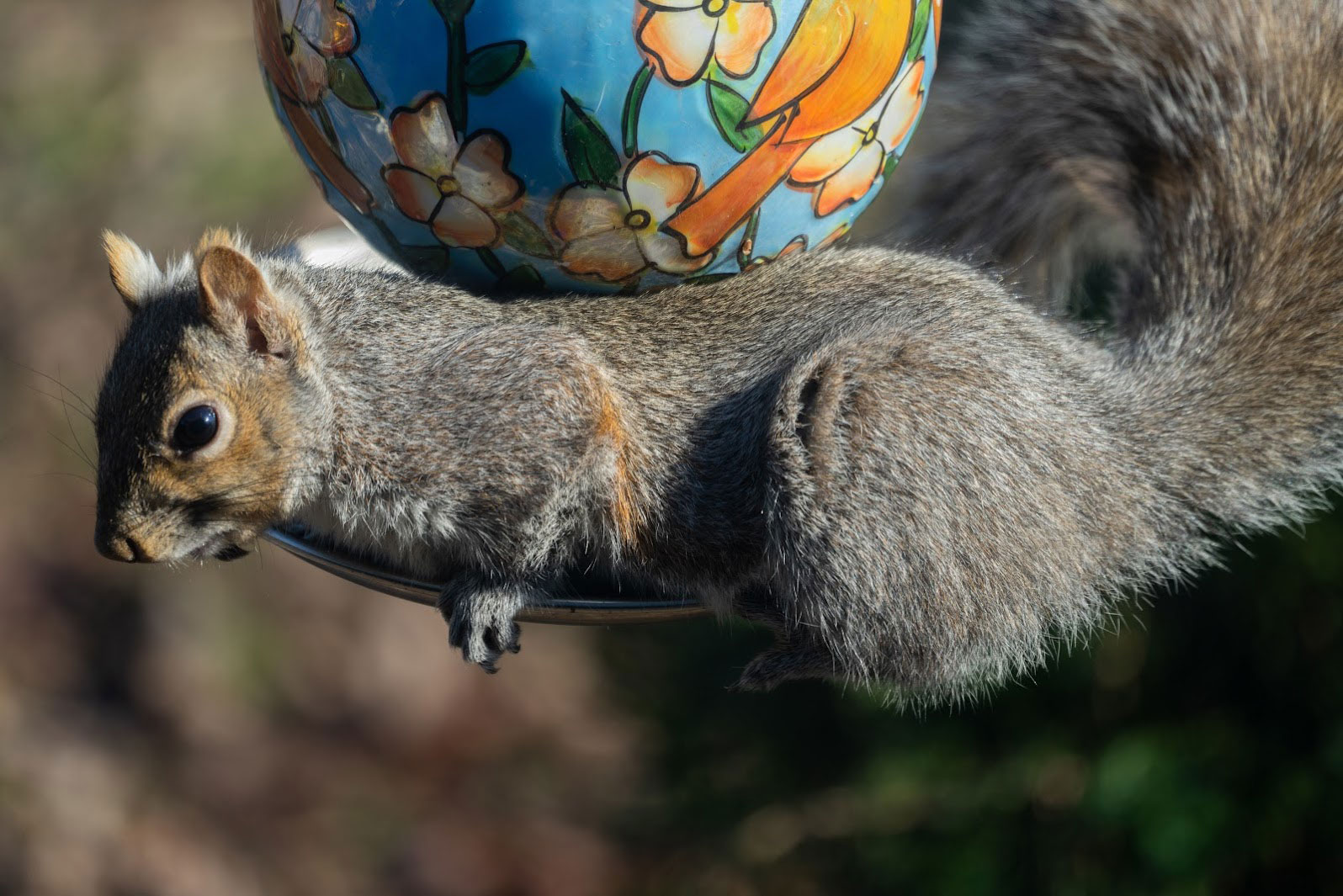
Squirrels leave tracks near bird houses, especially in soft soil or mud. Their footprints show small toes with sharp claws. Look for gray or brown droppings around the base. These droppings are often small, oval, and hard. Finding tracks and droppings means squirrels are visiting often. This evidence helps confirm their presence even without seeing them.
Credit: www.popsci.com
Preventing Squirrel Interference
Squirrels are clever and persistent visitors that often see bird houses as a source of food or shelter. Preventing their interference can save your feathered friends from stress and keep your bird house intact. You need strategies that stop squirrels without harming them or the birds.
Squirrel-proof Bird House Designs
Choosing the right design makes a big difference. Look for bird houses with small entrance holes that fit only the size of the birds you want to attract. Metal or thick wood materials also resist chewing and clawing.
Some bird houses come with built-in baffles—round or cone-shaped guards that block squirrels from climbing or reaching the entrance. Adding a sloped metal plate below the house can also prevent squirrels from climbing up the pole.
Have you noticed how squirrels avoid smooth surfaces? Consider mounting your bird house on a smooth metal pole with a baffle. This simple change can stop their grip and keep them away.
Effective Deterrents And Barriers
Barriers work well alongside smart designs. Wrap poles with aluminum foil or use plastic guards to make climbing difficult. These materials are slippery and uncomfortable for squirrels.
Adding motion-activated sprinklers or lights can surprise squirrels and encourage them to leave. These devices don’t harm wildlife but create a deterrent that squirrels quickly learn to avoid.
Another tactic is placing squirrel feeders away from your bird house. Offering squirrels their own food source can reduce their interest in your bird house. Why compete for food when they have a better option nearby?
Have you tried mixing these ideas? Combining a well-designed bird house with barriers and deterrents often gives the best results. It’s about making your bird house less attractive and harder to access for squirrels.
Coexisting With Squirrels And Birds
Sharing your yard with squirrels and birds can be a rewarding experience. Both animals bring life and activity to outdoor spaces. They may compete for food and nesting spots, but peaceful coexistence is possible. Understanding their habits helps create a balanced environment. Small changes in how you manage your yard can keep both squirrels and birds happy.
Balancing Wildlife In Your Yard
Keep bird houses sturdy and squirrel-proof to protect nesting birds. Use metal guards around poles and entrances to stop squirrels. Place bird feeders away from bird houses to reduce squirrel visits. Plant native trees and shrubs to provide natural food and shelter. Offer different types of food to meet both species’ needs. This reduces competition and stress among animals.
Feeding Tips To Reduce Conflict
- Use feeders designed to limit squirrel access, such as weight-sensitive models.
- Fill feeders with birdseed that squirrels dislike, like safflower seeds.
- Place feeders on poles with baffles to prevent climbing.
- Keep feeding areas clean to avoid attracting unwanted pests.
- Provide water sources separate from feeding spots to avoid crowding.

Credit: www.popsci.com
Frequently Asked Questions
Do Squirrels Damage Bird Houses?
Yes, squirrels often chew on bird houses. They seek shelter and access to bird food inside. This can cause structural damage and deter birds from nesting.
Why Do Squirrels Invade Bird Houses?
Squirrels invade bird houses for food and shelter. They like birdseed and safe places to hide from predators. This behavior can disturb birds and affect their breeding.
How To Keep Squirrels Away From Bird Houses?
Use squirrel-proof bird feeders and baffles. Place bird houses on poles with guards. Regularly check for damage and remove nearby branches to reduce access.
Can Squirrels Harm Nesting Birds?
Squirrels may harm nesting birds by stealing eggs or chicks. They compete for space and food, causing stress and potential harm to birds.
Conclusion
Squirrels often visit bird houses, causing some trouble. They may chew or take over nests meant for birds. Protecting bird houses helps keep birds safe and happy. Use simple barriers or place houses where squirrels find it hard to reach.
Watching birds enjoy their homes is rewarding and peaceful. Small steps can make a big difference for your backyard wildlife. Stay patient and observe how nature balances itself over time.




