
Have you ever wondered if birds splash around in water when the cold winter winds blow? It might seem strange to think about birds taking baths when the temperatures drop and water freezes.
But just like you, birds need to stay clean and healthy all year round. Curious to find out how they manage this in chilly weather? Keep reading, because the answer might surprise you—and it will change the way you see your feathered friends this winter.

Credit: www.allaboutbirds.org
Bird Bathing Habits
Bird bathing habits reveal much about how these feathered creatures stay clean and healthy, even in colder months. Watching birds splash around can be delightful, but have you wondered why they make time for baths? Understanding their bathing routines can help you provide a better environment for your backyard visitors.
Why Birds Bathe
Birds bathe to keep their feathers in top shape. Clean feathers help them fly efficiently and stay warm by trapping air close to their bodies. Bathing also removes dirt, dust, and parasites that could cause discomfort or illness.
Have you noticed how birds preen after a bath? This grooming spreads natural oils that waterproof their feathers. Without regular baths, their feathers can become matted and less effective at insulating.
Typical Bathing Behavior
Birds usually prefer shallow water where they can splash without risk. You might see them hopping in and out quickly, dipping their heads, or fluttering their wings to soak their feathers thoroughly.
Bathing often happens during warmer parts of the day, even in winter, as long as the water isn’t frozen. Some species are braver than others—robins and finches will bathe in chilly weather, but many avoid water in freezing temperatures.
- Birds often shake their bodies vigorously after bathing to remove excess water.
- They may also sun themselves afterward to dry and warm up.
- Providing fresh water regularly encourages this healthy behavior.
Next time you see a bird bathing, consider how this simple act supports its survival. Could you make your birdbath more inviting during cold seasons?
Winter Challenges For Birds
Winter brings many challenges for birds. Cold temperatures and scarce resources make survival tough. Birds must adapt to keep warm and find food. Bathing habits also change as water becomes hard to find.
Cold Weather Effects
Cold weather makes it harder for birds to stay warm. Their feathers need to stay dry and fluffy for insulation. Wet feathers can freeze and cause health problems. Birds fluff up their feathers to trap heat. They also reduce activity to save energy.
Water Availability
Water sources freeze in winter, limiting access for birds. Finding liquid water is a daily challenge. Birds may use snow or ice to hydrate but prefer liquid water for bathing. Some birds visit birdbaths or unfrozen ponds. Providing fresh water helps birds stay clean and healthy.
Birds Bathing In Winter
Birds don’t stop their bathing habits just because the temperature drops. Watching birds splash and fluff their feathers in chilly weather might surprise you, but it’s a vital part of their routine. Bathing helps them maintain feather health and control parasites, even during the coldest months.
Do Birds Bathe In Cold Weather?
Yes, many bird species continue to bathe in winter despite the cold. You might wonder how they manage without freezing. Birds are well-equipped to handle brief dips in cold water without harm.
Some birds prefer misting or using snow to clean themselves when liquid water is scarce. Others seek out unfrozen water sources like heated birdbaths or flowing streams. Have you noticed birds shaking off water droplets vigorously after a bath in winter? This helps speed up drying and keeps them warm.
Adaptations For Winter Bathing
Birds have special adaptations that make winter bathing possible and safe. Their feathers trap air to provide insulation, reducing heat loss during and after bathing.
- Preen gland oil:Birds spread this oil over their feathers to keep them waterproof and flexible.
- Rapid drying behaviors:After a bath, birds fluff and shake their feathers to dry quickly.
- Sunbathing:Birds often sunbathe after bathing to warm up and help evaporate moisture.
These adaptations are a reminder that birds’ needs don’t pause in winter. Next time you see a bird in a chilly bath, think about the clever ways nature supports their survival. Could you make a winter birdbath safer and more accessible in your backyard?
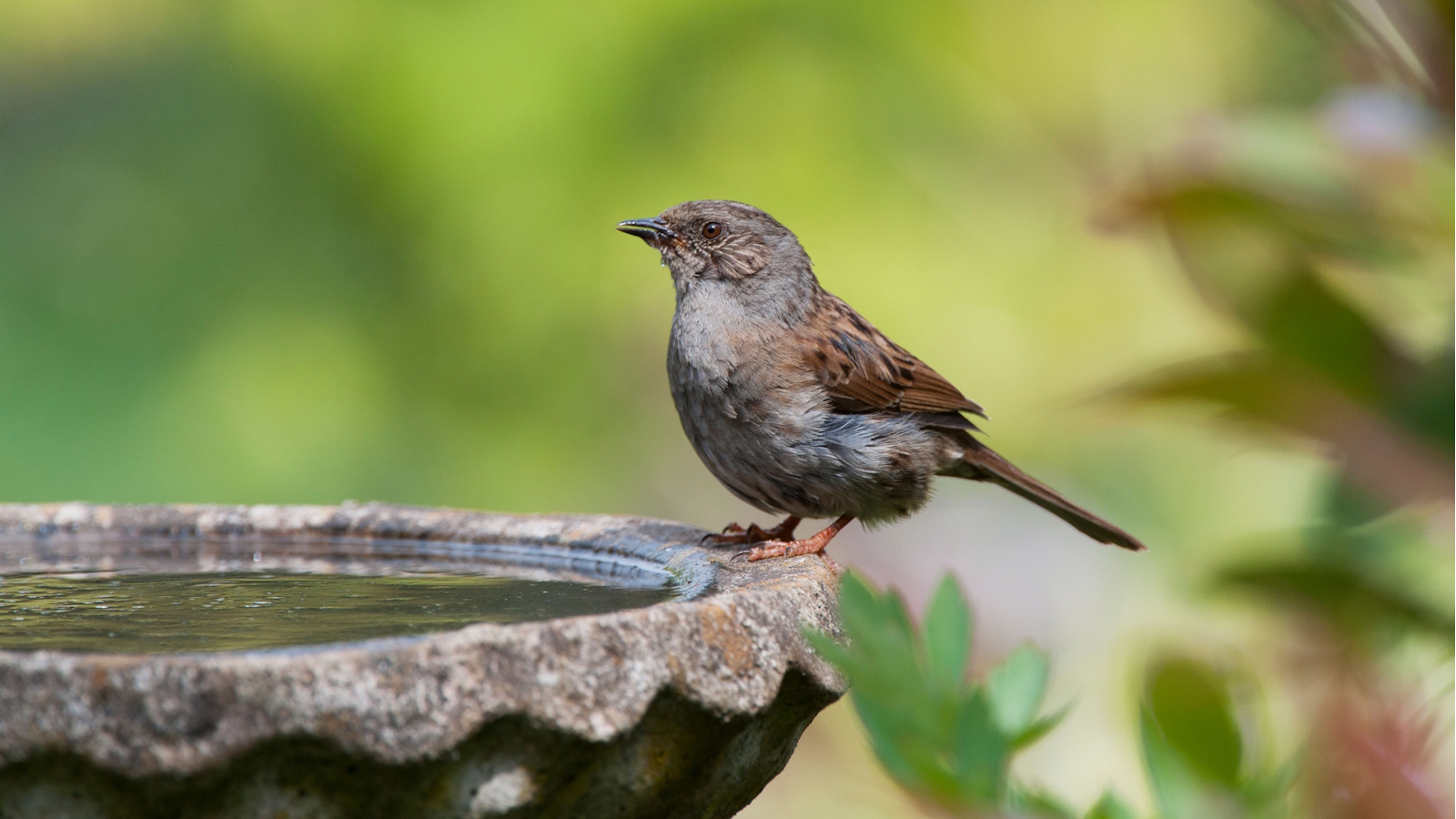
Credit: www.homesandgardens.com
Safe Bathing Tips For Winter
Birds need water to bathe even during cold months. Bathing helps birds stay clean and healthy. In winter, water sources freeze quickly. This makes it hard for birds to find safe places to bathe. Offering safe bathing spots helps birds stay active and warm.
Keeping Bird Baths Ice-free
Prevent ice from forming in bird baths to keep water available. Use these simple tips:
- Place a bird bath heater or de-icer to stop freezing.
- Change water often to keep it fresh and moving.
- Use dark-colored bowls that absorb heat from sunlight.
- Put bird baths in sunny spots to slow ice formation.
- Use shallow water to help birds bathe safely.
Best Bathing Spots
Choose safe and comfortable locations for winter bird baths. Consider these points:
- Near trees or shrubs to offer quick shelter.
- Far from areas with heavy foot traffic or pets.
- Close to feeders so birds can drink and bathe easily.
- Where wind is blocked to keep water warm.
- At ground level or slightly raised for easy access.
Benefits Of Winter Bathing
Birds taking baths in winter might seem unusual to you, but this behavior offers clear benefits even during the cold months. Bathing helps birds stay clean and healthy, which is essential for their survival. Understanding these benefits might change how you view your feathered friends splashing in chilly water.
Feather Maintenance
Bathing removes dirt, dust, and parasites that can cling to feathers. Clean feathers work better for flying and keeping warm. When feathers are well-maintained, they trap air more effectively, providing better insulation against the cold.
Have you noticed how birds fluff up after a bath? This helps them dry faster and keeps their feathers aligned. Bathing also encourages birds to preen, which spreads natural oils that waterproof their feathers.
Health Advantages
Winter bathing supports a bird’s immune system by reducing parasites that can cause illness. Clean feathers reduce the risk of infections and skin problems. Birds that bathe regularly are often more active and alert.
Think about your own hygiene routine—skipping a bath can make you feel uncomfortable and sick. It’s similar for birds; staying clean helps them stay strong through harsh weather. Could encouraging a birdbath in your yard help local birds thrive this winter?
Common Misconceptions
Many people believe birds don’t bathe in winter. This idea leads to confusion. Birds have unique ways to stay clean, even in cold weather. Understanding these misconceptions can help us appreciate bird behavior more.
Myths About Birds And Cold Water
Some think cold water harms birds. They imagine birds shivering or freezing. This belief is false. Birds are well-adapted to winter conditions. Their feathers provide excellent insulation. Even when wet, they stay warm.
Another myth is that birds avoid water in winter. People assume they’ll freeze. In reality, birds often seek water sources. They use them for drinking and bathing. This behavior is vital for their survival.
Fact Vs Fiction
Many assume birds only bathe in warm months. This is fiction. Birds bathe year-round. Clean feathers are crucial for flight and insulation. Dirty feathers can lead to health issues.
Some believe birds melt snow for water. This isn’t true. Birds prefer liquid water. They search for streams, ponds, or bird baths. Even a small puddle can suffice.
In winter, birds may spend more time preening. Preening helps them maintain feathers. It distributes oils, which adds waterproofing. This behavior is often mistaken for increased bathing.
Understanding these facts helps us support our feathered friends. Providing fresh water in winter can be a lifeline for them.

Credit: www.yahoo.com
Frequently Asked Questions
Do Birds Bathe During Cold Winter Months?
Yes, many birds continue to bathe in winter to keep their feathers clean. They seek unfrozen water sources or use snow to maintain feather health and remove parasites.
Why Do Birds Need Water In Winter?
Birds need water to stay hydrated and maintain their feathers’ condition. Clean feathers help with insulation and flight, which are crucial for survival in cold weather.
How Do Birds Bathe When Water Is Frozen?
When water freezes, birds often use snow or find small unfrozen water patches. They fluff their feathers and shake off excess moisture to avoid getting too cold.
Does Bathing Help Birds Survive Winter?
Bathing helps birds remove dirt and parasites, improving feather insulation. Clean feathers trap air, keeping birds warm and aiding in efficient flight during harsh winter conditions.
Conclusion
Birds do take baths in winter, but they are careful. They choose warm spots or sunny days to stay safe. Bathing helps keep their feathers clean and healthy. Clean feathers make flying easier and keep birds warm. Watching birds bathe in cold weather shows their smart ways.
Nature finds a way for birds to stay fresh, even in winter. Keep a birdbath unfrozen, and birds will thank you. Simple care helps birds enjoy their baths all year long.




