
Have you ever wondered if you can place your hummingbird feeder right next to other bird feeders? If you’re eager to enjoy a variety of feathered visitors in your yard, this question is important.
You want to make sure your hummingbirds get the best experience without scaring them away or attracting unwanted guests. You’ll discover the simple secrets to setting up your feeders the right way. Keep reading to find out how to create a happy, buzzing haven for all your garden birds!
Hummingbird Feeder Basics
Hummingbird feeders attract these tiny birds by offering a steady food source. Understanding the basics helps you provide a safe and effective feeding spot. The right feeder type and placement can improve your hummingbird-watching experience.
Types Of Hummingbird Feeders
- Tube Feeders:Simple glass or plastic tubes with small feeding ports.
- Dish Feeders:Shallow dishes that hold nectar; easier for cleaning.
- Lantern Feeders:Decorative, shaped like lanterns, with feeding ports around.
- Window Feeders:Stick to windows for close viewing, with suction cups.
Choose feeders with red parts to attract hummingbirds. Avoid feeders with yellow, which attracts bees instead.
Ideal Locations For Placement
- Place feeders in a shaded area to keep nectar fresh longer.
- Hang feeders 4 to 6 feet above the ground for easy access.
- Keep feeders away from strong winds and direct sun.
- Put feeders near natural flowers to attract more hummingbirds.
- Ensure feeders are visible but safe from predators like cats.
Proper placement encourages hummingbirds to visit often and feed comfortably.
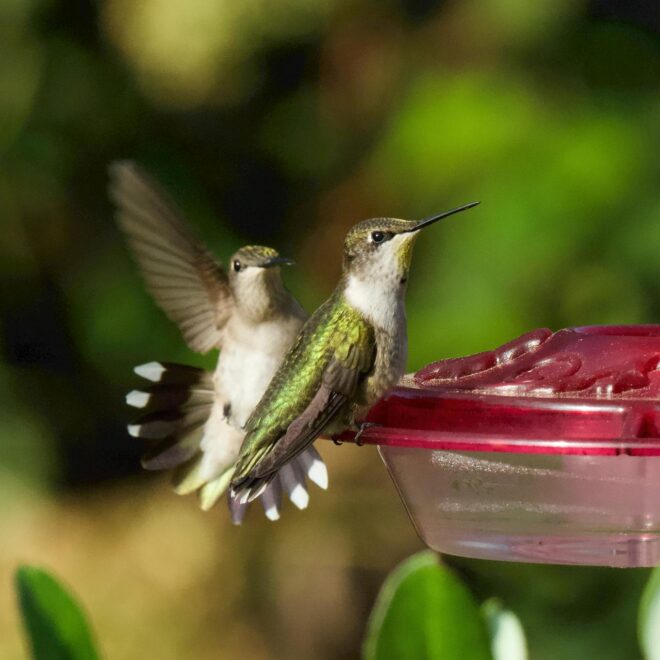
Credit: www.birdwatchingdaily.com
Common Bird Feeders Nearby
Common bird feeders often sit close to hummingbird feeders in many gardens. This setup invites a variety of birds to your yard. Each feeder type attracts different bird species. It creates a lively and colorful environment.
Placing feeders nearby can cause some competition. But it also makes watching birds more fun. Understanding which feeders attract which birds helps keep peace among visitors.
Popular Feeders For Other Birds
- Seed feeders: Hold sunflower seeds or mixed seeds. Attract finches, chickadees, and sparrows.
- Suet feeders: Offer high-energy fat cakes. Loved by woodpeckers, nuthatches, and wrens.
- Peanut feeders: Provide whole or shelled peanuts. Attract jays, titmice, and grosbeaks.
- Platform feeders: Flat trays with mixed food. Invite doves, cardinals, and ground feeders.
- Nyjer feeders: Small holes with tiny thistle seeds. Perfect for finches and siskins.
Attracting Various Bird Species
Each feeder type appeals to certain birds. Hummingbird feeders use sugar water to lure hummingbirds only. Other feeders offer seeds or nuts for different birds.
Placing feeders close can create a diverse bird community. Birds will visit feeders suited to their diets. This variety brings more bird species to your garden.
Space feeders a few feet apart. It reduces conflicts and gives birds room to feed. Watching many species at once becomes a delightful experience.
Mixing Feeders Safely
Mixing hummingbird feeders with other bird feeders can turn your yard into a lively hub for a variety of birds. But it’s important to do this safely to keep all your feathered visitors happy and stress-free. Knowing how to place feeders correctly and manage bird behavior helps you enjoy the full spectrum of birdwatching without conflicts.
Distance Between Feeders
Keep hummingbird feeders and other bird feeders at least 10 to 15 feet apart. This distance prevents larger birds from dominating the hummingbird feeder and scaring away the tiny visitors you want to attract.
I once placed my hummingbird feeder too close to a noisy seed feeder. The hummingbirds stopped visiting for days. After moving the feeders apart, the hummingbirds returned quickly and with more activity than before.
Try to position feeders near different types of cover, like shrubs or trees, so birds feel safe moving between them. This setup encourages peaceful sharing of space.
Avoiding Aggressive Bird Behavior
Some birds can become territorial or aggressive around feeders, especially during breeding season. Watch for signs like chasing or loud squawking near your feeders.
One trick is to use multiple feeders of the same type spread out across your yard. This reduces competition and aggression by giving birds more options.
- Use feeders with different designs to appeal to various species.
- Fill feeders regularly so food doesn’t run out, which can trigger fights.
- Consider adding perches spaced apart to reduce crowding.
Have you noticed certain birds driving others away at your feeders? Adjusting feeder placement and providing enough feeding spots can create a calmer feeding environment for all.

Credit: www.hummingbirdsociety.org
Feeder Maintenance Tips
Maintaining hummingbird feeders is vital for the health of the birds and the quality of the nectar. Clean feeders attract hummingbirds and keep them safe from diseases. Proper care also prevents mold and bacteria growth, which can harm birds.
Cleaning Frequency
Clean hummingbird feeders at least twice a week. During hot weather, clean them more often to stop mold growth. Empty old nectar before adding fresh nectar. Use warm water and mild soap for washing. Rinse feeders well to remove soap residue.
Preventing Mold And Bacteria
Use a mixture of one part white vinegar to four parts water to clean feeders. Soak feeders for 30 minutes to kill germs. Avoid using bleach, as it can be harmful if not rinsed properly. Change nectar every two to three days, or daily in hot weather. Store nectar in the fridge to keep it fresh longer.
Timing And Season Considerations
Timing and season play a big role in setting up hummingbird feeders alongside other bird feeders. Knowing when hummingbirds are most active helps you plan feeder placement. Seasons also affect the types of birds visiting your feeders. Adjusting your feeding strategy with the changing months supports all birds in your yard.
Peak Hummingbird Activity
Hummingbirds are most active during spring and summer. This is their migration and breeding time. They need more food to fuel their long flights and energy. During these months, placing hummingbird feeders in visible, safe spots increases visits. Avoid crowding feeders to reduce stress and competition. Early morning and late afternoon are peak feeding hours for hummingbirds. Refill feeders regularly to keep nectar fresh and attractive.
Seasonal Bird Feeding Strategies
Bird species change with the seasons. Winter brings different birds compared to summer. Adjust feeder types and food to match seasonal visitors. Use hummingbird feeders mainly in warm months. Switch to feeders with seeds and suet in colder months for other birds. Position feeders to suit bird habits each season. Clean feeders more often during warm weather to prevent mold and bacteria growth. Observing bird patterns each season helps maintain a healthy feeding environment.
Troubleshooting Common Issues
Placing hummingbird feeders alongside other bird feeders is possible, but it requires some care. Ensure proper spacing between feeders to reduce competition and aggression. Observing bird behaviors can help you adjust feeder locations for harmony.
Troubleshooting common issues with bird feeders is essential for bird enthusiasts. Mixing hummingbird feeders with others can lead to unique challenges. Addressing these ensures a peaceful feeding environment.Dealing With Ants And Insects
Ants and insects love sugary nectar in hummingbird feeders. They can be a nuisance. Use ant moats to keep them away. Fill these moats with water to block ants. Regularly clean feeders to deter insects. Clean feeders with a mild soap solution. Rinse thoroughly to remove soap residue. Consider using a feeder with bee guards. These guards prevent bees from accessing the nectar.Handling Feeder Competition
Birds may compete for feeder space. This can stress smaller birds like hummingbirds. Place feeders at different heights. This gives birds space to feed peacefully. Use multiple feeders to reduce competition. Spread them around your garden. This allows more birds to feed without conflict. Observe the feeders for any bullying behavior. Adjust feeder placements if needed. Create a calm environment for all birds. This encourages them to return often.
Credit: www.birdwatchingdaily.com
Frequently Asked Questions
Can Hummingbird Feeders Be Placed Near Other Bird Feeders?
Yes, hummingbird feeders can be placed near other feeders. Keep at least 10 feet apart to reduce competition and aggression.
Will Other Birds Bother Hummingbirds At Their Feeders?
Some birds may compete, but proper spacing helps hummingbirds feed peacefully without disturbance.
What Is The Best Placement For Hummingbird Feeders?
Place feeders in a shady, visible spot near flowers. Avoid direct sunlight and strong winds.
Should Hummingbird Feeders Be Cleaned If Near Other Feeders?
Yes, clean hummingbird feeders weekly to prevent mold and bacteria, especially when near other feeders.
Conclusion
Hummingbird feeders can sit near other bird feeders with care. Keep nectar fresh and clean to attract hummingbirds. Place feeders where hummingbirds feel safe from bigger birds. Watch how birds behave and adjust feeder spots if needed. This setup lets you enjoy many bird types at once.
It creates a lively, colorful garden full of nature’s beauty. Simple steps keep hummingbirds coming back to your yard. Try it and see the joy hummingbirds bring every day.




