
Have you ever noticed birds building nests around your home and wondered if they could cause any harm? It might seem harmless at first, but a bird’s nest can actually lead to unexpected damage to your house.
From clogged gutters to structural problems, these tiny homes can create big headaches for you. If you want to protect your property and avoid costly repairs, keep reading to discover how a bird’s nest could affect your house and what you can do about it.
Credit: www.crittercontrol.com
Common Birds That Nest On Houses
Birds nesting on houses is a common sight in many neighborhoods. While their presence can be charming, some species choose spots that might cause damage to your property. Understanding which birds are likely to nest near your home helps you take the right steps to protect your house.
Species Often Found Near Homes
Several birds prefer the safety and shelter that houses provide. Some of the most common species include:
- House Sparrows:These small birds are everywhere and often build nests in eaves and vents.
- Swallows:Known for their mud nests, swallows often attach them under roof overhangs and porch ceilings.
- Pigeons:Pigeons seek out ledges and window sills to build bulky nests that can accumulate droppings.
- Starlings:These birds squeeze into crevices and gaps in siding or rooflines to nest.
Have you noticed any of these birds around your home recently? Their presence could hint at potential nesting spots.
Preferred Nesting Spots
Birds choose nesting locations based on safety, shelter, and easy access to food. Common spots on houses include:
- Eaves and Soffits:These provide cover from rain and predators, making them ideal for small birds.
- Vents and Chimneys:Warm and hidden, these spots attract species like sparrows and starlings.
- Porch Ceilings and Overhangs:Swallows often build mud nests here, which can damage paint and surfaces.
- Window Ledges and Balconies:Pigeons prefer these open but elevated spots.
If you spot nests in these areas, consider how their materials or droppings might affect your home’s exterior. What small changes could you make to discourage birds from settling in these vulnerable spots?

Credit: www.callnorthwest.com
How Birds Nests Cause Structural Harm
Birds build nests in many places around homes. Their nests can cause problems that affect the structure of a house. These problems may seem small at first but can grow into costly repairs.
Nests often contain twigs, leaves, and other materials. These can block important parts of your house. Birds may also peck or chew on surfaces, causing damage over time.
Damage To Roofs And Gutters
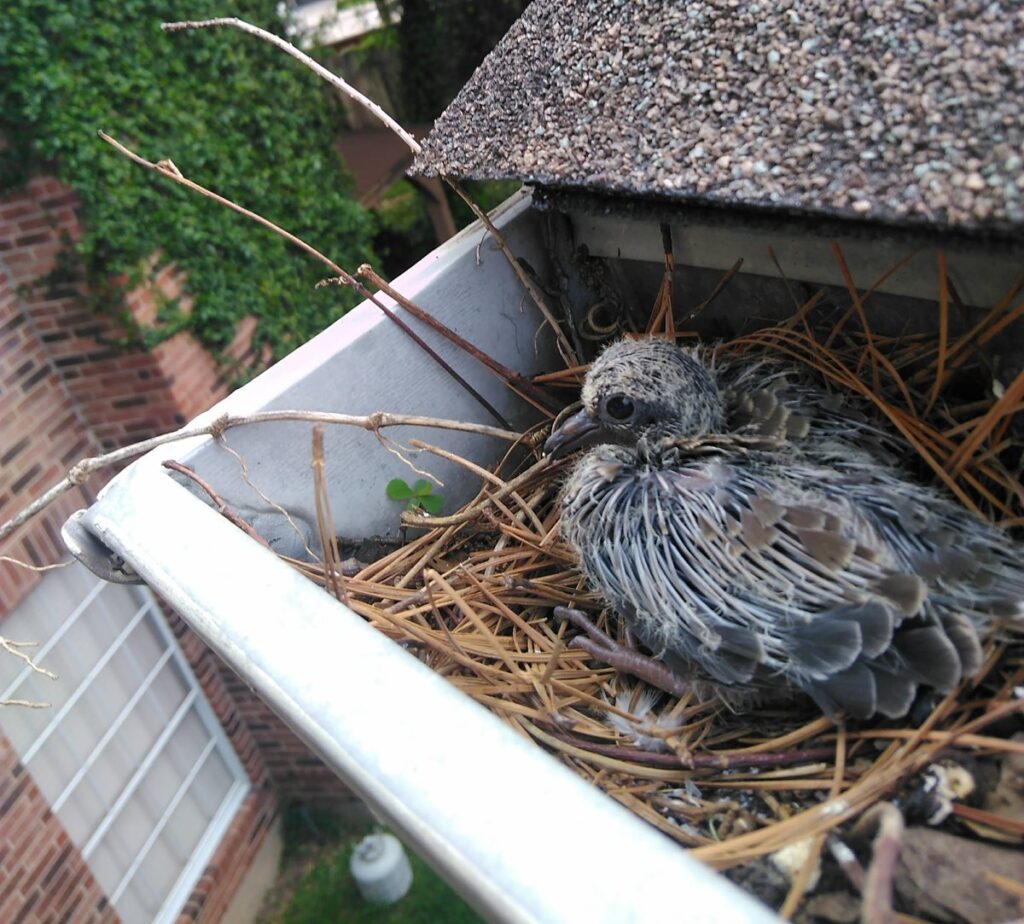
Birds often place nests on roofs or inside gutters. The weight of nests can loosen roof shingles or tiles. This creates openings for water to enter. Moisture can damage wood and cause mold growth.
Gutters filled with nesting material cannot drain rainwater properly. Standing water may damage the roof edge and fascia boards. Birds’ droppings also corrode metal gutters and paint.
Clogged Drainage Systems
Nests block rainwater from flowing through gutters and downspouts. This blockage causes water to pool on the roof. Pooled water can leak into the attic or walls. It may also damage the foundation if water overflows near the house.
Clogged drainage invites pests and increases mold risks inside walls. Cleaning nests out regularly helps prevent these issues.
Chewing And Pecking Issues
Birds peck at wooden surfaces to build or enlarge nests. This weakens wood and can create holes in siding or window frames. Chewing on wires or insulation is also common, posing fire risks.
Repeated pecking wears down paint and exposes wood to moisture. Over time, this leads to rotting and costly repairs.
Health Risks From Bird Nests
Bird nests may seem harmless, but they can carry serious health risks. These nests often harbor parasites and germs. This can affect the health of people living nearby. Knowing these risks helps you protect your home and family.
Parasites And Diseases
Bird nests can host many parasites like mites, ticks, and fleas. These parasites can bite humans and pets. They may also spread diseases such as:
- Histoplasmosis, a fungal infection from bird droppings
- Psittacosis, a lung infection from inhaling dried droppings
- Salmonella, which causes stomach illness
These diseases often spread through contact with nests or droppings. Bird droppings can contain harmful bacteria and fungi. They create a health hazard inside the home.
Allergic Reactions And Respiratory Problems
Bird nests can trigger allergies in sensitive people. Dust, feathers, and droppings cause allergic reactions. Symptoms include sneezing, runny nose, and itchy eyes.
Breathing in dust from nests can worsen asthma and other lung problems. Tiny particles from droppings irritate the lungs. Long-term exposure may lead to chronic respiratory issues.
Keeping nests away from living areas helps reduce these health risks. Safe removal and cleaning are essential for a healthy home.
Signs Of Bird Nest Damage
Bird nests can cause more than just a mess. They might harm your home in subtle ways. Detecting bird nest damage early helps protect your house and avoid costly repairs. Watch for clear signs that indicate bird activity inside or on your property.
Visible Nesting Materials
Look for twigs, leaves, feathers, and other debris near vents, gutters, or eaves. These materials often signal an active nest close to your home’s structure. Birds may bring sharp objects that can scratch surfaces or clog drainage systems.
Water Leaks And Stains
Nests can block gutters and downspouts, causing water to overflow. This overflow leads to leaks inside walls and ceilings. Stains or damp patches on ceilings and walls might indicate hidden water damage caused by blocked water flow.
Unusual Sounds Or Smells
Chirping, scratching, or fluttering sounds inside walls or attics suggest birds nesting nearby. Strong, unpleasant odors may come from droppings or decaying materials. These signs warn of potential damage and health risks linked to bird nests.
Preventing Nesting On Your Property
Preventing birds from nesting on your property helps protect your house from damage. Birds build nests in places that offer shelter and safety. Stopping them early can save you costly repairs. Simple steps can keep birds away without harming them.
Deterrent Methods
- Install bird spikes on ledges and roof edges.
- Use reflective tape or shiny objects to scare birds.
- Place fake predators like owls or snakes nearby.
- Hang wind chimes to create noise and movement.
- Cover vents and openings with wire mesh.
Maintenance Tips
Keep your property clean and free of debris. Remove old nests promptly to discourage reuse. Trim tree branches near your roof and windows. Seal cracks and holes in walls and eaves. Clean gutters regularly to avoid blockages that attract birds.
Safe Removal Practices
Check local laws before removing nests; some birds are protected. Wait until birds leave the nest before removal. Wear gloves and a mask to protect yourself. Use a long tool to gently remove nests. Dispose of nests away from your property to prevent return.
Credit: www.trutechinc.com
When To Call Professionals
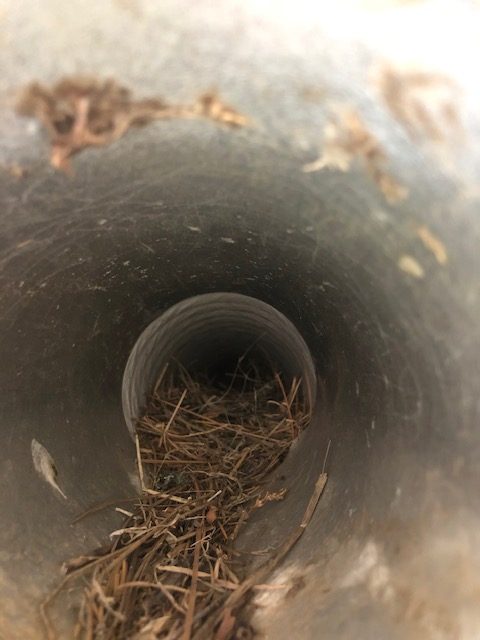
Bird nests can block vents and gutters, causing water damage. Also, they may attract pests or birds that harm the structure. If nests are found, professionals should be called to safely remove them and prevent potential damage.
When birds decide to make your home their own, it might be time for professional help. Their nests can cause damage and create health risks. Not all nests are easy to handle. Sometimes, DIY solutions aren’t enough. Professionals have the expertise needed.Handling Protected Bird Species
Some birds are protected by law. Removing their nests without permission is illegal. Professionals know how to handle these situations. They can identify protected species and follow legal guidelines. This ensures both the safety of the birds and compliance with regulations.Complex Nest Removal
Some nests are tough to remove. They might be located in hard-to-reach areas. Professionals have the right tools and experience. They can safely remove nests without damaging your property. This prevents harm to both the birds and your home.Repairing Damage
Birds can cause significant damage to roofs and walls. Once the nest is gone, repairs might be necessary. Professionals can assess and fix any damage caused by the nest. This can prevent further issues and ensure your home remains safe and sound.Frequently Asked Questions
Can Bird Nests Cause Structural Damage To Houses?
Bird nests rarely cause direct structural damage. However, nests in vents or gutters can block airflow and drainage. This blockage may lead to moisture buildup and eventual damage. Regular inspection prevents such issues and protects your home’s structure.
Are Bird Droppings Harmful To House Surfaces?
Yes, bird droppings are acidic and can erode paint and wood. Over time, this damage can degrade exterior surfaces. Cleaning droppings promptly helps maintain your home’s appearance and prevents costly repairs.
How Do Bird Nests Affect Roof And Gutter Systems?
Nests can clog gutters and downspouts, leading to water overflow. This overflow may cause water damage to roofing and walls. Clearing nests ensures proper water flow and protects your roof and gutters from damage.
Can Birds Nesting Attract Other Pests To My Home?
Yes, bird nests can attract mites, ticks, and insects. These pests may invade your home, causing health and hygiene issues. Removing nests promptly reduces the risk of pest infestations.
Conclusion
Birds’ nests can cause damage to your house in many ways. They block gutters and drains, leading to water problems. Nest materials may attract insects and pests. Over time, nests can wear down roof tiles or siding. Regularly check your home for nests and remove them safely.
Protect your house by keeping areas clean and sealed. Small efforts prevent costly repairs later. Stay aware and act early to keep your home safe.




