
Are you thinking about adding love birds to your home but wonder if they are easy to care for? You’re not alone.
Many people are drawn to these colorful, lively birds but hesitate because they’re unsure about the effort involved. What if you could enjoy their cheerful company without feeling overwhelmed? You’ll discover simple truths about love bird care that can make your experience smooth and rewarding.
Ready to find out if love birds are the right pet for you? Keep reading.
Love Bird Basics
Understanding the basics of love birds is essential before deciding if they are easy to care for. These charming parrots bring energy and personality into your home, but knowing their characteristics helps you meet their needs effectively. Let’s look at what makes love birds unique and what you should expect in terms of care.
Common Species
Love birds belong to the genus Agapornisand include several popular species you might encounter:
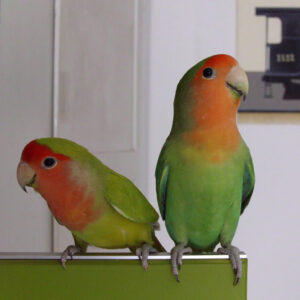
- Peach-faced Love Bird:The most common pet species, known for its bright peach-colored face and green body.
- Fischer’s Love Bird:Smaller with a colorful orange face and green feathers, often more shy than others.
- Masked Love Bird:Recognizable by its black “mask” on the face and a vibrant green body.
Each species has subtle differences in personality and care needs. Which one fits your lifestyle best?
Lifespan And Size
Love birds are small but lively parrots, typically measuring about 5 to 7 inches in length. Their size makes them easy to house, but they still need space to move and fly.
The average lifespan of a love bird is around 10 to 15 years, though with excellent care, some can live over 20 years. This long-term commitment means you should consider their care needs carefully before bringing one home.
Have you thought about how their lifespan fits into your plans? Caring for a love bird is not a short-term hobby but a rewarding responsibility.

Credit: infowaves.medium.com
Housing Needs
Providing the right housing for love birds is essential for their happiness and health. Their living space needs to be comfortable, stimulating, and secure. Understanding their housing needs will help you create an environment where your feathered friends can thrive.
Cage Size And Setup
Love birds are active and curious, so their cage should be spacious enough to allow flying and playing. A minimum cage size of 18x18x24 inches works for a pair, but bigger is always better.
Include various perches at different heights to encourage movement. Toys like swings, ladders, and chewable items keep them entertained and prevent boredom.
Cleaning is easier if the cage has a removable tray at the bottom. You want to avoid cramped spaces that can stress your birds or cause health problems.
Safe Environment
Your love birds’ cage must be in a safe spot away from drafts, direct sunlight, and kitchen fumes. These small birds are sensitive to temperature changes and harmful chemicals.
Make sure the cage bars are close enough to prevent escape or injury. Avoid using toxic materials or paints that might be harmful if chewed.
Ask yourself: Is the location quiet enough to help your birds rest, yet lively enough to keep them engaged? Striking this balance can make a big difference in their well-being.
Diet And Nutrition
Diet and nutrition play a crucial role in keeping love birds healthy and happy. Providing the right food ensures they get essential vitamins and minerals for vibrant feathers and active behavior. Understanding their dietary needs helps you avoid common health problems and enjoy a lively companion.
Balanced Food Options
Your love birds need a mix of seeds, fruits, vegetables, and pellets to stay balanced. Seeds alone can cause nutritional gaps, so adding fresh veggies like spinach, carrots, and broccoli is important. Fruits such as apple slices or berries offer natural sweetness and extra vitamins.
Pellets designed for love birds provide a complete diet that supports their overall health. Try mixing pellets with seeds and fresh foods to keep meals interesting and nutritious. Have you noticed how your birds perk up with a variety of colorful foods?
- High-quality seed mix tailored for love birds
- Fresh vegetables: kale, bell peppers, zucchini
- Fruits: grapes, mango, and banana in moderation
- Pellets formulated for small parrots
Fresh Water Importance
Fresh water is just as important as a balanced diet. Change your love birds’ water daily to prevent bacteria growth and keep them hydrated. Clean water supports digestion and helps maintain their bright eyes and shiny feathers.
Have you ever seen a bird refuse water that’s been sitting too long? It’s a clear sign they prefer freshness just like you do. Always use a clean bowl or water bottle and rinse it regularly to keep your pets safe.
Social Behavior
Love birds are known for their strong social nature. They thrive on interaction with their mates and humans. Understanding their social behavior helps in providing the best care. These birds form close bonds and need companionship to stay happy. Observing their behavior can reveal their emotional state and needs.
Bonding And Companionship
Love birds often form lifelong bonds with their partners. They show affection by preening and sitting close together. A single love bird may become lonely and stressed without a companion. Regular interaction with owners can also meet their social needs. Providing toys and activities helps keep them mentally engaged.
Signs Of Stress
Love birds show stress through changes in behavior. Common signs include feather plucking, loud screaming, and loss of appetite. A stressed bird may become withdrawn or aggressive. Lack of social interaction often causes these issues. Early recognition of stress signs allows timely care adjustments.
Health Care
Caring for love birds means paying close attention to their health. Healthy birds are active, vocal, and show bright eyes and smooth feathers. Understanding their health needs helps you catch problems early and keep your love birds happy for years.
Common Illnesses
Love birds are prone to a few common illnesses you should watch for. Respiratory infections can cause sneezing, wheezing, or labored breathing. If your bird seems tired, loses appetite, or has droppings that look unusual, these are warning signs.
Psittacine beak and feather disease affects the feathers and beak, causing them to look damaged or flaky. Another concern is mites, which cause itching and feather loss. Knowing these signs means you can act quickly and prevent serious issues.
Regular Vet Visits
Even if your love birds seem healthy, regular check-ups with an avian vet are crucial. These visits help catch hidden health problems before they become serious. You’ll get expert advice tailored to your bird’s needs.
During a visit, the vet checks weight, feathers, eyes, and beak condition. Blood tests or fecal exams may be done to screen for infections. Scheduling these visits yearly, or more often if your bird is older or sick, keeps you ahead of potential health issues.
Credit: pethelpful.com
Daily Interaction
Daily interaction with your love birds isn’t just a delightful way to bond but an essential part of keeping them happy and healthy. These vibrant creatures thrive on social engagement and mental stimulation. Without regular interaction, they may become stressed or even depressed.
Playtime Activities
Playtime is crucial for your love birds, and you can make it fun with a variety of activities. Offer them toys like swings, ladders, and bells to keep them entertained. A simple game of peek-a-boo or hide-and-seek can also delight them.
Consider rotating toys weekly to maintain their interest. Love birds are curious by nature, so introducing new items can spark their curiosity. Have you tried creating a DIY foraging toy using paper cups or cardboard tubes?
Training Tips
Training your love birds can be an enjoyable and rewarding experience. Start with simple commands like “step up” and use treats as positive reinforcement. Patience is key, as love birds may take a little time to learn new tricks.
Always conduct training sessions in a quiet environment, free from distractions. Consistency is important, so try to set a regular training schedule. Have you ever noticed how your love birds react to your voice? Use it to your advantage during training sessions.
Cleaning And Maintenance
Love birds bring joy with their vibrant colors and playful nature. Maintaining a clean environment is vital for their health and happiness. Regular cleaning and maintenance ensure your feathered friends thrive in a hygienic habitat. Let’s explore some essential cleaning practices.
Cage Cleaning Routine
Start by removing any uneaten food and soiled bedding daily. This prevents bacteria and odors. Once a week, deep clean the cage. Take out all accessories and scrub the cage bars with a mild soap and water solution. Rinse thoroughly to remove any soap residue. Dry the cage completely before replacing the accessories. Regular cleaning keeps the environment safe and fresh for your love birds.
Keeping Toys Hygienic
Toys provide entertainment and mental stimulation for love birds. Clean these regularly to ensure they remain safe. Remove toys from the cage and wash them with warm, soapy water. Rinse well to remove soap traces. Dry them thoroughly before returning to the cage. Inspect toys for wear and tear, replacing them if needed. Clean toys contribute to a healthy and engaging space for your love birds.
Credit: lafeber.com
Travel And Safety
Travel and safety are key factors when caring for love birds. These small birds need special attention during trips. Their comfort and security must be priorities. Proper handling reduces stress and risks of injury. Understanding how to transport and protect them ensures their well-being.
Transporting Love Birds
Choose a sturdy, well-ventilated travel cage. The cage should be just large enough for the birds to move comfortably. Line the cage floor with soft paper or cloth to absorb droppings. Avoid overcrowding the cage with toys or accessories. Keep the cage covered with a light cloth to reduce stress during travel.
Keep the cage stable and secure in the vehicle. Avoid placing it near air vents or direct sunlight. Monitor the temperature inside the car to prevent overheating or chilling. Provide fresh water before the trip and offer it again after arrival. Limit travel time to reduce anxiety for the birds.
Preventing Accidents
Always supervise love birds outside their cage. Ensure windows and doors are closed during free flight time indoors. Remove any sharp objects or toxic plants in their environment. Use bird-safe cleaning products around their cage area. Provide safe perches and avoid slippery surfaces to prevent falls.
Check cage locks and doors regularly to prevent escapes. Avoid sudden loud noises or quick movements near the birds. Handle love birds gently and calmly to build trust. Keep other pets away during interaction times. Prepare an emergency plan for accidents or illnesses.
Frequently Asked Questions
Are Love Birds Suitable For Beginner Pet Owners?
Yes, love birds are relatively easy to care for, making them ideal for beginners. They require a balanced diet, regular cage cleaning, and social interaction for healthy growth.
What Do Love Birds Eat Daily?
Love birds eat seeds, fruits, vegetables, and pellets. A varied diet ensures they get essential nutrients for good health and vibrant feathers.
How Often Should I Clean A Love Bird’s Cage?
Clean the cage weekly to maintain hygiene. Spot clean daily by removing droppings and leftover food to prevent bacterial growth.
Do Love Birds Need Social Interaction?
Yes, love birds are social creatures and need daily interaction. Regular engagement prevents loneliness and behavioral issues, promoting their emotional well-being.
Conclusion
Lovebirds can be a joy to care for with some effort. They need daily attention, fresh food, and clean water. A safe and comfortable cage is important too. These birds enjoy social time and gentle handling. Their care is simple but requires consistency.
Small steps lead to a happy, healthy pet. Patience and love make the experience rewarding. Lovebirds are not too hard if you stay committed. Caring for them brings fun and companionship every day.




