
Are you ready to capture stunning bird photos that truly stand out? Choosing the right Nikon camera can make all the difference in your bird photography.
But with so many options available, how do you find the best one for your needs? This guide will help you discover the perfect Nikon camera to bring your bird shots to life—whether you’re a beginner or an experienced photographer.
Keep reading to unlock the secrets of sharp, vibrant bird images that will impress everyone.
Key Features For Bird Photography
Choosing the best Nikon camera for bird photography means focusing on specific features that directly impact your ability to capture sharp, detailed, and vibrant images of birds in action. Bird photography demands precision and speed because birds rarely stay still. Understanding what features enhance your shooting experience can make a huge difference in the quality of your photos.
Autofocus Speed And Accuracy
Birds move quickly, often darting in and out of frame. Your camera’s autofocus system needs to lock on fast and stay accurate to keep those fleeting moments sharp. Look for Nikon models with advanced autofocus systems featuring multiple focus points and tracking capabilities.
For example, Nikon’s autofocus with phase-detection helps maintain focus on fast-moving birds even when they fly erratically. This means fewer missed shots and more crisp images.
Sensor Resolution And Size
High resolution lets you capture fine details like feather textures and eye clarity. Larger sensors gather more light, improving image quality in low-light conditions often encountered at dawn or dusk. Nikon cameras with full-frame sensors excel here but APS-C sensors can also deliver excellent results.
Think about your shooting style—if you prefer cropping tight shots after the fact, higher resolution will give you more flexibility without losing detail.
Lens Compatibility
A powerful camera body is only as good as the lenses you attach. Bird photography typically requires long telephoto lenses to get close to distant subjects without disturbance. Nikon’s F-mount system offers a wide range of lenses, from 300mm primes to versatile zooms like 200-500mm.
Choosing a Nikon camera that supports these lenses ensures you can match your gear to your specific bird photography needs and budget.
Image Stabilization
When you’re shooting handheld or in windy conditions, image stabilization helps reduce blur caused by camera shake. Nikon’s in-body image stabilization (IBIS) combined with lens-based vibration reduction (VR) works wonders for steady shots. This feature is especially useful with long lenses that magnify movement.
Imagine trying to capture a tiny warbler perched on a branch—every bit of stabilization helps keep your photo crisp and clear.
Durability And Weather Sealing
Bird photography often takes you outdoors in unpredictable weather. A camera that can withstand rain, dust, and cold increases your shooting opportunities. Many Nikon cameras come with robust weather sealing that protects internal components during harsh conditions.
Having a durable camera means you won’t hesitate to chase that rare bird sighting, no matter the environment. Are you ready to trust your gear in the wild?
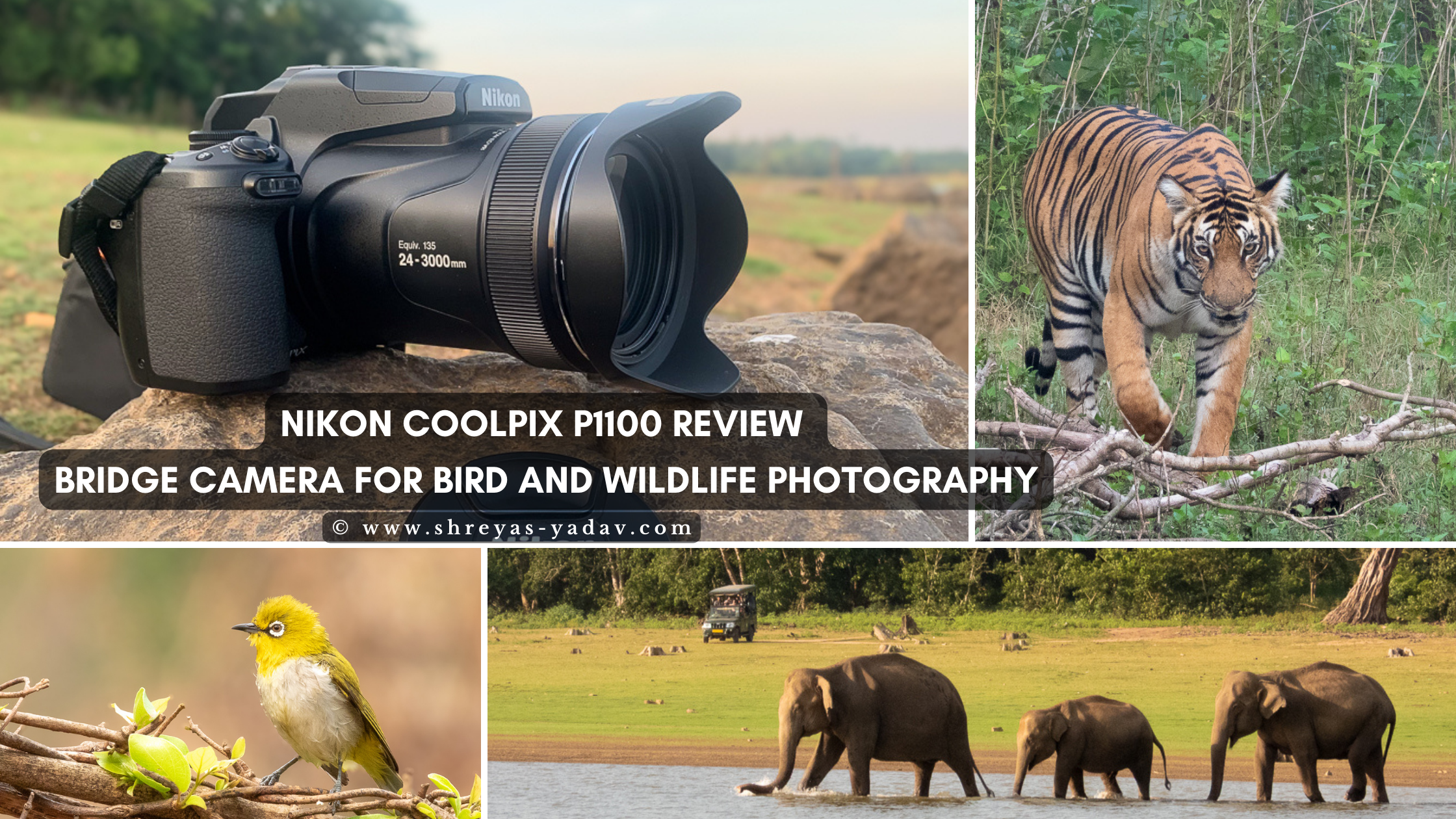
Credit: shreyas-yadav.com
Top Nikon Cameras For Bird Photography
Choosing the right Nikon camera can make a huge difference in your bird photography. The right model not only captures sharp images but also handles fast-moving subjects with ease. Here’s a look at some of the top Nikon cameras that excel in bird photography and why they might fit your style and needs.
Nikon D500
The Nikon D500 is a favorite among wildlife photographers for its superb autofocus system and fast continuous shooting speed of 10 frames per second. Its APS-C sensor gives you extra reach, which is crucial when photographing distant birds. If you often find yourself chasing quick, unpredictable subjects, the D500’s robust build and excellent low-light performance will serve you well.
Nikon Z9
The Nikon Z9 is a powerhouse mirrorless camera with a full-frame sensor and cutting-edge autofocus technology. It offers incredible speed, shooting up to 20 frames per second without blackout, letting you track birds in flight effortlessly. Have you ever missed the perfect wing flap? The Z9’s ability to capture sharp images in rapid succession could change that.
Nikon D850
Known for its high resolution and dynamic range, the Nikon D850 is perfect for photographers who want detailed shots of birds in their natural habitat. Its 45.7-megapixel sensor captures intricate feather patterns and vibrant colors. Plus, the D850’s excellent battery life means you can stay out longer without worrying about running out of power.
Nikon Z7 Ii
The Nikon Z7 II combines high resolution with fast autofocus in a sleek mirrorless design. Its 45.7-megapixel sensor rivals that of the D850, but with the added benefits of mirrorless technology like silent shooting. If you want to minimize disturbance while photographing skittish birds, the Z7 II’s quiet operation is a real advantage.
Nikon D7500
The Nikon D7500 offers a great balance of features and affordability, making it a solid choice for those starting bird photography or on a budget. Its 20.9-megapixel sensor and 8 frames per second shooting speed are more than capable of capturing sharp images of fast birds. Would you like a camera that performs well in various lighting conditions without breaking the bank? The D7500 might be your answer.
Comparing Nikon Dslr And Mirrorless Models
Choosing between Nikon DSLR and mirrorless cameras for bird photography can shape your entire shooting experience. Both types offer unique strengths that cater to different needs in the field. Understanding these differences helps you decide which aligns best with your style and the challenges of wildlife photography.
Performance In Wildlife Settings
DSLRs like the Nikon D500 excel in autofocus tracking and have robust, weather-sealed bodies. This makes them reliable in rugged environments where birds are quick and unpredictable. Mirrorless models, such as the Z9, offer faster burst rates and advanced eye-tracking autofocus, which can capture split-second moments with precision.
Think about how often you miss a shot because your camera lagged. Mirrorless cameras reduce this lag significantly, letting you shoot more frames per second. But DSLR viewfinders provide a clear, lag-free view through the lens, which some photographers still prefer for tracking fast birds.
Portability And Handling
Mirrorless cameras generally weigh less and have a more compact design. This makes them easier to carry during long birdwatching hikes or when you want to travel light. On the other hand, DSLRs offer a more traditional grip, which some find more comfortable for extended handheld shooting sessions.
Ask yourself: will you trek through dense forests or stay in a fixed spot? If you’re moving a lot, the lighter mirrorless system can reduce fatigue. However, the bulkier DSLR might feel steadier when using large telephoto lenses.
Battery Life
DSLR cameras typically provide longer battery life because they don’t rely on electronic viewfinders. This is a significant advantage if you shoot for hours without access to charging. Mirrorless cameras, due to their digital displays and EVFs, drain batteries faster but often support USB charging on the go.
Consider your shooting habits: do you have easy access to power sources, or will you be out all day? Carrying extra batteries is essential for mirrorless systems. Meanwhile, DSLRs let you focus more on your subject and less on battery conservation.
Lens Options
Nikon’s DSLR lineup has a vast range of native F-mount lenses, including many specialized telephoto zooms ideal for bird photography. These lenses are proven performers with excellent image quality and reach. Mirrorless Z-mount lenses are newer but growing quickly, offering sharper optics and faster apertures in more compact designs.
You can also use DSLR lenses on mirrorless bodies with an adapter, though this adds weight and may affect autofocus speed. So, if you already own Nikon DSLR lenses, mirrorless cameras offer a flexible upgrade path without losing your investment.
Recommended Lenses For Bird Photography
Choosing the right lens is just as important as picking the best Nikon camera for bird photography. Your lens determines how close and clear you can get those stunning bird shots. Let’s look at some lens options that will help you capture birds in all their beauty, whether they’re perched nearby or soaring far away.
Telephoto Zoom Lenses
Telephoto zoom lenses offer versatility, allowing you to quickly adjust your focal length to suit different bird sizes and distances. A popular choice among bird photographers is the Nikon AF-S NIKKOR 200-500mm f/5.6E ED VR. It provides a great zoom range without breaking the bank, plus vibration reduction to keep images sharp.
Zoom lenses let you react fast when birds suddenly move. Imagine spotting a rare bird and being able to zoom in without changing your position. That flexibility can make all the difference in getting the perfect shot.
Prime Telephoto Lenses
Prime telephoto lenses have a fixed focal length, which often means sharper images and better low-light performance. The Nikon AF-S NIKKOR 500mm f/5.6E PF ED VR is lightweight for its class, making it easier to carry during long birdwatching sessions.
Though you lose zoom flexibility, prime lenses force you to think more about composition and positioning. Have you noticed how some of the best bird photos come from photographers who patiently wait for the right moment? Using a prime lens can help you develop that skill.
Lens Accessories
Don’t overlook lens accessories that can enhance your bird photography experience. A sturdy tripod or monopod provides stability for those long lenses, reducing camera shake during slow shutter speeds. Lens hoods can cut glare and improve contrast, especially on bright days.
Consider investing in a teleconverter if you want extra reach without buying a new lens. Keep in mind, teleconverters may reduce light and affect autofocus speed, so test them out before relying on them during critical shoots.
Tips For Choosing The Right Nikon Camera
Choosing the right Nikon camera for bird photography can feel overwhelming. You want a camera that matches your needs without overspending or ending up with gear that’s too complex. Understanding a few key factors can make your decision clearer and help you pick a camera that truly supports your birding adventures.
Budget Considerations
How much are you willing to invest in your bird photography gear? Nikon offers a wide range of cameras, from entry-level models to professional-grade bodies. Setting a clear budget helps narrow down your options and avoids unnecessary splurges.
Remember, a higher price doesn’t always guarantee better results. Some mid-range Nikon cameras provide excellent autofocus and image quality that work well for bird photography. Think about balancing cost with the features you actually need.
Skill Level And Experience
Are you a beginner or an experienced photographer? If you’re just starting, a camera with user-friendly controls and helpful automatic settings can ease your learning curve. Nikon’s entry-level DSLRs and mirrorless cameras often have intuitive menus perfect for newcomers.
On the other hand, if you have more experience, you might want full manual control and faster autofocus systems. Advanced models like the Nikon D500 or Z9 offer robust features that let you push your skills further and capture fast-moving birds with precision.
Shooting Environment
Where will you be photographing birds most often? If you’re mostly outdoors in bright daylight, a camera with a high frame rate and good telephoto lens compatibility is essential. In low light or dense forests, look for cameras with excellent ISO performance and image stabilization.
Consider the weather conditions too. Nikon cameras with weather sealing can handle rain and dust, which is critical if you spend long hours in unpredictable environments. What kind of locations do you plan to explore?
Future-proofing Your Gear
Think about how your photography might evolve. Will you stick to bird photography, or might you want to explore wildlife or sports photography? Choosing a Nikon camera with interchangeable lenses and accessories allows you to expand your capabilities over time.
Also, check for compatibility with the latest lenses and firmware updates. Investing in a camera system that stays relevant for years saves money and hassle down the road. What features might you need in the future that your current camera lacks?
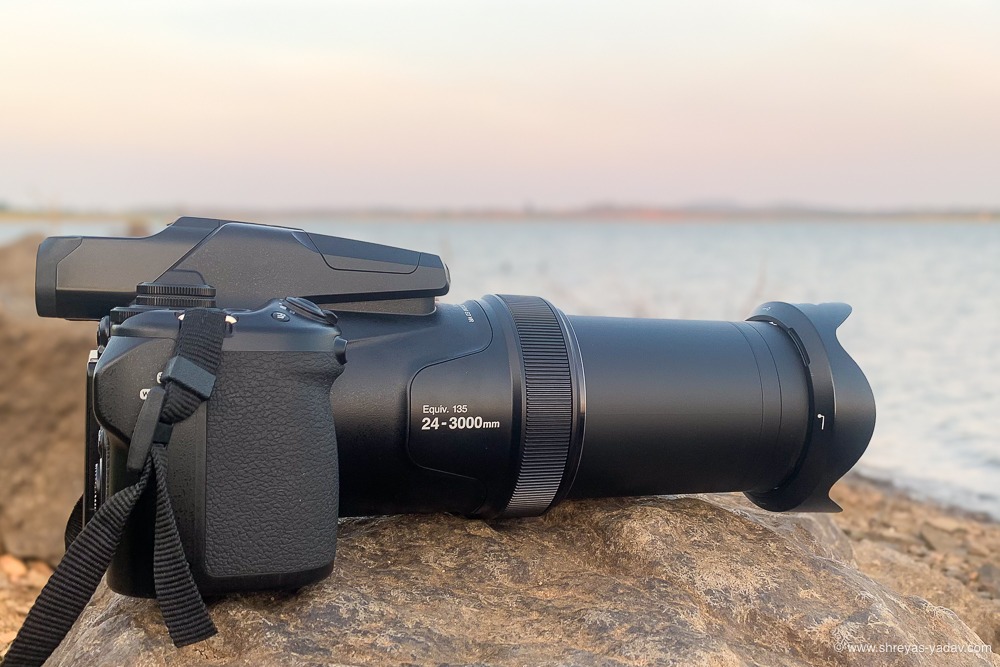
Credit: shreyas-yadav.com
Additional Gear To Enhance Bird Photography
For capturing stunning bird photos, a Nikon camera paired with additional gear can make a big difference. Tripods and telephoto lenses offer stability and zoom, ensuring sharp images from a distance.
Enhancing your bird photography with the right gear can elevate your images from good to great. While choosing the best Nikon camera is crucial, additional equipment can significantly impact the quality and ease of capturing those elusive bird shots. Let’s explore some essential gear that can complement your Nikon camera, ensuring you’re always ready for the perfect shot.Tripods And Monopods
A sturdy tripod is your best friend when shooting birds. It provides stability, especially when using heavy telephoto lenses. This stability is crucial for sharp images and allows you to shoot in lower light conditions without increasing ISO. Monopods, on the other hand, offer mobility and flexibility. They’re excellent for situations where you need to move quickly. Imagine spotting a rare bird and seamlessly adjusting your position without the cumbersome setup of a tripod.Remote Shutter Releases
Remote shutter releases are a game-changer for bird photographers. They allow you to capture images without touching the camera, reducing the risk of camera shake. This is particularly useful for capturing the subtle details of a bird’s plumage. Wireless options provide the freedom to shoot from a distance. This can be particularly useful when photographing skittish birds that are easily disturbed by human presence.Camera Bags And Protection
Investing in a high-quality camera bag is essential. It protects your gear from the elements and offers organized storage for accessories. Look for bags with weatherproof features to safeguard your equipment during unexpected rain showers. Additionally, lens covers and camera body armor can protect your gear from dust and scratches. When you’re deep in the wilderness, these protective measures can ensure your equipment remains in top condition, ready for any photographic opportunity.
Credit: www.thephoblographer.com
Frequently Asked Questions
What Nikon Camera Is Best For Bird Photography?
The Nikon D500 is highly recommended for bird photography. It offers fast autofocus, excellent image quality, and a high frame rate. Its crop sensor also provides extra reach, ideal for capturing distant birds clearly and sharply.
Which Nikon Lens Suits Bird Photography Best?
A telephoto lens like the Nikon 200-500mm f/5. 6 is perfect. It offers great zoom range and sharpness. This lens helps capture birds from a distance without disturbing them, ensuring detailed and vibrant photos.
Is A Dslr Or Mirrorless Nikon Better For Birds?
Mirrorless Nikon cameras like the Z9 provide faster autofocus and silent shooting. DSLRs like the D500 have a longer battery life. Both types work well; choice depends on your budget and shooting style.
How Important Is Autofocus In Nikon Bird Cameras?
Autofocus is crucial for sharp bird photos. Nikon cameras with advanced autofocus systems track moving birds effectively. This feature ensures you capture quick, unpredictable bird movements without blur.
Conclusion
Choosing the best Nikon camera for bird photography depends on your needs. Think about your budget, skill level, and the features you want. Nikon offers many options with good zoom and fast focus. A camera that feels comfortable helps you take better photos.
Practice often to improve your bird shots. Remember, the right camera makes a big difference but your patience matters most. Enjoy capturing nature’s beauty one bird at a time.




