
Are you tired of squirrels raiding your bird feeders and scaring away the birds you love to watch? You’re not alone.
Those clever little critters can be frustrating, stealing food and making a mess. But don’t worry—there are simple, effective ways to stop squirrels from getting to your feeders. You’ll discover easy tips and tricks that actually work. Keep reading, and soon your bird feeders will be a peaceful haven for birds—not squirrels.
Why Squirrels Target Bird Feeders
Squirrels are notorious for raiding bird feeders, but understanding why they target these spots can help you protect your bird food better. They are not just being mischievous; they have clear reasons that drive their behavior. Knowing what attracts them can lead you to smarter solutions that keep both squirrels and birds happy.
Squirrel Behavior And Diet
Squirrels are natural foragers, always looking for easy sources of food. They rely heavily on nuts, seeds, and fruits, which makes bird feeders an ideal buffet. Their sharp teeth and agile bodies help them climb and access feeders with ease.
They are also creatures of habit, returning to places where they find food regularly. This means once a squirrel discovers your feeder, it’s likely to keep coming back. Have you noticed how persistent they can be?
Attraction To Bird Feeders
Bird feeders offer a concentrated supply of high-energy foods like sunflower seeds and peanuts. These foods are perfect for squirrels, especially as they prepare for colder months. The easy access to calorie-rich snacks is a big draw.
Additionally, feeders often hang in open spaces or near trees, making it simple for squirrels to jump from branch to feeder. The combination of food availability and accessibility is hard for squirrels to resist.
To keep squirrels away, consider what exactly they find so tempting and how your feeder’s location might be inviting them in. Could changing the feeder’s position or type of food help reduce their visits?

Credit: www.amazon.ca
Choosing Squirrel-resistant Feeders
Choosing the right squirrel-resistant feeder helps protect your bird food. It stops squirrels from stealing seeds and keeps birds happy. These feeders use smart designs and strong materials. They make it hard for squirrels to reach the food.
Design Features That Deter Squirrels
Squirrel-resistant feeders have special features that block squirrels. Some have weight-sensitive perches. They close access to seeds when a squirrel lands. Others have cages around the feeder, only letting small birds in. Some designs use smooth, slippery surfaces that squirrels cannot climb.
- Weight-activated mechanisms that close feeding ports
- Cages allowing only small birds inside
- Slippery poles or baffles to stop climbing
These features make it tough for squirrels to eat. Birds can feed safely and enjoy the seeds.
Material And Durability
Strong materials improve feeder life and resist squirrels. Metal feeders are tough and chew-proof. Heavy-duty plastic can also work but must be thick. Avoid thin plastic that squirrels can easily bite through. Look for feeders with rust-resistant coatings for outdoor use.
- Stainless steel or metal bodies
- Thick, durable plastic parts
- Weather-resistant and rust-proof finishes
Durable feeders save money and stop squirrels better. They stay in good shape through all seasons.
Placement Strategies To Keep Squirrels Away
Keeping squirrels away from bird feeders starts with smart placement. Positioning the feeder correctly reduces squirrel visits. Proper placement makes it hard for squirrels to jump or climb to the feeder. This section covers key placement tips to keep squirrels away and protect your bird food.
Ideal Distance From Trees And Structures
Place bird feeders far from trees and structures. Squirrels can jump up to 10 feet horizontally. Keep feeders at least 10 feet away from tree branches, fences, or rooftops. Avoid placing feeders near places squirrels use to launch themselves. Open spaces make it harder for squirrels to reach feeders.
Clear space around the feeder limits squirrel access. Trim nearby branches that squirrels use as bridges. Avoid placing feeders near walls or decks where squirrels can climb. The goal: isolate the feeder from squirrel pathways.
Using Poles And Hangers Effectively
Use poles and hangers designed to deter squirrels. Mount feeders on smooth poles that squirrels cannot climb. Metal or PVC poles work best. Add baffles on poles to block squirrels from climbing up. Place baffles 4 to 5 feet above the ground for best results.
Hang feeders from thin, flexible cords that squirrels cannot grip. Use swivels on hangers to make feeders spin when squirrels try to land. Avoid placing feeders too close to poles or supports squirrels can use to jump. Keep feeders at least 5 feet from any jumping points.
Physical Barriers And Guards
Physical barriers and guards are effective tools to keep squirrels away from bird feeders. They stop squirrels from reaching the food without harming them. These devices use simple designs to block or scare squirrels.
Installing physical barriers creates a challenge for squirrels. They find it hard to climb or jump past these guards. This keeps your bird feeder safe and birds happy.
Baffles And Spinners
Baffles are dome or cone-shaped guards placed above or below feeders. They stop squirrels from climbing poles or jumping down. Made of metal or plastic, baffles are sturdy and weatherproof.
Spinners attach to poles or feeder supports. When squirrels try to climb, spinners spin and throw them off balance. This clever design discourages squirrels from trying again.
- Baffles block squirrels from climbing poles.
- Spinners spin to scare squirrels away.
- Both are easy to install and clean.
Cages And Screens
Cages and screens surround the feeder, letting birds enter but keeping squirrels out. They come in different sizes and shapes to fit various feeders.
Cages have wide openings for small birds only. Screens act as barriers on feeder sides or tops. Made with metal or strong wire, they resist chewing.
- Cages protect feeders from squirrel damage.
- Screens block access while allowing bird feeding.
- Durable materials ensure long-term use.
Feeding Techniques To Discourage Squirrels
Attracting birds without inviting squirrels can be a challenge. Squirrels are clever and persistent. They often find ways to reach bird feeders. Fortunately, there are feeding techniques that can help. These methods focus on making feeders less appealing to squirrels.
Using Squirrel-proof Seeds
Squirrels don’t like certain types of seeds. Choose seeds like safflower or nyjer. Birds enjoy them, but squirrels often do not. Mixing these seeds with other types can deter squirrels. You can also try using hot pepper-treated seeds. Birds cannot taste the heat, but squirrels can. This simple choice may keep your feeders squirrel-free.
Timing And Quantity Of Feed
Consider the timing and quantity of feed. Fill feeders in the late afternoon. Squirrels are less active during this time. This gives birds the first chance at the seeds. Use smaller amounts of feed each time. This limits the food available for squirrels. Frequent small refills help monitor and control consumption.

Credit: www.popsci.com
Natural Deterrents And Repellents
Keeping squirrels away from your bird feeders doesn’t always mean you need to resort to harsh chemicals or complicated gadgets. Natural deterrents and repellents offer a gentle yet effective way to protect your bird food without harming the environment. These options can blend seamlessly into your garden while discouraging those pesky squirrels from stealing the feast.
Plants That Repel Squirrels
Some plants naturally keep squirrels at bay thanks to their strong scents or textures. Planting these around your bird feeder area can create an invisible barrier that squirrels prefer to avoid.
- Mint:Its strong smell is unpleasant to squirrels but refreshing for you. Plus, mint is easy to grow and can be trimmed to keep neat.
- Garlic:Squirrels dislike the sharp scent of garlic. Planting garlic bulbs or placing crushed garlic near feeders can work as a simple deterrent.
- Chili Peppers:Capsaicin in chili peppers irritates squirrels’ noses and mouths. Sprinkle chili powder around feeders or grow pepper plants nearby.
- Rue:This bitter herb has a strong aroma that squirrels find offensive. It’s also deer-resistant, making it a double win for your garden.
Have you ever noticed how squirrels avoid certain areas in your yard? Try adding some of these plants and watch if the squirrels start steering clear of your feeders.
Safe Chemical Repellents
If plants alone don’t do the trick, there are safe chemical repellents designed to keep squirrels away without harming birds or other wildlife. These repellents often use ingredients that irritate squirrels’ senses, encouraging them to find food elsewhere.
- Capsaicin-Based Sprays:These sprays use the active ingredient found in hot peppers. Apply them on feeder poles and surrounding areas to discourage squirrels.
- Essential Oil Repellents:Oils like peppermint or eucalyptus can be mixed with water and sprayed near feeders. Their strong scents make squirrels uncomfortable.
- Commercial Animal Repellents:Look for products labeled safe for birds and pets. Many use natural ingredients like garlic or bitter substances to repel squirrels.
Remember to reapply these repellents regularly, especially after rain. Have you tried any repellent that worked well in your garden? Sharing your experience might help others facing the same challenge.
Maintaining Your Bird Feeder
Squirrels often steal birdseed, making feeders less useful. Use squirrel-proof feeders or add baffles to block their access. Placing feeders away from trees and fences also helps keep squirrels away.
Maintaining your bird feeder is crucial for keeping squirrels away. A well-maintained feeder attracts birds and deters unwanted pests. Regular upkeep ensures that your bird feeder serves its purpose. Let’s dive into some vital aspects of bird feeder maintenance.Regular Cleaning
Clean your bird feeder every two weeks. Use mild soap and warm water to remove debris. Rinse thoroughly to ensure no soap residue remains. Dry the feeder completely before refilling with birdseed. This prevents mold and bacteria, keeping birds healthy. A clean feeder also attracts more birds.Monitoring For Squirrel Activity
Keep an eye on squirrels around your feeder. Notice if they are accessing the birdseed. Adjust the feeder height or location if squirrels are nearby. Use baffles or squirrel-proof feeders as needed. Regular monitoring helps you quickly address any squirrel problems.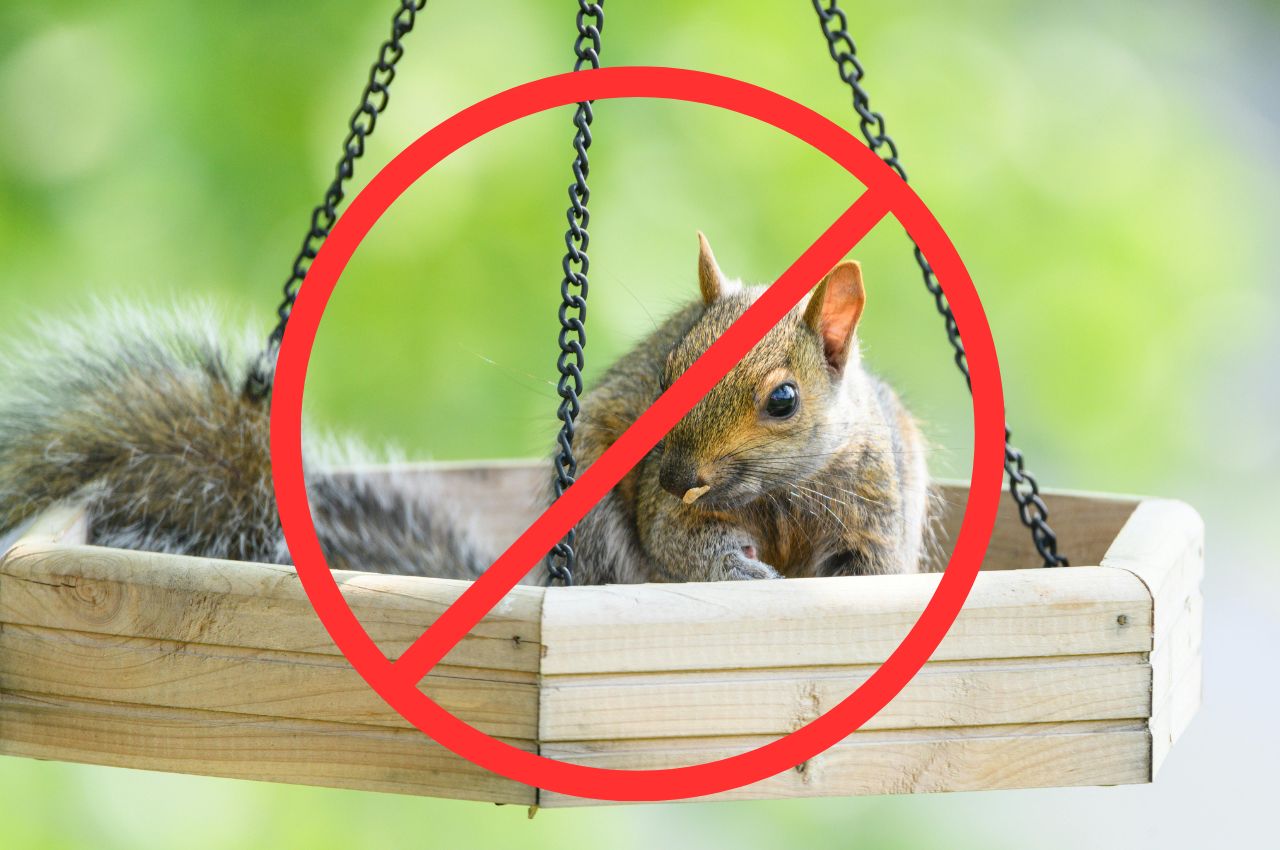
Credit: www.beakybites.co.uk
Frequently Asked Questions
How Can I Squirrel-proof My Bird Feeder Effectively?
Use squirrel baffles above or below feeders to block access. Place feeders on poles away from trees. Choose weight-sensitive feeders that close when heavy animals land. These methods deter squirrels without harming birds or pets.
What Natural Deterrents Keep Squirrels Away From Feeders?
Peppermint oil, cayenne pepper, and garlic sprays repel squirrels. Sprinkle these around feeders or mix them into seed. These natural remedies are safe for birds but unpleasant for squirrels.
Are Certain Bird Feeders Better To Stop Squirrels?
Yes, metal or weight-activated feeders are best. They prevent squirrels from chewing or accessing seeds. Avoid plastic feeders that squirrels easily damage.
Where Should I Place Bird Feeders To Avoid Squirrels?
Place feeders at least 10 feet from trees or walls. Squirrels use nearby branches to jump onto feeders. Open areas reduce squirrel access effectively.
Conclusion
Stopping squirrels from reaching bird feeders takes some patience. Use squirrel-proof feeders or place barriers around your feeder. Keep the area clean from spilled seeds to avoid attracting squirrels. Try different methods to see what works best for your garden.
Enjoy watching birds without the worry of squirrel troubles. Small changes can make a big difference in protecting your bird food. Stay consistent and your feeders will stay squirrel-free.




