
Your concrete bird bath adds charm to your garden and invites beautiful birds to visit. But keeping it clean can be tricky.
Dirty water not only looks unappealing but can also harm the birds you want to attract. If you’ve struggled with algae, dirt, or stubborn stains, this guide is for you. You’ll learn simple, effective ways to keep your bird bath sparkling clean and safe for your feathered friends.
Stick around, and your garden will become a fresh, inviting haven all year round.
Choosing The Right Bird Bath
Choosing the right bird bath is key to keeping it clean and attractive. The material and design affect how easy it is to maintain. Concrete bird baths offer strength and style. They resist weather and last many years.
Benefits Of Concrete Bird Baths
Concrete bird baths hold water well and do not tip easily. They offer a natural look that fits many gardens. These baths stay cool in summer, keeping birds safe. Concrete is heavy, so it stays in place during wind. The material is porous, allowing water to breathe and stay fresh.
Selecting A Durable Design
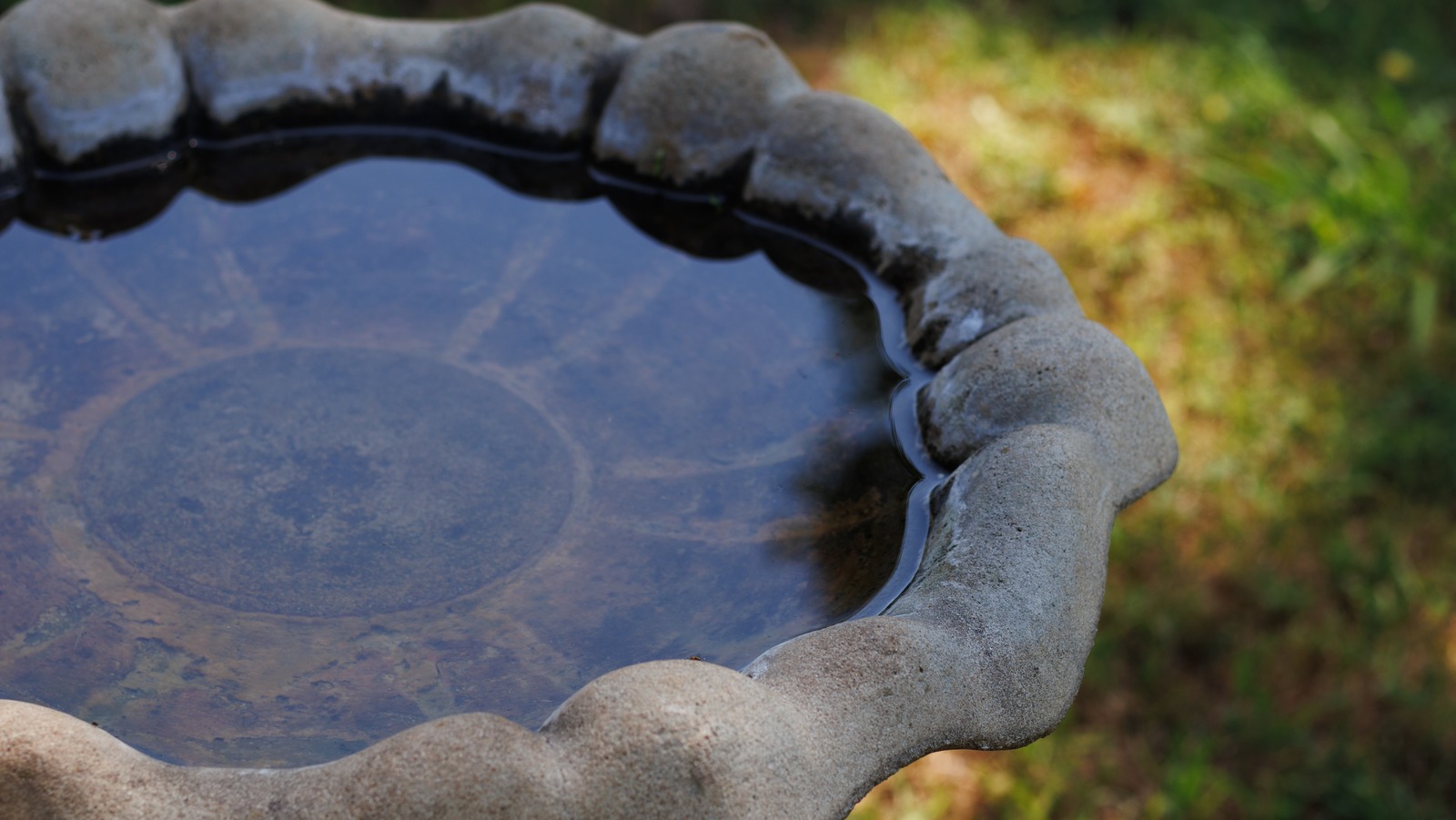
Choose a design with smooth surfaces for easy cleaning. Look for shallow basins to prevent water from becoming stagnant. A wide base adds stability and reduces spills. Avoid deep or narrow bowls that trap dirt. Designs with simple shapes help remove algae and debris fast.
Credit: www.hunker.com
Daily Maintenance Tips
Keeping your concrete bird bath clean every day not only makes it look inviting but also ensures a healthy environment for the birds that visit. Regular attention prevents algae buildup, mosquito breeding, and keeps the water fresh and safe. These daily maintenance tips are simple habits that make a big difference over time.
Removing Debris
Check your bird bath each day for leaves, twigs, and other debris. Use a small net or your hand to scoop out anything floating on the surface. This quick step stops organic material from sinking and decomposing, which can make the water dirty and smelly.
Have you noticed how even a few fallen leaves can quickly cloud the water? Removing debris daily keeps the water clear and more appealing to birds. It also reduces the chance of algae forming, which can be tough to clean later.
Refilling With Fresh Water
Empty the bird bath and refill it with fresh water every day, especially in hot weather. Stagnant water attracts mosquitoes and can harm birds if left too long. Using a hose or a watering can, refresh the water to keep it clean and oxygenated.
Think about how you prefer fresh water yourself—that’s how birds feel, too. Even if the water looks clear, changing it daily removes invisible germs and keeps your feathered visitors healthy. This small habit is key to maintaining a vibrant bird-friendly spot in your garden.
Weekly Cleaning Routine
Keeping your concrete bird bath clean every week prevents stubborn stains and algae buildup. A simple routine can save you from heavy scrubbing later and keeps the water fresh for your feathered visitors. Consistency is key—cleaning once a week maintains both the look and hygiene of your bird bath effortlessly.
Using Mild Soap Solutions
Start by mixing a mild soap with warm water—dish soap works well because it’s gentle yet effective. Avoid harsh chemicals that can damage the concrete or harm birds. Dip a soft cloth or sponge into the solution and wipe down the entire surface of the bird bath.
Rinse thoroughly with clean water to remove all soap residue. Have you noticed how a little soap and water can brighten the concrete instantly? This simple step keeps grime from settling in and makes scrubbing easier.
Scrubbing Techniques For Concrete
Use a soft-bristled brush to scrub the basin gently, focusing on corners and textured areas where dirt hides. Avoid metal brushes that can scratch the surface and create cracks. Circular motions help lift algae and dirt without damaging your bird bath.
If you find stubborn spots, soak them with the soap solution for a few minutes before scrubbing again. Do you see how a bit of patience here saves effort later? After scrubbing, rinse well and let the bird bath dry in the sun to prevent mold growth.
Preventing Algae Growth
Preventing algae growth is key to keeping your concrete bird bath clean and inviting for feathered visitors. Algae not only makes the water look dirty but can also harm birds if left unchecked. Taking proactive steps can save you from constant scrubbing and ensure your bird bath remains a safe, beautiful oasis.
Natural Algae Control Methods
Sunlight encourages algae growth, so placing your bird bath in a partly shaded area can help slow it down. You might notice that birds prefer baths with fresh, clear water, so changing the water every couple of days is a simple, effective habit.
Adding a few drops of apple cider vinegar or lemon juice can naturally lower the water’s pH, creating an environment less friendly to algae. Another trick is to introduce aquatic plants like water lettuce or duckweed; they compete with algae for nutrients, reducing its growth.
Have you ever tried scrubbing your bird bath with a soft brush weekly? This breaks algae buildup before it becomes a problem. It’s a small effort that pays off big in clarity and cleanliness.
Safe Chemical Options
Sometimes natural methods aren’t enough, especially in warm climates where algae flourish. In such cases, using safe, bird-friendly algaecides can be effective. Look for products labeled specifically for bird baths or ponds, ensuring they won’t harm wildlife.
Always follow the instructions carefully and avoid overusing chemicals. You want to keep the water safe for birds, not create a hazard. Consider rinsing the bath thoroughly after treatment and refilling with fresh water.
Have you thought about combining mild chemical treatments with regular cleaning? This balanced approach often keeps algae at bay without risking your bird visitors’ health.
Seasonal Care Strategies
Seasonal care plays a crucial role in keeping your concrete bird bath clean and in great shape all year round. Different seasons bring unique challenges, from freezing temperatures to spring pollen, that can affect the bird bath’s condition. Understanding these seasonal care strategies helps you protect your investment and provide a safe, inviting spot for birds.
Preparing For Winter
Winter’s freezing temperatures can crack concrete bird baths if water is left inside to freeze. Before the cold sets in, completely drain your bird bath and remove any standing water. This simple step prevents ice expansion damage.
Consider moving your bird bath to a sheltered area or covering it with a breathable tarp to protect it from harsh snow and ice. If moving isn’t an option, adding a bird bath heater designed for outdoor use can keep the water from freezing and keep birds visiting during winter.
Have you checked the surface for any cracks or chips before winter? Repairing small damages early can save you from bigger repairs in spring.
Spring Cleaning Tips
Spring is the perfect time to refresh your concrete bird bath after months of neglect. Use a mixture of water and mild dish soap to scrub the basin gently. Avoid harsh chemicals that can harm birds or degrade the concrete.
Rinse thoroughly and check for algae buildup or mineral stains. You can remove stubborn stains by scrubbing with a paste made from baking soda and water. This natural cleaner is safe and effective.
Once clean, refill the bird bath with fresh water and place it in a sunny spot to help discourage algae growth. How often will you clean your bird bath this spring to keep it inviting for your feathered friends?

Credit: www.youtube.com
Avoiding Common Problems
Maintaining a concrete bird bath requires attention to common problems. These issues can cause damage and affect its function. Regular care ensures a clean and welcoming space for birds. Let’s explore how to prevent common problems.
Cracks And Damage Prevention
Concrete bird baths can develop cracks over time. Water freezing in small cracks can cause larger damage. To prevent this, seal the bird bath with a concrete sealant. This helps protect against harsh weather. Check for signs of wear regularly. Address small cracks promptly to avoid bigger issues.
In winter, empty the bird bath if possible. This prevents water from freezing and expanding. Use a durable cover to shield it from snow and ice. Avoid using metal tools for cleaning. These can scratch or damage the surface. Use soft brushes and mild cleaners instead.
Deterring Unwanted Wildlife
Bird baths can attract more than just birds. Squirrels, raccoons, and other animals might visit. They can dirty or damage the bird bath. To deter them, place the bird bath in an open area. This makes it less appealing to larger animals.
Consider adding a motion-activated sprinkler nearby. This can help scare away unwanted visitors. Regularly clean the area around the bird bath. Remove any fallen seeds or food. This reduces attraction for other wildlife. Using these methods keeps the bird bath safe and clean for birds to enjoy.
Credit: www.outdoorartpros.com
Frequently Asked Questions
How Often Should I Clean A Concrete Bird Bath?
Clean your concrete bird bath every one to two weeks. Frequent cleaning prevents algae buildup and keeps water safe for birds.
What Is The Best Way To Remove Algae From Concrete?
Use a mixture of water and white vinegar. Scrub gently with a soft brush to avoid damaging the concrete surface.
Can I Use Bleach To Clean A Concrete Bird Bath?
Yes, but dilute bleach properly (1 part bleach to 9 parts water). Rinse thoroughly to protect birds from harmful chemicals.
How Do I Prevent Algae Growth In My Bird Bath?
Place the bird bath in a shaded area and change the water regularly. Adding a small fountain helps keep water moving and fresh.
Conclusion
Keeping a concrete bird bath clean is simple with regular care. Clean water helps birds stay healthy and happy. Scrub the basin gently to remove dirt and algae. Change water often to prevent bugs and buildup. Use natural cleaning tools to protect birds.
A clean bird bath adds beauty to your garden. Enjoy watching birds visit your fresh, sparkling bath. Small steps make a big difference every day. Keep it clean, keep it inviting. Birds will thank you with joyful visits.




