
Have you ever found a bird egg and wondered how to care for it properly? Taking care of a delicate bird egg can be both exciting and challenging.
If you want to give that tiny life the best chance to hatch safely, you need to know the right steps. In this guide, you’ll discover simple, clear tips that anyone can follow. By the end, you’ll feel confident and ready to protect and nurture that precious egg.
Keep reading to unlock the secrets of successful bird egg care!
Credit: pethelpful.com
Choosing The Right Egg
Choosing the right egg is a crucial first step in caring for a bird egg successfully. Not all eggs are suitable for incubation or hatching, so understanding how to select the best ones can save you time and effort. Let’s focus on what makes an egg the right candidate for care, starting with identifying fertility and proper handling.
Identifying Fertile Eggs
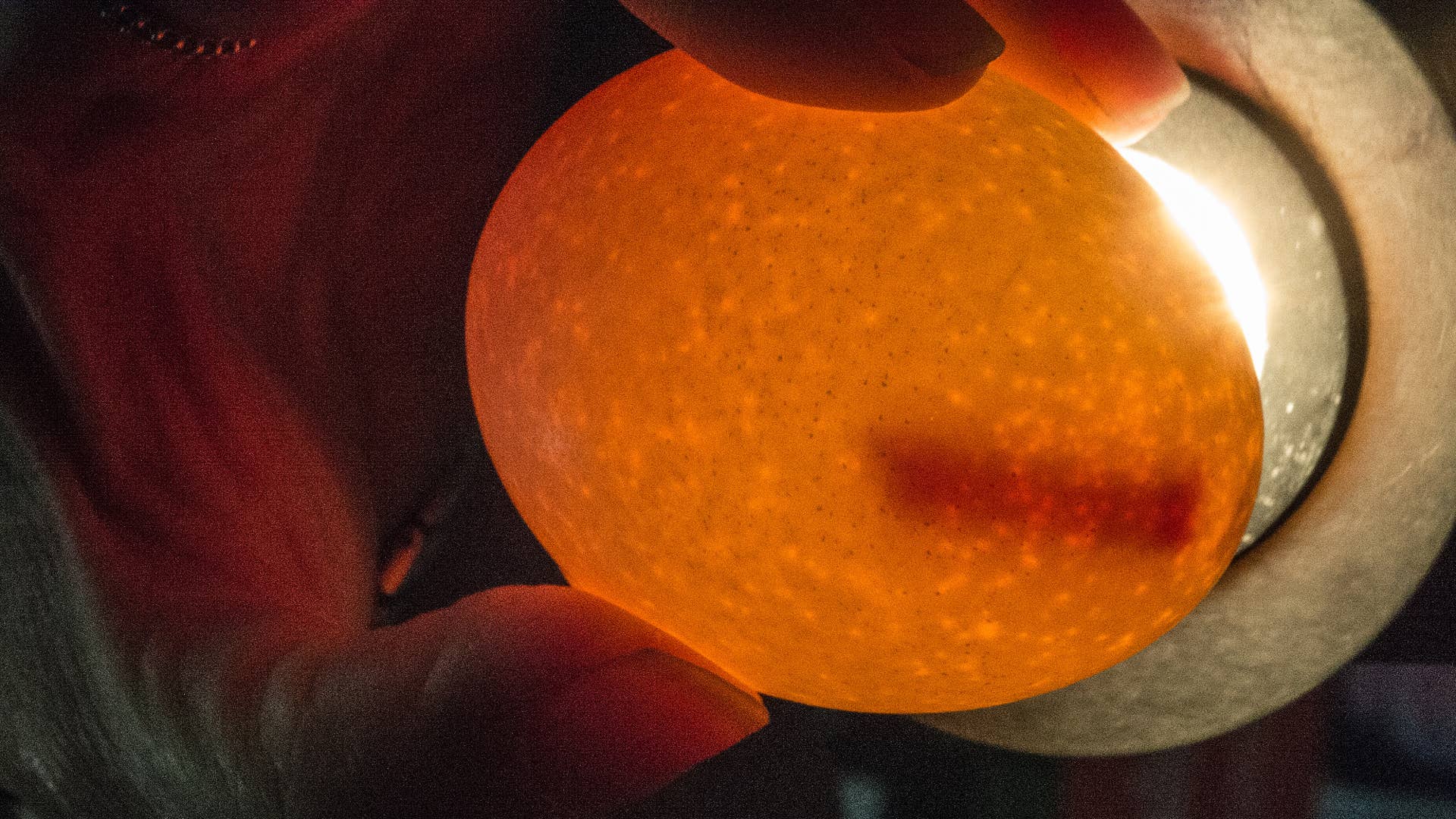
Fertile eggs have the potential to develop into healthy chicks, but how can you tell if an egg is fertile without cracking it open? One simple way is to look for a small dark spot called the blastoderm on the yolk, visible if the egg is candled using a bright light source.
Candling involves holding the egg up to a flashlight in a dark room. You’ll see veins branching out if the egg is fertile, while infertile eggs will appear clear or show only the yolk shadow. It’s a skill worth practicing because choosing infertile eggs wastes your effort and risks disappointment.
Handling Freshly Laid Eggs
Freshly laid eggs need gentle handling to keep their protective coating intact. This coating, called the bloom or cuticle, helps prevent bacteria from entering the egg. Washing eggs too soon or roughly can remove this natural shield and increase the chance of infection.
Always collect eggs carefully, using clean hands, and place them pointy end down in a cool, stable environment. Avoid sudden temperature changes to prevent condensation, which can also promote bacterial growth. Have you noticed how even small changes in handling affect egg viability? It’s these details that make a big difference.
Creating A Safe Environment
Creating a safe environment for a bird egg is crucial to ensure it develops properly. The right surroundings protect the egg from harm and provide conditions similar to those it would experience in nature. Your attention to detail can make all the difference in hatching success.
Setting Up An Incubator
Choose an incubator that fits the size and number of eggs you plan to care for. It should have a reliable power source and easy-to-use controls. I once used a basic model, but upgrading to one with automatic turning made a huge difference in maintaining steady conditions.
Place the incubator in a quiet, draft-free room away from direct sunlight. This avoids sudden temperature changes that could stress the developing embryo. Also, keep the incubator on a stable surface to prevent vibrations.
Maintaining Proper Temperature
Temperature control is one of the most critical factors for egg development. Most bird eggs need a constant temperature between 99°F and 102°F (37.2°C to 38.9°C). Have you checked your incubator’s thermometer today?
Use a digital thermometer for accuracy and monitor it several times a day. Avoid opening the incubator too often, as this causes temperature drops. If you notice fluctuations, adjust the heat source immediately to keep the environment stable.
Controlling Humidity Levels
Humidity affects the egg’s moisture loss and is essential for proper hatching. Aim for 40-50% humidity during incubation and increase it to 65-75% as hatching approaches. How do you measure humidity in your setup?
Add water trays or damp sponges inside the incubator to raise humidity. Check water levels daily and refill as needed. Too low or too high humidity can cause the embryo to dry out or drown, so keep a close eye on this balance.
Turning The Eggs
Turning bird eggs is a crucial part of caring for them. It helps the embryo grow properly inside the shell. Without turning, the embryo can stick to the shell, causing problems. Regular turning also helps keep the temperature even around the egg. This increases the chances of a healthy hatch.
Frequency And Technique
Eggs should be turned at least three to five times a day. Turning too little can harm development. Turning too much can stress the embryo. Move the egg gently to avoid damage.
Turn the eggs about 45 degrees each time. Change the direction with each turn. This helps the embryo stay centered. Use clean hands or gloves to prevent contamination.
Automated Vs Manual Turning
Automated egg turners offer convenience and consistent motion. They turn eggs at set intervals without human effort. This reduces the chance of missed turns. Automated turners are ideal for many eggs or busy schedules.
Manual turning requires more time and attention. It allows close inspection of each egg during turning. This can help spot problems early. Manual turning works well for small batches or hobbyists.

Credit: swibirds.org
Monitoring Development
Monitoring the development of a bird egg is key to successful hatching. Careful observation helps ensure the embryo grows healthy. It also allows early detection of any issues. Regular checks provide peace of mind and improve hatch rates.
Understanding the progress inside the egg can seem tricky. Simple tools and techniques make this task easier. Consistent monitoring guides the right care and adjustments.
Candling For Progress
Candling uses light to see inside the egg. Hold the egg gently against a bright light source. A small flashlight works well. This reveals the embryo’s growth and blood vessels.
Look for clear signs of development:
- Dark spots that move or grow
- Visible veins spreading out
- A shadow showing the embryo’s shape
Perform candling in a dark room for best results. Avoid shaking or turning the egg too much. Check every few days to track changes.
Detecting Problems Early
Early detection of problems boosts the chance of saving the egg. Signs to watch for include:
- No visible veins or growth after several days
- Unpleasant odors from the egg
- Cracks or unusual spots on the shell
- Excessive dryness or moisture inside the incubator
Removing eggs with clear issues prevents contamination. Maintain proper temperature and humidity to avoid risks. Quick action can protect other eggs and ensure a healthy hatch.
Preparing For Hatching
Preparing for hatching is a crucial time for anyone caring for bird eggs. It requires attention and patience to ensure the baby bird has the best start. Proper care during this phase increases the chances of a healthy hatch.
Adjusting Conditions
Keep the temperature steady between 99°F and 102°F. Avoid sudden changes to prevent stress on the developing embryo. Maintain humidity at about 50-55% to keep the egg shell soft. Increase humidity to 65-70% during the last three days before hatching. Turn the eggs gently three to five times a day to prevent the embryo from sticking to the shell. Stop turning eggs 24 hours before the expected hatch time.
Recognizing Signs Of Hatching
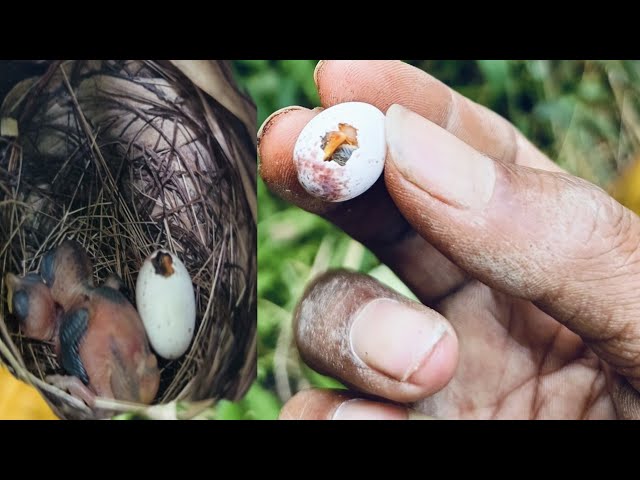
Watch for small cracks or pinholes on the shell called “pipping.” The chick may start making soft peeping sounds inside the egg. The egg may begin to move slightly as the chick pushes out. These signs mean hatching is near and you should avoid disturbing the egg. Keep the environment calm and stable during this critical time.
Credit: www.youtube.com
Post-hatch Care
Post-hatch care is crucial for the survival and growth of baby birds. Once the bird egg has hatched, the tiny chick requires immediate attention. It needs warmth, proper feeding, and hydration to thrive. Let’s delve into each of these essential aspects.
Providing Warmth And Shelter
Newly hatched chicks are vulnerable and need a warm environment. Use a heat lamp to maintain a temperature of around 95°F. Gradually reduce the temperature by 5°F each week. Place the chicks in a brooder box to keep them safe. Ensure the box is clean and dry. Line it with soft bedding to prevent injuries. Avoid drafts and sudden temperature changes.
Feeding And Hydration Basics
Baby birds need a nutrient-rich diet. Purchase a commercial chick starter feed for balanced nutrition. Feed them small amounts several times a day. Always provide fresh water in a shallow dish. Refill it frequently to ensure hydration. Monitor the chicks for signs of dehydration or malnutrition. Adjust feeding amounts as they grow.
Common Challenges
Caring for a bird egg brings joy and challenges. Understanding common issues ensures success. Proper knowledge helps you tackle these effectively, ensuring egg health.
Dealing With Infertile Or Non-viable Eggs
Infertile eggs won’t develop into chicks. Recognizing them early is key. Candling helps determine viability. Hold the egg against a bright light. Look for signs of life, like veins or movement. Without these, the egg might be infertile. Dispose of non-viable eggs carefully. This prevents contamination and stress for the parent bird.
Preventing Contamination And Mold
Eggs can get contaminated easily. Bacteria and mold pose serious threats. Maintain a clean environment to minimize risk. Regularly clean the incubator or nesting area. Avoid touching eggs with dirty hands. Use gloves or sanitized tools when handling. Check for signs of mold growth. Remove affected eggs immediately to protect others.
Frequently Asked Questions
How Do I Keep A Bird Egg Warm?
Keep the egg at a consistent temperature of 99-102°F. Use a heating pad or incubator. Avoid sudden temperature changes to ensure proper development.
Can I Incubate A Bird Egg At Home?
Yes, with an incubator you can. Maintain temperature, humidity, and turn the egg regularly. Monitor conditions closely for successful hatching.
How Often Should I Turn A Bird Egg?
Turn the egg at least three to five times daily. This prevents the embryo from sticking to the shell and promotes even development.
What Humidity Level Is Ideal For Bird Eggs?
Maintain humidity between 40-50% during incubation. Increase it to 65-70% in the final days before hatching to keep the egg membrane moist.
Conclusion
Caring for a bird egg takes patience and gentle hands. Keep the egg warm and safe at all times. Check it often, but do not touch too much. Use clean materials and avoid sudden movements nearby. Remember, every egg is different and needs careful attention.
With steady care, you help new life grow strong. Watch closely and enjoy the process. Small efforts make a big difference in egg care. Trust your instincts and stay calm throughout. This care guides the egg toward a healthy hatch.




