
Have you ever wanted to welcome more birds to your garden? Building a bird house is a simple and rewarding way to do just that.
Imagine watching colorful birds visit your yard, singing and nesting right outside your window. It’s easier than you think, and you don’t need special skills or expensive tools. In this guide, you’ll discover step-by-step how to create a cozy home for birds that will bring life and joy to your outdoor space.
Ready to start? Let’s dive in and make your garden a bird’s favorite spot!
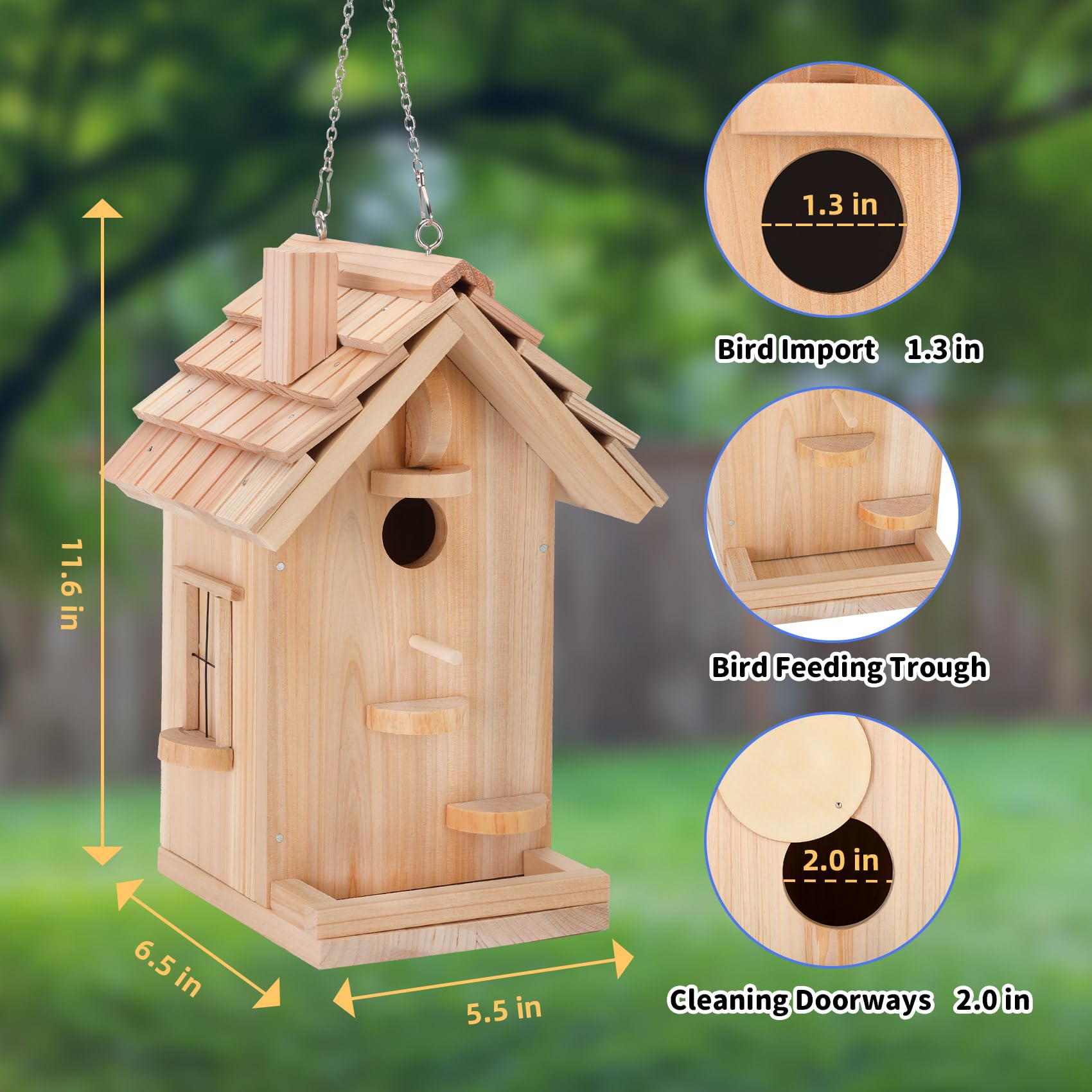
Credit: www.amazon.com
Choosing The Right Location
Choosing the right location for your bird house can make all the difference in attracting feathered friends and keeping them safe. The spot you pick affects how comfortable and secure the birds feel. Let’s look at key factors to help you find the perfect place.
Safe Spots For Birds
Look for areas that offer shelter from harsh weather and strong winds. Trees with dense foliage or shrubs provide natural protection and a sense of security. Avoid placing the bird house too close to busy human activity or noisy spots that might scare birds away.
Think about where you’ve seen birds nesting naturally. Chances are, those spots are safe and comfortable. Would you choose a noisy, exposed area to rest? Birds think the same way.
Sunlight And Shade Balance
Bird houses need a good mix of sunlight and shade to keep the temperature just right. Too much direct sun can overheat the house, while too much shade might make it damp and cold. Aim for a location that gets morning sun and afternoon shade.
Try to avoid spots that stay wet or soggy after rain. Moisture can harm eggs and chicks. Have you noticed how birds often pick spots that stay dry but warm? That’s a clue for your bird house placement.
Avoiding Predators
Keep your bird house away from easy access points for cats, raccoons, or snakes. Mount it on a pole with a predator guard or place it high in a tree with no low branches nearby. This simple step can save many nests from harm.
Consider what predators are common in your area and take action accordingly. Have you seen how birds avoid places where predators lurk? Your bird house should offer a safe retreat, not a danger zone.
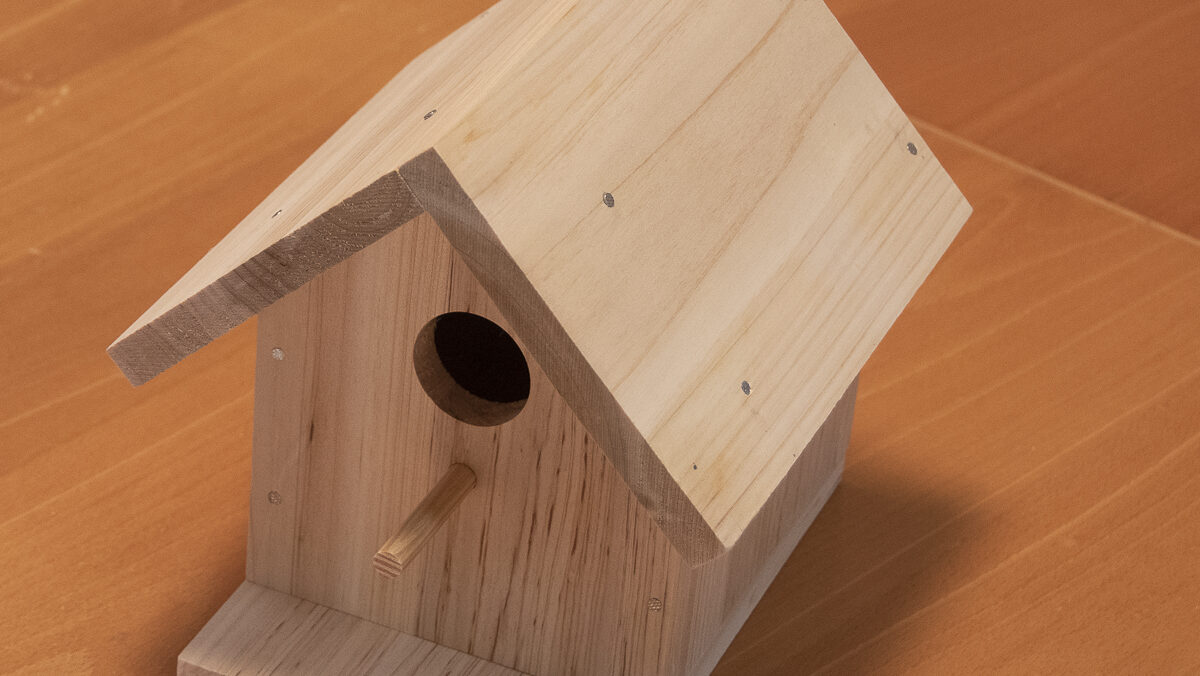
Credit: bringbinoculars.com
Selecting Materials
Choosing the right materials is the foundation of building a bird house that lasts and keeps its feathered residents safe. The materials you pick affect durability, safety, and how comfortable birds feel inside. Think about what will withstand weather, avoid harmful chemicals, and fit your skill level as a builder.
Best Wood Types
Wood is the go-to material for bird houses because it offers natural insulation and breathability. Cedar and pine are popular choices—cedar resists rot and insects, while pine is affordable and easy to work with.
Avoid treated wood or plywood since chemicals in them can harm birds. Instead, use solid, untreated wood that can handle moisture and temperature changes without warping.
Non-toxic Paints And Finishes
Paint or finish your bird house with non-toxic options to protect it from weather without poisoning your birds. Water-based paints and natural oils like linseed are safe choices.
Keep the color light to prevent overheating inside. Also, avoid painting the inside of the house; birds prefer natural wood surfaces.
Tools You’ll Need
Gathering the right tools makes building smoother and safer. Essential tools include a handsaw or power saw, hammer, drill with different bits, measuring tape, and sandpaper.
Have safety gear handy, like goggles and gloves, especially if you’re new to woodworking. With the right tools, you’ll find the project rewarding and less frustrating.
Designing The Birdhouse
Designing the birdhouse is a crucial step that sets the foundation for a safe and welcoming home for your feathered friends. Paying attention to specific details like size, entrance, ventilation, and drainage can make all the difference in attracting birds and keeping them comfortable. Let’s dive into the key design elements to consider when building your birdhouse.
Ideal Size And Shape
Choosing the right size and shape depends on the type of birds you want to attract. Smaller birds like chickadees and wrens prefer compact houses, roughly 6 to 8 inches tall, with a cozy interior space. Larger birds need bigger houses, but avoid making the space too large, or it may discourage nesting.
Remember, the shape should offer protection from weather and predators. A simple box shape with a sloped roof works well, allowing rain to run off easily. Have you thought about where you’ll place the birdhouse? That can influence the ideal size, too.
Entrance Hole Dimensions
The entrance hole size is vital for keeping unwanted visitors out while welcoming your target birds. Different species need different hole sizes; for example, a 1 1/8 inch diameter suits chickadees, while bluebirds prefer around 1 1/2 inches. Too large an opening invites predators or larger birds that might scare off your preferred occupants.
Also, position the hole at least 6 inches above the floor to protect the nest from rain and predators. Have you measured your entrance hole carefully? Small changes here can have a big impact on who moves in.
Ventilation And Drainage
Good airflow inside the birdhouse prevents overheating during hot days. Include small ventilation holes near the top or gaps under the roof edge. These openings keep the air fresh without letting in rain or drafts.
Drainage holes at the bottom are just as important to avoid water buildup that can harm eggs or chicks. Drill several small holes to let water escape quickly after rain. Have you checked that your birdhouse doesn’t trap moisture? Dryness inside is key for a healthy nest.

Credit: m.youtube.com
Step-by-step Construction
Building a birdhouse is a rewarding project that lets you connect with nature and provide a safe home for birds. Breaking the process into clear steps helps make the task manageable, even if you’re new to woodworking. Let’s dive into how you can cut, assemble, and finish your birdhouse with confidence.
Cutting The Pieces
Start by selecting a sturdy wood like cedar or pine, which withstands weather well. Measure and mark the wood carefully to ensure each piece fits perfectly.
- Cut the front and back panels, typically 8 inches wide by 10 inches tall.
- Prepare the side panels with a slight angle on top for roof support.
- Cut the floor piece to fit snugly inside the frame, usually around 6 x 6 inches.
- Don’t forget the roof pieces—cut two rectangles slightly larger than the house’s width.
Have you ever noticed how precise cuts make assembly smoother? Take your time here; it pays off later.
Assembling The Frame
Lay out all your cut pieces on a flat surface to visualize the structure. Start by attaching the sides to the back panel using wood glue and small nails or screws.
- Check that everything aligns squarely before securing firmly.
- Attach the front panel last to leave the interior accessible if needed.
- Drill a small entrance hole on the front—about 1.5 inches in diameter works well for most small birds.
Working patiently during assembly prevents frustrating misfits. Have you considered pre-drilling holes to avoid wood splitting?
Adding The Roof And Floor
Attach the floor inside the frame, ensuring it’s flush with the bottom edges. This creates a solid base for the birds to land and nest.
- Secure the two roof pieces at a slight angle to help rainwater run off easily.
- If you want, add a hinge to one roof panel for easy cleaning access later.
- Consider sanding rough edges to protect the birds from splinters.
How might a hinged roof change your maintenance routine? Small design choices like this make a big difference over time.
Mounting And Securing
Mounting and securing your birdhouse properly helps keep it safe and inviting. A well-installed birdhouse stays stable during wind and bad weather. This section explains how to choose the right mount, set the best height and angle, and ensure stability. Follow these tips for a secure and long-lasting birdhouse setup.
Choosing Mount Types
Select a mount that fits your space and birdhouse design. Common types include:
- Tree mounts: Attach the birdhouse to a sturdy tree trunk.
- Pole mounts: Use a metal or wooden pole fixed in the ground.
- Wall mounts: Secure the birdhouse directly to a fence or wall.
Each option offers different levels of stability and ease of access. Choose one that suits your yard and bird species.
Height And Angle Tips
Place the birdhouse at the right height to protect birds from predators. Most birds prefer a height between 5 and 10 feet. Face the entrance away from strong winds. A slight downward tilt helps keep rain out. Avoid direct sun exposure to prevent overheating inside.
Keeping It Stable
Use strong screws or brackets to fix the birdhouse securely. Check that the mount does not wobble or lean. Tighten all fasteners regularly to maintain stability. Add support braces if the birdhouse is large or heavy. A stable birdhouse lasts longer and feels safer for birds.
Maintenance Tips
Keep the birdhouse clean by removing old nests each season to prevent pests. Check for damage regularly and repair cracks to protect birds from weather. Use non-toxic paint to maintain the wood and extend the house’s life.
Maintaining your birdhouse is crucial for ensuring a safe and welcoming environment for our feathered friends. Regular upkeep not only extends the life of your birdhouse but also enhances the overall well-being of the birds it shelters. Let’s dive into some essential maintenance tips to keep your birdhouse in top shape.Cleaning The Birdhouse
Keeping the birdhouse clean is vital to prevent disease and attract new tenants. It’s good practice to clean the birdhouse at least twice a year. Use mild soap and water, ensuring to rinse thoroughly so no residue remains. Remove any old nesting materials as they can harbor pests. A small brush can help scrub away dirt and debris. Consider using a solution of one part bleach to nine parts water for a thorough disinfection, and let the birdhouse dry completely before reassembly.Checking For Damage
Regularly inspect the birdhouse for any signs of wear and tear. Look for cracks, loose screws, or rotting wood that could compromise its structure. If you find any issues, repair them promptly to prevent further damage. Paint or varnish can help protect the wood from the elements. However, ensure the paint is non-toxic and bird-safe. Remember, a sturdy birdhouse is a safe birdhouse.Seasonal Care
Each season brings its own set of challenges. In spring, ensure the birdhouse is ready for new arrivals by clearing out any debris left from winter. During summer, check ventilation to prevent overheating. Autumn is a good time to reinforce the structure against harsh winter conditions. Consider adding a few layers of insulation or moving the birdhouse to a more sheltered location if necessary. How do you prepare your birdhouse for the changing seasons? By following these simple maintenance tips, your birdhouse will not only last longer but also provide a safe sanctuary for birds year-round.Attracting Birds To Your House
Building a birdhouse offers a safe spot for birds to nest close to your home. Choose simple designs and natural materials to attract more birds easily. Proper placement helps birds feel secure and welcome.
Attracting birds to your birdhouse can be a delightful and rewarding experience. Birds bring life and color to your garden, and their cheerful songs can brighten your day. But how do you make your birdhouse irresistible to our feathered friends? Here are some practical tips that you can easily implement.Feeding And Watering Stations
Providing food and water is a simple yet effective way to attract birds. Set up a small bird feeder with seeds, nuts, or suet to cater to different species. Make sure the feeder is close to the birdhouse but not too close to cause congestion. Place a shallow birdbath nearby, ensuring it’s easy for birds to access. Regularly clean and refill it with fresh water to keep it inviting. By offering a reliable source of food and water, you’ll create a welcoming environment that birds will flock to.Planting Native Plants
Native plants are like a magnet for local bird species. They provide natural food sources such as berries, seeds, and nectar. Plus, they offer shelter and nesting materials. Consider planting a mix of shrubs, trees, and flowers that flourish in your climate. This diverse habitat will attract a variety of bird species, enhancing your birdwatching experience. Native plants require less maintenance and water, making them a sustainable choice for your garden.Avoiding Common Mistakes
It’s easy to overlook some factors that might deter birds from visiting your birdhouse. Avoid placing the birdhouse too close to busy areas or loud noises. Birds prefer quiet and safe spots to rest and nest. Ensure that your birdhouse has proper ventilation and drainage to provide a comfortable environment. Regularly check for and prevent the buildup of mold or pests. By avoiding these common mistakes, you can create a haven that birds will love to call home.Frequently Asked Questions
What Materials Are Best For Building A Bird House?
Use untreated wood like cedar or pine for durability. Avoid metal and plastic as they overheat. Ensure materials are safe and non-toxic for birds.
How Do I Choose The Right Bird House Size?
Select size based on the bird species you want to attract. Small birds need smaller houses; larger birds require bigger spaces. Proper sizing helps birds feel safe and secure.
Where Should I Place The Bird House?
Mount the house 5-10 feet high on a tree or pole. Choose a quiet, shaded spot away from predators and strong winds. Orientation matters; face the entrance away from prevailing winds.
How Do I Clean And Maintain A Bird House?
Clean the bird house annually after nesting season. Remove old nests and debris to prevent parasites. Use a brush and mild soap, then rinse and dry thoroughly.
Conclusion
Building a birdhouse brings nature closer to you. It offers birds a safe place to live. You learn new skills while working with wood. Each step, from cutting to assembling, feels rewarding. Watching birds use your house feels special. You also help local wildlife in your area.
This simple project suits beginners and experts alike. Start with basic tools and take your time. Enjoy the process and the peaceful moments it creates. A birdhouse is more than wood—it’s a small gift to nature.




