
If you have a pet bird, you already know how important its cage is for comfort and safety. But how often should a bird cage be cleaned to keep your feathered friend healthy and happy?
Cleaning too little can lead to germs and bad smells, while cleaning too often might stress your bird. You’ll discover the simple schedule that keeps your bird’s home fresh and safe. Stick with me, and you’ll learn easy tips that make cage cleaning quick and stress-free—for both you and your bird.
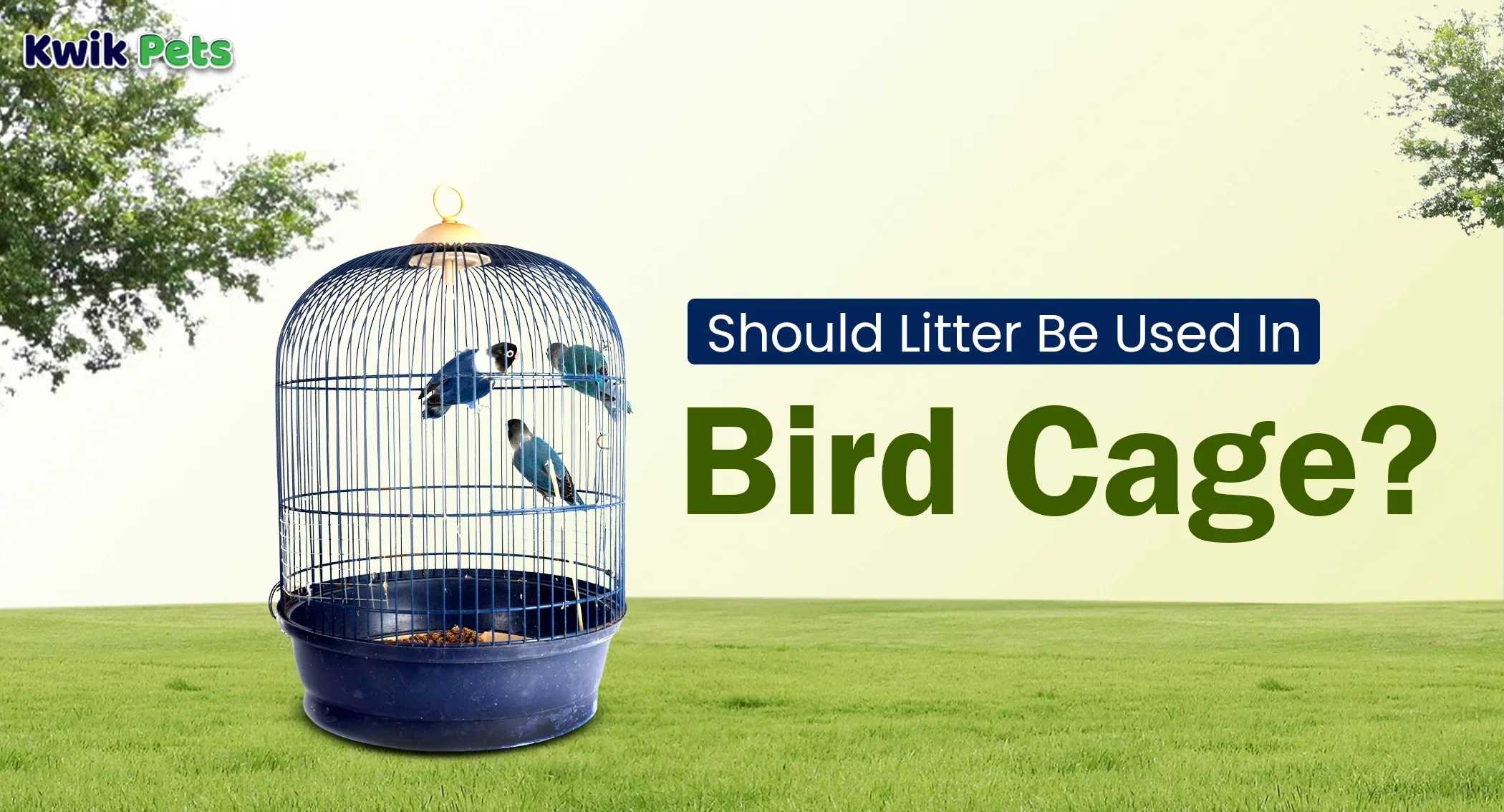
Credit: www.kwikpets.com
Importance Of Cage Cleaning
Cleaning a bird cage is not just a chore. It is essential for the bird’s health and happiness. A clean cage creates a safe space and prevents many problems. Birds live in their cages most of the time. Dirt and waste build up fast without regular cleaning. This can harm the bird and cause bad smells. Keeping the cage clean helps the bird stay healthy and active.
Health Risks Of Dirty Cages
Dirty cages hold bacteria and fungi. These can cause infections in birds. Waste and leftover food attract pests like flies and mites. Birds breathe in dust and droppings. This can lead to respiratory problems. Dirty cages increase the chance of diseases spreading. Sick birds need costly treatment and more care.
Impact On Bird Behavior
Birds are sensitive to their environment. A dirty cage makes them stressed and unhappy. They may become aggressive or scared. Birds might stop singing or playing. Dirty cages reduce their comfort and safety. Clean cages help birds feel calm and relaxed. This improves their mood and behavior.
Benefits Of Regular Cleaning
- Prevents illness by removing harmful germs
- Reduces bad odors in the home
- Keeps birds active and playful
- Makes the cage look neat and inviting
- Helps spot any health issues early
Regular cleaning is simple and quick. It protects your bird and improves its life quality. A clean cage is a happy home for your feathered friend.
Daily Cleaning Tasks
Daily cleaning tasks keep your bird’s cage fresh and healthy. These simple chores stop germs and bad smells. A clean cage helps your bird stay happy and active. Spend a few minutes each day on these easy jobs.
Removing Uneaten Food
Take out leftover food every day. Old food can grow bacteria fast. Remove all fruits, seeds, and pellets not eaten. Use a clean cloth or paper towel to wipe the food dish. Fresh food helps keep your bird healthy.
Changing Water
Change your bird’s water daily. Clean water prevents illness and keeps your bird hydrated. Wash the water container with warm soapy water. Rinse it well before refilling with fresh water. Always provide clean, fresh water.
Spot Cleaning Droppings
Check the cage for droppings each day. Use a small brush or cloth to clean spots. Pay attention to perches and cage floor. Spot cleaning stops bacteria build-up and keeps the cage neat. A tidy cage makes your bird feel safe.
Weekly Cleaning Routine
Keeping your bird’s cage clean every week is essential for their health and happiness. A weekly cleaning routine helps prevent bacteria buildup and keeps your feathered friend comfortable. It might seem like extra work, but a regular schedule makes deep cleaning easier and less stressful for both of you.
Cleaning Perches And Toys
Perches and toys can quickly collect droppings and dust. Take them out of the cage and scrub with warm, soapy water. Avoid harsh chemicals; instead, use bird-safe cleaners or a vinegar solution.
Make sure to rinse thoroughly and dry before putting them back. Dirty toys not only look bad but can also make your bird sick. Have you noticed your bird avoiding certain toys? It might be time for a thorough cleaning or even replacement.
Washing Food And Water Dishes
Food and water dishes should be cleaned every week to prevent mold and bacteria growth. Use hot water and dish soap, and consider scrubbing with a brush to reach every corner. Rinse completely to remove soap residue that could harm your bird.
Refilling with fresh water and food after cleaning keeps your bird’s diet safe and appealing. If you see leftover food sticking to the dishes, it’s a sign you need to clean more often.
Replacing Cage Liners
Cage liners absorb droppings and food debris, so changing them weekly is crucial. Use paper liners or other safe materials that are easy to replace and dispose of. This simple step reduces odors and keeps the cage environment fresh.
Think about how a clean surface can improve your bird’s mood and health. Would you want to live in a space that never gets cleaned? Your bird feels the same way, making this task a key part of their care.
Deep Cleaning Schedule
Deep cleaning a bird cage ensures a safe home for your feathered friend. Regular cleaning helps prevent bacteria and unpleasant odors. A structured schedule makes deep cleaning manageable.
Disinfecting The Cage
Use a bird-safe disinfectant to clean the cage. Ensure you cover all surfaces. Let the solution sit for a few minutes. Rinse thoroughly to remove all traces of chemicals. Dry the cage completely before returning any items.
Cleaning Bars And Grates
Focus on bars and grates as they collect droppings. Remove these parts from the cage if possible. Use a brush to scrub away grime and droppings. Rinse with water to ensure no soap residue remains. Dry them before reassembling the cage.
Handling Tough Stains
Tough stains need special attention. Create a paste with baking soda and water. Apply it to stubborn spots and let it sit for 15 minutes. Scrub gently with a brush. Rinse and dry thoroughly to ensure a clean finish.
Cleaning Supplies And Tools
Keeping your bird’s cage spotless is easier when you have the right cleaning supplies and tools. Choosing the proper items not only saves time but also ensures your feathered friend stays healthy and happy. Let’s look at the essentials you should have on hand.
Safe Cleaning Agents
Always pick cleaning agents that are safe for birds. Avoid anything with strong fumes or toxic ingredients. Vinegar diluted with water is a great natural option—it kills germs without harmful chemicals.
You can also find bird-safe disinfectants in pet stores. These products clean effectively and rinse off easily, leaving no residue. Think about your bird’s sensitive respiratory system when choosing what to use.
Recommended Brushes And Cloths
Soft brushes and microfiber cloths work best for scrubbing cages without scratching surfaces. A small bottle brush can clean narrow bars and corners. These tools help remove dirt without stressing your bird.
Keep a set of cleaning cloths specifically for cage maintenance. Avoid using the same cloth for other household chores to prevent cross-contamination. What tools do you already have that could double as cage cleaners?
Avoiding Harmful Chemicals
Never use bleach, ammonia, or strong detergents on your bird’s cage. These chemicals can leave toxic residues and cause respiratory problems. Even if you rinse thoroughly, tiny amounts can linger.
Check labels carefully and skip anything with artificial fragrances or dyes. Your bird’s health depends on clean but gentle cleaning supplies. Isn’t it worth investing in safer options to protect your pet’s wellbeing?

Credit: birdsupplies.com
Special Considerations For Different Bird Species
Each bird species has unique needs that affect how often you should clean their cage. Understanding these differences helps keep your feathered friend healthy and happy. Let’s look at what special care small, large, and exotic birds require when it comes to cage cleaning.
Small Birds
Small birds like finches and budgies tend to create less mess, but their cages still need attention regularly. You should spot-clean daily by removing droppings, food debris, and feathers. A full cage cleaning once a week usually works well for them.
Because small birds have sensitive respiratory systems, keeping their environment fresh is vital. Have you noticed how quickly their cages can develop a smell? Regular cleaning prevents bacterial build-up and protects their delicate health.
Large Birds
Large birds such as parrots and cockatoos generate more waste and often scatter food around their cage. This means you need to clean their cages more frequently—daily spot cleaning is a must, with a thorough cleaning at least twice a week.
Large birds also tend to chew cage bars and toys, which can trap dirt and bacteria. Pay special attention to these areas during cleaning to avoid infections. Are you checking under the perches and toys regularly?
Exotic Birds
Exotic birds like macaws, cockatoos, and African greys often have specific dietary and environmental needs that influence cage cleanliness. Their droppings may be more liquid, requiring more frequent cleaning—sometimes even multiple times a day.
These birds can be more sensitive to harsh chemicals, so use bird-safe cleaning agents only. Have you researched what cleaning products are safe for your exotic bird? Using the wrong products can harm their respiratory systems and skin.
Tips For Maintaining A Clean Environment
Keeping your bird’s cage clean is more than just a chore—it’s essential for their health and happiness. A clean environment reduces the risk of illness and keeps your feathered friend active and comfortable. Here are some practical tips to help you maintain a spotless and safe habitat for your bird.
Proper Cage Placement
Where you place your bird’s cage affects how quickly it gets dirty. Avoid areas near open windows or vents where dust and debris can blow in. Also, keep the cage away from the kitchen to prevent exposure to harmful fumes.
Choose a spot with good natural light but not direct sunlight all day. This helps regulate your bird’s mood and health without overheating the cage. Have you noticed how your bird behaves differently in various spots around your home?
Managing Bird Diet
The food you offer impacts the cleanliness of the cage. Seeds can scatter easily, creating a mess beneath the cage. Try switching to pellets or mixing seeds with fresh fruits and vegetables to reduce waste.
Use a feeding station or bowls that attach to the cage bars to keep food contained. Clean food and water dishes daily to prevent bacteria buildup. Have you checked if your bird prefers certain foods that cause less mess?
Encouraging Bird Hygiene
Birds can help keep their space clean if you encourage good habits. Provide regular opportunities for your bird to bathe or mist them lightly with water. Clean birds tend to shed less and make less mess around their cage.
Offer toys that promote preening and movement, which keep your bird active and tidy. Watching your bird groom itself can also be a great way to bond while ensuring their environment stays cleaner longer.

Credit: birdsupplies.com
Frequently Asked Questions
How Often Should I Clean My Bird Cage Daily?
Daily cleaning involves removing food waste and droppings. This helps prevent bacteria buildup and keeps your bird healthy. Wipe surfaces and change water every day to maintain hygiene.
What Parts Of A Bird Cage Need Weekly Cleaning?
Weekly, clean perches, toys, and feeding dishes thoroughly. Remove all cage liners and wash them. This deep cleaning reduces germs and ensures a safe environment.
Can Over-cleaning Harm My Bird’s Health?
Yes, excessive cleaning with harsh chemicals can stress birds. Use bird-safe cleaners and clean regularly but avoid strong disinfectants. Balance hygiene and comfort for your bird.
How Does Cage Cleanliness Affect Bird Behavior?
A clean cage reduces stress and promotes healthy behavior. Dirty cages can cause illness and anxiety. Regular cleaning supports a happy, active pet bird.
Conclusion
Keeping a bird cage clean helps your pet stay healthy and happy. Clean the cage weekly for most birds. Some need daily spot cleaning to remove waste and food. Dirty cages can cause sickness and bad smells. Regular cleaning also keeps the cage looking nice.
Set a simple cleaning routine to avoid buildup. A clean home means a joyful bird. Remember, small daily efforts make a big difference in your bird’s life.




