
Have you ever wondered if you can paint the inside of your bird bath? Maybe it’s looking worn out, or you want to add a splash of color to attract more feathered visitors.
You might be asking yourself if painting is safe for the birds and if it will last through all weather conditions. You’ll discover everything you need to know about painting your bird bath—how to do it right, what materials to use, and the benefits it can bring.
Keep reading, and you’ll have a beautiful, fresh bird bath that both you and your feathered friends will love.
Choosing The Right Paint
Choosing the right paint for the inside of your bird bath is more important than you might think. The wrong paint can harm birds or peel quickly, ruining your project. Picking a safe, durable option ensures your bird bath stays beautiful and safe for visitors.
Safe Paint Types For Bird Baths
Not all paints work well on bird baths. You need something that can handle water exposure and won’t chip easily. Look for paints labeled as non-toxic and waterproof.
- Acrylic latex paint:Water-based and safe once dry, it’s a popular choice for bird baths. It resists water and holds up outdoors.
- Epoxy paint:Durable and waterproof, epoxy creates a hard, protective surface. Make sure it’s safe for wildlife before use.
- Natural clay or mineral-based paints:These are less common but completely safe and eco-friendly. They might need sealing for waterproofing.
I once painted a bird bath with standard outdoor paint and noticed the water turned cloudy within days. Switching to an acrylic latex paint made a huge difference—no more cloudy water and the paint lasted through the season.
Avoiding Toxic Ingredients
Toxic chemicals in paint can harm birds that drink or bathe in the water. Ingredients like lead, solvents, and volatile organic compounds (VOCs) are especially dangerous.
- Check the label for non-toxicand low-VOCcertifications.
- Avoid paints with heavy metals such as leador cadmium.
- Stay away from paints that emit strong chemical odors after drying.
Ask yourself: Would you drink water from a surface coated with this paint? If the answer is no, it’s not safe for your feathered friends either. Always prioritize their health when making your choice.

Credit: www.reddit.com
Preparing The Bird Bath Surface
Preparing the bird bath surface is key for a smooth and lasting paint job. A clean and well-prepped surface helps the paint stick better. It also prevents peeling or chipping later. Take time to clean, sand, and fix any damage. This creates a perfect base for painting.
Cleaning Techniques
Start by removing dirt, algae, and old paint flakes. Use a stiff brush and warm soapy water. Scrub the entire inside surface thoroughly. Rinse well with clean water. For tough stains or algae, try a mixture of vinegar and water. Let the bath dry completely before moving on.
Sanding And Smoothing
Light sanding helps the paint adhere better. Use fine-grit sandpaper to smooth rough spots. Sand gently to avoid scratching deeply. Focus on areas with old paint or uneven texture. After sanding, wipe away dust with a damp cloth. Let the surface dry fully before painting.
Repairing Cracks And Chips
Check the bird bath for any cracks or chips. Small cracks can cause water leaks and paint issues. Fill these gaps with waterproof outdoor filler or epoxy. Smooth the filler with a putty knife and let it dry. Sand the repaired spots lightly to blend with the surface. This step ensures a neat and durable finish.
Painting Process
The painting process for the inside of a bird bath requires care and the right materials. Proper preparation and technique ensure the paint lasts longer. This section explains how to select brushes, apply primer, and get even coverage.
Selecting Brushes And Tools
Choose brushes with soft, synthetic bristles for smooth application. A small angled brush helps reach corners easily. Use a foam roller for larger areas to avoid streaks. Have a clean cloth ready to wipe any drips or spills.
Applying Primer
Primer is essential to help paint stick and prevent peeling. Pick a waterproof, outdoor primer suitable for concrete or ceramic surfaces. Apply a thin, even coat inside the bird bath. Let it dry completely before painting to ensure good adhesion.
Painting Tips For Even Coverage
- Use light, steady strokes to avoid clumps.
- Paint in thin layers rather than one thick coat.
- Allow each layer to dry fully before adding another.
- Keep the brush wet with paint to prevent streaks.
- Check for missed spots and touch up as needed.
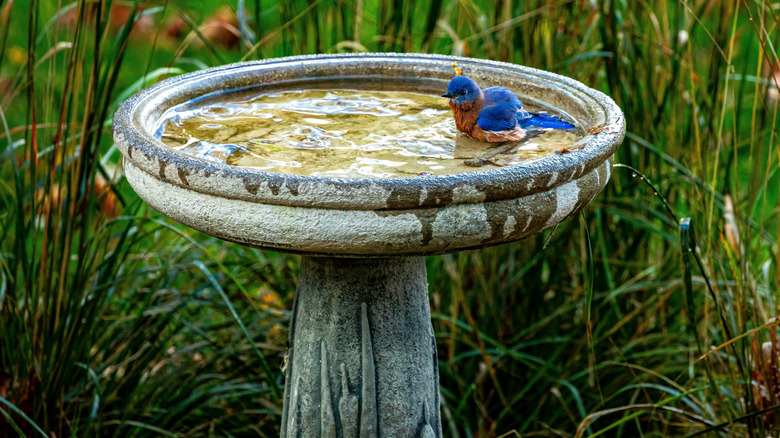
Credit: www.housedigest.com
Drying And Curing
Drying and curing painted surfaces in a bird bath is crucial. Proper drying prevents paint peeling and ensures durability. Curing enhances the paint’s resilience to water and weather.
Painting the inside of a bird bath can enhance its beauty and offer protection, but ensuring the paint lasts requires proper drying and curing. Once you’ve applied your chosen paint, the next crucial steps are allowing it to dry thoroughly and then cure properly. These steps are vital to ensure the paint remains intact and safe for birds.Optimal Drying Conditions
Achieving the perfect drying conditions is key to a successful paint job. Place the bird bath in a well-ventilated area with low humidity to allow the paint to dry evenly and quickly. Avoid direct sunlight, as it can cause the paint to blister or fade before it sets. Consider using a fan to promote air circulation, which can speed up the drying process. If you’re painting indoors, open windows to allow for fresh air flow. Check the paint manufacturer’s instructions for specific temperature and humidity recommendations.Curing Time Before Use
Curing is not just about waiting; it’s about patience ensuring a long-lasting finish. Most paints require a curing period that can range from a few days to a couple of weeks. During this time, the paint will harden and become more resistant to water and wear. Refrain from filling the bird bath with water or exposing it to rain during the curing period. This might feel like a long wait, but remember, the longer you allow the paint to cure, the more durable it will be. Check if your paint has specific curing times listed on the packaging and adhere to those guidelines for the best results. Have you considered how the environment around your bird bath might affect the drying and curing process? Taking these steps seriously ensures not only a beautiful finish but also a safe haven for your feathered friends.Maintenance After Painting
Maintenance after painting a bird bath is key to keeping it beautiful and functional. Painted surfaces need gentle care to avoid damage. Regular upkeep helps the paint last longer and keeps the bird bath safe for wildlife.
Cleaning Painted Surfaces
Use a soft brush or cloth to clean the painted areas. Avoid harsh chemicals or abrasive tools. Mild soap and water work best. Rinse thoroughly and let it dry completely. Clean regularly to prevent dirt buildup and stains.
Touch-up Techniques
Small chips or scratches can be fixed with matching paint. Lightly sand the damaged spot before applying new paint. Use a brush for precise application. Allow touch-ups to dry fully before refilling the bath with water.
Preventing Paint Peeling
Keep the bird bath out of harsh sunlight when possible. Avoid extreme temperature changes, which cause paint to crack. Reapply a sealant every year to protect the paint. Drain water during freezing weather to prevent damage.
Alternative Finishes
Alternative finishes offer creative ways to protect and beautify the inside of a bird bath. They keep the surface safe for birds and help the bath last longer. Choosing the right finish depends on your style and the bath’s material.
Sealing Options
Sealing the inside of a bird bath stops water from soaking into the material. It also prevents cracks and damage from weather. Clear sealers work well because they keep the natural look of the bath. Some sealers are made for outdoor use and resist mold and mildew.
- Use water-based sealers for easy cleanup and safety.
- Apply two thin coats for the best protection.
- Allow each coat to dry completely before adding another.
Sealers help maintain the bird bath without changing its appearance much. They are a smart choice for stone, concrete, or ceramic baths.
Using Natural Coatings
Natural coatings create a safe and eco-friendly finish inside the bird bath. These coatings do not harm birds or the environment. Options include linseed oil and beeswax, which add a gentle shine and protect from water damage.
- Linseed oil soaks into the surface and offers mild waterproofing.
- Beeswax forms a thin, protective layer that repels water.
- Both need reapplication every few months for continued protection.
Natural coatings give a soft, warm look that fits well in gardens. They keep the bird bath safe for wildlife while enhancing its charm.

Credit: www.dukemanorfarm.com
Frequently Asked Questions
Can You Paint The Inside Of A Bird Bath Safely?
Yes, you can paint the inside of a bird bath using non-toxic, waterproof paint. Choose bird-safe, water-resistant paints to avoid harming birds. Proper surface preparation ensures paint adhesion and durability. Avoid toxic chemicals to keep the water safe for birds.
What Type Of Paint Is Best For Bird Baths?
Use non-toxic, waterproof acrylic or epoxy paint designed for outdoor use. These paints resist water and weather damage. They also provide a smooth, durable finish safe for birds. Avoid oil-based or lead-containing paints to prevent toxicity.
How Long Does Painted Bird Bath Last Outdoors?
A well-painted bird bath can last 2 to 5 years outdoors. Durability depends on paint quality, surface prep, and weather exposure. Regular cleaning and touch-ups extend its lifespan. Repaint when you notice peeling or fading.
Should You Seal The Paint Inside A Bird Bath?
Yes, sealing the paint inside a bird bath protects it from water damage. Use a non-toxic, waterproof sealant safe for wildlife. Sealing enhances durability and keeps the surface smooth and safe for birds.
Conclusion
Painting the inside of a bird bath can protect it and make it look nice. Use safe, non-toxic paint to keep birds healthy. Clean the surface well before painting for best results. Let the paint dry completely before adding water.
Regular care helps your bird bath last longer. A fresh coat of paint can also stop cracks and leaks. Keep your bird bath inviting for birds all year. Small efforts bring big benefits to your garden and wildlife.




