
Have you ever noticed bird droppings on the outside of your windows and wondered if they could be more than just an eyesore? You might be surprised to learn that bird feces can carry health risks you didn’t expect.
Ignoring this problem could affect your home’s cleanliness and your family’s well-being. You’ll discover why those stubborn spots matter, what dangers they might bring, and the simple steps you can take to protect yourself and your loved ones. Keep reading to find out how to turn this common nuisance into a manageable issue.

Credit: www.aviaway.com
Health Risks Of Bird Droppings
Bird droppings on windows can carry harmful germs. These germs can affect your health if you touch or breathe near them.
It is important to know the possible health risks from bird feces. This helps you stay safe and clean your windows carefully.
Bacteria And Viruses In Feces
Bird droppings can contain bacteria that cause diseases. Some common bacteria include Salmonella and E. coli. These germs can cause stomach problems and infections.
Viruses can also be present in bird feces. They may spread illnesses if you come into contact with the droppings or contaminated surfaces.
Fungal Infections Linked To Droppings
Bird droppings can hold fungal spores that cause infections. One known fungus is Histoplasma, which can cause lung disease.
People who clean bird droppings without protection risk breathing in these spores. This may lead to serious health problems.
Allergic Reactions And Respiratory Issues
Some people may have allergies to bird droppings. These can cause sneezing, coughing, or itchy eyes.
Breathing dust from dried droppings can also cause asthma or other lung problems. Always protect your nose and mouth when cleaning.
Common Bird Species And Their Droppings
Bird droppings on windows can be a concern for health and cleanliness. Different bird species produce different types of droppings. Knowing which birds are common helps understand the risks.
This guide covers pigeons, sparrows, starlings, and other urban birds. It explains their droppings and possible impacts on health.
Pigeons And Their Impact
Pigeons are common in cities and often leave large droppings on windows. Their droppings can carry germs that might cause health problems. Pigeon droppings are thick and white with dark parts.
- Can spread bacteria like Salmonella
- May carry fungi that cause lung infections
- Droppings are corrosive to buildings
- Can cause allergic reactions in some people
Sparrows And Starlings
Sparrows and starlings are smaller birds with frequent droppings. Their droppings are usually small and watery. They gather in groups and leave many droppings in one area.
| Bird Species | Dropping Size | Health Risks |
| Sparrows | Small | Low to moderate |
| Starlings | Small to medium | Moderate |
Other Urban Birds
Other birds like crows and seagulls can also leave droppings on windows. These droppings vary in size and composition. Some droppings dry quickly, while others stay wet for longer.
- Crows have larger, darker droppings.
- Seagull droppings are often watery and acidic.
- Droppings can attract insects and pests.
How Bird Feces Reach Indoor Spaces
Bird feces can carry harmful bacteria and fungi. These may cause health problems if they enter indoor spaces. Understanding how bird droppings get inside helps reduce risks.
Bird droppings are often found outside windows. They can reach indoors through air, open windows, or dirty surfaces near windows. We explore these ways below.
Airborne Particles And Dust
Dry bird feces can break into tiny particles. Wind and air currents carry these particles like dust. They float in the air and can enter homes through small cracks or vents.
- Bird droppings dry and crumble into dust
- Wind lifts dust into the air
- Air currents carry particles near windows and vents
- Particles enter indoor spaces through small openings
Window Openings And Ventilation
Open windows let fresh air in but also allow bird feces particles inside. Ventilation systems near windows can pull in contaminated air. This spreads the risk indoors.
| Source | How It Enters Indoor Space |
| Open Windows | Direct entry of particles and dust |
| Ventilation Fans | Draw air carrying feces particles inside |
| Window Seals | Cracks allow small particles to pass |
Contaminated Surfaces Near Windows
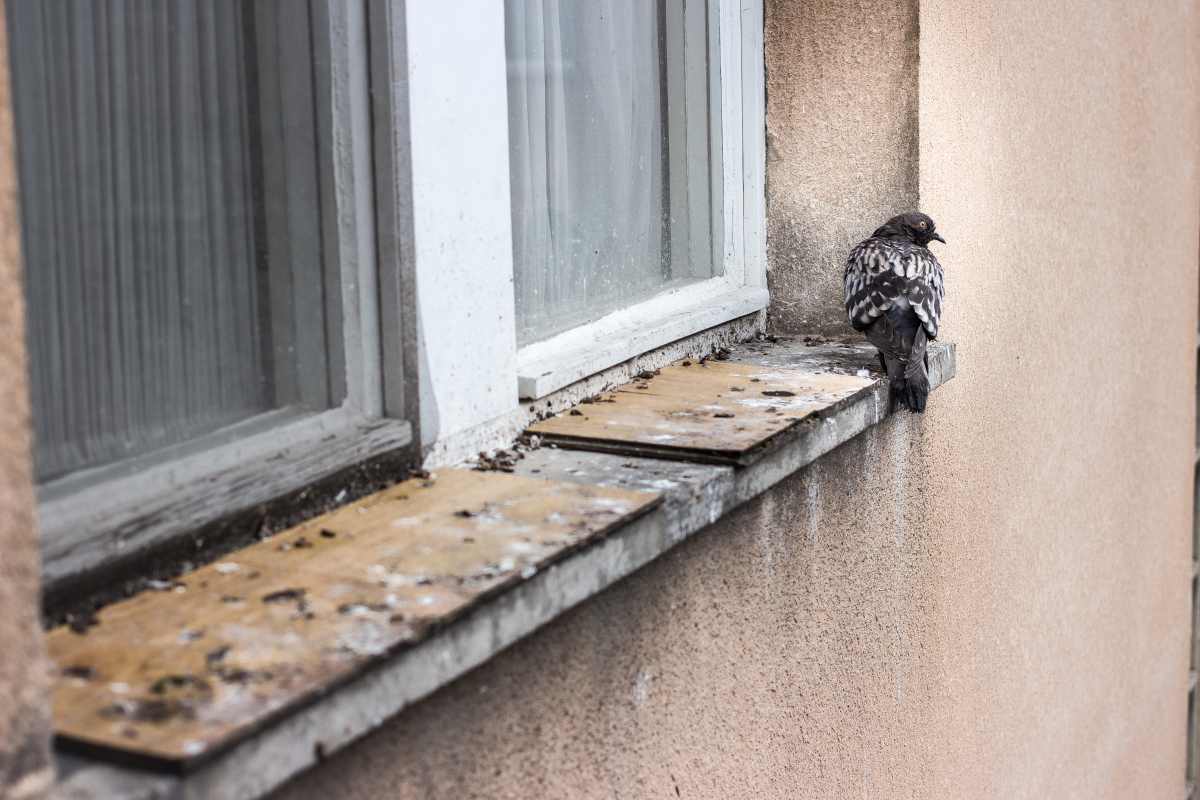
Bird droppings on window sills and nearby surfaces can be touched or disturbed. Cleaning or wind can lift germs into the air. These germs then enter through open windows or vents.
Ways contaminated surfaces spread germs indoors:
- Touching dirty window sills and then touching face or objects
- Wiping surfaces and spreading particles into the air
- Wind blowing loose droppings inside
Credit: www.greenmatters.com
Preventive Measures Against Health Hazards
Bird feces on windows can carry germs and cause health issues. It is important to take steps to prevent these hazards.
Using simple measures can keep your windows clean and reduce risks to your health.
Regular Cleaning Techniques
Cleaning bird droppings often stops germs from spreading. Use gloves and a mask to stay safe.
Use warm water and mild soap to clean the window surface. Avoid harsh chemicals that can damage glass.
- Wear protective gloves and a mask
- Use warm soapy water and a soft cloth
- Clean the area gently to avoid scratches
- Dispose of cleaning materials safely
Protective Barriers And Screens
Barriers stop birds from landing and leaving droppings on windows. Screens can block birds without harming them.
Installing mesh or netting creates a shield. This keeps windows cleaner and reduces health risks.
- Use bird-proof mesh or netting
- Install screens on windows and ledges
- Choose materials that allow light and air
- Check barriers regularly for damage
Bird Deterrent Solutions
Bird deterrents stop birds from gathering near windows. These tools reduce the chance of droppings.
Common deterrents include reflective items, spikes, and sounds that birds dislike.
- Use reflective tape or shiny objects
- Install bird spikes on ledges
- Use ultrasonic sound devices
- Replace deterrents if birds get used to them
Safe Cleaning Practices For Bird Droppings
Bird droppings on windows can carry germs and cause health problems. It is important to clean them safely. Using the right methods protects you from harmful bacteria and fungi.
Follow simple steps to remove bird feces carefully. Protective gear, proper cleaners, and correct disposal help keep you safe.
Protective Gear To Use
Wear protective gear to avoid contact with bird droppings. This lowers the risk of infection and skin irritation.
- Use disposable gloves made of latex or nitrile.
- Wear a face mask to prevent breathing in dust or particles.
- Put on safety goggles to protect your eyes.
- Consider wearing long sleeves and pants to cover your skin.
Effective Cleaning Agents
Choose cleaning agents that kill germs and are safe for windows. Avoid harsh chemicals that damage glass or frames.
| Cleaning Agent | Description | Usage Tips |
| Detergent Solution | Mild soap mixed with water. | Use warm water and scrub gently. |
| White Vinegar | Natural disinfectant. | Dilute with water before applying. |
| Commercial Disinfectants | Products made to kill bacteria and viruses. | Follow label instructions carefully. |
| Bleach Solution | Strong disinfectant. | Use diluted and rinse well after cleaning. |
Disposal Of Contaminated Materials
Dispose of cleaning materials carefully. Contaminated items can spread germs if not handled right.
- Put used gloves and wipes in a sealed plastic bag.
- Throw the sealed bag in an outdoor trash bin.
- Wash your hands with soap and water after disposal.
- Clean any reusable tools with disinfectant before storing.
When To Seek Medical Advice
Bird feces on your window can be more than just a nuisance. Sometimes, it can pose health risks. It’s important to know when to seek medical advice to stay safe.
This guide will help you understand the symptoms to watch for and identify who might be at risk. It also covers when to get a professional health assessment.
Symptoms To Watch For
Exposure to bird feces can cause certain symptoms. If you notice any of these, consult a doctor.
- Coughing or difficulty breathing
- Fever or chills
- Red, itchy eyes
- Skin rash or irritation
At-risk Individuals
Some people are more at risk from exposure to bird feces. These individuals should be extra cautious.
| Group | Reason |
| Children | Weaker immune systems |
| Elderly | Potential existing health issues |
| Pregnant women | Increased vulnerability |
| People with respiratory issues | Higher sensitivity |
Professional Health Assessments
Sometimes, a professional health assessment is necessary. This helps in identifying any underlying health risks.

Credit: www.aviaway.com
Frequently Asked Questions
Are Bird Feces On Windows Harmful To Health?
Yes, bird feces can carry bacteria and fungi that may cause respiratory problems and infections if inhaled or touched.
Can Bird Droppings Damage Window Surfaces?
Yes, bird droppings contain acidic substances that can corrode glass and window frames, leading to stains and surface damage.
How To Safely Clean Bird Feces From Windows?
Wear gloves and use a disinfectant cleaner. Avoid dry scraping to prevent airborne particles and clean thoroughly.
Do Bird Droppings Attract Other Pests?
Yes, bird feces can attract insects like flies and mites, which may increase the risk of disease spread around your home.
Conclusion
Bird feces on windows can carry germs that affect health. It is best to clean the area regularly to stay safe. Avoid touching bird droppings with bare hands. Use gloves and proper cleaning tools. Keep windows closed if birds gather often.
This stops dirt and germs from entering your home. Taking these simple steps helps protect your family’s health. Stay aware and act quickly to keep your space clean. Small efforts make a big difference.




