
Have you ever wondered what to put in your bird feeder to attract the most beautiful and cheerful visitors? Choosing the right food can make all the difference in bringing colorful birds right to your backyard.
Whether you want to see finches, cardinals, or chickadees, knowing what to offer will help you create a lively and happy bird haven. Keep reading, and you’ll discover the best seeds, treats, and tips to fill your feeder and enjoy nature’s show every day.
Choosing The Right Seeds
Choosing the right seeds for your bird feeder is important. It helps attract the birds you want to see. Different birds prefer different seeds. Some seeds offer better nutrition and energy. Using the right seeds keeps birds healthy and happy.
Popular Bird Seeds
- Black oil sunflower seeds: Loved by many birds for their thin shells and high oil content.
- Millet: Small and easy to eat, great for ground-feeding birds like sparrows and doves.
- Nyjer (thistle) seeds: Tiny seeds favored by finches and siskins.
- Safflower seeds: Attract cardinals and grosbeaks, but squirrels tend to avoid them.
- Cracked corn: Good for larger birds like jays and pigeons.
Seeds For Different Bird Species
| Bird Species | Preferred Seeds |
|---|---|
| Finches | Nyjer, small sunflower seeds |
| Cardinals | Safflower, black oil sunflower seeds |
| Sparrows | Millet, cracked corn |
| Woodpeckers | Black oil sunflower, peanuts |
Avoiding Harmful Seeds
- Do not use seeds treated with pesticides or chemicals.
- Avoid spoiled or moldy seeds that can harm birds.
- Skip large seeds hard to eat for small birds.
- Do not feed bread or salty snacks; they are harmful.

Credit: www.allaboutbirds.org
Adding Nuts And Fruits
Adding nuts and fruits to bird feeders brings variety and nutrition. These foods attract different bird species. Nuts offer healthy fats and proteins. Fruits provide natural sugars and vitamins. Both help birds stay strong and active.
Best Nuts For Birds
- Peanuts (unsalted and shelled)
- Almonds (chopped or whole)
- Walnuts (halved or chopped)
- Hazelnuts (cracked or whole)
- Pistachios (unsalted and shelled)
Always choose unsalted and unseasoned nuts. Avoid any nuts with added flavors or salt. Crushed or chopped nuts are easier for small birds to eat.
Safe Fruits To Offer
- Apples (cut into small pieces)
- Blueberries
- Oranges (peeled or sliced)
- Grapes (halved)
- Bananas (sliced)
Remove any seeds or pits from fruit. Offer fresh or slightly soft fruit. Avoid citrus for some bird species but small amounts are usually fine.
Seasonal Fruit Options
- Winter: cranberries, dried figs, and raisins
- Spring: cherries and strawberries
- Summer: peaches, plums, and melons
- Fall: pears, apples, and persimmons
Seasonal fruits provide variety throughout the year. Rotate fruits to keep birds interested. Avoid overripe or moldy fruit to protect bird health.
Incorporating Suet And Mealworms
Adding suet and mealworms to your bird feeder can attract a variety of birds that you might not see otherwise. These foods provide essential nutrients that many common seeds lack. If you want to invite woodpeckers, bluebirds, or wrens to your yard, consider offering these tasty options.
Benefits Of Suet
Suet is a high-energy food made from animal fat, perfect for birds during cold months. It helps birds maintain their body heat and energy levels, especially when natural food sources are scarce.
Besides winter, suet attracts insect-eating birds all year round. Woodpeckers, nuthatches, and chickadees are frequent visitors to suet feeders. Have you noticed more birds gathering around your suet feeder compared to seed feeders?
One tip: use suet cakes mixed with seeds or nuts to increase variety. This combination keeps birds interested and coming back frequently.
Using Live And Dried Mealworms
Mealworms are a favorite protein source for many birds, including robins, bluebirds, and wrens. You can offer them live or dried, depending on what suits your setup and local regulations.
Live mealworms provide fresh nutrition and encourage natural hunting behavior. Birds often prefer live mealworms because they move, mimicking real insects.
Dried mealworms are easier to store and less messy. They still offer valuable protein and attract a wide range of birds, especially during nesting season when parents need extra nutrition for their chicks.
Have you tried switching between live and dried mealworms to see which your local birds prefer? Observing their choices can help you optimize your feeder offerings.
Using Homemade Bird Food Mixes
Using homemade bird food mixes lets you control exactly what goes into your feeders. You can tailor the blend to attract specific bird species or meet their nutritional needs. Plus, it’s often more affordable and fresher than store-bought options.
Diy Seed Blends
Creating your own seed mix is simpler than you might think. Start with a base of black oil sunflower seeds—they’re high in fat and loved by many birds. Then, add millet for smaller birds and cracked corn to attract larger species like jays and doves.
Mixing these seeds in the right proportions can make your feeder a hotspot. A good rule of thumb is 50% black oil sunflower, 25% millet, and 25% cracked corn. Have you noticed which birds visit your feeder most often? Adjust your blend to suit their preferences.
Adding Nutritional Enhancers
Seeds alone don’t always provide a balanced diet. Adding nutritional enhancers can improve bird health and keep them coming back. You might include dried mealworms for protein or crushed nuts for extra energy.
Don’t forget fruits like raisins or chopped apples—they add vitamins and moisture. A sprinkle of ground eggshells can supply calcium, especially important during breeding season. What small change can you make today to boost your bird mix’s nutrition?
Avoiding Toxic Foods
Keeping birds safe means avoiding toxic foods in feeders. Many common human foods can harm birds quickly. Knowing which foods to avoid helps protect their health. Birds have sensitive digestive systems. Harmful foods cause illness or worse.
Common Foods To Skip
- Chocolate – contains theobromine, toxic to birds
- Avocado – can cause heart and breathing problems
- Onions and garlic – irritate bird digestive tracts
- Raw beans – contain harmful toxins
- Salty or sugary snacks – upset bird metabolism
- Alcohol – dangerous and can cause death
- Caffeinated drinks – affect bird heart and nerves
- Fruit pits and seeds from apples, cherries – can be toxic
Symptoms Of Bird Poisoning
Watch for these signs if birds eat harmful food:
| Symptom | Description |
|---|---|
| Vomiting | Birds may throw up soon after eating bad food |
| Diarrhea | Loose droppings signal digestive upset |
| Weakness | Birds look tired and less active |
| Breathing trouble | Labored or rapid breathing indicates distress |
| Seizures | Uncontrolled movements show severe poisoning |
| Death | Sadly, severe cases can be fatal |
Remove toxic foods immediately if symptoms appear. Provide clean water and natural seeds instead. Safe feeding helps birds thrive and visit often.
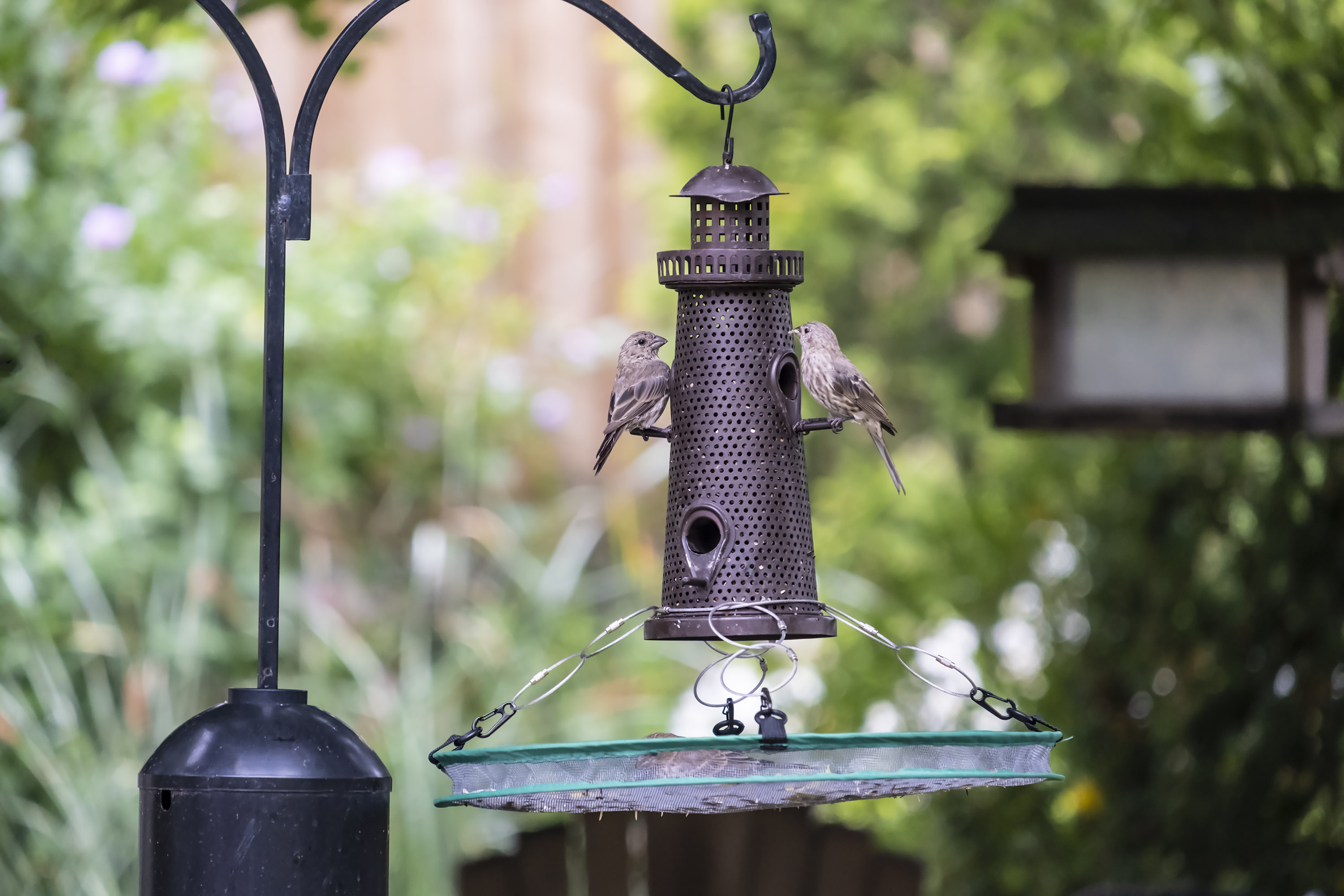
Credit: dengarden.com
Tips For Feeder Placement
Place feeders where birds feel safe and can easily spot food. Use seeds like sunflower, millet, or peanuts to attract different bird species. Keep feeders clean and refill often to ensure fresh food for visiting birds.
Placing a bird feeder requires careful thought. Birds need safety and comfort. Proper placement attracts a variety of birds. It also ensures their safety. Here are some tips for feeder placement.Safe Locations
Choose a spot sheltered from strong winds. Birds need stability while feeding. Place feeders near natural cover like trees or shrubs. This provides quick escape routes. Keep feeders away from predators. Cats and squirrels can harm birds. Position feeders at least 10 feet away from potential threats. Cleanliness matters. Ensure easy access for cleaning and refilling.Attracting Desired Birds
Consider the species you wish to attract. Different birds have different preferences. Use multiple feeders for various seeds. Sunflower seeds attract cardinals and finches. Thistle seeds appeal to goldfinches. Hang feeders at varying heights. Ground-level feeders attract doves. Elevated feeders appeal to sparrows and chickadees. Observe your local bird population. Adjust placement based on bird activity.Maintaining Cleanliness And Freshness
Keeping bird feeders clean prevents mold and harmful bacteria. Fresh seeds attract more birds and keep them healthy. Regularly clearing old food helps maintain a safe feeding spot.
Maintaining bird feeders is essential for healthy birds. Cleanliness and freshness are vital for their well-being. Dirty feeders can harbor bacteria and mold. This can lead to sick birds. Keeping feeders clean ensures birds get fresh food. It also prevents the spread of disease. Regular maintenance of feeders is easy and beneficial.Cleaning Feeders Regularly
Clean feeders at least once a week. Use warm, soapy water. Rinse thoroughly to remove soap residue. Dry completely before refilling. This prevents moisture build-up. Moisture can lead to mold growth. Use a brush to scrub hard-to-reach areas. A clean feeder attracts more birds.Preventing Mold And Spoilage
Mold can ruin bird seed quickly. Check feeders for dampness regularly. Avoid placing feeders in direct rain. Use feeders with drainage holes. These prevent water from accumulating. Store bird seed in a cool, dry place. Keep it in an airtight container. This keeps the seed fresh longer. Replace wet or moldy seed immediately. Fresh seed keeps birds healthy and happy.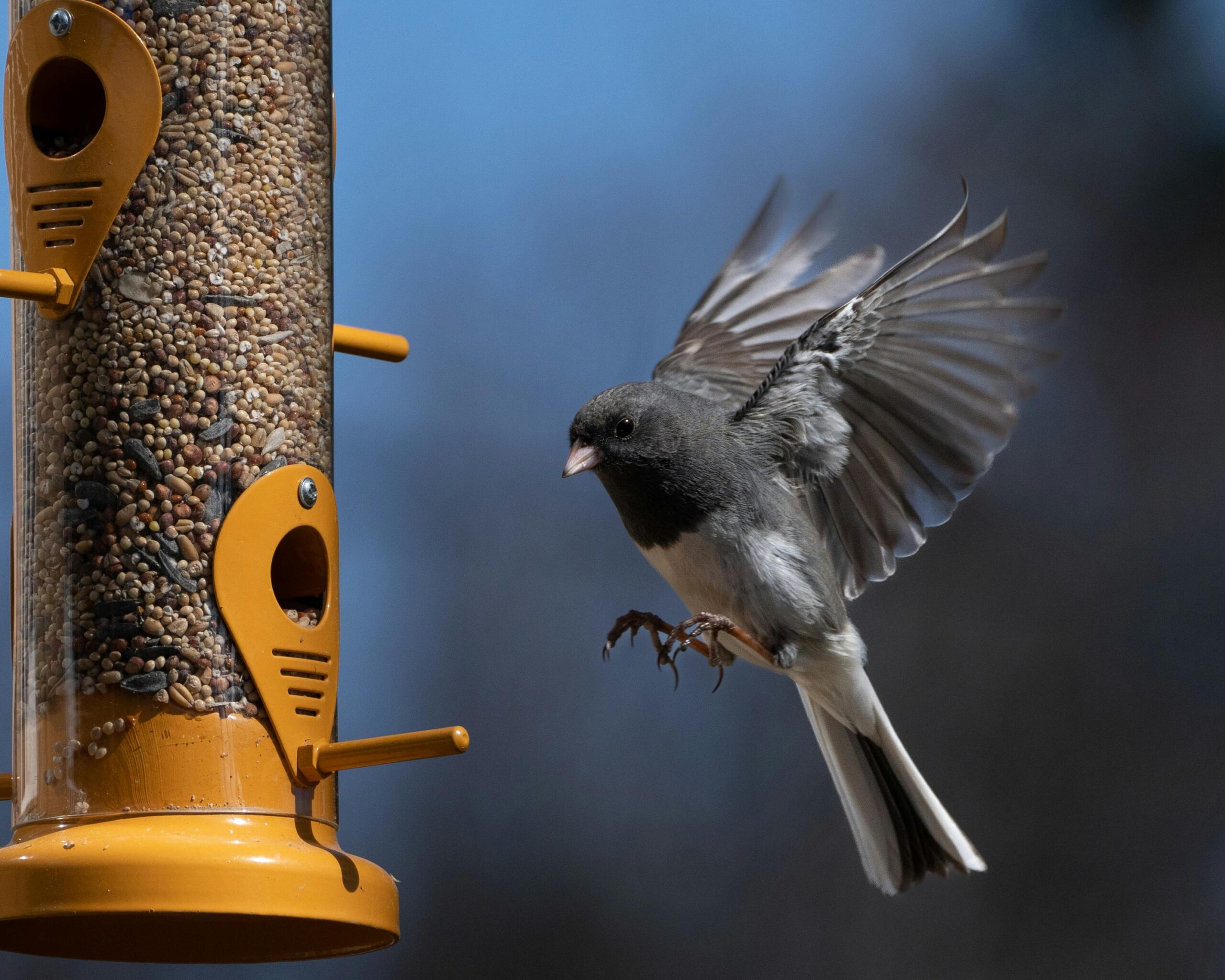
Credit: chirpforbirds.com
Frequently Asked Questions
What Types Of Seeds Attract The Most Birds?
Black oil sunflower seeds attract the most birds. They are rich in oil and easy to crack. Nyjer seeds also attract finches and smaller birds. Offering a mix can cater to various species.
Can I Put Fruit In Bird Feeders?
Yes, many birds love fruit. Offer sliced apples, oranges, and berries. Avoid citrus fruits for some species. Fruit attracts orioles, robins, and waxwings, adding variety to their diet.
Is It Safe To Use Homemade Bird Seed Mixes?
Homemade mixes are safe if seeds are fresh and clean. Avoid moldy or spoiled seeds as they harm birds. Use a blend of sunflower, millet, and cracked corn for diversity.
Should I Avoid Certain Foods In Bird Feeders?
Yes, avoid bread, salty foods, and processed snacks. These can harm birds’ health. Stick to natural seeds, nuts, and fruits for safe feeding.
Conclusion
Feeding birds invites nature right to your window. Seeds like sunflower and millet attract many birds. Offer fresh, clean food to keep birds healthy. Avoid spoiled or moldy seeds to protect them. Change food often to stop insects and mold.
Enjoy watching different birds visit your feeder. Simple choices can make your garden lively and bright. Birds will thank you with songs and color. Keep feeders clean to help birds thrive. Small efforts bring big joy to your outdoor space.




