
Have you ever wondered what colorful birds fill the lush, green world of the tropical rainforest? These vibrant creatures aren’t just beautiful—they play a vital role in keeping the forest alive and thriving.
If you want to discover which birds call this amazing place home, and why they matter to your planet, you’re in the right spot. Keep reading to uncover the secrets of these feathered wonders and see the rainforest in a whole new light.

Credit: www.cnn.com
Bird Diversity In Tropical Rainforests
The tropical rainforest is home to an astonishing variety of birds. This diversity is not just a number—it’s a showcase of unique adaptations and vibrant colors that you won’t find anywhere else. Understanding this variety helps you appreciate the complexity and beauty of these ecosystems.
Habitat Variety Shapes Bird Species
Tropical rainforests offer many layers of habitat, from the forest floor to the canopy. Each layer supports different bird species adapted to its unique conditions. You might spot a toucan high in the canopy or a ground-dwelling antbird scurrying below.
Have you noticed how some birds blend perfectly with their surroundings? This camouflage is a survival tactic shaped by their specific habitat within the forest. It’s a reminder that every spot in the rainforest plays a vital role in bird diversity.
Bright Colors And Unique Behaviors
Many tropical birds display dazzling colors that seem almost unreal. Think of the scarlet macaw’s fiery red or the resplendent quetzal’s emerald feathers. These colors aren’t just for show—they help attract mates and sometimes warn predators.
Bird calls and behaviors are just as fascinating. Some species perform elaborate dances or build intricate nests. Have you ever heard the loud, echoing call of a howler monkey? Birds can be just as vocal, creating a symphony that fills the forest.
Role In The Ecosystem
Birds in tropical rainforests play crucial roles beyond their beauty. They help spread seeds, control insect populations, and even pollinate flowers. Without them, the balance of these forests could collapse.
Think about the fruit-eating hornbills that carry seeds far from the parent tree. Their daily movements shape the forest’s future growth. When you watch birds in the rainforest, you’re witnessing nature’s gardeners at work.
Colorful Parrots And Macaws
Colorful parrots and macaws add a vibrant splash of life to the tropical rainforest. Their bright feathers are not just beautiful; they play a role in communication and camouflage. If you’ve ever watched these birds, you’ll notice their lively personalities and intelligence, making them some of the most fascinating rainforest inhabitants.
Characteristics Of Parrots
Parrots are known for their curved beaks and strong feet, perfect for gripping branches and cracking nuts. They are incredibly intelligent, often able to mimic human speech and solve puzzles. These birds tend to live in social groups, which means you might spot them flying together or chatting loudly in the canopy.
One surprising fact is their ability to use their feet almost like hands, helping them handle food with precision. Their feathers come in a dazzling range of colors, from bright greens to deep reds and blues. This color variety helps them blend into the lush rainforest or stand out during mating displays.
Popular Macaw Species
- Blue-and-yellow Macaw:Known for its striking blue wings and bright yellow chest, this macaw is a common sight in South American rainforests.
- Scarlet Macaw:With its red, yellow, and blue feathers, the scarlet macaw is one of the most recognizable and iconic rainforest birds.
- Green-winged Macaw:This species features a predominantly red body with green and blue on its wings, often found in Central and South America.
Have you ever wondered how these macaws navigate the dense forest? Their loud calls can be heard over long distances, helping them stay connected with their flock. Watching a macaw in flight is unforgettable—they move with grace despite their size, proving strength and beauty can go hand in hand.
Unique Toucans And Their Features
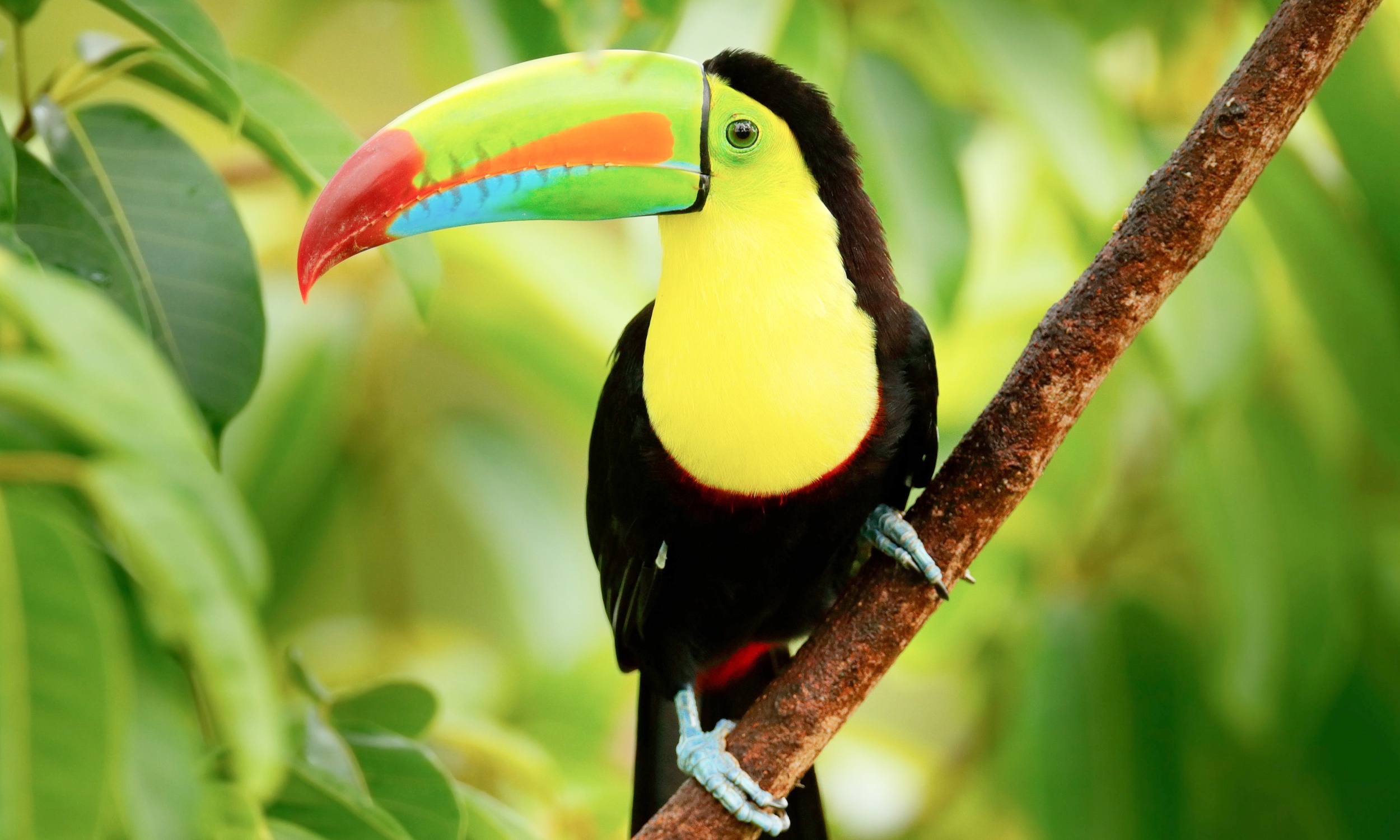
Toucans are one of the most colorful and interesting birds in tropical rainforests. They stand out because of their large, bright bills and lively behavior. These birds add beauty and life to the forest canopy.
Their unique features help toucans survive and play important roles in their habitat. Let’s explore what makes toucans special and how they affect the rainforest ecosystem.
Distinctive Beak Shapes
Toucans have huge, curved beaks that look heavy but are very light. Their beaks are made of keratin, the same material as human nails. The shape and size of the beak vary among toucan species.
The beak helps toucans reach fruits on branches that are hard to get to. It also helps them peel fruits and catch insects. The bright colors of the beak can attract mates or scare away predators.
Toucans’ Role In The Ecosystem
Toucans eat many types of fruit and spread seeds across the forest. This helps new plants grow and keeps the forest healthy. They also eat small animals and insects, helping control their numbers.
Their seed dispersal supports forest diversity. Without toucans, some trees would not grow well. They are key players in keeping the rainforest balanced and full of life.
Elusive Birds Of Paradise
The tropical rainforest is home to some of the most mysterious and captivating birds on Earth—the elusive Birds of Paradise. Known for their extraordinary beauty and secretive behavior, these birds often leave even seasoned bird watchers in awe. Spotting one feels like witnessing a rare treasure, hidden deep within the lush canopy.
Mating Displays And Plumage
Birds of Paradise are famous for their dazzling mating displays. Males use vibrant, colorful feathers to attract females, often showing elaborate dances and poses. These displays can last several minutes and involve intricate movements that highlight their plumage’s unique shapes and colors.
Each species has its own style, from the superb bird’s fan-like tail spread to the Wilson’s bird’s glowing chest shield. You might wonder how these visual spectacles evolved—it’s all about standing out in a dense forest where visibility is limited. The brighter and more unusual the feathers, the better the chance of attracting a mate.
Habitat Preferences
These birds prefer dense, undisturbed forest areas where they can hide from predators and find food easily. They are often found in the middle to upper layers of the rainforest, where sunlight filters through to support their vibrant colors. Some species favor specific microhabitats, such as mossy tree trunks or vine-covered branches.
Your chances of spotting a Bird of Paradise increase if you visit remote forest patches early in the morning. These birds are shy and quick, so patience and quiet observation are key. Have you ever tried to spot a bird that seems almost invisible? It’s a test of your focus and respect for nature’s subtle wonders.
Vibrant Hummingbirds
Vibrant hummingbirds light up the tropical rainforest with their dazzling colors. These tiny birds are known for their brilliant feathers that shimmer in sunlight. They add a splash of color among the dense green trees. Their swift movements and hovering flight make them fascinating to watch.
Feeding Habits
Hummingbirds mainly drink nectar from flowers. Their long beaks fit perfectly into tubular blooms. They hover while feeding, beating their wings rapidly. This helps them stay still in midair. Besides nectar, they eat small insects and spiders. These provide essential proteins and nutrients.
Smallest Birds In The Rainforest
Hummingbirds are among the smallest birds on Earth. Some species measure only 2 to 3 inches long. Their tiny size helps them move quickly and access tiny flowers. Despite their size, they have very fast metabolisms. They must eat often to keep their energy high.
Credit: www.earth.com
Ground-dwelling Birds
Ground-dwelling birds in the tropical rainforest are fascinating creatures. They navigate the dense forest floor with ease. These birds play crucial roles in the ecosystem. Their activities impact seed dispersal and forest regeneration.
Tinamous And Their Behavior
Tinamous are shy birds found in rainforests. They have plump bodies and short wings. These birds prefer walking over flying. Tinamous blend well with the forest floor. Their brown and gray feathers camouflage them. They feed on insects, seeds, and small fruits. Tinamous are known for their haunting calls. These calls echo through the dense rainforest.
Role In Seed Dispersal
Ground-dwelling birds help spread seeds. They eat fruits and excrete seeds elsewhere. This process aids plant diversity. Tinamous contribute significantly to this. They help new plants grow far from the parent tree. This seed dispersal ensures healthy forest regeneration. Birds are vital for maintaining the rainforest’s health and balance.
Birds Of Prey In The Canopy
Birds of prey like hawks and eagles soar through the tropical rainforest canopy. These hunters use sharp eyes and strong talons to catch their prey among the trees. Their presence helps keep the forest ecosystem balanced and healthy.
Birds of prey in the tropical rainforest canopy are some of the most awe-inspiring creatures you’ll ever encounter. These majestic hunters rule the skies, showcasing their incredible agility and power. From the elusive harpy eagle to other remarkable raptors, these birds play a crucial role in maintaining the delicate balance of their ecosystem.Harpy Eagles
The harpy eagle stands as one of the most powerful and largest eagles in the world. With a wingspan reaching up to seven feet, it can swoop down on its prey with unmatched precision. Imagine witnessing this giant bird effortlessly maneuvering through dense foliage in pursuit of monkeys or sloths. Their striking appearance, with a distinctive crest and sharp talons, makes them a captivating sight. Harpy eagles are not just hunters; they are symbols of the rainforest’s untamed wilderness. Observing one in action is a rare privilege that leaves a lasting impression.Other Raptors
The tropical rainforest canopy hosts a variety of other raptors, each with unique hunting strategies. Species like the crested eagle, black-and-white hawk-eagle, and ornate hawk-eagle contribute to the diverse avian community. These raptors often target smaller birds, reptiles, and mammals, showcasing their adaptability. Have you ever wondered how these birds manage to spot their prey from such heights? Their keen eyesight is nothing short of extraordinary. As they glide above the treetops, they use their acute vision to pinpoint even the slightest movement below. Being aware of these remarkable birds of prey enriches your understanding of the rainforest ecosystem. Next time you find yourself beneath the lush canopy, keep an eye on the skies. You might just catch a glimpse of these incredible hunters in action.Birds’ Adaptations To Rainforest Life
Birds in the tropical rainforest have developed unique adaptations that help them survive in this dense and competitive environment. These adaptations affect how they look, communicate, and interact with their surroundings. Understanding these traits gives you a deeper appreciation of their complex lives.
Camouflage And Coloration
Many rainforest birds use camouflage to blend into the lush green environment. Their feathers often mimic the colors of leaves, bark, or flowers to avoid predators. Some species, like the potoo, look almost like tree branches when they stay still.
On the other hand, bright colors serve a different purpose. Birds such as toucans and parrots flaunt vivid hues to attract mates or warn rivals. These colors can also help them identify each other in the thick foliage.
Vocalizations And Communication
Sound travels differently in the crowded rainforest, so birds have adapted their calls to cut through the noise. Some use loud, repetitive calls to stake out territory or find mates. Others have unique songs that carry over long distances.
Have you ever noticed how some birds mimic the calls of others? This clever trick can confuse predators or competitors. Your next walk in a rainforest might reveal a surprising conversation happening just above your head.
Conservation Status And Threats
The tropical rainforest hosts many unique bird species. These birds face serious risks that threaten their survival. Understanding their conservation status helps protect them. Many birds in these forests are endangered or vulnerable. Human activities cause many of these threats. Protecting these birds means protecting their homes and lives.
Habitat Loss
Habitat loss is the biggest threat to rainforest birds. Forests are cut down for farming and cities. This destroys bird homes and food sources. Many birds cannot live outside the rainforest. They lose their nesting sites and shelter. Fragmented forests make it hard for birds to find mates. Without enough habitat, bird populations shrink fast.
Protection Efforts
Efforts to protect rainforest birds focus on saving their habitats. Governments create protected areas and national parks. These areas limit human activities to keep forests safe. Conservation groups work with local communities to stop illegal logging. Programs breed endangered birds to increase their numbers. Education raises awareness about the importance of rainforest birds. These actions help many bird species survive and thrive.

Credit: www.ctvnews.ca
Frequently Asked Questions
What Are Common Birds In Tropical Rainforests?
Common tropical rainforest birds include toucans, parrots, hornbills, and hummingbirds. These birds thrive in dense, humid environments with abundant food sources.
Why Do Tropical Rainforests Have Diverse Bird Species?
Tropical rainforests offer varied habitats and abundant food, supporting high bird diversity. Stable climate and layered forest structure create ideal living conditions.
How Do Birds Adapt To Tropical Rainforest Life?
Birds adapt with bright colors for camouflage, strong beaks for fruit, and loud calls to communicate over dense foliage. Adaptations help survival in complex environments.
What Role Do Birds Play In Tropical Rainforest Ecosystems?
Birds help pollinate plants, disperse seeds, and control insects. They maintain ecological balance and support forest regeneration and biodiversity.
Conclusion
Tropical rainforests host many colorful and unique birds. These birds play a big role in keeping the forest healthy. From toucans to parrots, each bird adds life to the forest. Watching them can teach us about nature’s balance. Protecting these birds helps protect the rainforest too.
Every bird matters in this rich, green world. Exploring their lives brings wonder and respect for nature’s beauty.




