
Have you ever wanted to bring more life and color to your backyard? Building simple bird houses is a fun and rewarding way to attract beautiful birds right outside your window.
Imagine watching tiny feathered friends nest and sing, all because of something you created with your own hands. You don’t need fancy tools or skills to start—just a few basic materials and a little time. In this guide, you’ll discover easy steps to build bird houses that birds will love.
Ready to create a cozy home for your new feathered neighbors? Let’s get started!

Credit: www.youtube.com
Choosing The Right Materials
Choosing the right materials sets the foundation for a bird house that lasts and keeps its tiny residents safe. Your choices affect not only the durability but also how welcoming the house will be to birds. Let’s look closely at the materials that make your bird house both sturdy and bird-friendly.
Selecting Safe Wood Types
Wood is the best choice for building bird houses because it naturally breathes and insulates. Avoid treated or painted wood as chemicals can harm birds. Instead, go for untreated cedar, pine, or redwood. These woods resist rot and won’t release toxins, making them perfect for outdoor use.
I once built a bird house using plywood, thinking it was fine. But it quickly warped and didn’t last through the rain. After switching to cedar, the house stayed strong and birds moved in happily. What kind of wood do you have easy access to in your area?
Gathering Basic Tools
Your tool kit doesn’t need to be fancy but should include essentials for safe and accurate assembly. A handsaw or jigsaw will help you cut wood to size. Grab a hammer, screwdriver, tape measure, and sandpaper for smoothing edges. These basics keep your work neat and your bird house sturdy.
Using sharp, well-maintained tools can make a huge difference. I remember how dull blades made my cuts uneven, which left gaps in the house. Do your tools make the job easier or harder?
Picking Suitable Fasteners
Fasteners hold your bird house together, so choose ones that resist rust and won’t harm the wood. Galvanized nails or stainless steel screws work best outside. Avoid staples or regular nails that may loosen or corrode over time.
It’s tempting to use whatever’s on hand, but rusted fasteners can create sharp edges or weaken the house. Think about how you’ll maintain the bird house—would using screws allow easier repairs? Your choice here impacts both construction and longevity.
Designing Your Bird House
Designing your bird house is the first step to attract feathered friends. A well-designed house offers safety and comfort. Think about the birds you want to invite. Each species prefers different sizes and shapes. Good design also helps protect birds from weather and predators. Planning carefully ensures your bird house lasts long and stays appealing.
Deciding On Size And Shape
Size matters for bird houses. Too big or too small, birds may avoid it. Choose a size that fits the bird species. Small birds like wrens need cozy spaces. Larger birds like bluebirds need more room. The shape should be simple and sturdy. A box shape with a sloped roof works well. Avoid sharp corners or complex designs. These can trap water or confuse birds.
Planning Entrance Hole Dimensions
The entrance hole size controls which birds can enter. Different birds need different hole sizes. Small holes keep bigger birds and predators out. Here are common hole sizes for popular birds:
| Bird Species | Hole Diameter |
|---|---|
| Chickadee | 1 1/8 inches (2.9 cm) |
| Wrens | 1 inch (2.5 cm) |
| Bluebirds | 1 1/2 inches (3.8 cm) |
| Tree Swallows | 1 1/4 inches (3.2 cm) |
Place the hole near the top for safety. Avoid big openings that expose nests.
Adding Ventilation And Drainage
Ventilation keeps the bird house cool in summer. Small holes near the roof help air flow. Drainage holes at the bottom stop water build-up. Both features prevent mold and sickness. Use a drill or small nails to make holes. Make sure holes are not too big to let predators in.
Cutting And Assembling Parts
Cutting and assembling the parts is where your birdhouse starts to take shape. Accuracy during this phase ensures your birdhouse is sturdy and inviting to feathered friends. A few careful steps here can make the difference between a wobbly shelter and a safe, durable home.
Measuring And Marking Wood
Accurate measurements are crucial. Use a tape measure and a pencil to mark every cut line clearly on your wood panels.
Double-check your numbers before cutting. Have you ever cut a piece too short? It’s frustrating and wastes material. Taking a moment to measure twice saves headaches later.
Marking with a square can help you get perfectly straight lines, especially for corners. This attention to detail will pay off in the assembly phase.
Cutting Panels Accurately
Choose the right saw for your cuts—a handsaw works well for small projects, but a jigsaw or circular saw speeds up the process. Hold your wood firmly or use clamps to avoid slips.
Cut slowly and follow your marks precisely. A clean cut means the pieces will fit better together. If your edges are rough, a light sanding will smooth them out and improve the fit.
Have you noticed how a slight uneven cut can cause gaps? Those gaps let rain in, which birds definitely don’t want. Precision here means a cozier home for your visitors.
Joining Pieces Securely
Use wood glue in addition to nails or screws for a stronger bond. Apply glue along the edges before fastening to hold pieces firmly in place.
Pre-drilling holes can prevent wood from splitting when you add screws. This step might feel like extra work, but it protects your birdhouse’s integrity.
Check the angles as you join each part. Keeping everything square ensures your birdhouse will sit flat and stable. What’s your plan for making sure the roof fits snugly? A tight fit keeps rain out and birds comfortable.
Finishing Touches
Finishing touches make your birdhouse safe and attractive. These final steps protect the wood and prepare it for outdoor use. Careful attention here helps birds feel comfortable and secure.
Sanding Rough Edges
Use fine-grit sandpaper to smooth all rough surfaces. Focus on edges and corners to avoid splinters. Smooth surfaces prevent injury to birds and make painting easier. Take your time for a clean finish.
Applying Non-toxic Paint Or Sealant
Choose water-based, non-toxic paint or sealant safe for wildlife. Paint adds color and shields wood from rain and sun. Sealant helps prevent cracking and warping. Apply thin, even coats and let each dry fully. Avoid painting inside the birdhouse to keep air fresh.
Installing Mounting Hardware
Select sturdy hooks or brackets to hang or mount the birdhouse. Attach hardware securely to keep the birdhouse stable. Consider the location and height for safety from predators. Make sure the birdhouse is level to protect the nest inside.
Placing Your Bird House
Placing your bird house correctly is key to inviting birds to your yard. The right spot helps birds feel safe and comfortable. It also increases the chances they will use the house for nesting. Pay attention to location, height, and safety from predators.
Choosing The Best Location
Pick a quiet spot away from busy areas. Birds prefer places with some shade to avoid harsh sun. Near trees or bushes is ideal because birds find food and shelter there. Avoid places too close to feeders or bird baths to reduce competition.
Mounting At Proper Height
Mount the bird house at a height between 5 and 10 feet. This height keeps birds safe from most ground threats. Use a sturdy pole or tree to support the house firmly. Make sure the entrance faces away from strong winds and rain.
Ensuring Safety From Predators
Protect birds by keeping the house away from predators. Use predator guards on poles or trees to block snakes and raccoons. Avoid placing the house near branches that predators can jump from. Clear the area under the house to limit hiding spots for enemies.

Credit: www.harrowsmithmag.com
Maintaining The Bird House
Building simple bird houses involves using basic materials like wood and nails. Maintain the bird house by regularly cleaning it and checking for damage. Ensure it’s placed securely to protect birds from predators and harsh weather.
Maintaining your bird house ensures it remains a welcoming sanctuary for your feathered friends. Regular upkeep not only extends the life of the bird house but also promotes a healthy environment for the birds. Let’s explore how to keep your bird house in tip-top shape.Regular Cleaning Tips
Cleaning your bird house is crucial to prevent the buildup of parasites and bacteria. Use a mild soap and warm water solution to scrub the interior and exterior. Rinse thoroughly and let it dry completely before reassembling. During cleaning, consider using a small brush to reach corners and crevices. Regular cleaning, ideally at least twice a year, can make a significant difference. Have you ever noticed how a clean home feels more inviting? Birds feel the same way!Inspecting For Damage
Check your bird house regularly for signs of wear and tear. Look for cracks, loose parts, or any damage caused by weather or predators. Repair any issues promptly to ensure the safety and comfort of your avian guests. Use non-toxic sealants to fix cracks and replace any broken components. Regular inspections not only protect the birds but also preserve your handiwork. What parts of your bird house do you think need the most frequent attention?Preparing For New Occupants
Before new birds move in, make sure the bird house is ready to welcome them. After cleaning and inspecting, add fresh nesting materials like dried grass or pine needles. This simple addition can make a big difference in attracting new residents. Consider adjusting the entrance hole size if different bird species are expected. A little preparation can attract a diverse range of birds to your garden. Are you ready to meet some new feathered friends? Ensuring your bird house is well-maintained not only benefits the birds but also provides you with endless opportunities to enjoy watching them thrive. Happy bird watching!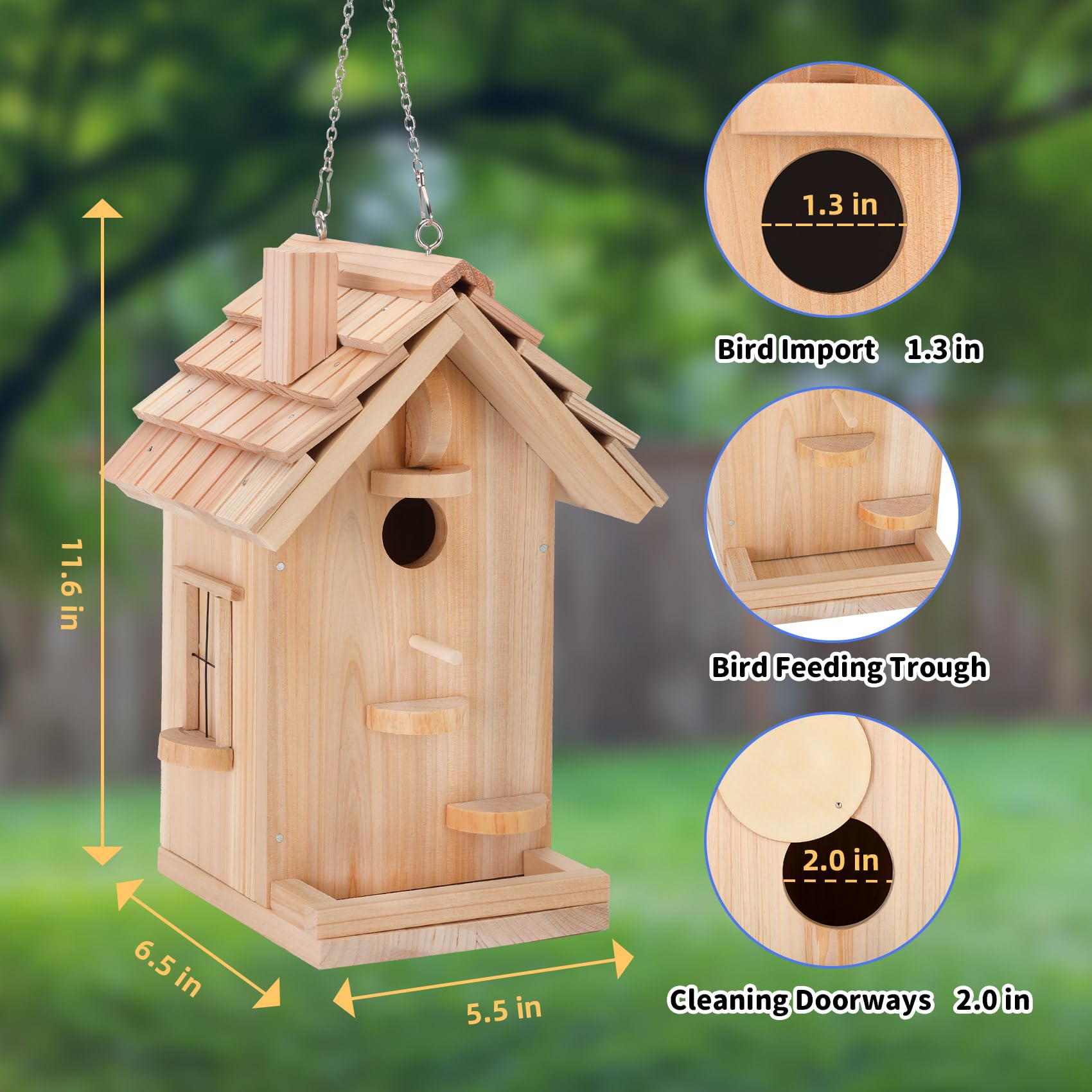
Credit: www.amazon.com
Frequently Asked Questions
What Materials Are Best For Building Simple Bird Houses?
Wood is the best material for bird houses. It is natural, durable, and breathable. Avoid metal and plastic as they can overheat and harm birds. Use untreated, rot-resistant wood like cedar or pine for a safe environment.
How Do I Choose The Right Size For A Bird House?
Choose the size based on the bird species you want to attract. Small birds need smaller houses, while larger birds need bigger ones. A typical bird house is about 6×6 inches with a 1. 25-inch entrance hole for small songbirds.
Where Should I Place A Simple Bird House?
Place the bird house in a quiet, sheltered area away from predators. Mount it 5-10 feet high on a tree or pole. Ensure it faces away from prevailing winds and receives morning sun for warmth.
How Can I Keep Bird Houses Clean And Safe?
Clean bird houses after each nesting season. Remove old nesting materials and scrub with a mild bleach solution. This prevents parasites and disease. Regular maintenance keeps birds healthy and encourages yearly use.
Conclusion
Building simple bird houses brings joy and helps nature thrive. Use basic materials and easy steps to create a safe home. Watching birds visit your house feels rewarding and fun. Keep your bird house clean and place it in a quiet spot.
Small efforts make a big difference for local wildlife. Start your project today and enjoy the peaceful sounds of birds. Simple bird houses create happy spaces for birds and people alike.




