
Are you tired of starlings taking over your bird feeders and scaring away the smaller, more colorful birds you want to attract? You’re not alone.
These noisy, aggressive birds can quickly turn your peaceful backyard into their personal buffet, leaving you frustrated. But what if you could keep starlings away without harming them or ruining your feeder setup? You’ll discover simple, effective ways to protect your feeders and enjoy the beautiful birds you actually want to see.
Keep reading to find out how to reclaim your backyard bird haven today.
Credit: www.popsci.com
Why Starlings Visit Feeders
Starlings often visit bird feeders for several clear reasons. They find food sources easy and abundant. Their social nature makes feeders a common gathering spot. Understanding why starlings come helps prevent unwanted visits. This knowledge guides better feeder setups and food choices.
Attractive Food Choices
Starlings prefer seeds like millet, cracked corn, and sunflower seeds. They also eat suet and bread crumbs. These foods are easy to eat and provide energy. Offering these can unintentionally attract starlings in large numbers.
Feeder Design Flaws
Open and platform feeders allow starlings easy access. Wide perches give them room to stand and feed. Feeders without barriers or weight-sensitive mechanisms invite starlings freely. Designs that suit small birds often fail to deter starlings.
Feeding Patterns
Starlings feed in groups, often visiting feeders in flocks. They come at the same times each day, especially early morning and late afternoon. Regular feeding schedules teach starlings when to visit. This habit makes it hard to keep them away without changes.
Choosing Starling-resistant Feeders
Choosing the right feeder is key to keeping starlings away from your bird feeders. These birds are aggressive and often outcompete smaller species for food. By selecting feeders designed to limit starling access, you can protect your favorite backyard visitors and enjoy a more peaceful birdwatching experience.
Tube Feeders With Small Ports
Tube feeders with small feeding ports are ideal for excluding starlings. Their large beaks make it hard to reach the seeds through narrow openings. You’ll notice that smaller birds like finches and chickadees can feed easily while starlings struggle or give up entirely.
Look for feeders with ports about ¼ inch in diameter. This size is perfect for tiny songbirds but too small for starlings. It’s a simple tweak that can make a big difference in who visits your feeder.
Caged Feeders
Caged feeders add a physical barrier around the feeding ports. The cage holes are just big enough for small birds to enter but too tight for starlings. This design often deters not only starlings but also squirrels and larger nuisance birds.
Installing a caged feeder can be a game changer. I once switched to one after starlings dominated my platform feeder, and the difference was immediate. Smaller birds returned, and the starlings stayed away.
Weight-sensitive Feeders
Weight-sensitive feeders use a clever mechanism that closes access under heavier birds. Starlings are heavier than many backyard birds, so when they land, the feeder shuts down. This prevents them from eating while allowing lighter birds to feed freely.
These feeders require some initial investment but work well if starlings are a persistent problem. Have you tried any feeders that react to bird weight? They might be the solution you’re looking for.
Selecting Bird Food To Deter Starlings
Choosing the right bird food plays a big role in keeping starlings away. Starlings prefer certain seeds and foods that attract them in large groups. By selecting foods that they avoid, you can encourage other birds to visit your feeder instead. This helps maintain a peaceful and balanced birdwatching experience.
Seeds Starlings Avoid
Starlings dislike small, oily seeds. These seeds are less attractive to them but loved by many songbirds:
- Nyjer (thistle) seed
- Millet
- Sunflower chips (hulled sunflower seeds)
- Safflower seeds
Offering these seeds reduces starling visits while supporting smaller birds.
Using Mixed Seeds Wisely
Mixed seed blends often attract starlings. They pick out their favorite seeds and leave the rest. To avoid this, choose blends without millet or cracked corn. These are starling favorites. Use mixes heavy in safflower and sunflower chips. This encourages diverse birds and discourages starlings.
Avoiding High-sugar Foods
High-sugar foods attract starlings in large numbers. Avoid foods like suet with fruit or sweetened seed mixes. Instead, offer plain suet or nut-based options. This lowers starling interest and keeps your feeder welcoming to other species.

Credit: www.birdwatchingdaily.com
Physical Barriers And Deterrents
Physical barriers and deterrents offer effective ways to keep starlings away from bird feeders. These methods create obstacles or discomfort that discourage starlings without harming them. They help protect your feeders and allow smaller birds to feed peacefully. Simple tools and materials often work well to block or frighten starlings.
Installing Baffles And Spinners
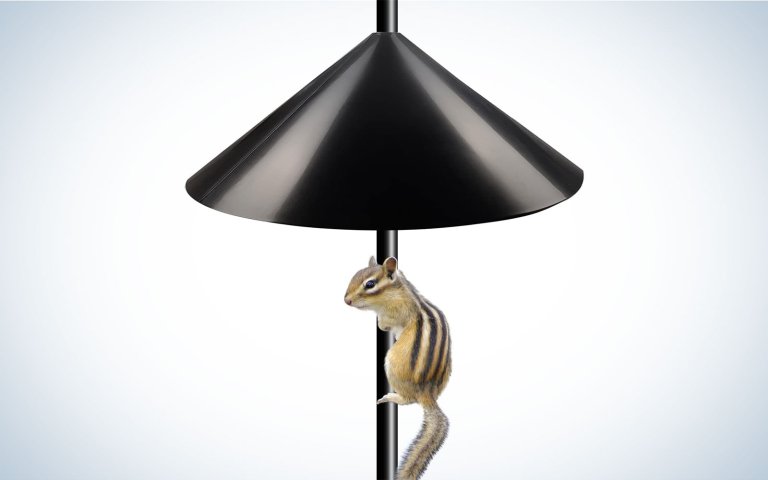
Baffles are dome-shaped or cone-shaped shields that block starlings from reaching feeders. Place baffles above or below feeders to stop starlings from landing. Spinners are devices that rotate with the wind. Their movement scares starlings and keeps them away. Both baffles and spinners are easy to install and maintain. They work best when combined with other deterrents.
Using Reflective Objects
Reflective objects create flashes of light that frighten starlings. Hang shiny CDs, aluminum foil strips, or mirrors near feeders. The reflections move in the sunlight and confuse the birds. Reflective tape and old keys also work well. Change the position of these objects often. Starlings may get used to them if they stay in one place too long.
Netting And Mesh Covers
Netting and mesh covers physically block starlings from reaching seeds. Use fine mesh around feeders to allow small birds in but keep starlings out. Cover large feeding areas with bird netting to protect seeds on the ground. Make sure the mesh size is small enough to stop starlings but not harm other wildlife. Check netting regularly for damage or holes.
Behavioral Techniques To Discourage Starlings
Behavioral techniques can help keep starlings away from your bird feeders. These methods focus on changing the environment and the birds’ habits. By making simple adjustments, you can encourage starlings to visit other areas. These techniques work without harming the birds.
Altering Feeding Times
Starlings prefer feeding during certain times of the day. Offering food at different times can reduce their visits. Try putting out food early in the morning or late in the afternoon. This can attract smaller birds that feed at different times. Changing feeding times can disrupt starling routines and lower their presence.
Creating Distractions
Providing alternative food sources away from your main feeder can help. Place a separate feeder with food starlings like in another spot. This draws their attention away from your preferred feeding area. You can also plant shrubs or trees that offer natural food. These distractions give starlings other options and reduce their visits to feeders.
Noise And Movement Deterrents
Starlings dislike sudden noises and quick movements. Using wind chimes or hanging shiny objects near feeders can scare them off. Moving garden decorations or flags create motion that starlings avoid. Playing gentle sounds can also discourage starlings without bothering other birds. These deterrents keep starlings away by making the area less inviting.
Maintaining Your Feeding Area
Keep your feeding area clean by removing spilled seeds regularly to avoid attracting starlings. Use feeders designed to limit access for larger birds and place them in open spaces to reduce hiding spots.
Maintaining your feeding area is crucial in keeping starlings away from your bird feeders. These clever birds are not only attracted to the food but also to the environment you create. By paying attention to the cleanliness and setup of your feeding area, you can make it less appealing to starlings and more inviting for your desired feathered guests.Regular Cleaning
Regular cleaning of your bird feeders is essential. Accumulated dirt and leftover seeds can attract starlings and other unwelcome visitors. Ensure you wash your feeders with warm, soapy water at least once a week. Clean feeders not only deter starlings but also help prevent the spread of diseases among birds. Consider using a brush to reach every nook and cranny. Have you ever noticed how the birds seem to flock back immediately after a thorough cleaning?Removing Spilled Seeds
Spilled seeds on the ground can be a magnet for starlings. Ensure you regularly clear the area beneath your feeders. You might find a small rake handy for this task. By removing spilled seeds, you discourage starlings from foraging on the ground. Plus, it keeps the area tidy and inviting for more selective species. Have you considered placing a tray under the feeder to catch falling seeds?Managing Nearby Vegetation
Managing the vegetation around your feeding area can make a significant difference. Dense shrubs and trees might provide starlings with convenient perches and cover. Trim back overgrown plants to reduce these hiding spots. Open spaces can make starlings feel exposed and less likely to linger. This might also encourage more shy birds to visit your feeders. What changes can you make in your garden to create a more open and welcoming environment for your preferred birds?Legal And Ethical Considerations
Keeping starlings away from your bird feeders can be challenging. It’s important to consider legal and ethical aspects. You must ensure your methods do not harm the birds or violate local laws. Understanding these considerations helps protect both wildlife and your feeding practices.
Local Wildlife Regulations
Check local wildlife regulations before taking any action. Many regions have laws protecting birds, including starlings. Violating these laws can lead to fines or penalties. Ensure you are compliant with all legal requirements. This might involve consulting with wildlife agencies or experts.
Humane Deterrent Methods
Opt for humane methods to deter starlings. These methods prevent harm to the birds. Consider using feeders designed for smaller birds. This way, starlings cannot access the food. Another method is providing alternative food sources for starlings. This can redirect them away from your main feeders.
Visual and auditory deterrents also work well. Hang shiny objects or install noise-making devices. These can scare starlings without harming them. Always aim for solutions that respect bird life.

Credit: www.yahoo.com
Frequently Asked Questions
How Can I Prevent Starlings From Eating Birdseed?
Use feeders designed for smaller birds and offer seeds starlings dislike, like safflower or nyjer. Avoid mixed seed blends that attract starlings. Place feeders in open, visible areas to discourage starling gatherings.
What Bird Feeder Types Keep Starlings Away?
Tube feeders with small perches and weight-sensitive feeders close when heavy birds land. Hopper feeders with small openings also limit starling access. These designs favor smaller birds and reduce starling visits effectively.
Which Seeds Do Starlings Avoid The Most?
Starlings typically avoid safflower, nyjer, and thistle seeds. These seeds attract finches and smaller birds instead. Avoid sunflower and cracked corn, which starlings find highly appealing.
Can Noise Deter Starlings From Feeders?
Yes, sudden loud noises or reflective objects can scare starlings temporarily. Use wind chimes, shiny tape, or motion-activated devices near feeders to discourage repeated starling visits.
Conclusion
Keeping starlings away helps protect your bird feeders. Use simple tricks like changing seed types and feeder styles. Place feeders in open spots where starlings feel unsafe. Regular cleaning also keeps unwanted birds away. Watch your feeders often and adjust methods as needed.
Enjoy watching your favorite birds visit peacefully. Small steps make a big difference in your garden. Stay patient; results take time but are worth it. Your bird feeder can be a safe place for all birds.




