
Have you ever wondered how your car can show a complete, bird’s eye view of its surroundings on the screen? This feature feels like magic, giving you a clear picture of what’s all around your vehicle without moving your head.
Understanding how cars get this amazing view can help you appreciate the technology behind it—and even use it better. You’ll discover exactly how bird’s eye view cameras work and why they’re becoming essential for safer, easier driving. Keep reading—you’ll be surprised at how this clever system keeps you in control.
Birds Eye View Camera Basics
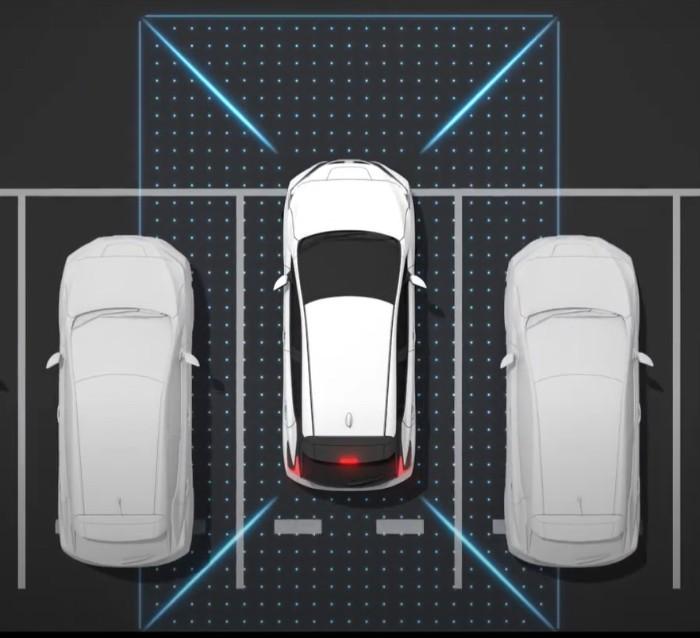
The bird’s eye view camera gives drivers a clear view from above. This system helps to see the car’s surroundings in real time. It creates a complete picture by stitching images from multiple cameras around the car. This technology improves safety and ease in driving and parking.
Purpose And Benefits
The main goal of the bird’s eye view camera is to reduce blind spots. It helps drivers avoid accidents with obstacles and pedestrians. Parking becomes easier with a clear overhead view. Drivers can maneuver in tight spaces with more confidence. This system also lowers the chance of minor collisions. It saves time and reduces stress in busy areas.
Common Uses In Vehicles
Many modern cars include bird’s eye view cameras as a standard or optional feature. SUVs and luxury cars often use this system for better parking aid. Delivery and commercial vehicles use it to improve safety in crowded places. Some cars combine it with sensors and alarms for extra help. It is popular in crowded cities where parking space is limited.

Credit: www.teslaownersonline.com
Key Components
The bird’s eye view camera system in cars relies on several key components. These parts work together to give drivers a clear, all-around view. The system combines cameras, sensors, and software to create a seamless image. Understanding these components helps to see how the system functions effectively.
Cameras And Sensors
Multiple cameras are placed around the car. Usually, one is at the front, one at the back, and one on each side mirror. These cameras capture wide-angle views. Sensors help detect obstacles and measure distances. They provide extra data for safety and accuracy.
Image Processing Unit
This unit collects images from all cameras. It stitches these images to form a single, top-down view. The processing unit corrects angles and removes distortions. It also adjusts lighting and color to improve visibility. Fast processing ensures real-time display without lag.
Display Systems
The processed image appears on the car’s dashboard screen. Drivers see a clear, 360-degree view around the vehicle. Some systems allow zoom or angle changes. The display helps in parking and tight maneuvers. It improves driver confidence and safety.
How The System Works
Bird’s eye view cameras give drivers a clear, top-down image of their car’s surroundings. This system uses multiple cameras placed around the vehicle. Each camera captures a different angle. The system then combines these views into one wide image. This helps drivers park and maneuver safely. The process happens quickly and smoothly.
Capturing Surrounding Views
Cameras are installed on the front, rear, and sides of the car. Each camera has a wide-angle lens. This lens captures more area than a regular camera. The cameras take pictures of everything near the vehicle. This includes obstacles, curbs, and other cars. These images form the raw data for the system.
Stitching Images Together
The system uses software to merge images from each camera. It aligns edges and removes overlaps. This creates one seamless, bird’s eye view image. The software corrects any distortions caused by wide-angle lenses. The result is a clear and accurate top-down picture. This helps the driver see the whole area around the car.
Real-time Processing
All image capturing and stitching happen in real-time. The system uses a powerful computer inside the vehicle. It processes images very fast. The final bird’s eye view updates instantly as the car moves. This allows drivers to react quickly to changing surroundings. The live view improves safety and makes parking easier.

Credit: www.amazon.com
Technologies Behind The Scenes
The bird’s eye view camera system in cars feels like magic when you see it in action. But behind that seamless 360-degree view lies a combination of smart technology and precise engineering. Understanding these technologies can help you appreciate how your car turns multiple camera feeds into a single, clear image that shows everything around you.
Wide-angle Lenses
Wide-angle lenses are the eyes of the bird’s eye view system. These lenses capture a broad field of vision, often up to 180 degrees or more, allowing cameras to see around corners and cover blind spots.
Without these lenses, you’d only get a narrow, tunnel-like image. They are designed to minimize distortion so the image looks natural and useful, rather than warped or stretched.
Have you noticed how these lenses let you spot obstacles that would otherwise be hidden? That’s their power at work.
Calibration And Alignment
Just placing cameras around a car doesn’t guarantee a perfect bird’s eye view. The system needs careful calibration to stitch images together correctly.
Technicians use calibration targets and software tools to align the cameras. This process ensures that the images from each camera overlap perfectly without gaps or mismatches.
Imagine trying to assemble a puzzle with pieces that don’t fit; that’s what happens if calibration is off. Proper alignment makes the combined image seamless and reliable.
Software Algorithms
Software algorithms are the brains behind the bird’s eye view. They take the images from all cameras and blend them into one comprehensive view.
These algorithms correct distortions, adjust colors, and remove overlapping areas so you see a clean, unified picture. They also update the image in real-time as you move, so the view stays accurate.
Without these smart algorithms, the system wouldn’t be able to provide such a smooth and continuous perspective. Have you ever wondered how your car manages to show you a clear top-down view while you’re turning? That’s the software working behind the scenes.
Integration With Other Systems
The bird’s eye view camera in cars doesn’t work alone; it teams up with various systems to enhance your driving experience. This integration turns a simple camera feed into a powerful tool that helps you park, avoid collisions, and even supports self-driving features. Understanding how these connections work can change the way you see your car’s technology.
Parking Assistance
One of the most common uses of the bird’s eye view camera is in parking assistance. The camera provides a clear, 360-degree view around your car, which works with sensors to detect obstacles. This combination helps you maneuver into tight spots with confidence and precision.
Some cars even display guidelines on the screen, showing the path your vehicle will take as you turn the wheel. This visual aid minimizes guesswork and reduces the risk of scratches or dents. Have you ever struggled to park in a busy lot? This system can turn that stress into smooth control.
Collision Avoidance
The bird’s eye view camera also plays a crucial role in collision avoidance systems. By providing a comprehensive view, it allows the car’s computer to spot potential hazards early. This information is shared with braking and steering systems to help prevent accidents.
Imagine driving through a crowded area where pedestrians or cyclists might suddenly appear. Your car uses the camera feed alongside radar and ultrasonic sensors to alert you or even take action if you don’t respond quickly. It’s like having an extra set of eyes watching out for dangers you might miss.
Autonomous Driving Support
For cars equipped with autonomous driving features, the bird’s eye view camera is essential. It feeds real-time data to the vehicle’s central computer, helping it understand the environment in all directions. This comprehensive awareness supports safe and smooth automated driving.
Self-driving cars rely on this system to navigate complex traffic situations, change lanes, and park themselves. The integration of the camera with GPS, radar, and other sensors creates a full picture that guides the vehicle’s decisions. If you wonder how a car “sees” the road without a driver, this is a big part of the answer.
Challenges And Limitations
Bird’s eye view cameras in cars offer a futuristic glimpse of your surroundings, making parking and maneuvering in tight spaces a breeze. However, like any technology, they come with their own set of challenges and limitations. Understanding these can help you make an informed decision about whether this feature is right for you.
Environmental Factors
Weather conditions can significantly affect the performance of bird’s eye view cameras. Heavy rain or snow might obscure the camera lens, leading to a distorted or unclear image. Have you ever tried to rely on a blurry screen while reversing in a downpour?
Dust, mud, and debris can also accumulate on the cameras, requiring regular cleaning. Consider how often you might find yourself having to wipe off the lens during a dusty road trip or after a visit to the countryside.
Hardware Constraints
The cameras used in these systems are typically small and strategically placed around the vehicle. However, their limited resolution can sometimes result in less-than-crisp imagery. If high-definition clarity is a priority, you might find the quality wanting.
Moreover, their placement is crucial. A minor misalignment can lead to inaccurate stitching of images, affecting the overall view. Imagine the frustration of seeing a distorted view when you are trying to park in a tight spot.
Cost Considerations
Bird’s eye view camera systems are often found in higher-end models and can significantly increase the vehicle’s price. Have you weighed the additional cost against the convenience it offers?
Maintenance and repair of these systems can also be costly. A damaged camera or a software glitch might not only be a nuisance but also a hit to your wallet. Are you prepared for potential maintenance expenses?
These challenges and limitations can affect how beneficial the bird’s eye view feature is for you. Weigh them carefully to ensure it aligns with your driving habits and needs.
Future Developments
As technology advances, the future of bird’s eye view cameras in cars looks promising. Innovations aim to enhance the driving experience and safety features. Let’s explore how these developments are shaping up.
Enhanced Image Quality
Future bird’s eye view cameras will offer better image clarity. This means sharper images and more detailed surroundings. Improved sensors will capture clearer visuals even in low light. Drivers will have a more reliable view of their environment.
Ai And Machine Learning
AI will play a crucial role in future camera systems. These technologies will help interpret camera data more accurately. Machine learning algorithms will identify objects like pedestrians and vehicles. This will enhance safety and decision-making for drivers.
Expanded Use Cases
Bird’s eye view cameras will find new applications beyond parking. They will assist in complex driving scenarios, such as navigating tight spaces. Future developments will integrate these cameras with other car systems. This integration will offer a more holistic view, improving overall driving safety.
Credit: www.uk-car-discount.co.uk
Frequently Asked Questions
How Do Cars Create A Bird’s Eye View Camera Image?
Cars use multiple cameras around the vehicle. These cameras capture images from different angles. Software stitches these images into one top-down view. This helps drivers see surroundings clearly for better parking and safety.
What Technology Powers Bird’s Eye View Cameras In Cars?
Bird’s eye view cameras rely on image processing technology. Advanced algorithms combine multiple camera feeds seamlessly. Sensors and software detect obstacles and provide real-time visuals. This technology enhances driver awareness and reduces blind spots.
Are Bird’s Eye View Cameras Standard In All Cars?
No, bird’s eye view cameras are usually optional. They are common in mid to high-end car models. Some manufacturers offer them as part of safety packages. Prices and availability vary by brand and model.
How Do Bird’s Eye View Cameras Improve Driving Safety?
These cameras provide a 360-degree view around the car. They help detect nearby objects and pedestrians. Drivers can park more accurately in tight spaces. Overall, they reduce the risk of collisions and accidents.
Conclusion
Cars use several cameras around their body to create a bird’s eye view. These cameras send images to a computer inside the car. The computer then combines these images into one clear view. This helps drivers see all around the car easily.
It makes parking and driving safer. Bird’s eye view cameras are becoming common in many new cars. They offer a simple way to avoid accidents and obstacles. Understanding this technology shows how cars help drivers every day. It’s a smart tool that adds extra eyes on the road.




