
Have you ever wondered how a bird can suddenly find its way inside your home? It’s surprising and can be quite unsettling when a fluttering visitor appears out of nowhere.
You might think your house is sealed tight, but small openings and everyday habits can invite birds inside without you even realizing it. Understanding how birds get in can help you prevent this unexpected intrusion and keep your living space peaceful.
Keep reading, because knowing the common ways birds enter will give you the power to stop it before it happens.
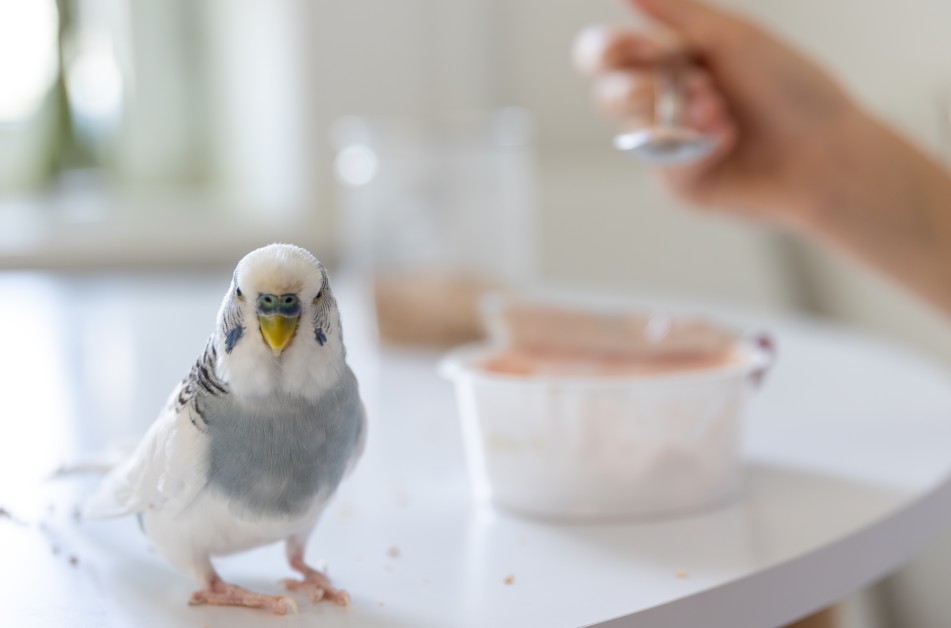
Credit: www.petassure.com
Common Entry Points
Birds find their way inside homes through small openings. These entry points often go unnoticed but are easy access routes. Knowing these spots helps prevent unwanted visits by birds. Common entry points include open doors, windows, chimneys, vents, and gaps in the roof. Each offers a unique way for birds to enter and settle inside.
Open Doors And Windows
Open doors and windows are the easiest access for birds. They fly right in while you are busy or distracted. Birds often explore out of curiosity or to escape predators. Screens on windows reduce the risk but must be intact and secure. Keep doors and windows closed or use screens to keep birds out.
Chimneys And Vents
Chimneys provide a direct path from outside to inside. Birds can enter to build nests or rest. Vents also allow birds to slip inside unnoticed. Both places offer shelter and warmth. Cover chimneys with mesh caps and vents with screens to block access.
Gaps In Roof And Eaves
Gaps in the roof and eaves are common hiding spots for birds. These small spaces provide shelter and nesting areas. Roof damage or loose materials create openings for birds to enter. Regularly check and repair gaps to keep birds from getting inside. Use caulk or sealants to close small holes.

Credit: nextdreaming.com
Unusual Access Routes
Birds can find their way into your home through some unexpected openings. These unusual access routes are often overlooked during home inspections but can easily become entry points for curious birds. Understanding these hidden paths can help you prevent uninvited feathered visitors.
Pet Doors
Pet doors are a common way birds sneak inside. While designed for cats or dogs, their size can allow small birds to fly through. If your pet door faces a garden or wooded area, it becomes a convenient bird gateway.
Consider installing a lock or cover when the pet door isn’t in use. You might be surprised how often a bird waits just outside, ready to slip in unnoticed.
Broken Screens
Torn or loose window and door screens are open invitations to birds. Even small gaps can let birds in, especially if they spot shelter or food inside. One time, a tiny sparrow slipped in through a ripped kitchen window screen while I was cooking.
Regularly check your screens for damage and repair them promptly. A simple patch can save you from a noisy, flapping surprise.
Attic Openings
Attic vents and openings can also serve as bird entry points. Birds often seek out attics for nesting because they’re quiet and protected. If vents aren’t properly sealed or covered with mesh, birds can easily get inside and make themselves at home.
Have you inspected your attic vents lately? Adding mesh covers can block birds without restricting airflow, keeping your attic bird-free.
Why Birds Enter Homes
Birds may seem out of place when they suddenly appear inside your home, but there are clear reasons behind their unexpected visits. Understanding why birds enter houses can help you prevent these surprise guests and keep your living space bird-free. Let’s look at the common motivations that lead birds indoors.
Seeking Shelter
Birds often look for safe places to escape bad weather or predators. Your home can offer warmth and protection, especially during storms or cold nights.
If you’ve ever noticed a bird fluttering near open windows during rain, it’s likely trying to find a dry spot. You might think your home is just a cozy refuge, but to a bird, it’s a temporary shelter from danger.
Nesting Instincts
Birds have a strong drive to find secure spots to build nests and raise their young. Open chimneys, attics, or even behind curtains can seem like perfect nesting sites.
Once, a friend found a nest in their porch light fixture. This shows how birds use unusual spaces to keep their eggs safe and hidden from predators. Are there quiet corners in your home that could invite nesting?
Attracted By Food
Birds are naturally drawn to easy food sources. If your kitchen has exposed crumbs, pet food, or accessible fruit bowls, it might attract curious birds inside.
Even bird feeders placed near windows can encourage birds to explore further. Keeping food sealed and cleaning up spills reduces the temptation for birds to come indoors.
Signs Of Bird Intrusion
Birds inside a house can cause concern and confusion. Detecting their presence early helps prevent damage. Certain signs clearly indicate a bird has entered your home. Watch for these clues to spot bird intrusion quickly.
Noise And Movement
Birds make distinct sounds that stand out indoors. Listen for fluttering wings or chirping in quiet areas. Sudden noises near windows or ceilings can signal their presence. Movement in hidden corners or behind furniture may also indicate a bird is inside.
Feathers And Droppings
Finding feathers is a clear sign of birds inside. Feathers often appear near entry points like windows or vents. Droppings can stain floors and walls, creating a mess. Both feathers and droppings help confirm bird intrusion without seeing the bird directly.
Damaged Property
Birds peck or nest in soft materials and wood. Look for chewed wires, torn curtains, or scratched surfaces. Nests in vents or attics can block airflow and cause damage. Damage around potential entry points suggests birds have been active indoors.
Preventing Bird Entry
Birds can enter homes through open windows, chimneys, or vents. Small gaps or damaged screens also provide access points.
Preventing birds from entering your home is vital for peace and cleanliness. Birds can bring noise, mess, and even health risks. Implementing preventive measures keeps your home safe and serene.Sealing Gaps And Holes
Birds can squeeze through tiny openings. Check your home’s exterior for gaps. Inspect areas around windows and doors. Use caulk or weatherstripping to seal these gaps. Pay attention to attic vents and chimneys. Install covers or guards to block bird access. Regular maintenance ensures no new gaps appear.Installing Screens And Guards
Screens are effective barriers for windows and vents. Choose sturdy, bird-proof screens for durability. Install guards on chimneys and roof vents. These prevent birds from nesting inside. Use mesh screens for larger openings. They allow airflow but keep birds out. Regularly check screens for damage.Regular Home Inspections
Schedule routine checks around your home. Look for signs of bird activity. Check attics, basements, and other quiet areas. Look for nests or droppings. Early detection prevents bigger problems. Maintain a checklist for thorough inspections. This ensures you cover all potential entry points.Handling Birds Inside Safely
Handling birds inside safely requires calm and careful actions. Birds can become scared and fly wildly, risking injury to themselves and people. Quick movements or loud noises can increase their stress. Creating a quiet, calm environment helps control the situation.
Understanding how to remove a bird gently and when to seek help is important. Protecting the bird’s safety and your own is the top priority. Proper handling reduces harm and makes the process smoother.
Calm Removal Techniques
Close doors to other rooms. Open windows and doors leading outside. Turn off fans and lights to calm the bird. Use a soft cloth or towel to gently cover the bird. Slowly guide it toward the exit. Avoid chasing or grabbing quickly. Move calmly and speak softly. Give the bird time to find its way out.
When To Call Professionals
Call experts if the bird is injured or trapped. Wildlife rescuers and pest control can help safely. Professionals have the right tools and skills. They prevent harm to both the bird and people. Seek help if unsure how to act. Some birds carry diseases or may be aggressive.
Avoiding Harm To Birds
Never hit or grab a bird roughly. Avoid tight spaces where the bird can get stuck. Do not use harmful chemicals or sprays. Keep pets away during removal. Handle the bird as little as possible. Use protective gloves if needed. Respect the bird’s space and stress level. Safe handling helps birds fly free unharmed.
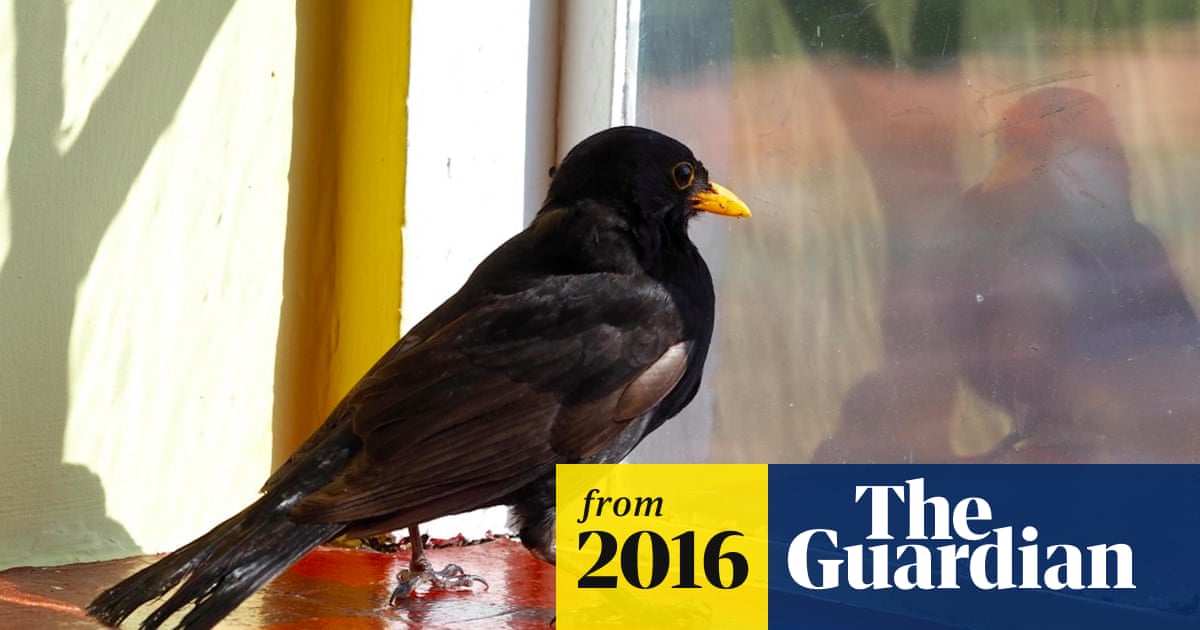
Credit: www.theguardian.com
Frequently Asked Questions
How Do Birds Enter A House Unnoticed?
Birds often enter through open doors, windows, or chimneys. They are attracted by indoor plants, food, or warmth. Small gaps or broken screens also provide easy access points for birds to fly inside your home.
What Attracts Birds To Come Inside Homes?
Birds are drawn to food crumbs, indoor plants, or water sources. Bright lights or reflections can confuse them. Warm, sheltered spaces inside your house also attract birds seeking safety or nesting spots.
Can Birds Fit Through Small Cracks Or Holes?
Yes, many bird species can squeeze through tiny gaps. Birds like sparrows or finches can enter openings as small as an inch. Regularly check and seal cracks to prevent bird entry.
How To Prevent Birds From Entering Your House?
Keep doors and windows closed or screened properly. Seal gaps around vents, chimneys, and attic openings. Remove food sources and reduce indoor plants near entrances to discourage birds from coming inside.
Conclusion
Birds can enter homes through open windows or doors. They may also slip in through small gaps or vents. Once inside, they often look for food or shelter. Sealing entry points helps keep birds outside. Regularly check your house for holes or cracks.
Keeping windows and doors closed prevents unwanted guests. Understanding how birds enter helps protect your home. Stay alert and act quickly if a bird gets inside. Simple steps can stop birds from coming indoors again.




