
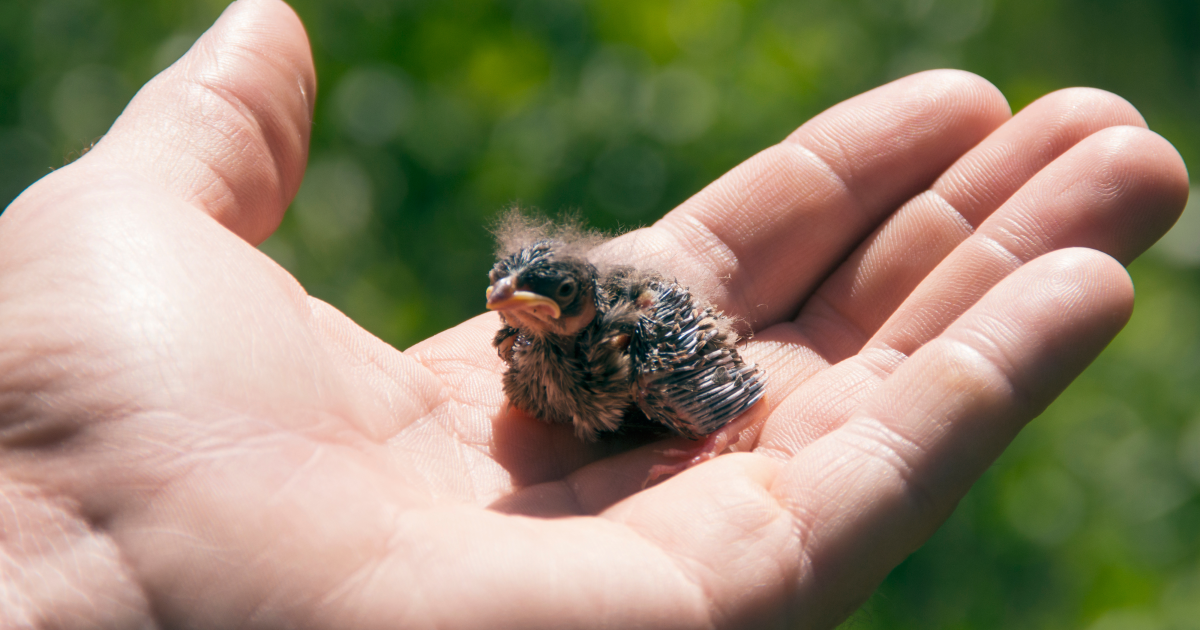
Have you ever found a tiny, fragile baby bird that looked like it needed help? You might wonder if you can nurse it back to health.
The answer isn’t always simple, but with the right knowledge and care, you could give that little bird a fighting chance. You’ll discover what steps to take, what to avoid, and how your actions can make all the difference. Keep reading to learn how you can become a lifesaver for a baby bird in need.
Credit: pethelpful.com
Assessing The Bird’s Condition
Finding a baby bird that needs help can be upsetting. It is important to check the bird’s condition before trying to care for it. Knowing the bird’s health helps decide what to do next.
Careful observation can reveal injuries or illnesses. This guide explains how to assess a baby bird’s condition and when to get expert help.
Identifying Common Injuries
Baby birds can get hurt in many ways. Look for wounds, broken wings, or swollen legs. These injuries affect the bird’s ability to move and eat.
Check if the bird is bleeding or if feathers are missing. Sometimes the bird may have bruises or cuts that need cleaning.
- Visible wounds or bleeding
- Broken or bent wings and legs
- Swelling or bruises on the body
- Feathers missing or damaged
- Difficulty standing or flying
Signs Of Illness To Watch For
Sick baby birds may look weak or sleepy all the time. Watch for signs like trouble breathing, shaking, or a dirty beak. These signs show the bird needs care.
Other symptoms include swollen eyes, runny nose, or unusual droppings. A sick bird may refuse to eat or drink, which is serious.
- Weak or lethargic behavior
- Labored or noisy breathing
- Shivering or trembling
- Swollen or closed eyes
- Runny beak or nasal discharge
- Refusal to eat or drink
- Unusual droppings or diarrhea
When To Seek Professional Help
Some injuries and illnesses need a vet or wildlife expert. If the bird has serious wounds, broken bones, or cannot stand, get help quickly. Early care improves chances of recovery.
Also seek help if the bird shows signs of severe illness or if you are unsure how to care for it. Wildlife centers have the knowledge to treat baby birds properly.
- Severe bleeding or deep wounds
- Broken or badly injured limbs
- Bird cannot stand or move
- Signs of serious illness like labored breathing
- Refusal to eat for a long time
- Unsure about the bird’s condition
Preparing A Safe Space
Nursing a baby bird back to health requires a quiet and safe area. This space helps the bird feel secure and recover well.
Setting up the right environment is important. It prevents further harm and supports healing.
Choosing The Right Container
Pick a container that is small and cozy to keep the bird safe. It should have ventilation but be free from drafts.
- Use a small box, basket, or pet carrier
- Line the bottom with soft cloth or paper towels
- Make sure the container is clean and dry
- Keep the container away from pets and children
Maintaining Proper Temperature
Baby birds need warmth to survive. Keep the temperature steady and comfortable.
| Bird Age | Suggested Temperature |
|---|---|
| Newborn (no feathers) | 85-90°F (29-32°C) |
| Featherless but older | 80-85°F (27-29°C) |
| Feathered young | 75-80°F (24-27°C) |
Minimizing Stress For The Bird
Stress can delay healing. Keep the bird calm and quiet for best care.
- Place the container in a quiet room with low light
- Limit handling to only when necessary
- Avoid loud noises and sudden movements
- Keep pets and strangers away from the bird
Feeding The Baby Bird
Nursing a baby bird back to health needs careful feeding. Feeding helps the bird grow strong and healthy.
It is important to know what and how to feed the baby bird. This guide helps you feed safely and correctly.
Determining The Bird’s Diet
Different birds eat different foods. You must find out what type of food the baby bird needs.
Look for clues about the bird’s species. This helps choose the right diet for the baby bird.
- Insect-eating birds need protein-rich foods like worms or insects.
- Fruit-eating birds need soft fruits or berries.
- Seed-eating birds need soaked seeds or small grains.
Safe Feeding Techniques
Feed the baby bird carefully to avoid harm. Use small tools like a syringe or eyedropper.
Hold the bird gently and feed it slowly. Make sure the food is the right temperature, not too hot or cold.
- Feed the bird in an upright position.
- Give small amounts of food at a time.
- Keep the feeding area clean to stop infections.
Avoiding Common Feeding Mistakes
Some feeding errors can hurt the baby bird. Avoid feeding food that is too big or hard to swallow.
Do not feed the bird milk or bread. These can cause health problems. Also, do not force the bird to eat.
- Never feed cold food; always warm it slightly.
- Avoid using human food not meant for birds.
- Do not overfeed or feed too fast.
- Do not feed the bird without knowing its diet.
Hydration And Care
Nursing a baby bird back to health takes careful attention. Hydration and proper care are key to recovery.
Keeping the bird hydrated and clean helps prevent illness. Watching its growth shows if it is improving.
Providing Adequate Fluids
Baby birds need small amounts of fluid often. Use a dropper to give water or electrolyte solutions.
- Offer fluids every one to two hours during the day
- Use lukewarm water to avoid chilling the bird
- Avoid giving too much at once to prevent choking
- Do not give plain milk, as it can harm the bird
Cleaning And Hygiene Tips
Keep the baby bird’s environment clean. This helps stop infections and keeps it healthy.
- Change bedding daily with soft, clean material
- Wash feeding tools with hot water and soap after each use
- Keep the bird’s feathers free from dirt and waste
- Disinfect the cage weekly to kill germs
Monitoring Weight And Growth
Track the baby bird’s weight to see if it is gaining health. Use a small scale for accuracy.
| Age (Days) | Expected Weight (grams) | Notes |
| 1-3 | 5-10 | Very fragile, frequent feeding needed |
| 4-7 | 10-20 | Start gentle handling |
| 8-14 | 20-40 | Feather growth begins |
| 15+ | 40+ | Preparing for release or further care |
When To Release
Nursing a baby bird back to health takes time and care. Knowing when to release the bird is very important. Releasing too early can be dangerous for the bird.
The goal is to release the bird when it is strong and ready to survive on its own. This guide explains signs of recovery, how to prepare for release, and what to watch for after release.
Signs Of Recovery
Look for clear signs that the baby bird is getting better. The bird should be active and alert. It should eat well without help.
Good feather growth shows the bird is ready to fly soon. The bird should also show normal behaviors like preening and calling.
- Strong wing muscles and feathers
- Eating on its own
- Alert and responsive
- Normal movements and behaviors
Preparing For Release
Before releasing, let the bird get used to the outside world. Place it in a safe, outdoor enclosure with natural light. This helps the bird build strength.
Offer natural foods the bird will find in the wild. Avoid feeding human food or treats. Make sure the bird can fly well and avoid predators.
- Use an outdoor cage or aviary
- Provide natural food and water
- Check flight ability daily
- Keep the bird safe from pets and predators
Post-release Monitoring
After release, watch the bird from a distance. See if it can find food and shelter. Do not try to catch or feed it.
If the bird struggles, it may need more care. Sometimes, wildlife experts can help if the bird is in trouble after release.
- Observe quietly without disturbing
- Note if the bird finds food and water
- Look for signs of injury or weakness
- Contact wildlife professionals if needed

Credit: www.reddit.com
Preventing Future Harm
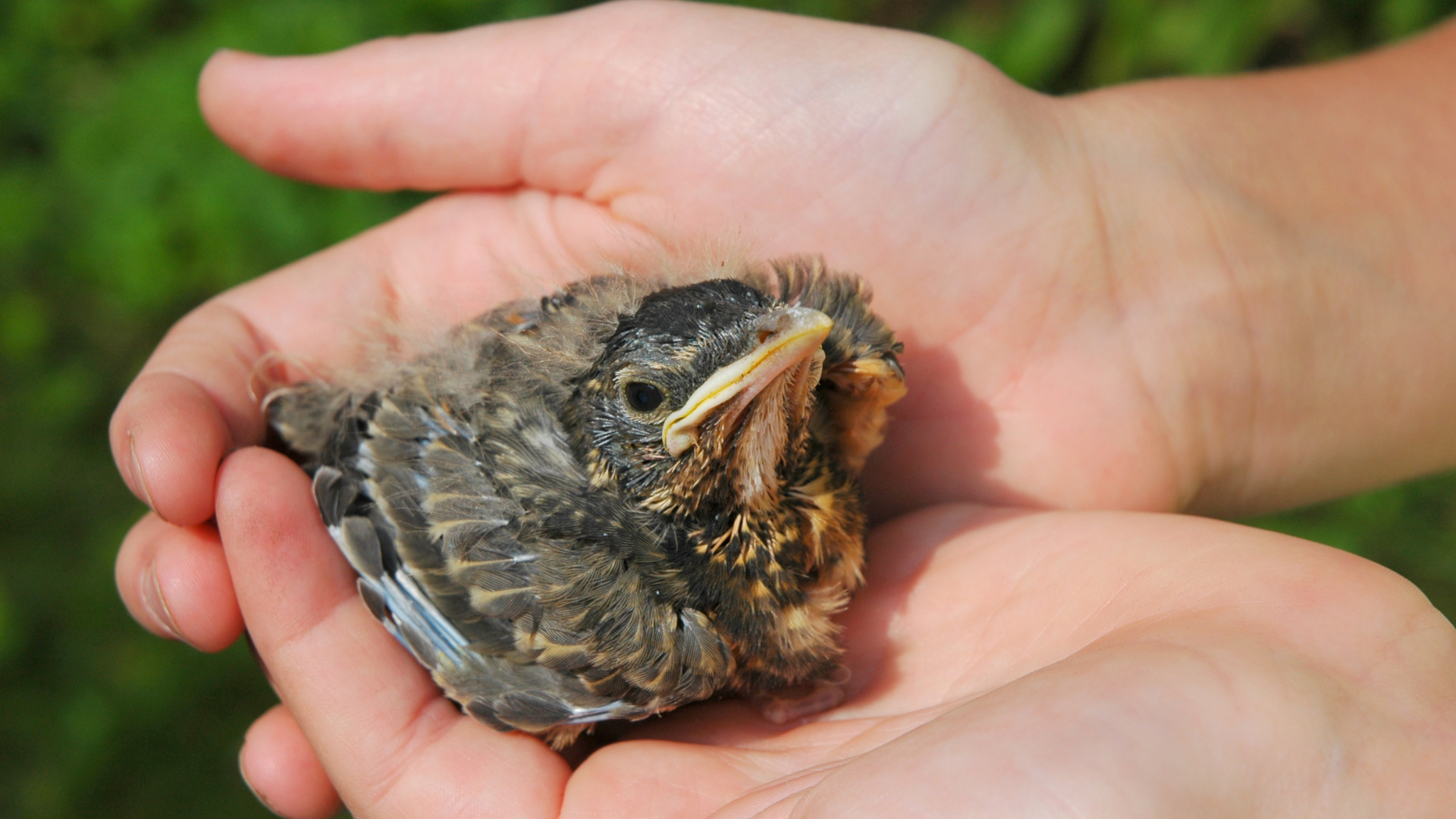
Helping a baby bird recover is a noble task. Ensuring their safety in the future is just as important. Here, we explore ways to protect these creatures.
We can take steps to prevent harm by safeguarding their natural environments and learning more about their needs.
Protecting Bird Habitats
Bird habitats are vital for their survival. Protecting these spaces ensures they have a safe place to live and thrive.
- Preserve trees and shrubs in your area
- Avoid using harmful pesticides
- Support conservation efforts
Educating The Community
Sharing knowledge about birds helps others understand their importance. Education can lead to better protection and care.
Working With Wildlife Experts
Experts provide valuable guidance on caring for birds. They can teach us how to handle and treat them properly.
| Expert Type | Role |
| Ornithologists | Study bird behavior and habitats |
| Wildlife Rehabilitators | Care for injured birds |
| Conservationists | Protect bird species |
Credit: pethelpful.com
Frequently Asked Questions
Can You Nurse A Baby Bird Back To Health?
Yes, you can nurse a baby bird back to health with proper care. It requires warmth, hydration, and a suitable diet. However, contacting a wildlife rehabilitator is best for expert help and to ensure the bird’s safety and recovery.
What Should I Feed A Baby Bird For Recovery?
Feed a baby bird a diet matching its species. Typically, soft foods like soaked dog kibble, baby bird formula, or insects work well. Avoid milk or bread. Proper nutrition is essential for healing and growth.
How Do I Keep A Baby Bird Warm During Recovery?
Keep the baby bird warm using a heating pad or warm water bottle wrapped in cloth. Maintain a consistent temperature between 85-90°F (29-32°C). Warmth is crucial to prevent shock and promote healing.
When Should I Contact A Wildlife Rehabilitator?
Contact a wildlife rehabilitator immediately if the bird is injured, weak, or orphaned. They have the expertise to care properly. Early intervention increases survival chances and ensures legal protection for wild birds.
Conclusion
Nursing a baby bird takes patience and care. Each bird needs special attention and food. Watch the bird closely for signs of health. Small steps can lead to big improvements. Remember, some birds may need help from experts. Your effort can give a bird a second chance.
It feels good to help a tiny life grow. Keep learning and stay gentle with the bird. Every little action counts in nursing a baby bird.




