
Have you ever wondered where the dodo bird once lived and thrived before it vanished forever? Understanding the dodo’s habitat not only reveals fascinating details about this mysterious creature but also uncovers important lessons about nature and survival.
If you want to discover the exact place that was home to the dodo and why it mattered so much, keep reading—you’re about to unlock a story that connects the past to your world today.
Dodo Bird Origins
The origins of the dodo bird trace back to a unique environment. This bird lived only on Mauritius, an island in the Indian Ocean. Its story reflects a fascinating chapter in natural history. Understanding where the dodo came from helps us learn about extinction and evolution.
Species Background
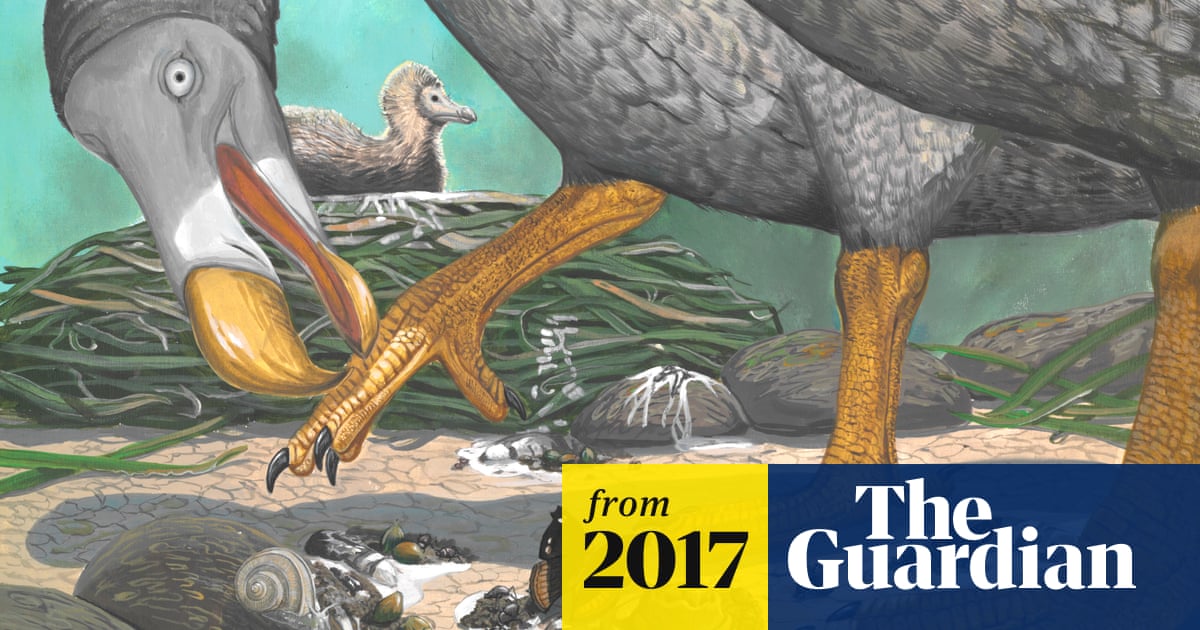
The dodo was a flightless bird about three feet tall. It weighed around 10 to 20 times as much as a pigeon. The bird had no natural predators before humans arrived. It lived in forests and near the coast of Mauritius. This isolated habitat shaped its behavior and size over time.
Evolutionary Roots
The dodo belonged to the pigeon family, Columbidae. Its ancestors likely flew from nearby islands to Mauritius. Over many years, the dodo lost its ability to fly. The island’s lack of predators made flying unnecessary. This change is a classic example of island evolution. The bird’s unique features evolved to suit its safe, forest home.
Credit: www.theguardian.com
Mauritius Island Habitat
The Mauritius Island Habitat was the exclusive home of the dodo bird, a creature that has fascinated many with its mysterious disappearance. This island provided a unique environment that supported the dodo’s survival for centuries. Understanding the geographical features and climate conditions of Mauritius helps you grasp why this bird thrived there.
Geographical Features
Mauritius Island is located in the Indian Ocean, east of Madagascar. Its landscape consists of volcanic mountains, lush forests, and coastal plains. These varied terrains created numerous niches where the dodo could find food and shelter.
The island’s isolation played a big role. With no natural predators, the dodo had little need to fly or hide. You might wonder how such isolation impacted the ecosystem’s balance and the dodo’s behavior.
Climate Conditions
Mauritius enjoys a tropical climate with warm temperatures year-round. The weather includes a wet season from November to April and a dry season from May to October. This stable climate provided consistent food sources like fruits and seeds.
Humidity and rainfall patterns influenced the island’s vegetation, which directly affected the dodo’s diet. Have you ever considered how even slight climate changes could disrupt an entire species’ survival?
Ecological Niche
The dodo bird occupied a unique ecological niche on the island of Mauritius. This niche shaped its behavior, diet, and interactions with other species. The dodo adapted to a life with few natural threats. Its habitat was rich in resources that supported its survival. Understanding this niche helps explain why the dodo evolved the way it did.
Diet And Food Sources
The dodo mainly ate fruits, seeds, and roots found on the forest floor. It likely consumed fallen fruit from native trees. Some studies suggest it may have eaten small land animals or shellfish occasionally. Its strong beak helped it crack hard shells and dig for roots. The dodo’s diet was abundant, supporting its large size and slow movement.
Predators And Threats
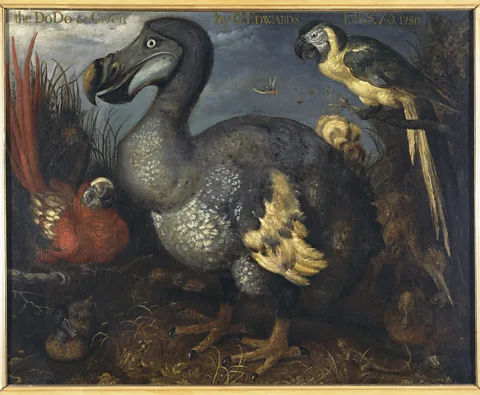
Before humans arrived, the dodo had almost no natural predators. Large animals were absent on Mauritius, allowing the dodo to live safely on the ground. The introduction of humans and invasive species like rats and pigs changed this balance. These new threats preyed on dodo eggs and young birds. Habitat destruction also reduced their living space. These factors led to the dodo’s extinction.
Credit: www.bbc.com
Human Impact
The dodo bird once thrived on the island of Mauritius. Its habitat was unique and isolated. Human arrival changed everything. The impact was swift and severe. The dodo had no natural fear of humans. This made it vulnerable. Human actions caused a rapid decline in dodo populations.
Arrival Of Settlers
In the late 16th century, settlers reached Mauritius. They brought new animals like rats, pigs, and monkeys. These animals destroyed dodo nests and eggs. Settlers cleared forests for farming and settlements. The natural habitat of the dodo began to shrink. The island’s ecosystem changed quickly.
Hunting And Habitat Loss
Settlers hunted the dodo for food. The bird was slow and easy to catch. Hunting pressure increased as settlements grew. Forests were cut down to build homes and farms. This reduced the dodo’s living space. Loss of habitat meant less food and shelter. The dodo could not adapt to these changes fast enough.
Extinction Timeline
The extinction timeline of the dodo bird reveals a tragic story of rapid disappearance. This flightless bird once thrived in its isolated habitat but vanished quickly after human contact. Understanding when and how the dodo disappeared helps us learn from past mistakes and protect endangered species today.
Last Sightings
The last confirmed sightings of the dodo bird occurred in the late 1600s. Records suggest the bird was seen on Mauritius Island until around 1662. However, some reports hint at possible sightings even later, though these are less reliable.
These last observations coincided with increased human activity on the island. Sailors and settlers hunted the dodo and introduced invasive species like rats and pigs. This combination caused a steep decline in the dodo population.
Scientific Evidence
Scientists rely on bones, drawings, and written accounts to piece together the extinction timeline. Fossil discoveries on Mauritius have helped date the dodo’s existence and disappearance. These remains show physical changes that hint at environmental pressures before extinction.
DNA analysis from preserved bones has also provided clues about the dodo’s evolution and its relation to other birds. This evidence shows how quickly species can vanish once their habitat is disturbed. Have you ever considered how fragile life can be when ecosystems are unbalanced?
Legacy And Discoveries
The Dodo bird lived on the island of Mauritius in the Indian Ocean. Dense forests and unique flora provided its natural habitat. This flightless bird thrived in isolation until human arrival led to its extinction.
The legacy of the dodo bird captivates many. Once native to Mauritius, this unique bird faced extinction in the 17th century. Its absence left a significant mark on science and culture. Recent discoveries shed light on its mysterious past.Fossil Findings
Scientists found dodo bird fossils on Mauritius. These fossils reveal much about the bird’s life. They provide clues to its size and diet. Researchers study these remains to understand the bird’s extinction. Fossil sites offer a treasure trove of information. Excavations continue to uncover new insights.Cultural Influence
The dodo bird holds a special place in culture. It appears in literature and art. Many know it from “Alice in Wonderland”. The bird symbolizes extinction and human impact. Its story serves as a warning. The dodo’s legacy encourages conservation efforts. It reminds us of our responsibility to nature.
Credit: theorkneynews.scot
Frequently Asked Questions
Where Did The Dodo Bird Originally Live?
The dodo bird was native to Mauritius, an island in the Indian Ocean. It thrived in dense forests with abundant fruits and vegetation.
What Type Of Habitat Did Dodo Birds Prefer?
Dodo birds preferred tropical forests with plenty of food sources. They lived in lowland areas rich in fruit-bearing trees and shrubs.
Why Did The Dodo Bird’s Habitat Disappear?
Human settlement and introduced animals like rats destroyed the dodo’s habitat. Deforestation and hunting also contributed to its extinction.
Were Dodo Birds Found Outside Mauritius?
No, dodo birds were endemic to Mauritius only. There is no evidence of their presence on any other island.
Conclusion
The dodo bird lived only on Mauritius Island. This isolated place shaped its unique life. No other land had dodos naturally. Sadly, human arrival changed everything fast. The dodo could not survive new threats. Its habitat vanished with the bird.
Studying this helps us protect wildlife today. Islands need special care to keep animals safe. Remembering the dodo’s home reminds us of nature’s value.




