
Have you ever wondered where the dodo bird once lived? Imagine a place untouched by humans, filled with unique plants and animals unlike anything you see today.
Understanding the dodo’s habitat helps you picture a lost world and reveals why this bird couldn’t survive when everything changed. You’ll discover what made the dodo’s home so special—and why it mattered to the bird’s fate. Keep reading to uncover the secrets of the dodo’s habitat and what it teaches us about protecting nature today.
Dodo’s Island Home
The dodo bird’s island home was unlike any other place on Earth. Nestled in the Indian Ocean, this isolated environment shaped the dodo’s way of life. Understanding the island’s unique features helps you grasp why the dodo evolved the way it did—and why it eventually disappeared.
Geography Of Mauritius
Mauritius is a volcanic island located about 2,000 kilometers off the southeast coast of Africa. Its rugged terrain includes mountains, forests, and coastal plains. The island’s isolation meant species like the dodo had few predators, giving them a distinct advantage for survival.
Imagine living in a place where the nearest land is thousands of miles away. How would that affect your daily life and safety? For the dodo, this isolation was both a blessing and a curse.
Climate Conditions
Mauritius experiences a tropical climate with warm temperatures year-round. The island has wet summers and dry winters, which affected the availability of food and water. These steady conditions allowed the dodo to thrive without needing to migrate.
Think about how constant warmth and seasonal rains influence your own environment. The dodo benefited from this predictability, as it didn’t have to adapt to extreme changes.
Flora And Fauna
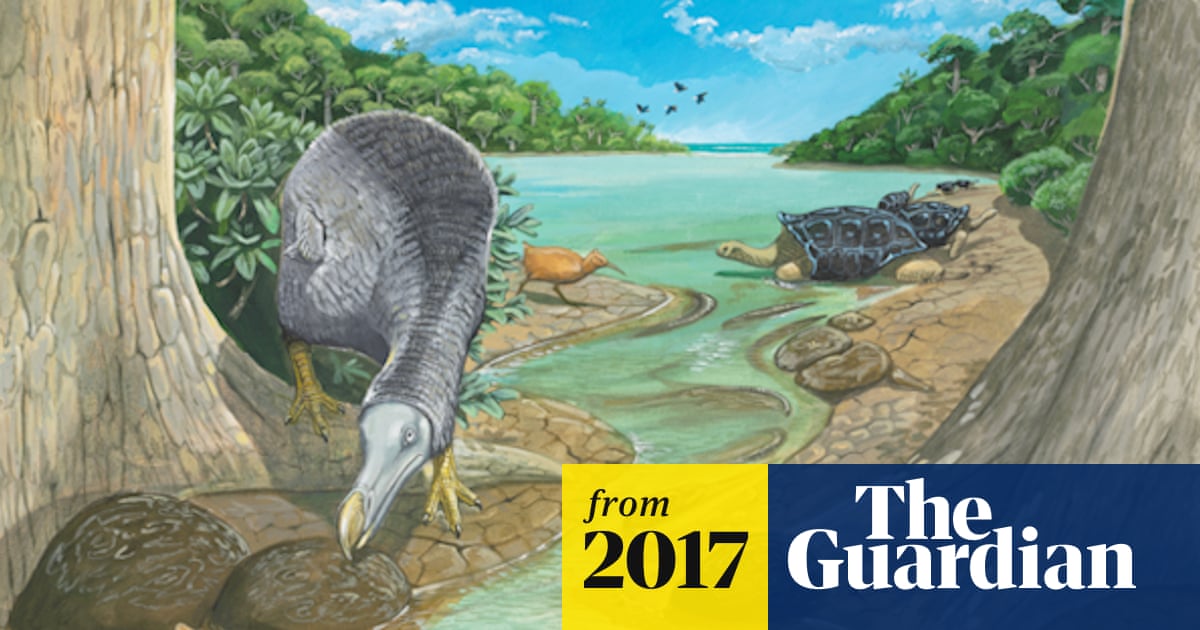
The island was rich in diverse plant life, including tall trees, dense shrubs, and abundant fruit. This provided the dodo with a plentiful food source, mainly fruits and seeds. Without natural predators, the dodo could roam freely among the forests and plains.
- Giant ebony trees and screw pines dominated the landscape.
- Various fruit-bearing plants sustained the dodo’s diet.
- Other animals, like giant tortoises, coexisted peacefully.
Have you ever considered how the absence of predators changes animal behavior? The dodo’s confidence in its island home made it vulnerable once humans arrived.
Credit: www.theguardian.com
Ecosystem Characteristics
The ecosystem where the dodo bird lived was unique and shaped its way of life in many ways. Understanding the characteristics of this environment helps you see why the dodo evolved as it did and how it survived for so long before disappearing. Let’s look closely at the key elements that defined the dodo’s habitat.
Vegetation And Food Sources
The dodo lived on Mauritius Island, a tropical place with lush forests filled with tall trees and dense undergrowth. This rich vegetation provided plenty of fruits, seeds, and roots, which made up the bulk of the dodo’s diet.
You might find it interesting that the dodo relied heavily on fallen fruits rather than hunting or scavenging. The island’s plants had adapted to this, spreading seeds through the dodo’s droppings. This relationship shows how animals and plants can depend on each other to thrive.
Predators And Threats
Before humans arrived, the dodo faced very few threats. Its only real predators were some birds of prey and large reptiles, but these were rare and did not pose a major danger.
However, the arrival of humans and invasive species like rats and pigs changed everything. These new predators hunted dodos and destroyed their nests, creating threats the dodo was never prepared for.
Coexisting Species
The dodo shared its habitat with various animals including giant tortoises, parrots, and many insects. These species lived in balance, each playing a role in maintaining the ecosystem.
Think about how the dodo’s extinction affected these species. Without the dodo spreading seeds, some plants struggled to grow, impacting the whole habitat. This shows how the loss of one species can ripple through an ecosystem, affecting many others.
Adaptations To Habitat
The dodo bird’s adaptations to its habitat reveal a fascinating story of evolution shaped by isolation and resource availability. Understanding these adaptations helps you see how this unique bird thrived in Mauritius before humans arrived. Let’s look closely at the diet, physical traits, and behaviors that matched the dodo’s environment.
Diet And Feeding Habits
The dodo’s diet mainly included fallen fruits, seeds, and possibly small land animals like insects. Mauritius offered dense forests where these food sources were abundant.
Interestingly, the dodo likely had a strong beak adapted for crushing tough fruits and nuts. This feature shows how your environment influences what you eat and how you eat it.
Have you ever considered how your diet reflects your surroundings? Like the dodo, your eating habits evolve with what’s available around you.
Physical Traits Linked To Environment
The dodo was flightless, with small wings and a large, heavy body. In a place without natural predators, flying became unnecessary, and energy was saved by not maintaining flight muscles.
Its sturdy legs were perfect for walking through thick underbrush and uneven forest floors. The bird’s size also helped it reach food others couldn’t, giving it an edge in its habitat.
This teaches you how physical traits often match the demands of your environment. What traits do you notice in yourself that reflect where you live?
Behavioral Patterns
The dodo’s behavior was likely calm and slow-moving, fitting a safe environment with no predators. This behavior reduced energy use and matched the steady availability of food.
It probably nested on the ground, which worked well in Mauritius’ protected forests. The bird’s social habits might have included small groups, helping it stay aware of changes in food and weather.
Think about your daily habits. How much do they depend on your surroundings and safety? The dodo’s story shows how behavior adapts just as much as physical traits do.

Credit: theorkneynews.scot
Impact Of Human Arrival
The arrival of humans on Mauritius marked a turning point for the dodo bird and its habitat. This event triggered a series of rapid and dramatic changes that the dodo was not equipped to handle. Understanding these impacts reveals how fragile ecosystems can be when faced with sudden external pressures.
Habitat Changes
Humans cleared large areas of forest for settlements and agriculture. This deforestation reduced the dense woodland the dodo relied on for food and shelter. You might not realize how even small changes in vegetation can disrupt an entire species’ survival.
As forests shrank, the ecosystem’s balance shifted. The dodo’s nesting sites became scarce, and food sources like fruits and seeds were less available. Have you ever noticed how one change in your environment forces you to adapt quickly? The dodo faced this challenge without the ability to adapt fast enough.
Introduction Of New Species
Along with humans came animals like rats, pigs, and monkeys. These species were not native to Mauritius and quickly became invasive. They preyed on dodo eggs and competed for food, making life even harder for the already struggling bird.
Imagine trying to protect your home from unexpected intruders who destroy your supplies. The dodo had no natural defense against these new threats. This invasion caused a significant decline in the dodo population, accelerating their path to extinction.
Consequences For The Dodo
The combined effects of habitat loss and invasive species pushed the dodo to the edge. Without safe nesting areas and with constant threats to their young, their numbers dropped sharply. You can see how human actions, even unintentionally, can devastate a species.
What lessons can you draw from the dodo’s fate about the impact of introducing new species and altering habitats? Protecting wildlife today means thinking carefully about how our presence changes the environment. The story of the dodo warns us of the fragile balance between nature and human activity.
Reconstructing The Lost Habitat
Reconstructing the lost habitat of the dodo bird offers a fascinating glimpse into a world that vanished centuries ago. Understanding where and how these birds lived helps us grasp the delicate balance of ecosystems and the impact of human activity. But piecing together this puzzle is a challenge that requires digging into the past with careful tools and sharp minds.
Archaeological Evidence
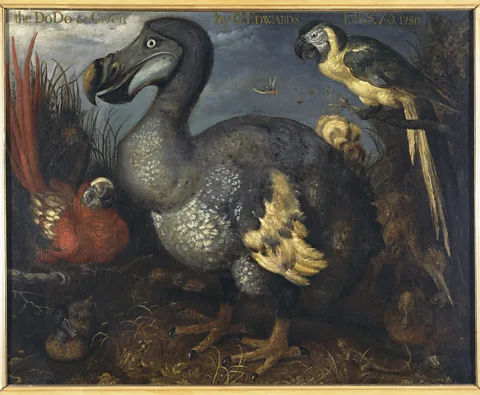
Archaeologists have uncovered remnants of the dodo’s environment on the island of Mauritius. Fossilized bones, seeds, and plant remains provide clues about the flora and fauna that once thrived there. These discoveries show that dense forests and coastal areas formed the dodo’s habitat, filled with unique plants and other animals.
Shells and charcoal layers found nearby suggest human activity and fire usage, which likely altered the landscape. Every artifact tells a story, helping you imagine what the dodo’s world looked like before extinction.
Scientific Research Methods
Scientists use a mix of techniques to recreate the dodo’s habitat. Pollen analysis from soil samples reveals the types of plants that covered the island. Carbon dating helps establish timelines for when these plants and animals existed.
Modern technology, like 3D mapping and computer simulations, also plays a role. These tools allow researchers to visualize the island’s past climate and terrain, filling in gaps where physical evidence is missing. This blend of old and new methods makes the reconstruction more accurate and detailed.
Challenges In Habitat Reconstruction
One major hurdle is the limited number of dodo fossils and habitat samples. Many parts of Mauritius have changed drastically due to natural erosion and human development. This loss makes it difficult to form a complete picture of the dodo’s environment.
Another challenge is interpreting data correctly without assumptions. The island’s ecosystem was complex, and some plants or animals found may not have coexisted with the dodo. How do you separate fact from speculation when evidence is scarce?
Your curiosity about these challenges can inspire new ways to study extinct habitats. Every question you ask pushes the boundaries of what we know about the dodo and its vanished home.
Credit: www.bbc.com
Frequently Asked Questions
What Type Of Environment Did Dodo Birds Live In?
Dodo birds inhabited dense forests and coastal woodlands on Mauritius Island. Their habitat was warm, humid, and rich in fruit-bearing trees.
Where Was The Dodo Bird’s Natural Habitat Located?
The dodo lived exclusively on Mauritius, an island in the Indian Ocean. This isolated location shaped its unique ecosystem and lifestyle.
What Did The Dodo Bird’s Habitat Provide For Survival?
The habitat offered abundant fruits, seeds, and nesting grounds. Lack of natural predators allowed dodos to thrive in peace.
How Did Mauritius’ Climate Affect The Dodo Bird’s Habitat?
Mauritius’ tropical climate created lush vegetation and steady food supply. The warm weather supported the dodo’s ground-dwelling lifestyle.
Conclusion
The dodo bird lived in a warm, island forest. It needed thick trees and plants for food and shelter. The habitat was peaceful, with few predators. This made the dodo feel safe and thrive for a time. Sadly, changes and new animals harmed its home.
Learning about the dodo’s habitat helps us protect other animals today. Nature’s balance is fragile. We must care for habitats to keep wildlife alive. The dodo’s story reminds us of this important truth.




