
Imagine finding a small bird bleeding and in need of help. It’s a scary moment, and you want to act fast but don’t know what to do.
If you’ve ever faced this situation, you’re not alone. Knowing how to treat a bleeding bird can make all the difference between life and death for that fragile creature. You’ll learn simple, effective steps to stop the bleeding and care for the bird safely.
By the end, you’ll feel confident and ready to help, turning a stressful moment into a chance to save a life. Keep reading—your quick actions could mean everything.
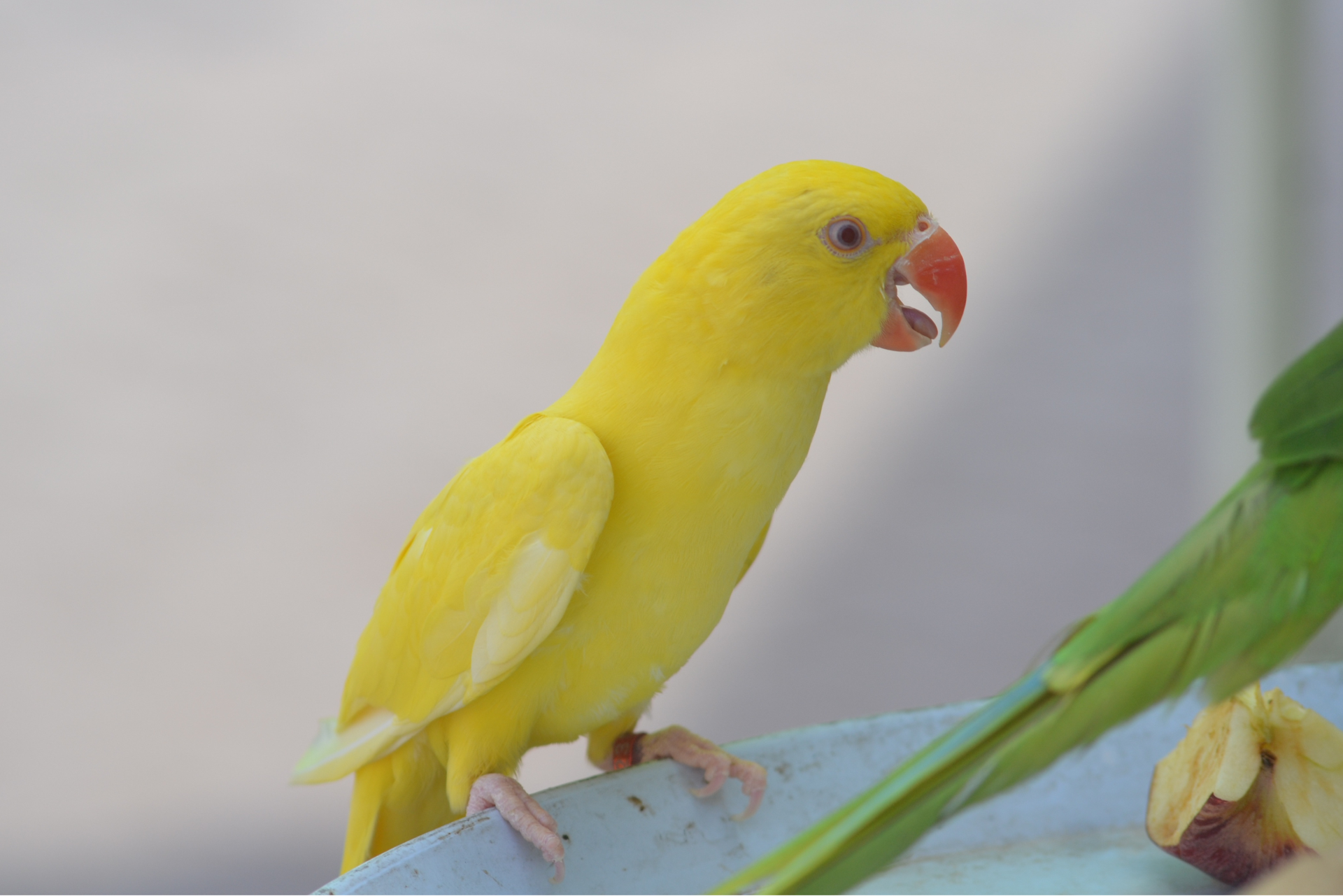
Credit: pethelpful.com
Assessing The Injury
When a bird is bleeding, quick and careful assessment is vital. You must find out where the blood is coming from and how serious the injury is.
Knowing the injury’s severity helps decide the best way to treat the bird and prevent more harm.
Checking The Bleeding Source
Look closely at where the blood is coming from. The source can be a small cut or a deeper wound. Check the bird’s feathers and skin carefully.
- Part the feathers gently to see the skin beneath.
- Look for open wounds or punctures.
- Note if the blood is bright red or dark.
- Check if blood flows steadily or in spurts.
- Watch for swelling or unusual lumps near the bleeding spot.
Evaluating Bird’s Condition
Check the bird’s overall health and behavior. This helps you understand how the injury affects it and how urgent care must be.
| Sign | What It Means | What to Do |
|---|---|---|
| Weak or lethargic | Bird may be in shock or losing blood | Keep warm and calm, seek help quickly |
| Rapid breathing | Possible pain or stress | Minimize handling and quiet surroundings |
| Swollen or pale comb and wattles | Signs of blood loss or poor circulation | Apply pressure to bleeding and monitor closely |
| Unusual posture or inability to stand | Serious injury or weakness | Limit movement and seek veterinary care |
Stopping The Bleeding
When a bird is bleeding, quick action helps save its life. You must stop the bleeding fast and carefully. Using the right methods lowers the bird’s pain and stress.
Learn how to apply pressure safely and when to use special agents to stop bleeding. These steps can protect the bird until you get help.
Applying Pressure Safely
Pressing on the wound slows or stops the bleeding. Use a clean cloth or gauze for the best results. Make sure not to press too hard to avoid hurting the bird more.
- Wear gloves to keep the wound clean and protect yourself
- Place a soft cloth gently over the bleeding spot
- Apply steady, gentle pressure for several minutes
- If blood soaks through, add more cloth without removing the first
- Keep the bird calm and still during this process
Using Hemostatic Agents
Hemostatic agents help blood clot faster. They come as powders, gels, or pads. Use them carefully following the product instructions. These agents are useful if pressure alone does not stop the bleeding.
| Type | Use | Notes |
| Powder | Sprinkle on wound | Good for small cuts |
| Gel | Apply directly to bleeding area | Works well on wet wounds |
| Pad | Place over wound and press gently | Best for larger wounds |
Handling And Restraining The Bird
Handling a bleeding bird needs care and calmness. You must avoid causing more stress or injury.
This guide helps you calm and safely hold the bird to stop the bleeding effectively.
Calming Techniques
Keep the bird calm by speaking softly and moving slowly. Sudden moves can scare it more.
- Cover the bird’s eyes gently with a cloth to reduce visual stress.
- Hold the bird in a quiet, warm room away from noise and bright lights.
- Use a towel to wrap the bird softly, helping it feel secure.
- Keep your hands steady and avoid squeezing too tightly.
Proper Restraint Methods
Use the right method to hold the bird without hurting it. Proper restraint stops more bleeding and helps you work safely.
| Body Part | How to Restrain | Notes |
| Wings | Hold gently against the body using your thumb and fingers. | Do not bend the wing backward. |
| Head | Support the head between your thumb and forefinger. | Keep the neck straight to avoid injury. |
| Feet | Hold feet firmly but gently to prevent kicking. | Be careful not to trap toes too tightly. |
| Body | Wrap the bird in a soft towel, leaving the head exposed. | This limits movement and calms the bird. |

Credit: www.reddit.com
Cleaning The Wound
Cleaning a bleeding bird’s wound is important for its recovery. You must be gentle and careful during the process.
Proper cleaning helps stop infection and speeds up healing. Use safe methods to protect the bird.
Choosing Safe Cleaning Solutions
Use mild solutions to clean the wound. Strong chemicals can harm the bird’s skin and slow healing.
- Use clean, lukewarm water to rinse the wound.
- Saline solution is safe and helps remove dirt.
- Do not use alcohol or hydrogen peroxide as they can irritate the wound.
- If available, use veterinary antiseptic solutions designed for birds.
Avoiding Infection
Prevent infection by keeping the wound clean and dry. Change dressings regularly if needed.
| Action | Reason |
| Wash hands before cleaning | Stops bacteria from spreading |
| Use sterile gauze or cloth | Prevents new germs from entering |
| Apply gentle pressure to stop bleeding | Reduces risk of more damage |
| Keep bird in a clean, quiet place | Helps avoid stress and contamination |
Providing Supportive Care
When a bird is bleeding, it needs gentle care to heal well. Supportive care helps the bird stay strong.
Focus on keeping the bird warm and giving it water and food. These steps help the bird recover faster.
Keeping The Bird Warm
Birds lose heat quickly when they are hurt. Keep the bird in a warm, quiet place away from drafts.
Use a soft cloth or towel to wrap the bird gently. Avoid overheating by checking the temperature often.
Offering Hydration And Nutrition
Water is very important for a bleeding bird. Offer fresh water in a shallow dish or with a dropper.
Give easy-to-digest food like small seeds or soft fruits. Feeding small amounts helps the bird eat safely.
- Provide clean water often
- Use soft foods that the bird likes
- Feed little by little to avoid choking
:strip_icc()/spruce-pets-bird-nail-trim-2cd19cd239d4459bb98f8ecfe2589caa.png)
Credit: www.thesprucepets.com
When To Seek Veterinary Help
Helping a bleeding bird can be urgent. Knowing when to get veterinary help is crucial. This guide covers key signs.
If unsure about your bird’s health, consult a vet. Quick action can save lives.
Signs Of Severe Injury
Some injuries need immediate attention. Look for these signs:
- Heavy bleeding that won’t stop
- Visible broken bones
- Difficulty breathing
- Unresponsive or lethargic behavior
- Blood in the mouth or nose
Emergency Contact Tips
In emergencies, contact a vet quickly. Prepare this information:
| Contact Information | Details |
| Local Vet | (555) 123-4567 |
| Emergency Animal Clinic | (555) 987-6543 |
| 24/7 Helpline | (555) 111-2222 |
Keep these contacts handy. Quick calls can be life-saving for your bird.
Preventing Future Injuries
Keeping a bird safe from injuries is important for its health. This guide helps you create a secure environment for your feathered friend.
Regular checks and adjustments can prevent accidents. Let’s explore how to protect your bird.
Safe Environment Setup
A safe living space reduces the risk of injuries. Make sure the bird’s environment is secure and comfortable.
- Remove sharp objects from the bird’s cage.
- Ensure all doors and windows are closed or have screens.
- Keep the cage away from direct sunlight and cold drafts.
- Provide soft perches to prevent foot injuries.
Regular Health Checks
Frequent health checks help in early detection of potential problems. Observing your bird’s behavior is key.
Check for changes in eating habits, energy levels, and feather condition. Consult a vet if you notice anything unusual.
| Check | Frequency |
| Weight | Weekly |
| Feathers | Daily |
| Beak and Claws | Monthly |
Frequently Asked Questions
How Can I Stop A Bird’s Bleeding Quickly?
Apply gentle pressure with a clean cloth or gauze to the wound. Keep the bird calm and in a warm, quiet place. Avoid using human medicines unless advised by a vet. Prompt action reduces blood loss and prevents shock.
When Should I Seek Veterinary Help For A Bleeding Bird?
If bleeding lasts more than 10 minutes or is severe, get veterinary help immediately. Also seek help if the bird shows weakness, difficulty breathing, or unusual behavior. Professional care ensures proper treatment and recovery.
What Home Remedies Are Safe For Treating A Bleeding Bird?
Using styptic powder or cornstarch can help stop minor bleeding. Avoid alcohol or hydrogen peroxide as they can harm the bird. Always handle the bird gently and keep it warm until a vet can examine it.
How Do I Prevent Infections In A Bleeding Bird’s Wound?
Keep the wound clean and dry to prevent infections. Change dressings regularly using sterile materials. Avoid touching the wound with dirty hands. If swelling or pus appears, consult a veterinarian immediately.
Conclusion
Treating a bleeding bird requires quick and gentle care. Clean the wound carefully and stop the bleeding with light pressure. Keep the bird calm and warm during the process. Watch closely for signs of infection or serious injury. Always reach out to a wildlife expert or vet for help.
Small actions can save a bird’s life. Caring hands and patience make all the difference. Remember, your kindness helps these fragile creatures heal and survive.




