
Do you want to bring more life and color to your backyard? Creating a bird habitat is a simple way to invite beautiful birds right to your doorstep.
Imagine waking up to the sound of birds singing and watching them flutter around just outside your window. It’s easier than you think to make your outdoor space a safe and welcoming home for birds. You’ll discover easy steps to build a bird habitat that attracts a variety of feathered friends.
Keep reading, and you’ll learn how to turn your backyard into a vibrant haven for birds—and enjoy nature like never before.
Choosing The Right Location
Choosing the right location for your bird habitat is key to attracting and keeping birds safe. The spot should provide comfort and meet birds’ basic needs. Careful planning here makes your backyard a favorite for birds.
Assessing Space And Sunlight
Find a space with enough room for birds to move freely. Avoid cramped or cluttered areas. Birds enjoy sunlight but also need some shade during hot hours.
Look for a location that:
- Gets morning sunlight for warmth
- Has shade in the afternoon to prevent overheating
- Is open enough for birds to fly easily
- Allows space for planting native shrubs or trees
Considering Safety From Predators
Safety is a top priority for birds. Choose a spot that reduces risks from cats, squirrels, and other predators. Keep bird feeders and nests away from easy access points for these animals.
Tips to improve safety:
- Place feeders high or on poles with guards
- Keep habitat away from dense bushes where predators hide
- Use thorny or dense plants as natural barriers
- Ensure clear visibility so birds can spot danger early

Credit: thefootloosescribbler.com
Selecting Native Plants
Selecting native plants is the first step to create a thriving bird habitat in your backyard. Native plants grow naturally in your region. They need less water and care. These plants provide the best food and shelter for local birds. Choosing the right plants helps birds find what they need all year round.
Attracting Local Birds
Native plants attract birds naturally. Birds recognize these plants as food sources and safe spots. Flowers, seeds, and berries from native plants draw many bird species. Bright colors and sweet nectar bring hummingbirds and butterflies. Plant a mix of trees, shrubs, and flowers for variety.
- Choose plants that bloom in different seasons.
- Include plants with berries and seeds.
- Use plants that offer nectar for hummingbirds.
Providing Food And Shelter
Native plants offer both food and shelter for birds. Dense shrubs protect birds from predators. Trees provide nesting spots and shade. Seeds and fruits feed birds during winter months. Leaves and branches create homes for insects, a food source for insect-eating birds.
- Plant evergreens for year-round cover.
- Include thorny bushes to deter predators.
- Grow plants that produce seeds in late fall.
Adding Water Sources
Adding water sources to your backyard bird habitat is one of the most effective ways to attract a variety of birds. Birds rely on water not only for drinking but also for bathing, which helps them keep their feathers in good condition. Providing accessible and safe water encourages birds to stay longer and visit more frequently.
Birdbaths And Ponds
Birdbaths are simple yet powerful additions to your yard. Choose a shallow basin with a textured bottom so birds can grip easily. Position it near shrubs or trees to give birds a quick escape if they feel threatened.
Ponds offer a more natural water source and can attract a wider range of species, including frogs and dragonflies, which enrich your backyard ecosystem. Even a small pond with a gently sloped edge works well. Add some floating plants or stones for perching spots, but avoid fish that might harm bird eggs or young birds.
Maintaining Clean Water
Clean water is crucial; dirty water can spread diseases among birds. Change the water frequently—ideally every two to three days, or daily during hot weather. Use a small brush to scrub away algae and dirt from birdbaths or pond edges.
Consider installing a small fountain or dripper to keep the water moving. Moving water attracts birds more than still water and helps prevent mosquito breeding. Have you noticed how birds are drawn to moving water in nature? You can replicate that in your backyard.
Installing Bird Feeders And Nesting Boxes
Installing bird feeders and nesting boxes invites birds to visit and stay in your yard. These simple additions create shelter and food sources. Birds feel safe and welcomed. This helps build a lively backyard habitat filled with feathered friends.
Choosing Feeder Types
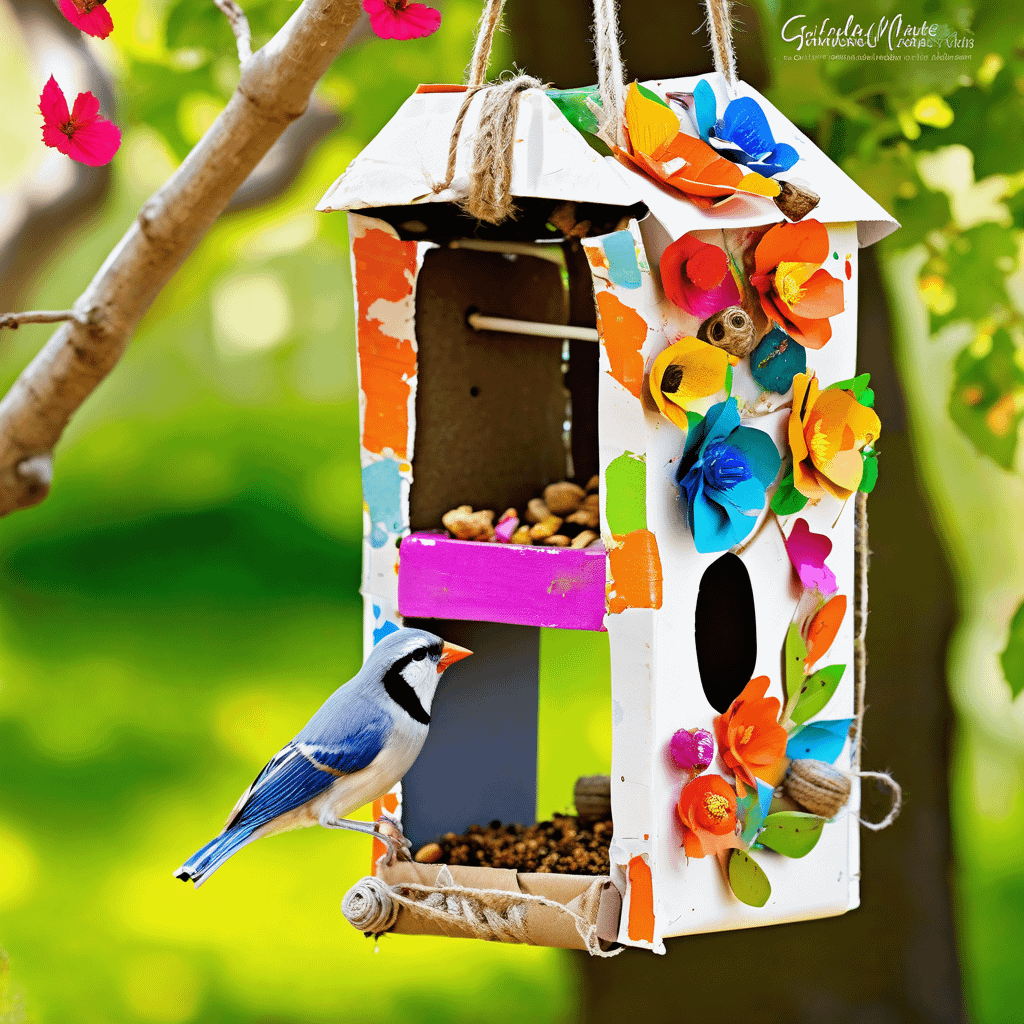
Select feeders based on the birds you want to attract. Tube feeders suit small songbirds. Hopper feeders hold more seeds and attract larger birds. Platform feeders offer easy access for many species.
Use feeders made of durable materials like metal or wood. Clean feeders regularly to prevent disease. Fill them with seeds suited to local birds. Black oil sunflower seeds attract many types. Nyjer seeds are ideal for finches.
Placing Nesting Boxes Correctly
Place nesting boxes in quiet, sheltered spots away from strong winds. Mount boxes 5 to 10 feet off the ground. Face the entrance away from prevailing winds. Avoid placing boxes near feeders to reduce disturbance.
Use predator guards to protect nests from cats and raccoons. Check boxes yearly for damage and clean them after each breeding season. Proper placement and care increase chances of birds nesting successfully.
Creating Shelter And Perching Spots
Creating shelter and perching spots is key to attracting birds to your backyard. Birds need safe places to rest, hide from predators, and watch for food. Providing natural and comfortable areas encourages them to stay longer and visit often.
Good shelter offers protection from weather and danger. Perching spots give birds places to sit and observe their surroundings. Both elements work together to create a welcoming habitat.
Using Trees And Shrubs
Trees and shrubs provide natural cover and perches for birds. They offer shade and protection from wind and rain. Choose native plants that produce berries or seeds to feed birds.
Dense bushes create safe nesting spots. Taller trees give birds high lookout points. Mixing different plant heights adds variety and shelter options.
Incorporating Natural Materials
Natural materials like branches, twigs, and leaves add comfort and shelter. Place small piles of twigs in quiet corners as resting spots. Use leaf litter to cover the ground for insects birds eat.
Old logs or stumps can serve as perching areas. Avoid artificial items; birds prefer natural textures. These materials blend into the environment and feel safer to birds.
Avoiding Harmful Chemicals
Choose natural materials and avoid pesticides to keep birds safe. Chemicals can harm their health and reduce insects they eat. Creating a chemical-free space helps birds thrive in your backyard.
Creating a bird-friendly backyard means keeping it free from harmful chemicals. Birds are sensitive to toxins found in many garden products. Eliminating these chemicals supports a safe environment for them. This approach not only protects birds but also benefits your entire garden ecosystem.Safe Pest Control Options
Switch to natural pest control methods to protect birds. Use neem oil or insecticidal soap. They keep pests away without harming birds. Introduce beneficial insects like ladybugs. They help control aphid populations naturally. Consider homemade solutions like garlic or chili sprays. These are effective and safe for birds.Benefits Of Organic Gardening
Organic gardening creates a healthier habitat for birds. It improves soil quality by using compost instead of chemical fertilizers. This enriches the soil, promoting plant growth. Healthy plants attract more insects, providing food for birds. Organic gardening also reduces water pollution. It prevents harmful runoff into waterways. This keeps local ecosystems balanced and thriving.Monitoring And Maintaining The Habitat
Regularly check your bird habitat for damage or dirt. Keep water fresh and clean to attract birds. Replace old plants and remove harmful debris to ensure a safe space.
Creating a bird habitat in your backyard is a rewarding endeavor. Once established, monitoring and maintaining it is crucial. This ensures a safe and inviting space for our feathered friends. Regular attention helps you enjoy the beauty and activity of birds.Regular Cleaning And Upkeep
Keep feeders and birdbaths clean to prevent disease. Use mild soap and water for cleaning. Rinse thoroughly to remove soap residue. Check for mold and debris in birdhouses. Clear them regularly to keep birds healthy. Replace old nesting materials with fresh ones. Trim overgrown plants that may obstruct bird movement. Keep the area tidy to make it attractive for birds.Observing Bird Activity
Watch for different bird species visiting your habitat. Note the times and seasons they appear. Identify feeding and nesting patterns. This helps you adjust the habitat for diverse species. Observe any unusual behavior or health issues. Sick or injured birds need special care. Record your observations in a journal. It aids in tracking changes over time. Enjoy the simple pleasure of watching birds thrive.
Credit: underatinroof.com
Credit: magickidslearning.com
Frequently Asked Questions
What Materials Are Best For Building A Bird Habitat?
Use natural materials like wood, twigs, leaves, and pinecones. Avoid treated wood or toxic substances. These materials create a safe, comfortable environment for birds to nest and find shelter.
How Can I Attract Birds To My Backyard Habitat?
Provide food sources like seeds, fruits, and nectar. Add water features and plant native trees or shrubs. These elements offer food, water, and shelter, encouraging birds to visit your habitat.
What Plants Are Ideal For Bird Habitats?
Choose native plants that produce berries, seeds, and nectar. Examples include coneflowers, sunflowers, and dogwood. Native plants support local bird species and promote a balanced ecosystem in your yard.
How Do I Keep My Bird Habitat Safe From Predators?
Place feeders and nests high off the ground. Avoid using chemicals or pesticides nearby. Create dense shrubs or thorny bushes as natural barriers to protect birds from predators.
Conclusion
Creating a bird habitat in your backyard brings joy and life to your space. Birds find food, water, and shelter easily. You help nature by planting native plants and adding bird feeders. Watching birds visit feels peaceful and fun. Small steps make a big difference for local wildlife.
Start today and enjoy the beauty birds bring to your home. Your backyard can become a safe place for many feathered friends. Give birds a chance, and they will repay you with their songs.




