
Are you wondering how big the hole for your bird house should be? Getting the size just right is key to inviting the perfect feathered guests.
Too small, and birds won’t enter; too large, and unwanted visitors might move in. You’ll discover the ideal hole size to attract the birds you want, keep them safe, and make your birdhouse a cozy home. Keep reading to learn simple tips that will make your birdhouse a favorite spot for nature’s little friends.
Choosing Hole Size By Bird Species
Choosing the right hole size for a birdhouse is key to attracting the right bird species. Different birds prefer different hole diameters. The hole size controls which birds can enter and nest safely. Small birds need small holes for protection. Medium birds require moderate sizes. Large birds need bigger openings to fit comfortably. Matching the hole size to the bird species helps create a safe home.
Small Birds
Small birds like chickadees and wrens prefer hole sizes between 1 to 1.25 inches. These tiny entrances keep out bigger birds and predators. Small holes offer safety and warmth. Ideal hole sizes include:
- 1 inch for chickadees
- 1.125 inches for house wrens
- 1.25 inches for nuthatches
Medium Birds
Medium birds such as bluebirds and tree swallows need hole sizes from 1.5 to 1.75 inches. These sizes allow easy access but keep larger birds away. Proper hole dimensions help attract these species. Common hole sizes for medium birds are:
- 1.5 inches for bluebirds
- 1.5 to 1.75 inches for tree swallows
Large Birds
Large birds like woodpeckers and owls require holes larger than 2 inches. These birds need spacious entrances to enter and exit easily. Bigger holes help accommodate their size safely. Typical hole sizes include:
- 2.25 inches for downy woodpeckers
- 3 inches or more for screech owls
Measuring Hole Diameter
Measuring the hole diameter of a birdhouse is vital for attracting the right birds. The size controls which birds can enter and nest safely. A correctly sized hole keeps predators out and provides comfort for birds. Taking precise measurements ensures your birdhouse serves its purpose well. It also helps create a welcoming home for local bird species.
Using Tools For Accuracy
Use a ruler or caliper to measure the hole diameter accurately. A caliper gives precise readings in millimeters or inches. A flexible tape measure can also work for irregular shapes. Measure across the widest part of the hole. Take multiple measurements to avoid errors. Record the smallest and largest values to find an average. This helps ensure the hole fits the intended bird species perfectly.
Ideal Hole Shapes
Round holes are the most common and preferred shape. Birds find circular entrances easier to enter and exit. Avoid sharp edges or irregular shapes that can harm birds. Smooth the hole edges with sandpaper or a file. Some species prefer slightly oval holes, but only if the size matches their body shape. Keep the hole size consistent to prevent unwanted visitors. Proper shape and size create a safe and inviting birdhouse entrance.
Materials And Construction Tips
Choosing the right materials and construction techniques for your birdhouse can make all the difference in attracting feathered friends and ensuring the house lasts through seasons. Materials not only affect durability but also the comfort and safety of the birds. Paying attention to these details helps you build a birdhouse that stands out and serves its purpose well.
Wood Types
Wood is the preferred material for birdhouses because it’s natural, breathable, and easy to work with. Cedar and pine are popular choices due to their resistance to weather and insects. Cedar, in particular, lasts longer outdoors without needing chemical treatments that could harm birds.
Try to avoid treated wood or plywood with glues, as they can emit harmful fumes. If you want to paint or seal the wood, use non-toxic, water-based products. This ensures your birdhouse stays safe and inviting.
Hole Reinforcement
The hole size is crucial, but reinforcing it can prevent damage over time. Birds often peck at the edges, which can splinter the wood and create sharp edges harmful to them. Adding a metal or plastic ring around the hole protects it and extends your birdhouse’s life.
You can buy metal hole protectors online or repurpose a washer or a piece of thin sheet metal. Attach it securely with small nails or screws, but avoid large fasteners that can split the wood. Have you noticed chipped holes on old birdhouses? Reinforcement prevents that problem and keeps your birdhouse looking neat for years.

Credit: bettercrafter.com
Placement And Height Considerations
Choosing the right place and height for a bird house is important. Proper placement helps birds feel safe and encourages them to nest. Height and distance from dangers affect bird activity and protection.
Safe Distances
Keep bird houses away from busy areas and predators. Avoid placing them near playgrounds or noisy spots. Maintain distance from trees where cats or squirrels can jump. A good rule is to place bird houses at least 10 feet from thick branches.
Also, avoid placing houses too close to each other. Space them about 20 to 30 feet apart. This reduces fights between birds and increases nesting success.
Optimal Mounting Heights
Mount bird houses at heights that match the bird species you want to attract. Smaller birds prefer houses 5 to 10 feet above ground. Larger birds often choose nests 10 to 20 feet high.
Keep bird houses high enough to avoid ground predators. Use poles or trees to mount them securely. Avoid placing houses too low where pets or children can reach.
Avoiding Predators And Weather Risks
Choosing the right hole size for your birdhouse is not just about attracting birds but also about keeping them safe. Predators and harsh weather can quickly turn a cozy home into a dangerous trap. Protecting your feathered friends requires thoughtful design choices that go beyond simple measurements.
Protective Features
To keep predators out, consider adding a metal guard around the entrance hole. This prevents squirrels and larger birds from chewing or enlarging the hole. You can also position the hole at least 6 feet off the ground and away from branches that predators could use as bridges.
Another tip is to avoid perches near the hole. They make it easier for predators to land and attack. Instead, choose a smooth surface below the entrance to make climbing difficult. Have you noticed how some birdhouses have angled roofs or deeper holes? These features help birds feel secure and discourage unwanted guests.
Weatherproofing Ideas
Protecting the birdhouse from weather means using durable, untreated wood like cedar or pine. These woods resist rot and keep the inside dry. Adding a slight overhang above the hole shields birds from rain and strong winds.
Ventilation holes near the top improve airflow without creating drafts. This balance keeps the air fresh and prevents overheating on sunny days. If you live in a colder area, think about insulating the birdhouse walls slightly or placing it in a spot with partial shade to avoid temperature extremes.

Credit: us.amazon.com
Monitoring And Maintenance
Choosing the right size hole for a birdhouse is crucial for attracting desired bird species. A hole too large invites predators, while one too small might deter birds. Regular monitoring and maintenance ensure the birdhouse remains safe and inviting for its feathered occupants.
Monitoring and maintenance are crucial aspects of ensuring your birdhouse remains a welcoming and safe environment for its feathered residents. Regularly checking the condition of the birdhouse, including the size and wear of the entry hole, can prevent potential problems. Simple maintenance routines can extend the life of your birdhouse and keep it in optimal condition for nesting birds.Cleaning Schedules
Keeping your birdhouse clean is essential to prevent disease and attract new occupants. Aim to clean your birdhouse at least once a year, ideally in the fall after the nesting season has ended. You can use a gentle scrub brush and mild soap solution to remove debris, ensuring all soap is thoroughly rinsed away. During cleaning, inspect the inside for any signs of pests or mold. Removing these hazards ensures a healthier environment for future inhabitants. Consider setting a reminder in your calendar to make this task part of your regular routine.Checking Hole Wear
The entry hole of a birdhouse is more than just an entrance; it’s a key element of the birdhouse’s structure. Over time, exposure to weather can enlarge or degrade the hole, making it too big for intended bird species and inviting predators or unwanted guests. Regularly inspect the hole for signs of wear. If you notice it has become too large, you may need to install a metal guard around it to preserve its size. This small adjustment can make a significant difference in maintaining the safety and integrity of the birdhouse. Have you ever thought about how even minor wear and tear could affect the inhabitants of your birdhouse? By paying attention to these details, you ensure that your birdhouse continues to be a safe haven for birds.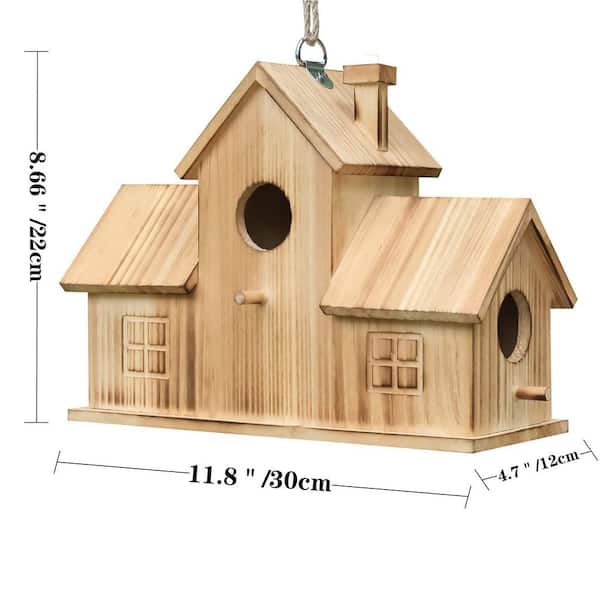
Credit: www.homedepot.com
Frequently Asked Questions
What Is The Ideal Hole Size For A Bird House?
The ideal hole size varies by bird species. For small birds, use 1 to 1. 5 inches diameter. Larger birds need holes up to 2 inches. Correct hole size ensures safety and attracts the right birds.
How Does Hole Size Affect Bird House Occupancy?
Hole size controls which birds can enter. Too large a hole invites predators or unwanted species. Too small a hole prevents birds from nesting. Matching hole size to target species improves occupancy rates.
Can Hole Size Influence Bird House Safety?
Yes, the hole size protects birds from predators. Smaller holes keep out larger animals. Proper sizing reduces nest disturbances and increases breeding success. Safety is key to a functional bird house.
Should Hole Size Vary By Bird Species?
Absolutely. Different birds need specific hole sizes. For example, chickadees prefer 1 1/8 inches, while bluebirds use 1 1/2 inches. Tailoring hole size attracts desired species and supports their nesting habits.
Conclusion
Choosing the right hole size helps birds feel safe and welcome. Small birds need smaller holes to keep out bigger birds. Big holes may let predators inside. Measure carefully before drilling to suit your bird’s needs. A well-sized hole invites birds to nest and raise young.
Watch and enjoy the lively visitors your birdhouse attracts. Simple steps make a big difference in birdhouse success. Keep learning about birds for better nesting results next time.




