
Have you ever wondered if the cheerful birds you see outside your window could be spreading bird flu? It’s natural to worry about your health and the safety of your home.
Understanding how bird flu spreads can help you protect yourself and your loved ones. You’ll discover the truth about songbirds and their role in carrying this disease. Keep reading to learn what you need to know to stay safe and enjoy the beauty of nature without fear.

Credit: www.cbc.ca
Songbirds And Bird Flu Basics
Understanding the basics of songbirds and bird flu helps to clarify their role in spreading the virus. Songbirds are small, colorful birds found in many places worldwide. Bird flu, or avian influenza, is a virus that affects birds and can sometimes infect humans. Knowing which songbirds are common, what types of bird flu exist, and how the virus spreads is important for safety and awareness.
Common Songbird Species
- American Robin
- Northern Cardinal
- House Finch
- Blue Jay
- Song Sparrow
These species often visit gardens and parks. They live close to humans but usually avoid waterfowl habitats.
Bird Flu Virus Types
- Low Pathogenic Avian Influenza (LPAI)
- Highly Pathogenic Avian Influenza (HPAI)
LPAI causes mild illness in birds. HPAI can cause severe disease and death. Both types mainly affect waterfowl and poultry.
Transmission Pathways
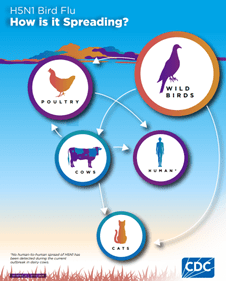
Bird flu spreads mostly through direct contact with infected birds. Virus particles can be in droppings, saliva, or nasal secretions. Contaminated water or surfaces also help spread the virus. Songbirds rarely carry or spread bird flu because they have limited contact with infected waterfowl or poultry.
Credit: eriecountypa.gov
Songbirds As Carriers
Songbirds are small, common birds found in many environments. They often live close to humans and other animals. Understanding their role in spreading bird flu helps protect both wildlife and people. Songbirds can carry viruses without showing signs of illness. This makes studying them important for tracking bird flu risks.
Evidence From Field Studies
Researchers have found bird flu viruses in some wild songbirds. Tests show that these birds can carry the virus on their feathers or in droppings. Field studies reveal that songbirds sometimes visit farms or areas with poultry. This contact increases the chance of virus spread. However, the infection rate in songbirds is lower than in waterfowl.
Role In Virus Spread
Songbirds can move bird flu viruses between different locations. They travel across wide areas during migration or daily feeding. These birds may contaminate water or food sources. Poultry and other birds can then get infected. Songbirds act as links in the virus transmission chain. Their small size and fast movement make them hard to monitor.
Asymptomatic Carriers
Many songbirds carry bird flu without getting sick. This means they show no symptoms but still spread the virus. Asymptomatic carriers can infect other birds unknowingly. This silent spread complicates efforts to control outbreaks. Monitoring these carriers is crucial for early detection. It helps prevent the virus from reaching farms and wild bird populations.
Risks To Humans And Poultry
Understanding the risks that songbirds pose to humans and poultry is vital. While these small birds add charm to our surroundings, they can also carry viruses, including bird flu. Assessing these risks helps you protect your health and your farm’s livelihood.
Potential For Zoonotic Transmission
Songbirds can carry bird flu viruses, but transmission to humans is rare. Most bird flu cases in people come from close contact with infected poultry rather than wild birds. However, if you handle sick or dead birds without protection, you increase your risk of infection.
Have you ever wondered how often casual birdwatchers or backyard bird feeders might get exposed? Simple actions like washing hands after contact and avoiding touching bird droppings can reduce your risk significantly.
Impact On Poultry Farms
Bird flu outbreaks can devastate poultry farms quickly. Songbirds may act as carriers, spreading the virus through droppings or by direct contact with domestic birds. This can lead to large-scale culling and economic losses.
Farmers must be vigilant in keeping wild birds away from poultry areas. Using bird-proof nets and maintaining clean water sources are practical steps you can take to minimize risk.
Case Studies Of Outbreaks
Several outbreaks have shown how songbirds contributed to spreading bird flu among poultry. In 2015, a farm in the United States experienced a sudden outbreak traced back to wild birds mingling near poultry houses. The result was loss of thousands of birds and strict quarantine measures.
Another example from Europe revealed that migratory songbirds carried the virus across regions, impacting multiple farms. These cases highlight how interconnected wildlife and agriculture are—and why you should stay informed and prepared.

Credit: www.seattletimes.com
Environmental Factors Influencing Spread
Environmental factors play a crucial role in how bird flu spreads among songbirds and between wild birds and poultry. Understanding these factors helps you see the bigger picture of disease transmission. Let’s look closely at key elements like migration, habitats, and seasonal changes that can influence the spread.
Migration Patterns
Songbirds often travel thousands of miles during migration, crossing regions and countries. This movement can carry the virus to new areas where it wasn’t present before.
Have you ever noticed how flocks change direction suddenly? This behavior can bring infected birds into contact with healthy populations, increasing the risk of bird flu transmission. Tracking migration routes can help predict potential outbreak zones.
Habitat Overlap With Poultry
Songbirds sometimes share spaces with domestic poultry, especially near farms or backyard coops. This overlap creates opportunities for the virus to jump from wild birds to domestic birds.
Think about your local environment—do you have bird feeders or water sources near your poultry? Simple actions like maintaining distance and hygiene can reduce the chances of cross-species infection.
Seasonal Variations
Bird flu cases often spike during certain seasons, linked to changes in temperature and bird behavior. Cooler, wetter months encourage closer bird gatherings, which can increase virus spread.
You might wonder why outbreaks seem seasonal. Seasonal shifts affect immune strength and bird interactions, making some times of the year riskier. Knowing this can help you take timely precautions to protect both wild and domestic birds.
Preventive Measures And Monitoring
Preventing the spread of bird flu through songbirds requires ongoing vigilance and smart monitoring. You need a clear plan that combines technology, good habits, and community involvement. These measures help catch risks early and reduce the chance of outbreaks.
Surveillance Techniques
Keeping track of bird flu involves regular checks of wild and domestic bird populations. Experts use methods like mist-netting and bird banding to safely capture and test songbirds for the virus. Remote sensing and camera traps also help monitor bird behavior without disturbing them.
Have you ever wondered how scientists spot disease trends before they become big problems? Early detection through these techniques allows quick action, which can protect both birds and humans.
Biosecurity Practices
Simple changes in daily routines can stop bird flu from spreading. Cleaning bird feeders and birdbaths regularly reduces contamination risks. If you care for poultry or wild birds, avoid contact between them and wild songbirds by using barriers or separate feeding areas.
Consider disinfecting your hands and tools after handling birds or cleaning cages. These small steps make a big difference in keeping viruses at bay.
Community Awareness
Your role in spreading accurate information is crucial. Educate neighbors and friends about the risks and preventive actions related to bird flu. Community workshops and social media campaigns can motivate more people to take responsibility.
Have you shared tips on how to safely enjoy watching birds without endangering them? Encouraging others to report sick or dead birds promptly can lead to faster containment of the virus.
Future Research Directions
Exploring how songbirds contribute to bird flu spread offers key insights into disease control. Future research may focus on tracking songbird migration patterns and virus transmission routes. Understanding these factors could lead to effective prevention strategies.
In exploring how songbirds might spread bird flu, future research is vital. Scientists need to understand these birds’ roles in virus transmission. This knowledge helps predict and control outbreaks. Several research directions offer promising insights.Gaps In Current Knowledge
Understanding songbirds’ exact role in bird flu transmission remains unclear. There is limited data on how these birds interact with other species. Researchers need more studies on songbird migration patterns. This helps identify potential spread routes. Current research mostly focuses on waterfowl. Songbirds might also play a crucial role.Technological Advances
New technology can enhance research efforts. Advanced tracking devices offer detailed migration data. Researchers can map songbird movements more accurately. Genetic sequencing tools can identify virus strains in birds. This helps track mutations and virus evolution. Using these tools can shed light on songbirds’ roles in spreading bird flu.Collaborative Efforts
Collaboration among scientists is essential. Sharing data across countries can offer broader insights. International partnerships can help monitor songbird populations. Joint efforts can lead to better surveillance systems. These collaborations can enhance global understanding of bird flu transmission. Working together can lead to more effective solutions.Frequently Asked Questions
Can Songbirds Carry Bird Flu Viruses?
Yes, songbirds can carry bird flu viruses, but they rarely spread the disease. Most outbreaks involve waterfowl and poultry, not songbirds.
How Do Songbirds Transmit Bird Flu?
Songbirds may spread bird flu through their droppings, feathers, or direct contact, but transmission risk is very low.
Are Songbirds A Threat To Poultry Farms?
Songbirds pose a minimal threat to poultry farms. Biosecurity measures focus more on waterfowl and wild birds that carry bird flu.
What Symptoms Do Songbirds Show If Infected?
Infected songbirds often show no symptoms. If sick, they may appear lethargic or have difficulty flying.
Conclusion
Songbirds do not play a major role in spreading bird flu. Most cases come from waterfowl and poultry. Still, it is good to watch birds safely. Avoid touching wild birds or their droppings. Keep your distance to stay healthy. Bird flu spreads mainly through close contact.
Protect your pets and farm birds too. Staying informed helps prevent illness. Simple actions can reduce risks. Care for nature and yourself.




