
Have you ever wondered if birds actually remember where your feeders are? Imagine watching your feathered friends return day after day, always finding their way back to your backyard.
It’s not just luck or chance—they might have a memory far sharper than you think. Understanding how birds remember feeding spots can change the way you attract and care for them. Keep reading, and you’ll discover surprising facts that will make your birdwatching experience even more rewarding.

Credit: www.birdwatchingdaily.com
Birds’ Memory Capabilities
Birds have impressive memory skills that help them survive. Their ability to remember locations, like feeders, shows complex brain functions. These skills help them find food, avoid danger, and navigate large areas. Understanding how birds remember can reveal much about their behavior and intelligence.
Types Of Memory In Birds
Birds use different types of memory to store information. Some key types include:
- Spatial memory:Remembering places and routes.
- Working memory:Holding information for a short time to solve problems.
- Long-term memory:Storing important details over weeks or months.
Many birds have strong spatial memory to find feeders or nests. This helps them return to the same spot repeatedly. They also use long-term memory to recall safe locations or food sources.
How Birds Navigate Their Environment
Birds use memory and senses to move through their surroundings. They recognize landmarks like trees, buildings, or water bodies. This visual information guides them to familiar places.
Some birds also use the sun and stars for direction. Their brains combine these cues with memory for precise navigation. This skill helps them travel long distances and find feeders quickly.

Credit: birdfact.com
Feeder Location And Bird Behavior
Birds rely heavily on their surroundings to locate food sources. The position of a feeder affects how quickly birds find it and how often they return. Understanding bird behavior around feeders helps in placing them where birds feel safe and comfortable. The right location encourages frequent visits and better feeding habits.
How Birds Find Feeders
Birds use memory and their keen senses to find feeders. They often remember spots where food was available before. Birds explore areas near their nests or regular perches first. They also follow other birds to new food sources. Repeated visits help them learn exact feeder locations quickly.
Role Of Landmarks And Visual Cues
Birds depend on landmarks to navigate and locate feeders. Trees, buildings, and unique objects act as visual guides. Bright colors on feeders make them easier to spot from a distance. Birds use these cues to create mental maps of feeding areas. Clear surroundings improve their ability to remember feeder spots.
Species That Excel At Remembering Feeders
Certain bird species have an impressive ability to remember the locations of feeders. This skill helps them find food quickly and avoid wasting energy searching. Their strong spatial memory also aids in survival during harsh conditions.
These birds can recall specific places even after long times. Their brains are adapted to store and retrieve detailed information about their environment. Understanding which species excel at this can help bird watchers place feeders more effectively.
Examples Of Birds With Strong Spatial Memory
- Clark’s Nutcracker:Known for hiding thousands of seeds and remembering their spots for months.
- Scrub Jays:Able to recall where they stored food and even what kind of food they hid.
- European Jays:Use landmarks to find hidden nuts and seeds with high accuracy.
- Chickadees:Remember feeder locations in their territory and revisit them regularly.
Comparison Between Species
| Species | Memory Duration | Food Type Stored | Memory Accuracy |
|---|---|---|---|
| Clark’s Nutcracker | Up to 9 months | Pine seeds | Very high |
| Scrub Jay | Several weeks | Mixed food items | High |
| European Jay | Several weeks | Nuts | Moderate to high |
| Chickadee | Days to weeks | Seeds and insects | Moderate |
Impact Of Feeding Patterns On Memory
Birds rely heavily on memory to find food sources. Feeding patterns shape how well birds remember feeder locations. Regular feeding helps birds build strong mental maps. These maps guide them back to feeders even after long periods.
Changes in feeding routines test birds’ adaptability. Their memory adjusts to new feeder spots over time. Understanding these impacts helps bird lovers support healthy feeding habits.
Effect Of Regular Feeding Schedules
Birds learn quickly when feeders appear at fixed times. Consistent schedules improve their ability to remember locations. They associate feeding times with safety and food availability.
Regular feeding also reduces stress in wild birds. Knowing when to find food saves energy. This strengthens their focus and memory skills.
How Birds Adapt To Changes In Feeder Placement
Birds notice even small shifts in feeder position. At first, they may search nearby spots. Their memory updates with each visit to new locations.
Some bird species show high flexibility. They explore and remember multiple feeder sites. This ability helps them survive in changing environments.
Feeder relocation can encourage birds to learn new routes. It keeps their brains active and sharp. Gradual changes work best to avoid confusion.
Scientific Studies On Bird Memory
Scientific studies on bird memory have revealed fascinating insights into how our feathered friends navigate the world. Birds, with their remarkable cognitive abilities, often remember the locations of feeders. But how do scientists figure this out? Understanding their memory and spatial navigation skills offers a deeper appreciation of bird behavior and ecology.
Key Experiments And Findings
Researchers have conducted numerous experiments to understand bird memory. One significant study involved marking locations of feeders with specific colors. Birds were able to return to the correct colored feeder even after several days, indicating strong memory retention.
Another experiment tracked birds’ ability to locate feeders after they were moved. Surprisingly, many birds quickly adapted, demonstrating not only memory but also spatial problem-solving skills. These findings suggest that birds use a combination of landmarks and memory to find food sources.
Technologies Used To Track Bird Movements
Modern technology has significantly advanced our understanding of bird navigation. GPS tracking devices, for example, are now small and light enough to be attached to birds. These devices provide real-time data on bird movements, helping scientists understand how they remember feeder locations.
Radio frequency identification (RFID) tags are another tool used to study bird behavior. These tags can be placed near feeders to detect when a bird visits, offering insights into their feeding patterns. Data collected from RFID and GPS technologies helps refine our understanding of bird memory and decision-making processes.
Ever wondered how far a bird will travel to find a familiar feeder? These technologies allow us to answer such intriguing questions, shedding light on the complex cognitive world of birds. As we continue to study these creatures, we unlock more secrets about their impressive navigational skills.
Tips For Birdwatchers To Attract And Help Birds
Attracting birds to your yard creates a lively and joyful environment. Helping birds find food supports their survival, especially in tough seasons. Simple changes can make a big difference in how often birds visit your feeders. Understanding bird habits helps you offer the best care.
Best Feeder Placement Strategies
Place feeders where birds feel safe from predators. Near trees or shrubs offers good cover and shelter. Avoid placing feeders too close to windows to prevent collisions. A spot with some sunlight helps birds see food easily. Keep feeders clean and dry to avoid mold and disease. Change the feeder location occasionally to keep birds curious and returning.
Choosing Food To Encourage Return Visits
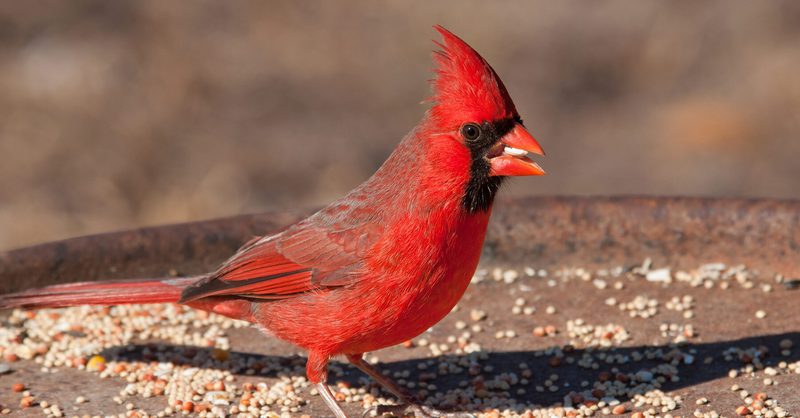
Select food types that suit local bird species. Black oil sunflower seeds attract many small birds. Nyjer seed is popular with finches and siskins. Peanuts or suet attract woodpeckers and nuthatches. Avoid salted or flavored seeds that can harm birds. Offer fresh water nearby to help birds drink and bathe. Change seeds regularly to keep food fresh and appealing.
Credit: birdfact.com
Frequently Asked Questions
Do Birds Remember Bird Feeder Locations?
Yes, many bird species have excellent spatial memory. They can remember feeder locations to find food efficiently. This helps them save energy while searching for food.
How Long Do Birds Remember Feeders?
Birds can remember feeders for days to weeks. Their memory depends on species and food availability. Consistent feeding helps birds retain feeder locations longer.
Why Do Birds Revisit The Same Feeders?
Birds revisit feeders for reliable food sources. Familiar feeders provide safety and consistent nutrition. This behavior increases their survival chances during scarce food times.
Can Young Birds Learn Feeder Locations?
Yes, young birds learn feeder spots from adults. They observe and memorize safe feeding places. This learning ensures they find food independently later.
Conclusion
Birds do remember where feeders are placed. They use sight and memory to find food. This helps them save energy while searching. Feeding birds regularly builds their trust in the spot. Watching them return can be a joyful experience. Keep feeders clean and filled to attract more birds.
This simple act supports local wildlife and nature. Remember, patience brings more visitors to your feeder. Enjoy the beauty of birds coming back again and again.




