
If you’ve played A Hat in Time, you know it’s full of charm and surprises. But have you ever stopped to notice the role that Dead Bird Studios’ cameras play in making the game feel alive?
These cameras don’t just capture scenes—they shape your entire experience. You’ll discover how these clever camera systems work, why they matter, and how they pull you deeper into the vibrant world of A Hat in Time. Get ready to see the game from a whole new angle.
Dead Bird Studios Cameras Basics
Understanding the basics of Dead Bird Studios Cameras in A Hat in Time can really change how you experience the game. These cameras aren’t just props; they add layers of interaction and strategy. Once you get a grip on how they work, you’ll see the game world from fresh angles—literally.
Camera Types In A Hat In Time
A Hat in Time features several types of cameras created by Dead Bird Studios, each with unique behaviors. Some cameras track your movement smoothly, while others snap between fixed points, creating a puzzle-like challenge.
- Fixed Cameras:These stay in one place and only show a specific area. They’re great for focusing on key spots but can limit your view.
- Tracking Cameras:These follow your character dynamically, offering a more fluid perspective. They’re helpful in fast-paced sections.
- Rotating Cameras:These spin around a fixed point, requiring you to time your moves carefully.
Knowing which camera you’re dealing with helps you plan your next move. Have you noticed how some cameras make you pause and think before proceeding? That’s by design.
How Cameras Impact Gameplay
Cameras in A Hat in Time do more than show you the scene—they shape your experience. They can block your view, reveal hidden paths, or even hide dangers. This forces you to adapt and stay alert.
For example, a fixed camera might hide an enemy until you step into view, creating suspense. Or a rotating camera can make a platforming section trickier by shifting your perspective constantly.
Think about a time when a camera angle surprised you. Did it make you more cautious or more curious? That’s the subtle power these cameras have over your gameplay decisions.
Where To Find Dead Bird Studios Cameras
Dead Bird Studios Cameras are scattered throughout various levels, often placed in spots that challenge your observation skills. You won’t always find them in obvious places.
- Look near puzzle areas where the camera angle changes to add complexity.
- Check hidden corners or behind obstacles where cameras might reveal secrets.
- Explore elevated platforms—some cameras give you a bird’s-eye view of the surroundings.
Tracking down these cameras can feel like a mini treasure hunt. Have you tried revisiting levels just to see what new angles you can discover? It’s worth it for the fresh perspective and gameplay twists.
Setting Up Cameras
Setting up cameras in A Hat in Time by Dead Bird Studios adds a fun layer to gameplay. Cameras let you capture moments and explore areas differently. Understanding how to place and use cameras helps you enjoy the game more. This guide focuses on positioning, adjusting settings, and using cameras for exploration.
Positioning For Best Angles
Place cameras where they capture the most action. Look for open spaces with good lighting. Avoid cluttered areas that block the view. Move the camera to different spots to find the best angle. Try higher spots for a wider view. Lower angles can show details up close.
Adjusting Camera Settings
Change camera settings to improve your shots. Adjust zoom to focus on objects or wide scenes. Use brightness and contrast to make images clear. Experiment with different settings to see what works. Keep settings simple for quick changes during gameplay.
Using Cameras For Exploration
Cameras help reveal hidden paths and secrets. Use them to look around corners safely. Capture hard-to-see places without moving your character. Cameras can highlight clues and collectibles nearby. Take your time to explore areas with camera views. This adds depth to your gaming experience.
Advanced Camera Techniques
Advanced camera techniques in A Hat in Time by Dead Bird Studios add depth to gameplay. These techniques help players see the world from unique angles. They improve interaction with moving objects and puzzles. The cameras also work with time rifts, creating dynamic scenes. Understanding these methods enhances player experience and creativity.
Tracking Moving Objects
The camera smoothly follows characters or objects as they move. It adjusts its angle and distance to keep the target in view. This technique helps players stay focused on fast action. It also reduces confusion during complex movements. The camera predicts paths to avoid sudden jumps or cuts.
Combining Cameras With Time Rifts
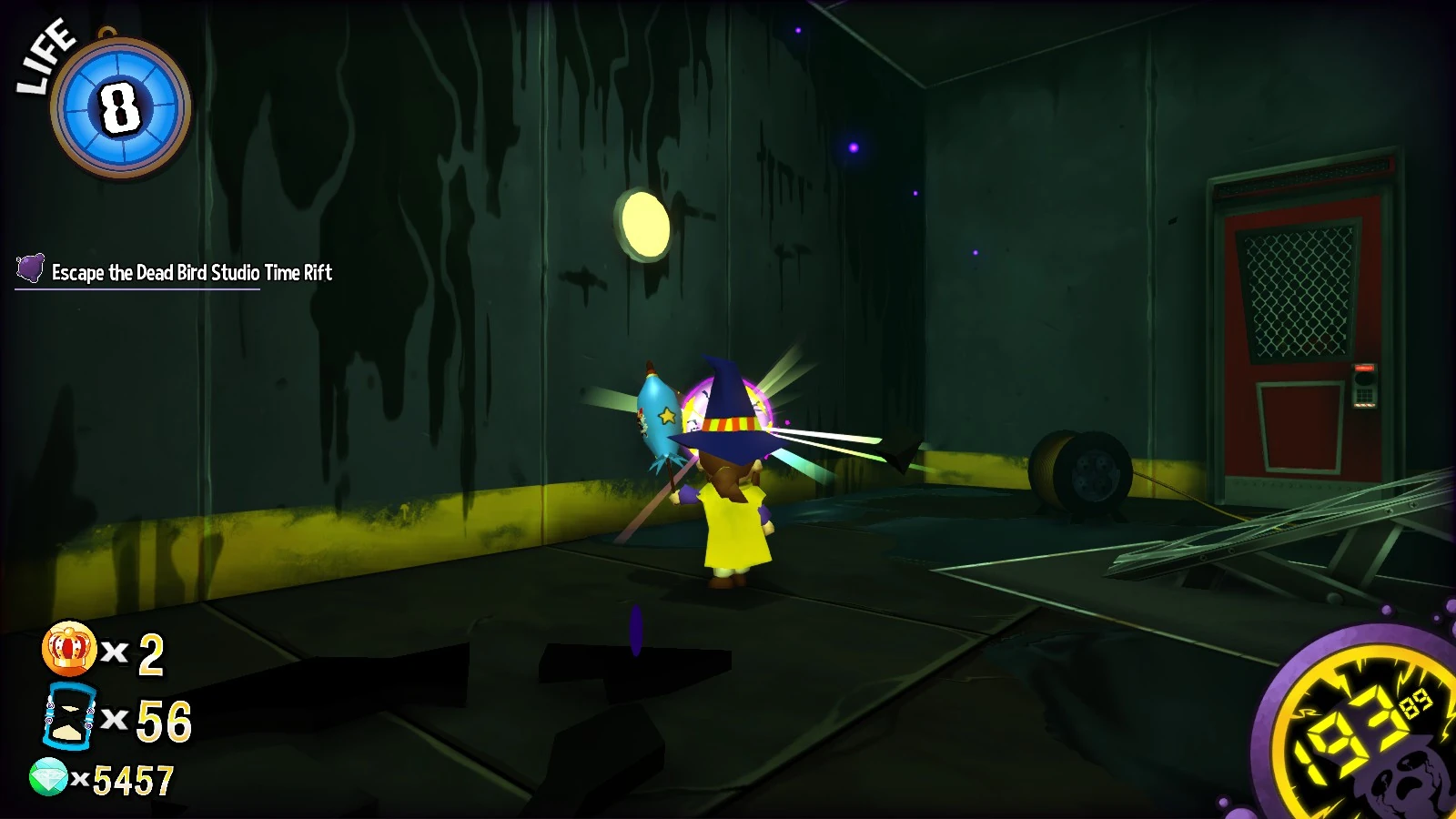
Cameras change perspective during time rift events. They shift to show past, present, or future versions of scenes. This helps players understand how actions affect time. The camera smoothly blends these changes without breaking immersion. It guides players to notice important details across timelines.
Using Cameras For Puzzle Solving
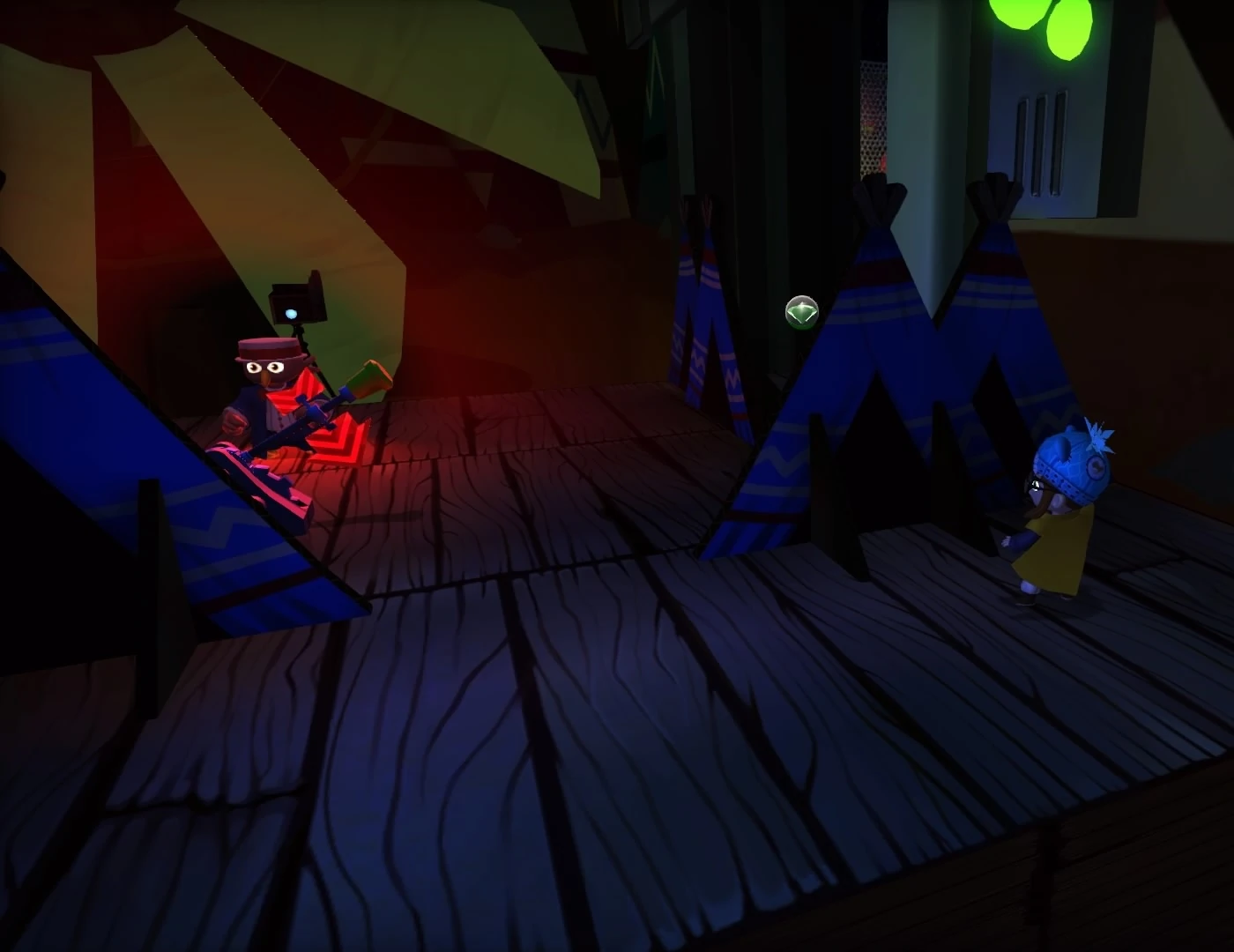
Cameras reveal clues hidden in the environment. They allow players to zoom in on tricky spots or hard-to-see objects. Changing camera angles can uncover new puzzle hints. It encourages exploration and careful observation. This technique makes solving puzzles more intuitive and engaging.
Credit: ahatintime.fandom.com
Tips For Mastering Cameras
Mastering cameras in A Hat in Time by Dead Bird Studios can improve your gameplay experience. Cameras help you see your surroundings clearly. Learning how to control them smoothly lets you explore levels better. Use these tips to handle cameras like a pro.
Common Mistakes To Avoid
- Moving the camera too fast causes disorientation.
- Ignoring camera angles can hide important objects.
- Keeping the camera static reduces visibility in tight spots.
- Overusing automatic camera can lead to awkward views.
- Not adjusting the camera before jumping or running limits control.
Optimizing Camera Performance
Adjust camera speed in settings for smoother motion. Use gradual movements to prevent sudden jerks. Practice rotating the camera around the character to find the best angles. Position the camera to avoid blocking obstacles or enemies. Switch between manual and automatic modes based on the situation.
Leveraging Cameras In Speedruns
Good camera control can save precious seconds in speedruns. Keep the camera focused on your path to avoid delays. Use quick camera adjustments to plan jumps and shortcuts. Avoid unnecessary camera spins that waste time. Study level layouts to predict camera placement and movement.
Hidden Features And Easter Eggs
The Dead Bird Studios Cameras in A Hat in Time offer more than just simple photography. Beneath the surface lie hidden features and Easter eggs that add depth and fun to the gameplay. These secret touches invite players to explore and interact in unique ways.
Discovering these hidden elements can make the experience richer. They encourage curiosity and reward attention to detail. Each camera feature brings a fresh perspective to the vibrant world of A Hat in Time.
Secret Camera Spots
Scattered across the game’s maps are secret camera spots. These locations capture unusual angles and rare scenes.
- Look behind buildings for hidden photo zones.
- Climb high points for panoramic shots.
- Seek out shadowy corners for mysterious images.
These spots often reveal Easter eggs or references to other games. Finding them can unlock special rewards or achievements. Exploring every corner is key to uncovering these treasures.
Unlocking Special Camera Effects
The camera can do more than take pictures. It has special effects that change how photos appear.
- Use filters that alter colors and brightness.
- Activate slow-motion shots for dramatic captures.
- Try different lenses for unique visual styles.
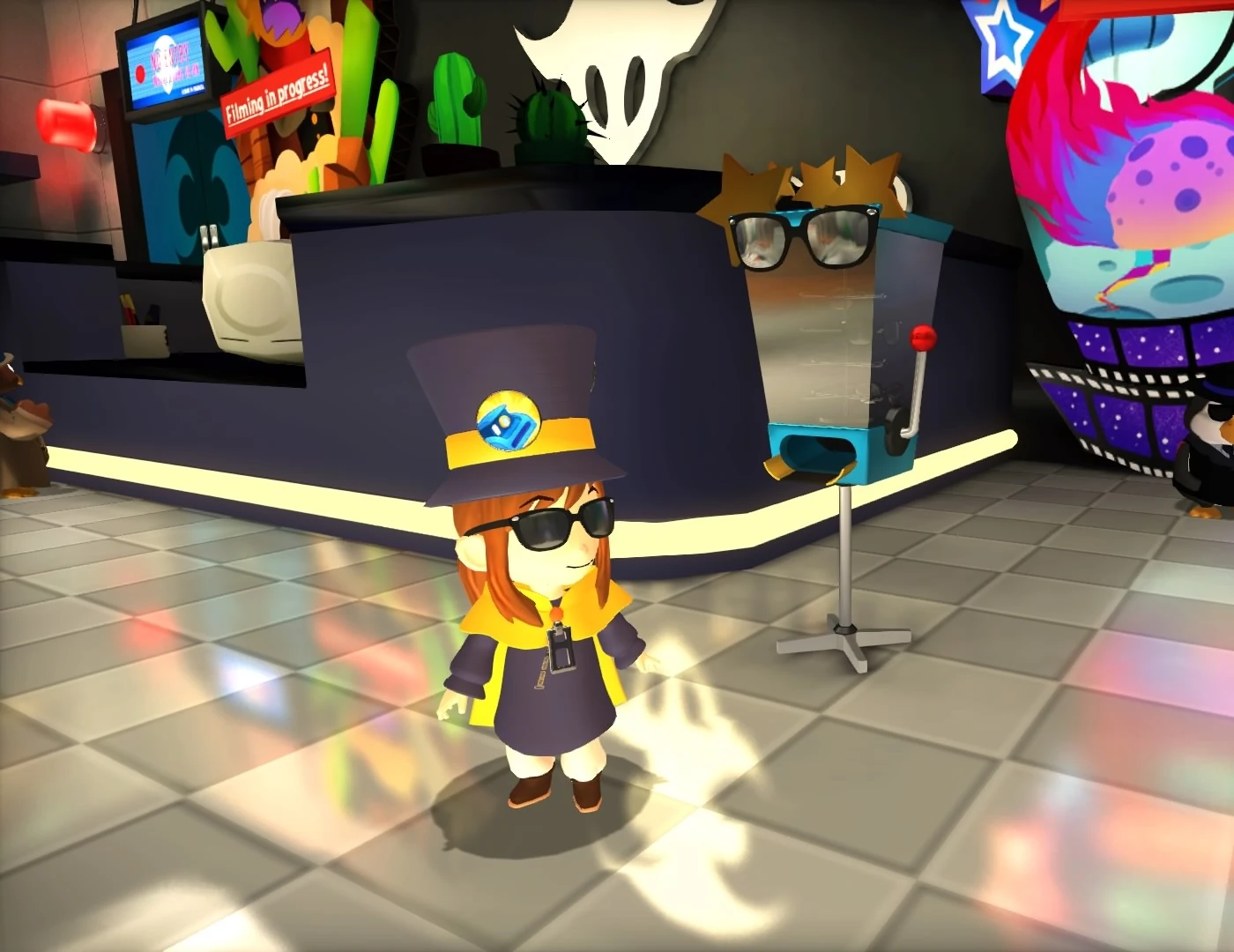
These effects are often hidden and require specific actions. Experimenting with the camera reveals these features. They add creativity and fun to the photography experience in the game.
Credit: ahatintime.fandom.com
Credit: ahatintime.fandom.com
Frequently Asked Questions
What Are Dead Bird Studios Cameras In A Hat In Time?
Dead Bird Studios cameras are in-game tools enhancing player perspective. They add cinematic effects and improve gameplay immersion in A Hat in Time.
How Do Cameras Affect Gameplay In A Hat In Time?
Cameras in A Hat in Time help players navigate levels clearly. They provide dynamic angles, making exploration and platforming easier and more enjoyable.
Can Players Control Dead Bird Studios Cameras Manually?
Yes, players can adjust camera angles manually. This control allows better visibility and strategic planning during challenging sections of the game.
Are Dead Bird Studios Cameras Customizable In A Hat In Time?
The cameras offer limited customization options. Players can modify some settings to tailor their viewing experience but cannot fully redesign camera behavior.
Conclusion
Dead Bird Studios Cameras add charm to A Hat in Time gameplay. They create fun moments and new ways to explore. Players enjoy capturing unique scenes and memories. The cameras fit well with the game’s style and story. They make the adventure more lively and engaging.
Fans of A Hat in Time will find these features interesting. Try using the cameras to see the world differently. Small details like this keep the game fresh and fun.




