
Have you ever wondered where the dodo bird lived before it vanished forever? Understanding the dodo’s habitat reveals surprising facts about this mysterious creature and the world it called home.
By exploring its environment, you’ll uncover clues about why the dodo disappeared and what lessons we can learn from its story. Keep reading to discover the unique place that shaped the life of the dodo bird—and why it matters to you.
Dodo Bird Origins
The dodo bird, a symbol of extinction, once thrived in a unique habitat. Understanding its origins helps us learn about its life and environment. The dodo’s story begins on a remote island with rich natural features. This bird evolved in isolation, adapting to its surroundings over many years.
Geographic Location
The dodo bird lived only on Mauritius Island. Mauritius is in the Indian Ocean, east of Madagascar. This island’s isolation created a safe place for the dodo to evolve. No major predators lived there before humans arrived. This lack of danger influenced the dodo’s behavior and physical traits.
Island Environment
Mauritius had dense forests and a warm climate. The island’s thick vegetation provided food and shelter. The dodo ate fruits, seeds, and roots found on the forest floor. The island’s environment shaped the dodo’s size and flightlessness. With no predators, flying was not needed for survival.

Credit: theorkneynews.scot
Physical Features Of The Habitat
The physical features of the dodo bird’s habitat played a crucial role in shaping its way of life. Understanding these features helps you picture where this unique bird lived and why it evolved the way it did. The habitat was not just a backdrop but an active part of the dodo’s survival story.
Climate And Weather
The dodo lived on the island of Mauritius, which has a tropical climate. You would find warm temperatures year-round, usually ranging from 20°C to 30°C (68°F to 86°F). Rainfall was frequent but varied, leading to distinct wet and dry seasons.
This constant warmth and seasonal rain created a stable environment for the dodo. Imagine walking through a forest where the air feels humid but pleasant, and sudden showers refresh the earth regularly. How do you think such a steady climate influenced the dodo’s behavior and food availability?
Flora And Fauna
The habitat was rich with dense forests and diverse plant life. Tall trees, thick shrubs, and fruit-bearing plants made up most of the vegetation. These plants were essential for the dodo, providing both food and shelter.
Aside from plants, the island housed various animals, but none posed a significant threat to the dodo. This lack of predators allowed the dodo to live relatively safely on the ground. Considering this, how might the dodo’s environment have affected its flightlessness and size?
Ecological Role Of The Dodo
The dodo bird once played a unique and important role in its island ecosystem. Though it was flightless and slow, it influenced the environment in ways that affected many other species. Understanding its ecological role helps you appreciate how interconnected life was on Mauritius, the dodo’s only home.
Diet And Feeding Habits
The dodo mainly fed on fruits, seeds, and roots found on the forest floor. Its strong beak allowed it to crack open hard shells and nuts, giving it access to food that other animals might have ignored.
Interestingly, the dodo’s diet helped spread seeds across the island. Some plants relied on the dodo to eat their fruits and later deposit the seeds through droppings, aiding plant growth. Without the dodo, these plants could have struggled to reproduce effectively.
Interactions With Other Species
The dodo had few natural predators due to its size and the isolated nature of Mauritius. This allowed it to thrive, but it also meant it had little fear of humans and introduced animals like rats and pigs.
Its disappearance disrupted the balance of the ecosystem. Animals that depended on the dodo’s seed dispersal or competed with it for food faced changes. Have you considered how removing just one species can ripple through an environment, affecting many others?
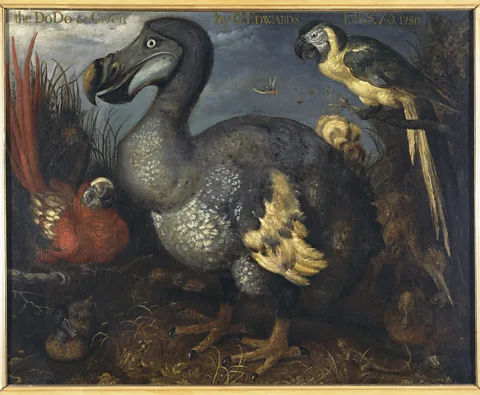
Credit: www.bbc.com
Human Impact On The Habitat
The dodo bird’s habitat was dramatically altered by human activities, leading to its eventual extinction. Understanding the human impact on the dodo’s environment helps you see how fragile ecosystems can be when disrupted. It also raises questions about the responsibility we have toward preserving wildlife today.
Arrival Of Settlers
When humans first arrived on Mauritius, the dodo’s home, they brought more than just curiosity. Settlers introduced new animals like rats, pigs, and monkeys that competed with the dodo for food and sometimes preyed on their eggs.
These invasive species thrived in the island’s environment, causing unexpected pressure on native wildlife. Have you ever thought about how introducing even one new animal to an ecosystem can change everything?
Habitat Destruction
Settlers cleared large parts of the forest to build homes and farms. This deforestation destroyed the dodo’s natural shelter and food sources.
Without enough safe places to live or enough food, the dodo’s survival became impossible. It’s a stark reminder of how quickly human development can disrupt the balance of nature when we don’t consider the consequences.
Scientific Discoveries
Scientific discoveries have played a crucial role in uncovering the mysterious habitat of the dodo bird. These findings help paint a clearer picture of where and how these fascinating creatures once lived. You might be surprised how modern science pieces together clues from the past to bring extinct species back to life in our understanding.
Fossil Evidence
Fossils provide the first solid proof of the dodo’s existence and habitat. Scientists have found dodo bones mainly on Mauritius, an island in the Indian Ocean. These remains help identify the bird’s physical traits and hint at the environment it thrived in.
Digging deeper into the fossil sites, researchers discovered that the dodo lived in forested areas. The bones were often found alongside other animal remains and plant materials, showing a rich ecosystem. This fossil evidence tells you the dodo shared its habitat with giant tortoises and various now-extinct plants.
Habitat Reconstruction
Reconstructing the dodo’s habitat involves more than just fossils. Scientists analyze pollen, seeds, and soil samples to rebuild the island’s ancient landscape. This method reveals the type of vegetation and climate the dodo experienced.
Research shows Mauritius was covered in dense forests with plenty of fruit-bearing trees. Such an environment provided food and shelter for the dodo. By understanding this habitat, you can better appreciate why the dodo evolved to be flightless and adapted to island life.
Have you ever wondered how life on isolated islands shapes the creatures living there? The dodo’s habitat reconstruction gives you a glimpse into nature’s power to create unique species perfectly suited to their surroundings.
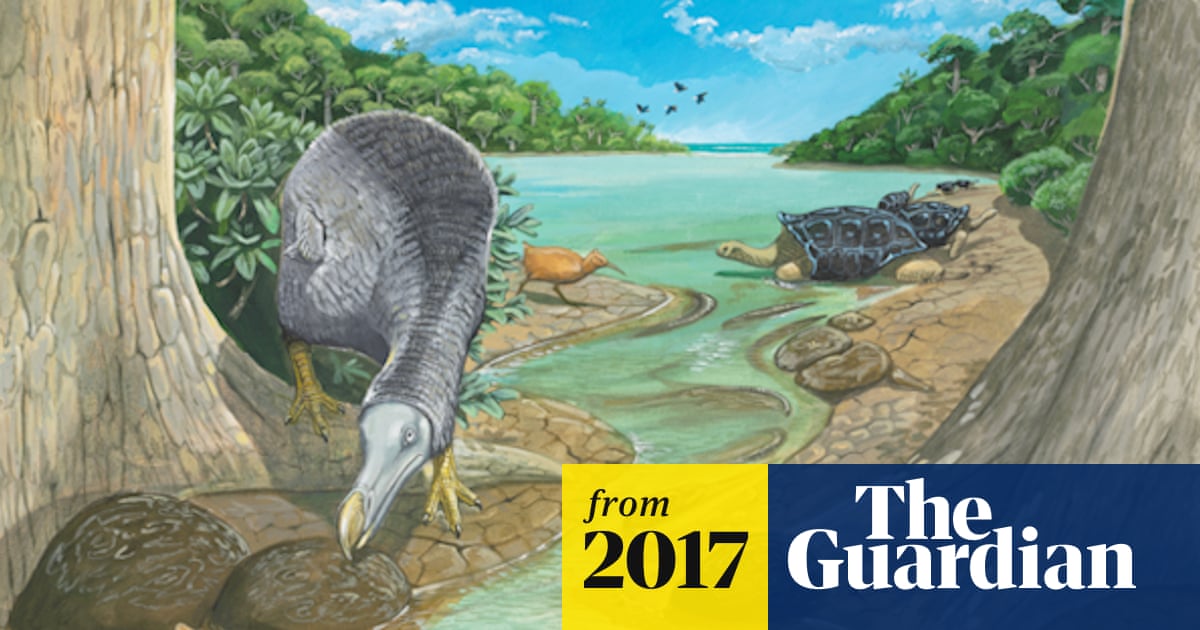
Credit: www.theguardian.com
Frequently Asked Questions
Where Did The Dodo Bird Live Originally?
The dodo bird lived exclusively on Mauritius Island in the Indian Ocean. It inhabited dense forests and coastal areas. This isolated environment had no natural predators before humans arrived.
What Type Of Habitat Did Dodo Birds Prefer?
Dodos preferred subtropical forests with abundant fruit trees. They thrived in lowland forest regions near the coast. These habitats provided food and shelter essential for their survival.
How Did The Dodo’s Habitat Affect Its Behavior?
Living without predators made dodos flightless and ground-nesting. Their habitat’s safety led to evolutionary changes like large size and tame nature. These traits made them vulnerable to human impact.
Why Did Dodo Birds Become Extinct In Their Habitat?
The arrival of humans and invasive species destroyed their habitat. Hunting and introduced animals like rats and pigs decimated dodo populations. Their limited habitat range accelerated their extinction.
Conclusion
The dodo bird lived only on Mauritius Island. It liked forests with many trees and plants. The island had no big animals to scare it. This made the dodo less careful and slow. People and animals brought by humans changed its home.
Sadly, the dodo could not survive these changes. Learning about its habitat helps us protect other animals. Nature needs care to keep all creatures safe. The dodo’s story reminds us of this important truth.




