
Imagine stepping into your backyard and hearing the cheerful songs of colorful birds all around you. Wouldn’t it be amazing to turn your outdoor space into a lively haven for these beautiful creatures?
You can easily attract birds to your backyard with a few simple steps. Whether you want to enjoy their company, help local wildlife, or add a touch of nature’s beauty to your home, this guide will show you exactly how to do it.
Keep reading, and you’ll discover easy tips that bring birds closer to you than ever before.
Choose Native Plants
Choosing native plants plays a key role in attracting birds to your backyard. These plants have grown naturally in your region for years. They provide the right food, shelter, and nesting spots for local birds. Native plants also need less water and care, making your garden eco-friendly and easy to maintain.
Benefits Of Native Flora
Native plants offer many advantages for bird habitats. They produce fruits, seeds, and nectar that birds prefer. Birds can easily find insects on these plants for extra food. The plants create safe hiding places from predators and harsh weather. Using native plants helps preserve the local ecosystem and supports biodiversity. They require fewer chemicals and water, reducing garden maintenance.
Best Plants For Attracting Birds
Select plants that suit your area’s climate and soil. Here are some popular native plants that attract birds:
- Oak trees – provide acorns and shelter
- Sunflowers – offer seeds loved by many birds
- Dogwood – produces berries for birds to eat
- Milkweed – attracts insects that birds feed on
- Elderberry – bears fruit for birds and insects
- Serviceberry – early berries for migrating birds
These plants support a wide range of bird species. Plant a mix to create a diverse and inviting space. Different plants bloom at various times, providing food year-round.
Set Up Bird Feeders
Setting up bird feeders is a great way to invite birds into your backyard. Feeders offer a reliable food source for birds, especially during cold months or dry seasons. By placing feeders in the right spots, you can attract many types of birds. It also creates a lovely view and a peaceful atmosphere for your outdoor space.
Types Of Feeders
Different feeders suit different bird species and foods. Here are common types:
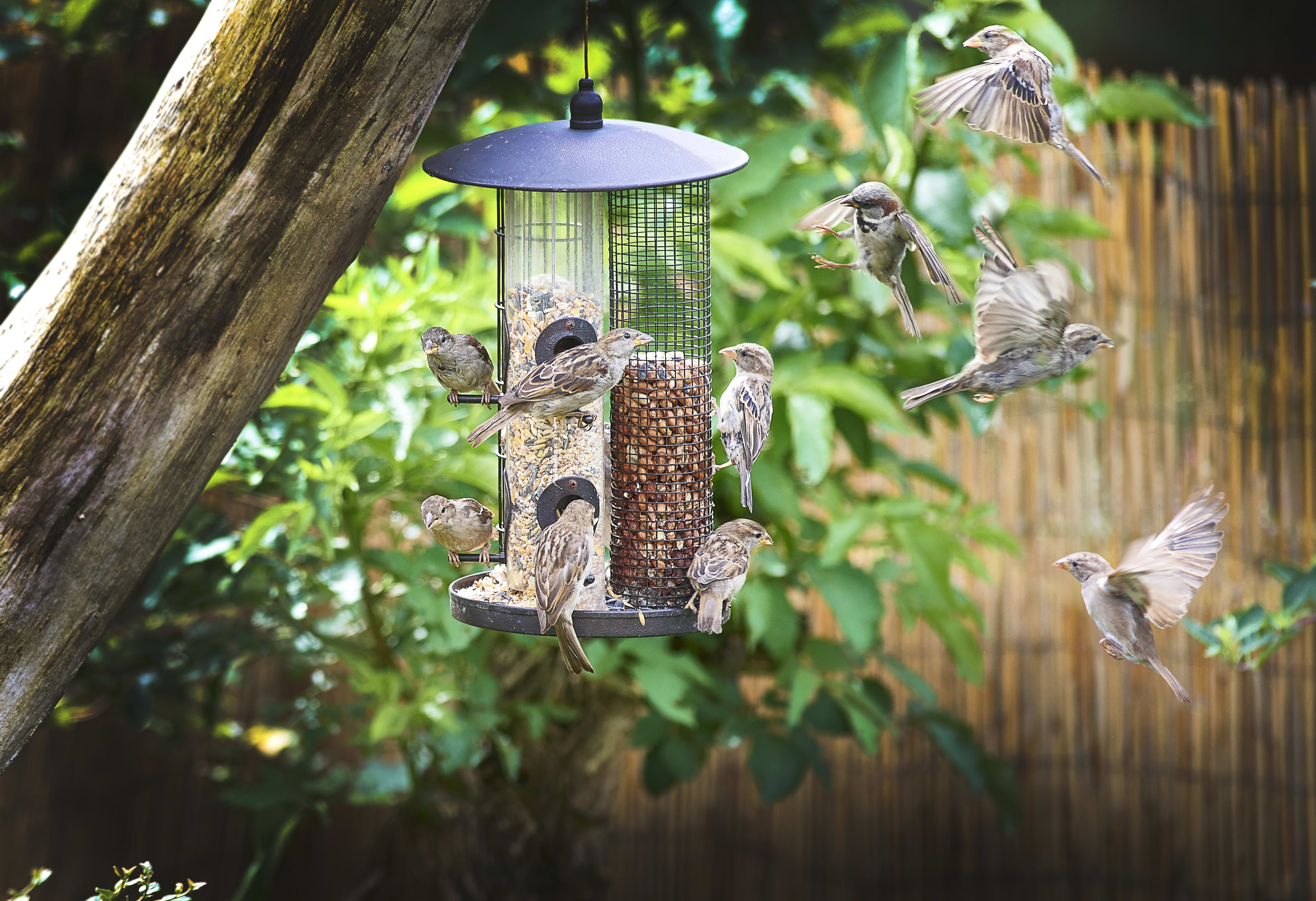
- Tube Feeders:Cylindrical and clear, perfect for small seeds like sunflower or millet.
- Platform Feeders:Flat and open, good for larger seeds and mixed foods.
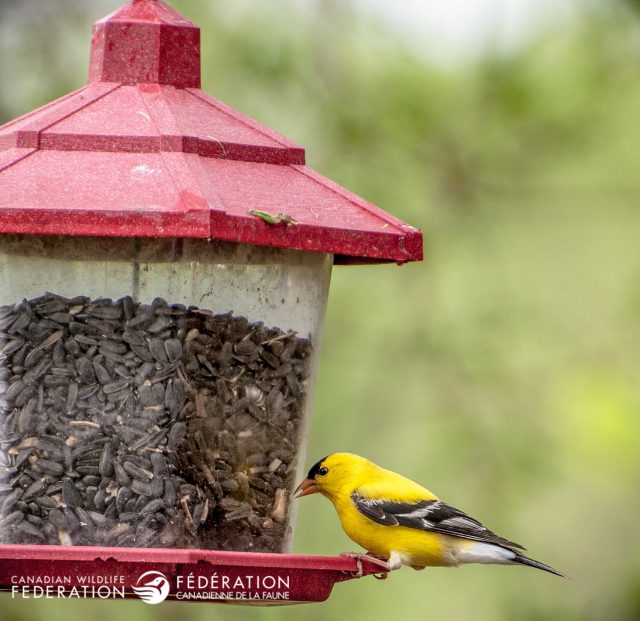
- Hopper Feeders:Box-shaped and covered, hold large amounts of seed and protect food from rain.
- Suet Feeders:Wire cages that hold suet cakes, attracting woodpeckers and nuthatches.
- Nectar Feeders:Designed for hummingbirds, filled with sugar water.
Choosing The Right Bird Food
Different birds prefer different foods. Choose food based on local bird species.
- Black-oil Sunflower Seeds:Popular with many birds like cardinals and chickadees.
- Nyjer Seed:Small seeds loved by finches.
- Peanuts:Good for woodpeckers and jays, offer protein and fat.
- Suet:High-energy food for insect-eating birds.
- Millet:Attracts sparrows and doves.
Keep seed fresh and dry. Replace old or moldy food quickly to keep birds healthy.
Provide Fresh Water
Providing fresh water is key to attracting birds to your backyard. Birds need water for drinking and bathing. A steady water source helps them stay healthy and active. Clean, fresh water invites many bird species to visit regularly.
Birdbaths And Water Features
Choose birdbaths that are shallow and easy for birds to access. A basin with a diameter of 10 to 12 inches works well. Water features like small fountains or drip systems add movement. Moving water catches birds’ attention and keeps it fresh. Place birdbaths in open spaces near shrubs or trees. This offers birds a quick escape from predators. Use natural materials like stone or ceramic for a safe surface.
Maintaining Clean Water
Change water every two days to prevent bacteria growth. Clean birdbaths weekly with mild soap and rinse well. Avoid strong chemicals that can harm birds. Remove leaves, dirt, and algae regularly. In colder months, use a heated birdbath to keep water from freezing. Clean water ensures birds keep returning to your yard.
Create Shelter Spots
Shelter spots offer birds a safe place to rest and hide from predators. Planting shrubs or placing birdhouses creates inviting cover in your backyard. These shelters encourage birds to visit and stay longer.
Creating shelter spots is key to attracting birds to your backyard. Birds seek safe places to rest and hide. Providing these can turn your yard into a bird haven. Let’s explore some practical ways to create inviting shelter spots.Natural Hiding Places
Natural hiding places offer birds safety and comfort. Plant shrubs and small trees. These provide birds with cover from predators. Choose native plants for the best results. Dense foliage like evergreens is ideal. They remain thick all year round. Arrange plants in clusters to create a natural habitat. This setup mimics their environment, making birds feel at home. Use piles of twigs and leaves. These mimic the forest floor, offering additional shelter.Installing Birdhouses
Birdhouses are a great addition to any yard. They offer birds a secure place to nest. Choose birdhouses made of natural wood. Avoid those with shiny paints or finishes. Place them at a safe height from the ground. Ensure entrances face away from prevailing winds. This keeps the interior dry and safe. Clean birdhouses annually to prevent disease. Birds appreciate well-maintained shelters. Install a variety of birdhouse sizes. Different species have different needs. This attracts a diverse bird population.Avoid Harmful Chemicals
Avoiding harmful chemicals is key to creating a bird-friendly backyard. Chemicals in pesticides and herbicides can poison birds and damage their food sources. Choosing safer options helps protect the birds and the environment. It also keeps your garden healthy and vibrant.
Safe Pest Control Options
Natural pest control methods reduce risks to birds. Try these safe options:
- Introduce ladybugs to eat aphids
- Use neem oil spray on plants
- Handpick pests off leaves
- Plant herbs like basil and mint to repel insects
- Encourage beneficial insects, such as lacewings
These methods avoid toxic chemicals and keep birds safe.
Impact Of Pesticides On Birds
Pesticides can harm birds in many ways. They may:
- Poison birds directly through contact or ingestion
- Reduce insect populations, limiting bird food
- Cause reproductive problems and weaken immune systems
- Contaminate water sources birds rely on
Choosing chemical-free gardening protects birds and supports their survival.

Credit: happygardens.com
Encourage Nesting
Encouraging nesting is a powerful way to attract birds to your backyard. Providing the right materials and safe nesting sites helps birds feel comfortable and ready to raise their young near you. This not only supports local bird populations but also brings delightful activity and song to your outdoor space.
Materials Birds Need
Birds look for soft, natural materials to build their nests. You can offer items like:
- Strands of dry grass or hay
- Twigs and small sticks
- Feathers and soft moss
- Animal fur or pet hair (clean and free of chemicals)
- Shredded paper or cotton balls (avoid synthetic fibers)
Try placing these materials in small piles or hanging mesh bags in sheltered spots. Have you noticed birds quickly grabbing what you provide? It’s rewarding to see them use your offerings to build cozy nests.
Best Nesting Sites
Birds prefer safe, sheltered spots for their nests. Consider these options:
- Natural tree branches with dense foliage
- Birdhouses mounted on poles or trees
- Under eaves or in garden sheds
- Thick shrubs or hedges
Make sure the sites are away from predators and harsh weather. Have you tried adding a birdhouse near a blooming bush? Birds often choose such spots because they provide food and cover together.
Keep Cats Indoors
Keeping cats indoors protects birds visiting your backyard. Cats are natural hunters. Even well-fed cats may chase birds. This can scare birds away or harm them. Letting cats roam outside increases bird deaths. By keeping cats inside, you create a safer place for birds to feed and nest.
Protecting Birds From Predators
Birds face many threats from outdoor predators. Cats are one of the biggest dangers. They can catch birds quickly and silently. Protecting birds means reducing these risks. Keep cats indoors, especially during dawn and dusk. These times are when birds are most active and vulnerable.
Other ways to protect birds include:
- Using bird feeders placed high or away from trees
- Clearing thick bushes near feeding areas
- Installing birdhouses with small entrances
Safe Outdoor Spaces
Create safe zones where birds can feed and rest. Avoid letting cats enter these areas. You can fence off parts of your yard or use cat-proof barriers. Provide plenty of cover for birds like shrubs and tall plants. These spots give birds a place to hide quickly.
Encourage birds by offering fresh water and food in these safe spaces. Watch how birds return more often with less danger around. Your backyard becomes a peaceful home for them.
Credit: blog.cwf-fcf.org
Credit: dengarden.com
Frequently Asked Questions
How Can I Attract More Birds To My Backyard?
Provide fresh water, native plants, and bird feeders with varied seeds. Avoid pesticides and keep the area safe from predators. Consistency in food and water supply encourages birds to visit regularly.
What Types Of Bird Feeders Work Best?
Tube feeders attract small songbirds, while platform feeders suit larger birds. Suet feeders are great for woodpeckers. Choose feeders based on local bird species for best results.
Which Plants Are Best For Attracting Birds?
Native flowering plants, shrubs, and trees provide natural food and shelter. Examples include sunflowers, coneflowers, and dogwoods. These plants support insects that birds eat and offer nesting sites.
How Often Should I Clean Bird Feeders?
Clean feeders every two weeks to prevent disease spread. Use warm soapy water and rinse thoroughly. Regular cleaning keeps birds healthy and encourages frequent visits.
Conclusion
Bringing birds to your backyard creates joy and life around you. Provide food, water, and shelter to attract them safely. Keep your garden natural with native plants and avoid chemicals. Watch patiently as birds explore and make your space their home.
Small changes can bring big rewards in bird visits. Enjoy the peaceful sounds and colorful sights every day. Your backyard can become a lively haven for birds soon. Start simple, and nature will respond beautifully.




