
Have you ever wondered if robins choose your bird house to build their nests? If you’re hoping to attract these charming birds to your backyard, knowing where they prefer to nest can make all the difference.
You might be surprised to learn whether a simple bird house is the perfect spot for robins or if they have other plans. Keep reading to discover what robins really want when it comes to nesting—and how you can create the ideal home to welcome them.
Credit: www.theringer.com
Robin Nesting Habits
Robins have fascinating nesting habits that often surprise bird enthusiasts. Understanding where and how they build their nests can help you create a welcoming environment for these charming birds. If you’ve ever wondered whether robins use bird houses, learning about their nesting preferences is a great place to start.
Preferred Nesting Sites
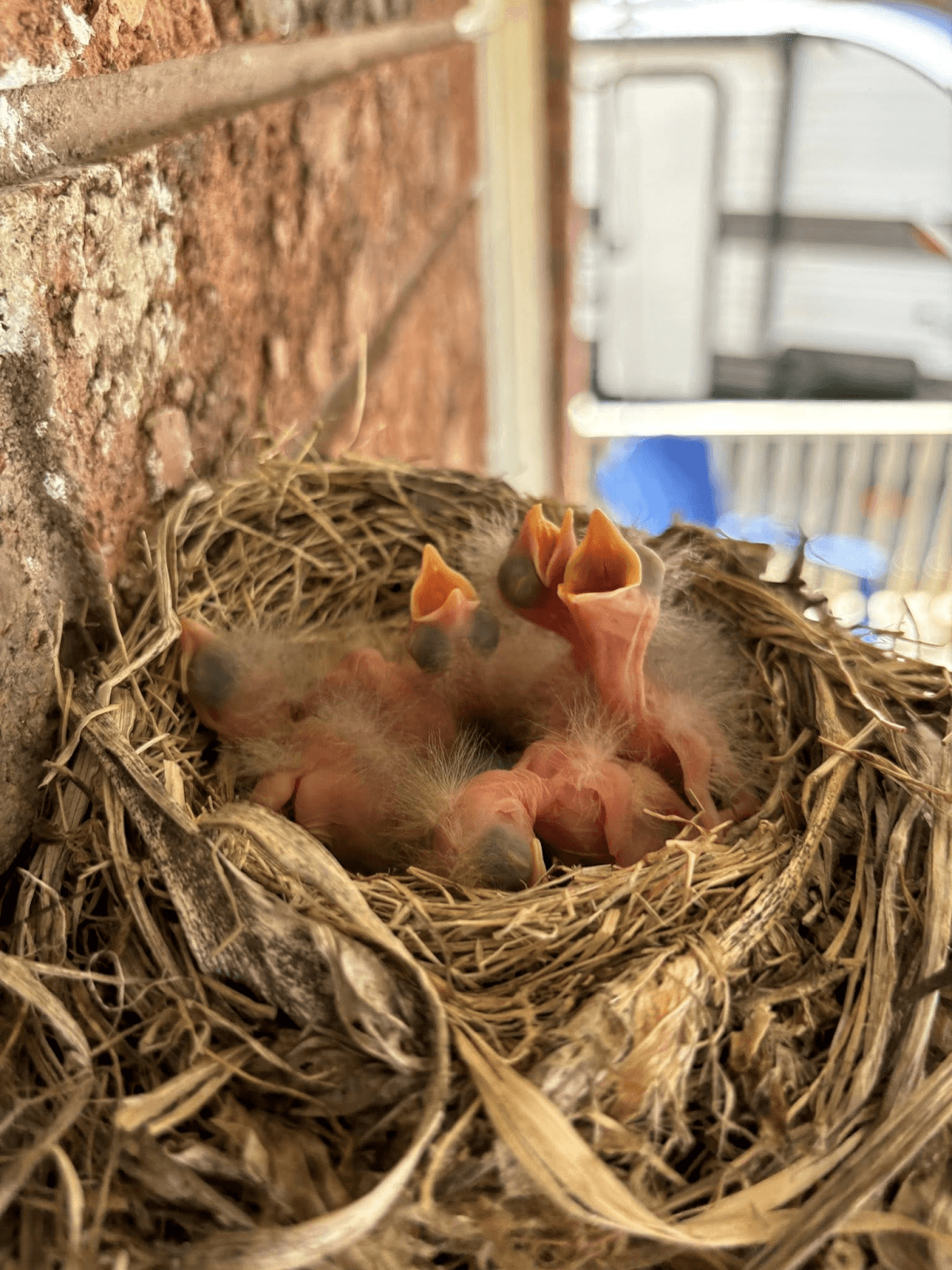
Robins typically choose open, sheltered spots to build their nests. They favor locations like tree branches, shrubs, and ledges close to buildings. Unlike many cavity-nesting birds, robins rarely use traditional bird houses because they prefer open cup-shaped nests.
Have you noticed robins nesting on your porch or window ledge? This behavior shows their flexibility but also their need for some cover. You can encourage robins by providing flat, sturdy platforms or nesting shelves rather than enclosed bird houses.
Materials Used In Nests
Robins gather a variety of natural materials to create their nests. They use mud to form a solid base, mixed with grass, twigs, and leaves for structure. Soft materials like feathers or hair line the inside, making the nest comfortable for eggs and chicks.
Next time you see a robin collecting mud or grass, observe how carefully they select each piece. This attention to detail ensures the nest stays strong through wind and rain. Offering mud or dry grass near your garden might just invite a robin to build nearby.

Credit: www.npr.org
Bird Houses And Robins
Robins are familiar birds in many gardens. People often wonder if robins use bird houses to build nests. Understanding their nesting habits helps gardeners support these cheerful birds. Bird houses can offer shelter and safety for many birds. But robins have unique preferences for nesting sites.
Robins usually build open cup-shaped nests. They prefer ledges, tree branches, or shrubs. Bird houses, which are enclosed, do not suit robins well. Still, some bird houses can be adapted to attract robins. Knowing the right type can make a difference.
Suitability Of Bird Houses For Robins
Robins rarely build nests inside traditional bird houses. These houses have small entry holes and dark interiors. Robins like open spaces with good visibility. They want to watch for predators easily.
Some bird houses have open-front designs. These can work for robins if placed correctly. The house should be stable and near bushes or trees. Robins seek safe spots with easy access to food and water.
Common Bird House Designs
- Enclosed Bird Houses:Small entrance hole, fully covered sides, common for bluebirds and chickadees.
- Open-Front Bird Houses:One side open or partially open, mimics natural ledges, better for robins.
- Platform Nesting Boxes:Flat base with low sides, ideal for robins and other open-cup nesters.
Choosing the right bird house design helps attract robins. Open-front or platform styles offer the best chance. Positioning near natural cover boosts nesting success. Understanding these details helps create a robin-friendly garden space.
Why Robins Avoid Bird Houses
Robins rarely choose bird houses for building nests. Many bird lovers wonder why these familiar birds avoid such shelters. The answer lies in their natural habits and the environment they prefer. Understanding these reasons helps create better spaces for robins and other birds.
Natural Nesting Preferences
Robins prefer open nests. They build them on tree branches, ledges, or shrubs. These nests are cup-shaped and made from mud and grass. Bird houses do not offer the open space robins need. The enclosed design feels confining and unsafe to them. Robins rely on good visibility to spot predators early. This need makes bird houses unattractive for nesting.
Environmental Factors
Robins like locations with plenty of sunlight. Warmth helps their eggs develop well. Bird houses often stay shaded or dark inside. This makes them less appealing to robins. They also avoid spots with frequent human activity or noise. Robins need calm and quiet to feel secure. The height of bird houses might not suit robins either. They prefer nests that are easy to access and near food sources like insects and berries.

Credit: www.callnorthwest.com
Exceptions And Rare Cases
Robins usually prefer open nests on tree branches or ledges. Still, some rare cases show robins nesting in bird houses. These exceptions offer insight into robin behavior and adaptability.
When Robins Use Bird Houses
Robins may use bird houses if natural sites are scarce. Old or unused bird houses can attract robins looking for shelter. The size and entrance of the bird house must suit the robin’s needs. Often, robins choose houses with wider openings. They avoid very small or enclosed spaces.
Robins may also nest in bird houses in urban areas. Trees and shrubs might be limited in cities. Bird houses become an alternative safe spot for nesting. These cases are uncommon but possible.
Reported Sightings
- Reports show robins nesting inside bird houses in some parks.
- Gardeners have found robin nests in their backyard bird houses.
- Some bird watchers document robins using larger nest boxes.
- Robins sometimes build nests near the bird house entrance.
- Rarely, robins line the inside of bird houses with mud and grass.
These sightings prove robins can adapt to unusual nesting sites. Bird houses are not their first choice but can serve as backup homes.
Attracting Robins To Your Yard
Attracting robins to your yard can bring a lively and cheerful presence, especially during the nesting season. These birds prefer specific environments that make them feel safe and comfortable enough to build their nests nearby. Understanding what draws robins can help you create a welcoming space that encourages them to stay and even nest close to your home.
Ideal Nesting Alternatives
Robins rarely use traditional bird houses to build their nests. They prefer open-fronted ledges, tree branches, or shrubs that offer shelter but easy access. If you want to provide alternatives, consider placing nesting platforms or open-fronted boxes rather than fully enclosed birdhouses.
Choose locations that mimic natural settings—near trees or dense bushes—and keep the area quiet. Offering materials like mud, grass, and small twigs nearby can also encourage robins to start building. Have you noticed robins gathering mud after a rain? That’s a key sign they’re preparing to nest.
Creating A Robin-friendly Habitat
To make your yard appealing, focus on food, water, and shelter. Robins feed on worms, insects, and berries, so planting native shrubs with berries and maintaining a moist lawn can attract their favorite meals.
Adding a shallow water source, like a birdbath with a gentle slope, invites robins to drink and bathe safely. Avoid placing feeders too close to their nesting spots to reduce disturbance.
Keep pesticides out of your garden to protect their food supply and health. Would you be willing to watch robins thrive right outside your window, knowing you helped create a safe haven?
Frequently Asked Questions
Do Robins Prefer Bird Houses For Nesting?
Robins rarely use traditional bird houses for nesting. They prefer open nests built on ledges, trees, or shrubs. Bird houses with small entrances often discourage robins because they need more space for their nests.
What Kind Of Nests Do Robins Build?
Robins build cup-shaped nests using mud, grass, and twigs. They typically place nests in sheltered locations like tree branches or building ledges. This natural design protects eggs and chicks from predators and weather.
Can I Attract Robins With A Bird House?
Using a standard bird house is unlikely to attract robins. Instead, provide open platforms or ledges with some cover. Planting shrubs and trees nearby also encourages robins to nest in your yard.
Why Don’t Robins Use Traditional Bird Houses?
Robins need open, accessible spaces for their nests, unlike cavity-nesting birds. Traditional bird houses have small entrances, limiting airflow and space. This makes them unsuitable for robin nesting preferences.
Conclusion
Robins usually prefer building nests in shrubs or trees. They rarely use bird houses for nesting. Bird houses suit cavity-nesting birds better. Providing natural habitat helps robins feel safe. Planting bushes and trees attracts robins nearby. Watching robins build nests can be a joy.
Patience and the right environment bring robins close. Keep your garden friendly for these beautiful birds. Enjoy their presence and listen to their songs. Nature’s way is simple but full of life.




