
Have you ever felt a sudden flutter inside your home and realized a bird has flown in? It’s a surprising moment that can make your heart race.
But what do you do next? A bird in the house can be both a charming guest and a tricky problem. You might wonder how to guide it out safely without causing harm or panic. You’ll discover simple, effective steps to handle this unexpected visitor.
Keep reading to turn a stressful situation into a calm, successful rescue.
Identifying The Bird
Finding a bird inside your house can be surprising. Knowing how to identify the bird helps you decide the next steps. Identification means looking at size, color, and behavior. It also means understanding if the bird is common indoors or likely lost. Careful observation is key to keeping the bird safe and calm.
Common Bird Types Indoors
- House Sparrows – small, brown and gray feathers, often noisy.
- Pigeons – larger, gray with iridescent neck, heavy body.
- Finches – tiny, colorful, often yellow or red shades.
- Swallows – sleek body, long wings, usually dark blue or black.
- Doves – gentle cooing, light gray or white, rounded bodies.
Knowing these types helps you understand if the bird is a visitor or a pet escapee. Some birds are more common inside homes near gardens or open windows.
Signs Of Distress
- Rapid breathing or open beak breathing.
- Fluffed up feathers, making the bird look bigger.
- Repeated flying into windows or walls.
- Unusual silence or weak chirping.
- Unsteady movements or falling over.
These signs show the bird may be scared or injured. Approach slowly and avoid loud noises. Providing a safe, quiet space helps the bird calm down. Immediate help may be needed if distress signs are strong.

Credit: cen.acs.org
Immediate Safety Measures
Having a bird loose inside your house can be stressful. The first priority is ensuring the immediate safety of both the bird and everyone in your home. Acting quickly and calmly can prevent injury and reduce the bird’s stress.
Securing Windows And Doors
Close all windows and doors to the outside to stop the bird from escaping or flying into dangerous areas. If some windows must stay open for ventilation, cover them with a thin cloth or screen to block the bird’s access.
Pay special attention to glass doors and large windows. Birds may not recognize glass as a barrier and could crash into it. Adding temporary stickers or paper shapes can make the glass visible and prevent accidents.
Keeping Pets Away
Your curious pets can increase the bird’s stress or accidentally harm it. Keep dogs, cats, and other pets in a separate room during the rescue process. This reduces noise and distractions, helping you focus on safely catching the bird.
Have you ever noticed how even the calmest pets become overly excited when a bird is loose? Controlling this excitement is key to a smooth and safe rescue. Creating a quiet, pet-free zone gives the bird a better chance to calm down and avoid injury.
Calming The Bird
Calming a bird inside the house is important for its safety and comfort. Birds can feel scared in unfamiliar places. They need quiet and calm to relax. Creating a peaceful space helps the bird stay calm and reduces stress.
Reducing Noise And Movement
Keep the room quiet to avoid startling the bird. Loud sounds can scare it. Turn off TVs, radios, and other noisy devices. Ask family members to speak softly and move slowly. Sudden movements can cause the bird to panic. Close doors and windows to block outside noises. A calm environment helps the bird feel safe.
Providing Temporary Shelter
Offer the bird a small, cozy space to hide. Use a box or a pet carrier with soft cloth inside. This shelter gives the bird a sense of security. Place the shelter in a quiet corner away from pets and people. Dim the lights to create a calm atmosphere. Check the bird often but avoid loud or fast actions. This temporary home helps the bird relax until it can be safely released or cared for.
Capturing The Bird Safely
Capturing a bird inside your home requires care and calm. The goal is to secure the bird without causing stress or injury. Quick, gentle actions work best. Prepare your materials before approaching the bird. A quiet room helps keep the bird calm. Avoid sudden movements or loud noises.
Using Towels And Containers
A soft towel can help you catch the bird gently. Use a light, breathable container to hold the bird safely. Follow these tips:
- Choose a clean towel, not too thin or rough.
- Pick a container with air holes for breathing.
- Approach the bird slowly, covering it with the towel.
- Carefully scoop the bird and place it inside the container.
- Close the container securely but allow air flow.
This method reduces the bird’s panic and protects your hands.
Avoiding Injury To Bird And Yourself
Both the bird and you need protection during capture. Birds can scratch or peck when scared. Your hands can get hurt if you rush. Follow these safety tips:
- Wear gloves to protect your hands.
- Keep your movements slow and calm.
- Do not squeeze or hold the bird too tightly.
- Ensure the bird has enough space in the container.
- Keep the bird away from pets or children.
Patience and care prevent injuries and stress for all.
Releasing The Bird Outdoors
Releasing a bird outdoors after it has spent time in your home is a delicate moment. It marks the transition from care back to freedom. Handling this phase thoughtfully ensures the bird’s safety and boosts its chances of thriving in the wild.
Choosing The Right Location
Select a spot that feels safe and natural for the bird. Look for areas with plenty of trees or bushes to provide shelter and hiding places. Avoid places near busy roads or where predators like cats and hawks might be common.
Consider how familiar the bird might be with the surroundings. If you rescued it nearby, releasing it close to where it was found can help it find food and shelter more easily. Have you noticed where birds of the same kind gather in your neighborhood?
Timing The Release
Pick a time of day when the environment is calm and the bird has the best chance to adjust quickly. Early morning or late afternoon often works well because temperatures are milder and food sources like insects are active.
Also, avoid releasing the bird during extreme weather conditions such as heavy rain, strong wind, or intense heat. These factors can stress the bird and lower its chances of survival. Have you ever watched birds wait out a storm, staying hidden until it’s safe to move again?
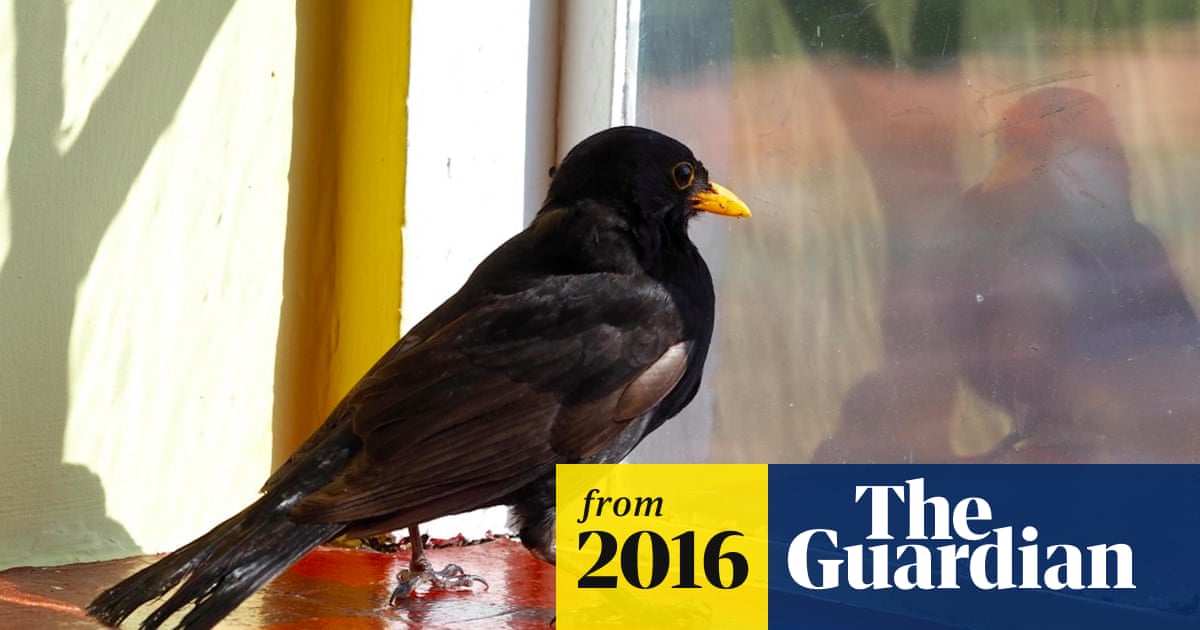
Credit: www.theguardian.com
Preventing Future Intrusions
Sealing entry points like windows and vents stops birds from coming inside. Keeping doors closed and screens intact helps block their access. Regular checks prevent surprises and keep your home bird-free.
Preventing birds from entering your home can save you stress and clean-up. Understanding how to bird-proof your home is essential. Here are some effective strategies.Bird-proofing Windows And Vents
Birds often enter through open windows or vents. Install screens on windows to keep them out. Use window decals to prevent birds from flying into glass. Cover vents with wire mesh to block entry. Ensure the mesh is tight and secure. This stops birds from squeezing through.Maintaining Outdoor Attractants
Birds are drawn to food and water. Remove bird feeders close to your home. Keep pet food indoors to avoid attracting birds. Cover garbage bins with tight lids. Regularly clean outdoor eating areas. This reduces the chance of birds finding food. By managing these attractants, your home becomes less inviting to birds.When To Call Professionals
Professionals should be called if the bird looks trapped or injured inside your home. Trying to catch it yourself might cause harm to both you and the bird. Experts have the right tools and knowledge to remove the bird safely.
When a bird finds its way into your house, it can be unsettling. Birds may enter accidentally, seeking shelter or food. While some situations can be handled with simple steps, others need expert intervention. Recognizing when to call in professionals is crucial for both your safety and the bird’s well-being. Let’s explore the times when professional help is the best choice.Wildlife Rescue Services
Wildlife rescue services specialize in handling animals safely. They ensure the bird is unharmed while removing it. These experts have the right tools and knowledge. They know bird behavior and proper rescue techniques. If a bird is trapped or injured, contact them. They can rehabilitate and release it back into nature. Their experience is invaluable in sensitive situations.Pest Control Options
Pest control services can help if birds frequently enter your home. They assess entry points and suggest preventive measures. These could include sealing gaps or installing deterrents. While not focused on rescue, they ensure birds don’t return. This approach protects your home without harming wildlife. Pest control can be a long-term solution for bird-related issues.
Credit: www.shutterstock.com
Frequently Asked Questions
What Should I Do If A Bird Is Trapped Inside My House?
First, stay calm and avoid sudden movements. Open windows and doors to create an exit path. Turn off lights and close interior doors. Gently guide the bird towards the exit using a soft cloth or towel if needed.
How Can I Prevent Birds From Entering My House?
Keep windows and doors closed or use screens. Seal gaps and cracks around your home. Avoid leaving food or trash exposed. Installing bird deterrents like reflective tape or decoys also helps keep birds away.
Is It Safe To Catch A Bird Inside The House?
Yes, but handle birds with care to avoid injury. Use gloves or a soft cloth for protection. Avoid squeezing the bird tightly. If unsure, contact local wildlife professionals for safe removal.
Why Do Birds Fly Into Houses Accidentally?
Birds can become disoriented by reflections or indoor lights. Open windows or doors may confuse them. They often seek shelter or food but get trapped unintentionally. Proper home maintenance reduces these accidents.
Conclusion
Having a bird in the house can bring joy and surprise. Birds are lively and curious guests in any home. They teach us patience and care in a gentle way. Remember to keep windows and doors safe for them. Enjoy their songs and watch their playful moves.
A bird’s presence can brighten dull days easily. Treat them kindly, and they become true friends. Small moments with birds create lasting memories. Welcoming a bird indoors adds life and warmth. Simple care makes both you and the bird happy.




