
Have you ever wondered about the mysterious creature known as the Exotic Bird? This fascinating figure has captured the curiosity of many, but few truly know the story behind it.
If you’re ready to uncover secrets that might surprise you and learn why this bird stands out from the rest, keep reading. By the end, you’ll see the Exotic Bird in a whole new light—and maybe even find a connection to your own sense of wonder.
Credit: www.hsbresort.com
Origins Of The Exotic Bird
The origins of the exotic bird reveal fascinating details about its past. These birds have unique traits shaped by their environment and history. Understanding where they come from helps us appreciate their beauty and role in nature.
Natural Habitat And Distribution
Exotic birds live in diverse places around the world. Most species are found in tropical forests, where the climate is warm and humid. They thrive in dense trees that offer food and shelter.
Some exotic birds also live in wetlands, savannas, and mountainous regions. Their distribution depends on the availability of food and safe nesting areas. Many species are native to South America, Africa, and Southeast Asia.
Evolutionary Background
Exotic birds evolved over millions of years. Their ancestors adapted to changing environments and food sources. This evolution led to bright colors, unique beaks, and special flying abilities.
Genetic changes helped these birds survive predators and find mates. The diversity among exotic birds shows how species can evolve in different habitats. Their evolutionary journey is a story of survival and adaptation.
Credit: the-masked-singer.fandom.com
Physical Characteristics
The physical characteristics of the Exotic Bird are what make it truly stand out in the animal kingdom. Its appearance is not just beautiful but also serves important roles in survival and interaction. Understanding these traits helps you appreciate the bird beyond its looks.
Vibrant Plumage And Colors
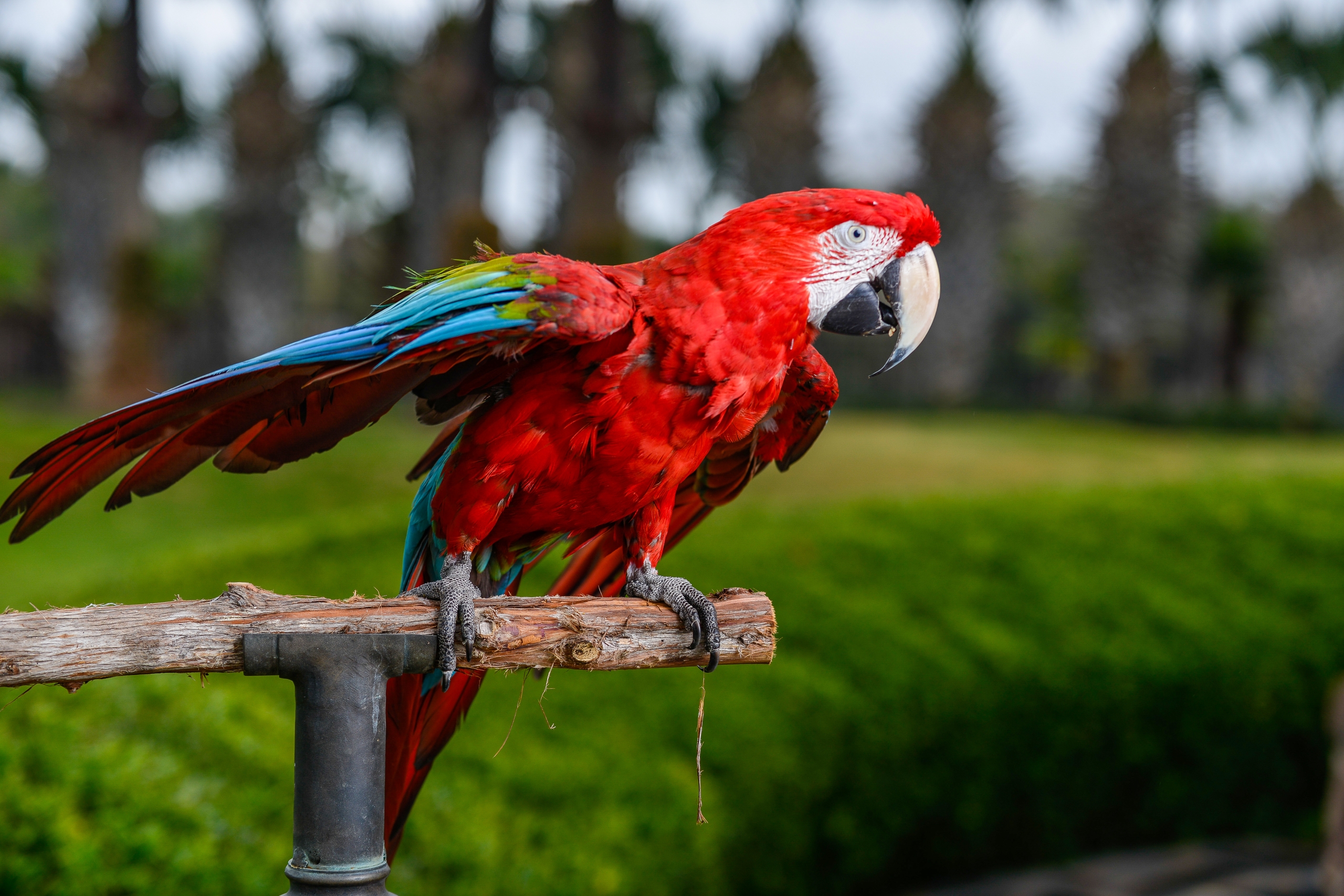
The Exotic Bird boasts feathers in a dazzling array of colors that can include bright blues, fiery reds, and sunny yellows. These vibrant hues are not random; they often signal health and vitality to potential mates. Have you ever noticed how certain colors seem to attract your attention more than others? That’s exactly how these birds catch the eye in dense forests or open skies.
Feathers are arranged in patterns that vary by species, sometimes forming striking contrasts or subtle blends. This variety helps the bird either stand out or blend in, depending on its environment. The intensity of these colors can also change with the seasons or the bird’s mood, adding another layer of communication.
Unique Features And Adaptations
Beyond color, the Exotic Bird has physical traits tailored to its lifestyle. Some have long, curved beaks perfect for reaching nectar deep inside flowers, while others sport strong talons for gripping branches or catching prey. These adaptations are practical solutions to daily challenges.
- Beak shapes:Designed for feeding habits, from cracking nuts to sipping nectar.
- Feet and claws:Built for perching, climbing, or hunting.
- Wing structure:Influences flight patterns—some glide gracefully, others flap rapidly for quick escapes.
Think about your own environment—how do your unique traits help you face everyday tasks? Like you, the Exotic Bird’s physical features are a perfect match to its needs.
Behavior And Lifestyle
The Exotic Bird displays unique behavior and lifestyle traits. It thrives in vibrant environments filled with rich biodiversity. Its daily activities revolve around survival, social interaction, and reproduction. Understanding these patterns reveals much about its role in nature.
Feeding Habits
The Exotic Bird mainly eats fruits, seeds, and insects. It uses its sharp beak to crack open hard shells. Foraging often happens in groups, increasing chances to find food. This bird prefers feeding early in the morning and late afternoon. Water sources nearby are essential for its survival.
Mating Rituals
During mating season, the Exotic Bird performs colorful displays to attract partners. Males show off bright feathers and make unique calls. Nest building is a shared task between mates. They choose safe, hidden spots to protect eggs from predators. These rituals strengthen pair bonds and ensure offspring survival.
Communication And Vocalizations
The Exotic Bird uses a range of sounds to communicate. Calls vary from sharp whistles to melodic songs. These sounds warn of danger, mark territory, or signal food nearby. Body language also plays a role, including wing flapping and head movements. This complex communication keeps the group connected and alert.

Credit: birdsnways.com
Cultural Significance
The Exotic Bird holds a deep cultural significance across the world. Its vibrant colors and unique features make it a symbol in many traditions. People have admired this bird for centuries. It often represents ideas beyond its physical beauty. The Exotic Bird’s presence in culture shows the connection between nature and human beliefs.
Symbolism In Different Cultures
The Exotic Bird often symbolizes freedom and beauty. In some cultures, it stands for spiritual growth and transformation. Others see it as a messenger between worlds. Its feathers may represent wealth or power. Some tribes use its image in rituals to bring good luck or protection.
- In Native American culture, it symbolizes vision and guidance.
- In Asian traditions, it often represents happiness and prosperity.
- In African folklore, it can mean strength and courage.
- In European tales, it sometimes signifies mystery and magic.
Representation In Art And Literature
The Exotic Bird appears in many art forms. Paintings often capture its bright colors and graceful shape. Sculptures and carvings show its importance in history. Writers use the bird as a symbol in stories and poems. It inspires creativity and imagination.
- Artists use it to express freedom and beauty.
- Poets compare it to dreams and hope.
- Folklore and myths feature the bird as a magical creature.
- Modern stories use it to symbolize change or adventure.
Conservation Challenges
Exotic birds face many conservation challenges today. Their vibrant colors and unique songs attract attention, making them targets for illegal trade. Preserving their natural habitats is crucial to ensure their survival and protect biodiversity.
Conservation Challenges The exotic bird, with its vibrant plumage and enchanting songs, faces a myriad of conservation challenges. As their numbers dwindle, understanding these challenges becomes crucial. By addressing the threats and supporting preservation efforts, you can play a pivotal role in ensuring their survival.Threats To Survival
Exotic birds face numerous threats that jeopardize their existence. Habitat destruction due to deforestation and urban development stands as a primary concern. As trees fall, nesting sites disappear, leaving these birds homeless and vulnerable. Illegal trade and poaching further exacerbate the situation. Exotic birds are often captured for their beauty and sold, leading to a drastic reduction in wild populations. Climate change also poses a threat, altering habitats and food sources, making survival even more challenging.Efforts To Protect And Preserve
Conservationists are working tirelessly to protect these magnificent creatures. Many organizations are dedicated to preserving habitats through reforestation and conservation programs. By participating in or supporting these initiatives, you contribute to creating safe havens for the exotic birds. Captive breeding programs are another vital effort. These programs aim to increase population numbers and eventually reintroduce birds into the wild. You can support these efforts by raising awareness and advocating for stronger wildlife protection laws. Education plays a key role in conservation. By spreading knowledge about the importance of exotic birds and the threats they face, you help foster a culture of respect and protection. How can you make a difference in the survival of these exotic birds?Famous Sightings And Stories
The story of the Exotic Bird is filled with intriguing sightings and memorable tales that have captured the imagination of many. These accounts span centuries and continents, showing how the bird has fascinated people from different walks of life. Each story adds a layer to the mystery, inviting you to question what makes this bird so special and elusive.
Historical Accounts
Historical records mention the Exotic Bird in various ancient texts and explorers’ journals. Sailors in the 16th century often reported seeing colorful birds with unusual plumage on remote islands. These sightings were sometimes dismissed as exaggerations, but consistent descriptions suggest a real creature inspired awe and curiosity.
One famous account comes from a 17th-century naturalist who described the bird’s vibrant feathers and strange call. This sparked interest among collectors and scientists, leading to early efforts to document and preserve the species. Have you ever wondered how much of history is shaped by what people choose to believe or ignore?
Modern Discoveries
In recent decades, technology has played a key role in uncovering new information about the Exotic Bird. High-resolution cameras and drones have allowed researchers to observe the bird in its natural habitat without disturbing it. These discoveries have revealed behaviors and patterns that were once only speculated about.
Citizen scientists and birdwatchers have also contributed by sharing sightings through social media and apps. Their real-time reports help track migration routes and population changes. If you’re passionate about wildlife, these tools offer a chance to connect and contribute to ongoing research.
Frequently Asked Questions
Who Was The Exotic Bird In History?
The Exotic Bird refers to a rare, colorful species often admired for its unique beauty. It symbolizes diversity and rarity in nature. Historically, such birds fascinated explorers and collectors worldwide.
What Makes An Exotic Bird Unique?
Exotic Birds are unique due to their vibrant colors, unusual patterns, and rare habitats. Their distinct calls and behaviors also set them apart from common bird species.
Where Are Exotic Birds Commonly Found?
Exotic Birds are typically found in tropical rainforests, remote islands, and specialized habitats. Regions like South America, Southeast Asia, and Africa house many exotic species.
Why Are Exotic Birds Important To Ecosystems?
Exotic Birds play a key role in pollination, seed dispersal, and maintaining ecological balance. They contribute to biodiversity, supporting healthy and functioning ecosystems.
Conclusion
The Exotic Bird remains a fascinating creature in nature. It shows us how diverse and colorful life can be. Many people admire its unique features and habits. Understanding this bird helps us appreciate wildlife more. It reminds us to protect natural habitats for all animals.
Stories about the Exotic Bird inspire curiosity and wonder. Remember, every species plays a special role in the environment. The Exotic Bird is just one example of nature’s beauty and mystery. Keep exploring and learning about the world around you.




