
Are you struggling to capture sharp, stunning photos of birds in flight or perched far away? Choosing the right lens can make all the difference between blurry shots and breathtaking images.
But with so many options out there, how do you know which lens is best for bird photography? You’ll discover clear, practical advice to help you pick the perfect lens that fits your style and budget. Get ready to elevate your bird photography and finally capture those incredible moments you’ve been dreaming of.
Keep reading—you won’t want to miss these expert tips!

Credit: iceland-photo-tours.com
Choosing The Right Focal Length
Choosing the right focal length is crucial in bird photography. It determines how close you can get to your subject without disturbing it, and how much detail you can capture. Selecting the perfect lens means balancing reach, image quality, and portability to match your shooting style and environment.
Telephoto Lenses For Distant Shots
Telephoto lenses are essential for capturing birds from a distance. They allow you to photograph shy or small birds without scaring them away. A focal length of 300mm to 600mm is common among bird photographers.
Longer lenses, such as 500mm or 600mm, provide greater reach but can be heavier and more expensive. If you often shoot in open spaces or want close-up shots of small details like feathers, these lenses are ideal. However, consider how easy it is to carry and stabilize them during long shoots.
Prime Vs Zoom Lenses
Prime lenses have a fixed focal length, often offering sharper images and wider apertures. This makes them great for low light and creating a blurred background that highlights your subject.
Zoom lenses give you flexibility to adjust your composition without moving. They cover a range of focal lengths, like 100-400mm, letting you adapt quickly to different bird sizes and distances.
Ask yourself: do you prefer the sharpness and speed of a prime lens or the versatility of a zoom? Your answer will shape your lens choice significantly.
Crop Sensor Vs Full Frame Impact
Camera sensor size affects your effective focal length. Crop sensor cameras multiply your lens’s reach by about 1.5x or 1.6x. This means a 300mm lens on a crop sensor behaves like a 450mm or 480mm on a full frame.
This can be a big advantage if you want more reach without buying a longer lens. However, full frame sensors usually perform better in low light and deliver higher image quality.
Think about your budget and shooting conditions. Is extra reach more valuable, or do you prioritize image clarity and performance in challenging light?
Credit: www.livescience.com
Lens Aperture And Low Light Performance
Choosing the right lens aperture plays a crucial role in bird photography, especially when you face varying light conditions. Aperture affects how much light enters your camera and shapes the depth of field, impacting your image’s clarity and focus. Understanding how aperture works with low light performance can help you capture stunning bird images even in challenging environments.
Importance Of Wide Aperture
A wide aperture, like f/2.8 or f/4, allows more light to hit the camera sensor, which is essential for shooting in dim settings such as early mornings or dense forests.
It also helps you maintain faster shutter speeds, reducing motion blur when birds are in flight. If you’ve tried shooting birds at dawn, you know how frustrating slow shutter speeds can be.
Choosing a lens with a wide maximum aperture gives you the flexibility to shoot in various lighting without constantly increasing ISO and risking noisy photos.
Balancing Depth Of Field
A wide aperture produces a shallow depth of field, beautifully isolating your subject from the background. This effect draws attention to the bird and blurs distracting elements behind it.
However, too shallow depth means parts of the bird might fall out of focus, especially if it moves. You need to find a balance where the bird’s key features—like eyes and feathers—stay sharp.
Try apertures around f/5.6 or f/8 when you want more depth while still keeping enough light for a sharp image. How do you decide the right balance in your shots?
Handling Challenging Light Conditions
Birds often appear in tricky light—under tree canopies or during golden hours—where your lens’s low light performance matters most.
Lenses with wider apertures handle these scenarios better, giving you cleaner images with less noise because you can keep ISO lower. I remember chasing a woodpecker at dusk; without a fast lens, the images were either blurry or grainy.
Consider lenses with image stabilization features as they complement wide apertures by reducing shake, allowing for slower shutter speeds without losing sharpness. What’s your go-to setup when light is less than perfect?
Image Stabilization And Autofocus
Choosing the right lens for bird photography means paying close attention to how it handles image stabilization and autofocus. These features can make or break your chances of capturing sharp, detailed shots of fast-moving birds. Understanding their benefits helps you pick a lens that keeps up with your subject, even in challenging conditions.
Benefits Of Optical Stabilization
Optical stabilization reduces the blur caused by small hand movements. This is crucial when you’re using long telephoto lenses, where even slight shakes can ruin a shot.
It lets you shoot at slower shutter speeds without losing sharpness. That means you can capture birds in low light or create a smooth, natural background blur without worrying about camera shake.
In my experience, lenses with strong optical stabilization saved many shots during early morning birdwatching sessions when light was dim and birds were active. Without it, most images would have been too blurry to use.
Fast Autofocus Systems
Birds rarely stay still, so a lens with a fast autofocus system is essential. It locks onto your subject quickly, letting you capture split-second moments with precision.
Look for lenses with advanced autofocus motors like ring-type ultrasonic or stepping motors—they provide smooth and silent focusing, which is less likely to startle birds.
When I switched to a lens with a faster autofocus, I noticed a huge improvement in my hit rate, especially during flight shots where timing is everything.
Tracking Moving Birds
Tracking birds in motion requires a lens that can continuously adjust focus as your subject moves unpredictably. Lenses with sophisticated tracking autofocus modes excel here.
Many modern lenses offer customizable focus points and eye-detection features that help keep the bird’s head sharp even when it’s darting through the frame.
Have you tried following a hummingbird mid-flight? Without reliable tracking autofocus, you’ll miss the action. Choosing a lens with this capability means fewer missed opportunities and more stunning photos.
Lens Build And Weather Resistance
Choosing the right lens for bird photography involves more than just focal length and image quality. The build quality and weather resistance of your lens can significantly impact your shooting experience outdoors. These factors ensure your gear stands up to rough conditions and stays reliable when nature throws a curveball.
Durability For Outdoor Use
Bird photography often means venturing into rugged environments. You need a lens that can handle bumps, scratches, and rough handling without falling apart. Look for lenses with strong metal or reinforced polymer bodies—they offer better protection than cheap plastic.
I’ve had lenses with metal barrels survive accidental drops and rough hikes, saving me from costly repairs. Would you risk your expensive lens with a fragile build just to save a few bucks?
Weather Sealing Features
Birds don’t wait for perfect weather, so your lens should be ready for rain, dust, and humidity. Weather sealing helps keep moisture and dirt out of the lens internals. This feature is vital if you shoot near water bodies or in unpredictable climates.
Some lenses offer full sealing with rubber gaskets around buttons and mount points. Others provide partial protection. Investing in weather-resistant glass means fewer worries about lens fogging or damage during early morning shoots.
Handling Weight And Size
Carrying your gear all day while tracking fast birds can be exhausting. Heavy, bulky lenses tire your arms quickly and slow down your response time. Ideally, find a lens that balances weight and size with optical performance.
Compact telephoto lenses might sacrifice some reach but improve mobility and comfort. Ask yourself: would you prefer lugging a 10-pound lens or a lighter, easier-to-handle option that still delivers sharp shots?
Popular Lenses For Bird Photography
Choosing the right lens can make all the difference in your bird photography. The lens you pick affects not only the image quality but also how close and detailed your shots can be. Below, you’ll find popular lens choices that photographers trust to capture stunning bird images in various conditions.
Top Telephoto Zooms
Telephoto zoom lenses offer flexibility with focal lengths, letting you quickly adjust your framing without changing lenses. A popular choice is the 100-400mm zoom, which covers a broad range perfect for different bird sizes and distances.
Brands like Canon, Nikon, and Sony have excellent 100-400mm options known for sharp images and fast autofocus. These lenses allow you to react fast when birds move unpredictably—something fixed lenses can struggle with.
Best Prime Lenses
Prime lenses provide sharpness and wider apertures, which is great for low light and creating beautiful background blur. A 400mm or 500mm prime is often preferred if you want the best image quality and don’t mind sacrificing zoom flexibility.
Using a prime lens taught me patience and precision; you learn to anticipate bird behavior instead of relying on zoom. Plus, primes often have better build quality and faster autofocus, so your shots come out crisp and clear.
Budget-friendly Options
You don’t need to spend a fortune to start bird photography. Lenses like 70-300mm zooms are affordable and still produce good results for beginners. They are lightweight and easier to carry for long birdwatching sessions.
Consider buying used or older model lenses to save money without losing much in performance. Ask yourself: could a lighter, less expensive lens get you outside shooting more often? Sometimes, the best lens is the one you actually use.
Tips For Using Lenses Effectively
Choosing the right lens is crucial for bird photography. A telephoto lens, like a 300mm or 400mm, is ideal for capturing distant birds clearly. Quality lenses with fast autofocus enhance sharpness and detail, making them perfect for capturing birds in motion.
Bird photography requires skill and the right lens. Using your lens effectively can make a big difference. It helps capture sharp, clear images of birds in their natural habitat. Here are some tips to help you use your lenses more effectively.Optimal Settings For Sharp Images
Choosing the right settings is crucial. Start with the aperture. A wider aperture, like f/4 or f/5.6, is ideal. It lets in more light and creates a beautiful background blur. Use a fast shutter speed. Birds move quickly, so 1/1000s or faster is best. Adjust the ISO according to the light. In bright light, keep it low. In low light, increase it but avoid noise.Techniques For Steady Shots
Holding your camera steady is important. Use both hands to support the camera. Keep elbows close to your body. Consider a tripod for extra stability. A monopod is also a good choice for mobility. Use the camera’s burst mode. It increases the chance of capturing the perfect moment. Practice breathing techniques. Exhale slowly and press the shutter gently.Maximizing Lens Potential In The Field
Know your lens inside out. Understand its strengths and limitations. Use the lens’ full zoom range. Get closer to the action without disturbing the birds. Pay attention to light direction. Shoot with the sun behind you for better lighting. Experiment with angles. Try shooting from low or high perspectives. Use manual focus when needed. It can provide better control in challenging situations.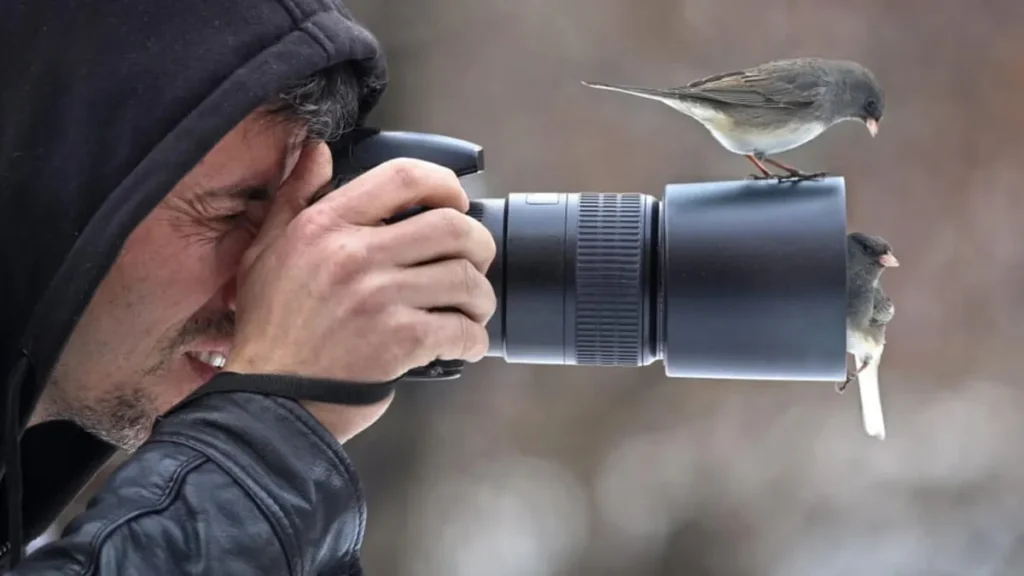
Credit: suryatara.com
Frequently Asked Questions
What Focal Length Is Ideal For Bird Photography?
A focal length between 300mm and 600mm is ideal. It allows close-up shots without disturbing birds. Longer lenses offer better detail and framing flexibility.
Should I Choose Prime Or Zoom Lenses For Birds?
Prime lenses provide sharper images and wider apertures. Zoom lenses offer versatility in framing. Choose based on your shooting style and budget.
How Important Is Lens Aperture In Bird Photography?
A wide aperture (f/2. 8 to f/5. 6) lets in more light. It helps achieve faster shutter speeds and smooth background blur, isolating birds effectively.
Are Image Stabilization Features Necessary For Bird Lenses?
Yes, image stabilization reduces camera shake, especially with long lenses. It improves sharpness when shooting handheld or in low light conditions.
Conclusion
Choosing the right lens makes bird photography easier and more fun. Telephoto lenses help capture distant birds clearly and sharply. Fast lenses allow better shots in low light or fast movement. Consider your budget, camera type, and bird species before buying.
Practice with your lens to improve your skills. Great bird photos come from patience and good gear together. Keep learning and experimenting to find what works best for you. Your perfect lens depends on your style and needs. Happy bird watching and shooting!




