
Have you ever wondered where the most exotic birds live in the world? Imagine spotting a rare, colorful bird that few people have ever seen.
If you’re curious about finding these hidden gems of nature, you’re in the right place. This article will reveal the top locations where exotic birds thrive, helping you plan your next adventure or simply satisfy your curiosity. Keep reading, and discover the amazing places that bring these beautiful creatures to life right before your eyes.
Top Regions For Exotic Birds
Exotic birds live in special places around the world. These places provide the right food, shelter, and climate. Some regions have more kinds of exotic birds than others. They offer unique environments where these birds can thrive and show their bright colors and unusual sounds.
Many bird watchers and nature lovers travel far to see these birds in their natural homes. Understanding the top regions helps us appreciate where these beautiful creatures come from. It also shows how diverse the bird world really is.
Tropical Rainforests
Tropical rainforests are rich with life. They have many tall trees and thick plants. These forests are warm and wet all year. Birds like parrots, toucans, and hornbills live here. They find plenty of food and safe places to nest. The Amazon and Congo rainforests are famous for exotic birds.
Isolated Islands
Isolated islands host birds found nowhere else. These islands have unique plants and insects. Birds here often develop special traits. Examples include the colorful birds of the Galápagos and Hawaii. Isolation helps birds evolve in interesting ways. Many island birds are rare and protected.
Mountainous Areas
Mountainous areas offer cooler climates and varied habitats. Birds adapt to different heights and temperatures. Species like the Himalayan monal and Andean cock-of-the-rock live here. Mountains have forests, cliffs, and open spaces. This variety supports many exotic bird species.

Credit: www.youtube.com
Famous Exotic Bird Species
Exotic birds captivate with their vibrant colors and unique shapes. These species live in diverse habitats worldwide. Many are symbols of tropical forests and remote islands. Their beauty and rarity make them popular among bird watchers and nature lovers.
Parrots And Macaws
Parrots and macaws are famous for bright feathers and strong beaks. They live mostly in Central and South America. Macaws are larger with long tails and loud calls. Parrots can mimic sounds and human speech. Both enjoy social groups and are very intelligent.
Birds Of Paradise
Birds of paradise are found mainly in New Guinea. They show amazing colors and shapes during courtship dances. Males have elaborate feathers used to attract females. These birds live in dense forests high in the trees. Their strange appearances make them unforgettable.
Toucans And Hornbills
Toucans and hornbills stand out with large, colorful bills. Toucans come from the rainforests of Central and South America. Hornbills live in Asia and Africa’s tropical forests. Both use their bills to reach fruit and insects. Their loud calls echo through the forest canopy.
Key Habitats Around The World
Exotic birds live in some of the most fascinating places on Earth. Their unique colors and behaviors often reflect the special environments they call home. Understanding these key habitats can help you appreciate why these birds thrive where they do—and how you might spot them yourself.
Amazon Basin
The Amazon Basin is a vast rainforest stretching across several South American countries. It houses incredible bird diversity, including the iconic macaws and toucans. Walking through its dense foliage, you might hear the sharp calls of a harpy eagle or catch a flash of a vibrant parrot among the trees.
What makes the Amazon so perfect for exotic birds? The mix of rivers, trees, and constant warmth creates endless food sources and nesting spots. If you want to see these birds, early morning visits increase your chances as many species are most active then.
New Guinea
New Guinea is famous for its colorful birds of paradise. These birds perform elaborate dances and show off bright feathers during mating rituals. The island’s mountainous terrain and rainforests provide safe havens for species found nowhere else.
When you visit New Guinea, you’ll notice how these birds adapt to different altitudes and microclimates. Their ability to survive in such varied environments is a lesson in flexibility. Have you ever wondered how isolated habitats influence bird evolution?
Central Africa
Central Africa’s tropical forests are home to exotic birds like the African grey parrot and various turacos. These birds thrive in the humid, lush environment where food is abundant year-round. Listening to the calls echoing through the forest can feel like stepping into a living symphony.
Here, the dense canopy offers protection and nesting options that many species depend on. If you pay attention, you might spot birds using unique strategies to find food or avoid predators. How might changes in this region impact these delicate ecosystems and the birds within them?
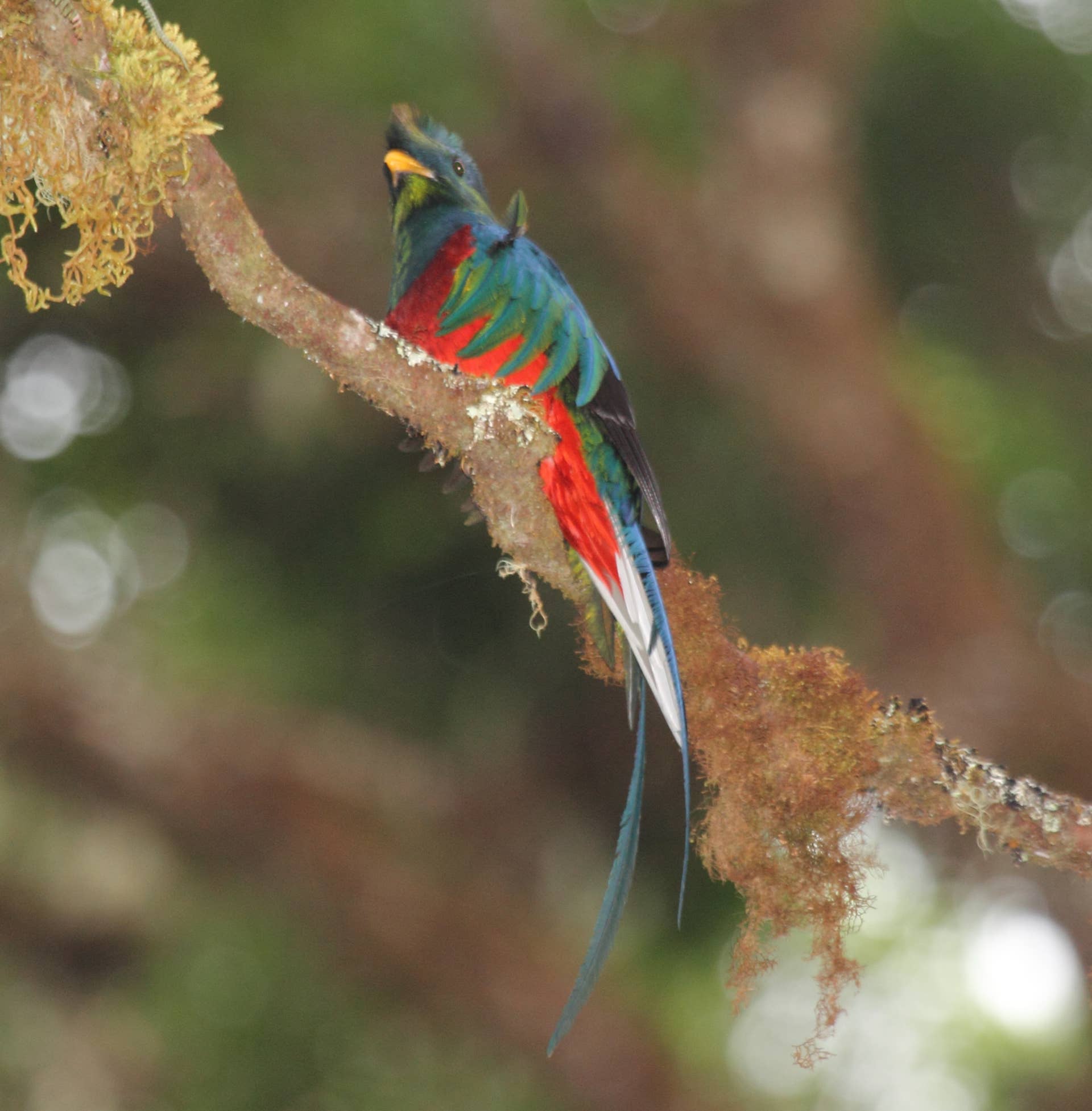
Credit: owlcation.com
Factors Attracting Exotic Birds
Understanding what draws exotic birds to certain locations can change how you observe and appreciate them. Various factors work together to create perfect habitats where these birds thrive. Knowing these can help you identify or even create bird-friendly spaces around you.
Climate And Vegetation
Exotic birds often prefer warm, stable climates that support diverse plant life. Tropical and subtropical regions, for instance, offer year-round warmth and rich greenery, which many birds need for shelter and food.
Dense forests, flowering plants, and fruit-bearing trees provide both cover and resources. Have you noticed how birds flock to gardens with plenty of native plants? This connection between climate and vegetation shapes where birds choose to live.
Food Sources
Birds are picky eaters, and the availability of their favorite foods is a major attraction. Some exotic species feed on specific fruits, seeds, nectar, or insects that are only found in certain habitats.
When you see a variety of food options in one area, it often means more bird activity. Think about your last walk in a park—did you spot more birds near flowering trees or fruit bushes? These food sources keep birds coming back season after season.
Nesting Sites
Safe and suitable nesting places are crucial for exotic birds to raise their young. They look for locations that offer protection from predators and harsh weather, such as tall trees, dense shrubs, or even cliffs.
Some birds are very particular, choosing tree hollows or specific plant species for their nests. If you want to attract exotic birds, consider how your environment supports their nesting needs. What kind of nesting spots do you see around your home or favorite birdwatching spot?
How To Spot Exotic Birds
Spotting exotic birds requires patience and careful observation. These birds often hide in dense forests or high canopies. Knowing where and when to look increases your chances of seeing them. Understanding their habits helps you predict their movements.
Quietness and slow movements prevent scaring the birds away. Bright colors and unique calls make exotic birds easier to notice. Learning these signs makes the experience exciting and rewarding.
Best Times Of Year
Bird activity changes with seasons. Early mornings bring the most bird songs and movement. Rainy seasons often increase bird sightings due to food abundance. Migration periods attract rare exotic birds passing through. Visit during these times for better chances of sightings.
Guided Birdwatching Tours
Experienced guides know local bird habitats well. They help spot hidden or rare species quickly. Tours often include information on bird behavior and calls. Joining a group can improve safety and enjoyment. Guides provide tools like binoculars and field guides sometimes.
Essential Equipment
- Binoculars with good zoom for clear, close views
- Field guidebooks or apps to identify bird species
- Camera with zoom lens to capture images quietly
- Comfortable clothing and sturdy shoes for rough terrain
- Notebook to record sightings and notes
Conservation Hotspots
Exotic birds, with their vibrant plumage and unique calls, are often found in regions known as conservation hotspots. These areas are crucial for protecting bird species that face threats from habitat loss and human activities. Conserving these environments not only preserves biodiversity but also supports local communities and economies.
Protected Reserves
Protected reserves play a vital role in safeguarding the habitats of exotic birds. In places like the Amazon Rainforest and the Galápagos Islands, strict regulations ensure the preservation of these rich ecosystems. These reserves often offer guided tours, allowing you to witness these magnificent creatures in their natural habitats while contributing to their protection.
Community Efforts
Local communities are increasingly involved in conservation efforts. In Costa Rica, for instance, community-driven initiatives have created bird-friendly zones. Have you ever considered how your travel choices impact these efforts? Opting for eco-friendly accommodations supports both the environment and the local economy.
Threats To Exotic Birds
Despite conservation efforts, exotic birds face numerous threats. Deforestation, illegal pet trade, and climate change are significant challenges. Imagine the world without the melodic songs of these birds. It’s a stark reminder of the importance of our role in conservation.
Engaging with these conservation hotspots not only enriches your travel experience but also contributes to a larger cause. Are you ready to be part of the solution and witness the beauty of exotic birds? Your adventure could be the key to their survival.
Travel Tips For Bird Enthusiasts
Exotic birds are found in rainforests of South America and Southeast Asia. These regions offer the best spots to see rare and colorful bird species. Plan trips during dry seasons for easier birdwatching and better sightings.
Traveling to witness the mesmerizing beauty of exotic birds can be an unforgettable experience. Whether you’re venturing into the lush rainforests of Costa Rica or the vibrant wetlands of the Pantanal, being well-prepared is essential. Here are some travel tips to ensure your birdwatching adventure is both rewarding and responsible.Packing Essentials
Packing smartly can make all the difference. Start with a quality pair of binoculars for clear and close-up views of birds. A lightweight, waterproof backpack is ideal for carrying your gear through various terrains. Don’t forget a field guide specific to the region; it will help you identify the different species you encounter. Comfortable clothing and sturdy boots are a must for trekking through diverse environments. Remember, essentials like sunscreen, insect repellent, and a reusable water bottle can enhance your comfort during the expedition.Local Regulations
Understanding the local regulations helps protect both you and the avian habitats. Before you embark on your journey, research any permits required for birdwatching in your destination. Some regions have strict rules about noise levels and movement to prevent disturbing the wildlife. Always respect these guidelines to ensure a harmonious interaction with nature. Additionally, joining a guided tour can offer insights into local customs and ensure compliance with regulations.Ethical Birdwatching
Being an ethical birdwatcher is crucial for the conservation of these beautiful creatures. Keep a respectful distance to avoid stressing the birds, and never use recordings to attract them. Ask yourself: is your presence altering the birds’ natural behavior? If so, it’s time to reassess your approach. Always leave no trace, taking care to not disturb the habitat. Sharing your observations with local conservation groups can contribute to ongoing efforts to protect these magnificent species. Embarking on a journey to observe exotic birds is a remarkable way to connect with nature. With thoughtful preparation, adherence to regulations, and ethical practices, you can ensure your adventure is both enjoyable and sustainable.
Credit: farandawayadventures.com
Frequently Asked Questions
Where Is The Exotic Bird Located In The World?
The exotic bird is mainly found in tropical rainforests of South America and Southeast Asia. These regions offer ideal habitats with rich biodiversity.
What Countries Host The Most Exotic Bird Species?
Countries like Brazil, Indonesia, and Colombia have the highest number of exotic bird species. These nations provide diverse ecosystems and climates.
How Can I Spot Exotic Birds In The Wild?
Look for vibrant colors and unique calls in dense forests. Early mornings are the best time for birdwatching.
Are Exotic Birds Endangered In Their Natural Habitats?
Many exotic bird species face threats from habitat loss and poaching. Conservation efforts are essential to protect these unique birds.
Conclusion
The exotic bird lodge in the world offers a unique experience. It hosts many rare and colorful birds. Visitors enjoy watching these beautiful creatures up close. Nature lovers find peace in its calm surroundings. The lodge supports bird conservation efforts too.
A visit here teaches us about wildlife and nature. This place is perfect for those who love birds. Plan a trip and discover its amazing birds yourself. The exotic bird lodge remains a special spot on Earth.




