
Are you wondering where the best place to put bird feeders is? Placing your bird feeder in the right spot can make all the difference.
It not only attracts more birds but also keeps them safe and comfortable. Imagine watching colorful birds up close, enjoying their lively visits every day. You’ll discover simple tips that will help you choose the perfect location for your bird feeder.
Keep reading to turn your yard into a vibrant bird paradise!
Choosing The Right Location
Choosing the right location for your bird feeder is key to attracting birds and keeping them safe. The spot you pick can make a big difference in how often birds visit and how comfortable they feel. Think about what birds need most: shelter, safety, and easy access to food.
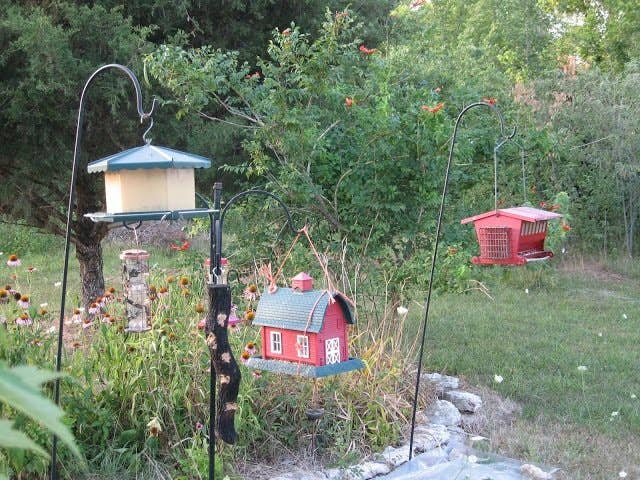
Near Natural Cover
Birds prefer feeders placed close to natural cover like trees or shrubs. These spots offer them quick hiding places if danger appears. I once placed a feeder near a small hedge, and noticed more birds visiting because they felt protected.
Choose locations where birds can easily fly into bushes or trees after grabbing a snack. This helps them stay alert and lowers stress.
Safe Distance From Predators
Keep your feeder far from places where cats or other predators can hide. A good rule is to place feeders at least 10 feet away from dense shrubbery or fences where predators lurk. You want birds to have a clear view so they can spot threats early.
Ask yourself: is there a safe escape route for birds? If not, consider moving the feeder. Safety encourages more frequent visits.
Accessible For Refilling
Choose a spot that’s easy for you to reach regularly. Bird feeders need frequent refilling, especially in winter. A location near your door or garden path saves you time and effort.
Also, think about ease of cleaning to keep feeders healthy. If it’s tough for you to access, it’s probably tough for maintenance too.
Credit: dengarden.com
Considering Sunlight And Weather
Choosing the right spot for your bird feeder affects the birds’ health and your viewing pleasure. Sunlight and weather play a big role in this choice. Good sunlight helps birds stay warm and active. Weather protection keeps feeders usable and birds safe. Consider these factors carefully for the best results.
Morning Sun Benefits
Morning sun warms birds after cold nights. It helps dry dew on feeders, preventing mold and mildew. Sunlight also encourages birds to visit early, making feeding times more lively. A spot facing east or southeast often captures gentle morning light.
Protection From Harsh Weather
Strong winds and heavy rain can scare birds away. Place feeders near trees or shrubs for natural shelter. This cover shields birds from storms and cold drafts. It also keeps the feeder cleaner and food drier, reducing waste.
Avoiding Excessive Heat
Too much sun can spoil seeds quickly and stress birds. Avoid placing feeders in direct afternoon sun. Choose a spot with partial shade during hot hours. This keeps food fresh longer and birds comfortable in warm weather.
Types Of Bird Feeders And Placement
Choosing the right type of bird feeder and its placement affects which birds visit your yard. Different feeders attract different bird species. Placement also helps keep birds safe and comfortable. Understanding feeder types helps you decide where to put them for the best results.
Hanging Feeders
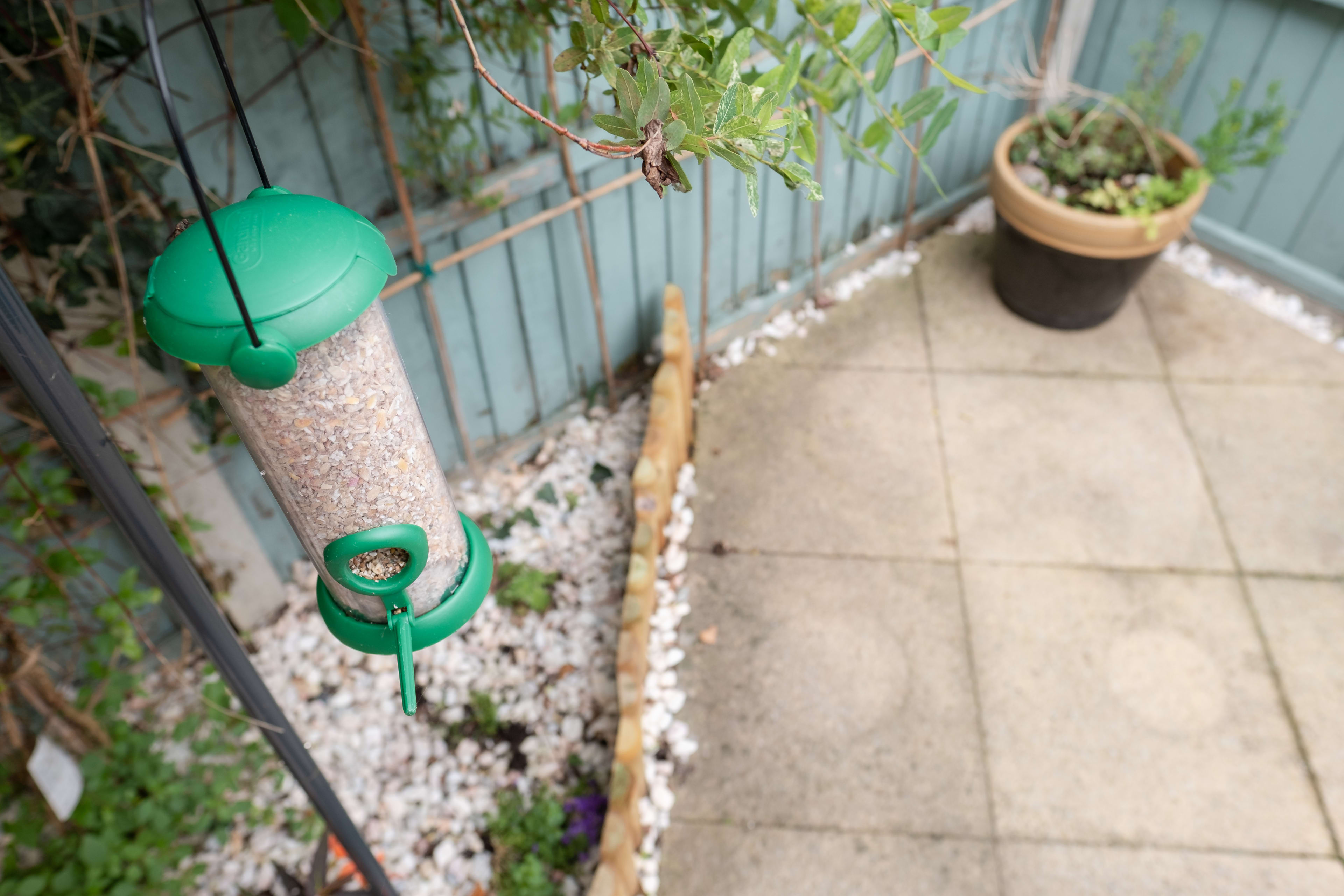
Hanging feeders are suspended from tree branches or hooks. They work well for small birds like finches and chickadees. Place them near shrubs or trees for cover. This gives birds a quick escape from predators. Avoid spots too close to windows to prevent collisions.
Platform Feeders
Platform feeders are flat surfaces that hold seeds and fruits. They attract a wide range of birds, including cardinals and jays. Place these feeders in open areas with nearby trees. This allows birds to watch for danger. Clean them regularly to prevent mold and disease.
Window Feeders
Window feeders stick to glass and offer close-up bird views. They suit small birds like sparrows and titmice. Attach them at eye level on clean windows. Keep them away from busy walkways to avoid startling birds. Window feeders create fun, safe birdwatching spots.
Credit: dengarden.com
Attracting Specific Bird Species
Attracting specific bird species to your feeder requires more than just putting out food. Different birds have unique needs when it comes to feeder placement, surroundings, and diet. Understanding these preferences can transform your backyard into a hotspot for your favorite feathered visitors.
Feeder Height And Placement
Each bird species feels comfortable at different heights. For example, ground feeders like doves prefer low feeders, close to the ground. Meanwhile, chickadees and nuthatches often visit feeders placed 5 to 6 feet above the ground.
Think about safety too. Placing feeders near shrubs or trees gives birds quick shelter from predators. You might notice more visits if your feeder is within 10 feet of natural cover but far enough to avoid cats sneaking up.
Preferred Surroundings
Bird species choose feeders based on the environment around them. Blue jays and cardinals, for example, prefer open spaces where they can spot threats easily. Woodpeckers, on the other hand, like feeders close to tree trunks.
Try to match your feeder’s surroundings to the birds you want to attract. Adding native plants nearby can also increase visits by creating a natural habitat. Have you observed where your favorite birds usually perch or nest? Mimicking those conditions can make a big difference.
Food Preferences
Offering the right food is crucial. Hummingbirds are drawn to nectar feeders, while finches love nyjer seed. If you want to attract woodpeckers, suet cakes are a great choice.
Mixing food types can attract a variety of birds but keep in mind some species avoid crowded feeders. You might want to set up multiple feeders with different foods and locations. What birds do you hope to see more often? Tailor your food choices to their tastes and watch your garden come alive.
Maintaining Feeder Hygiene
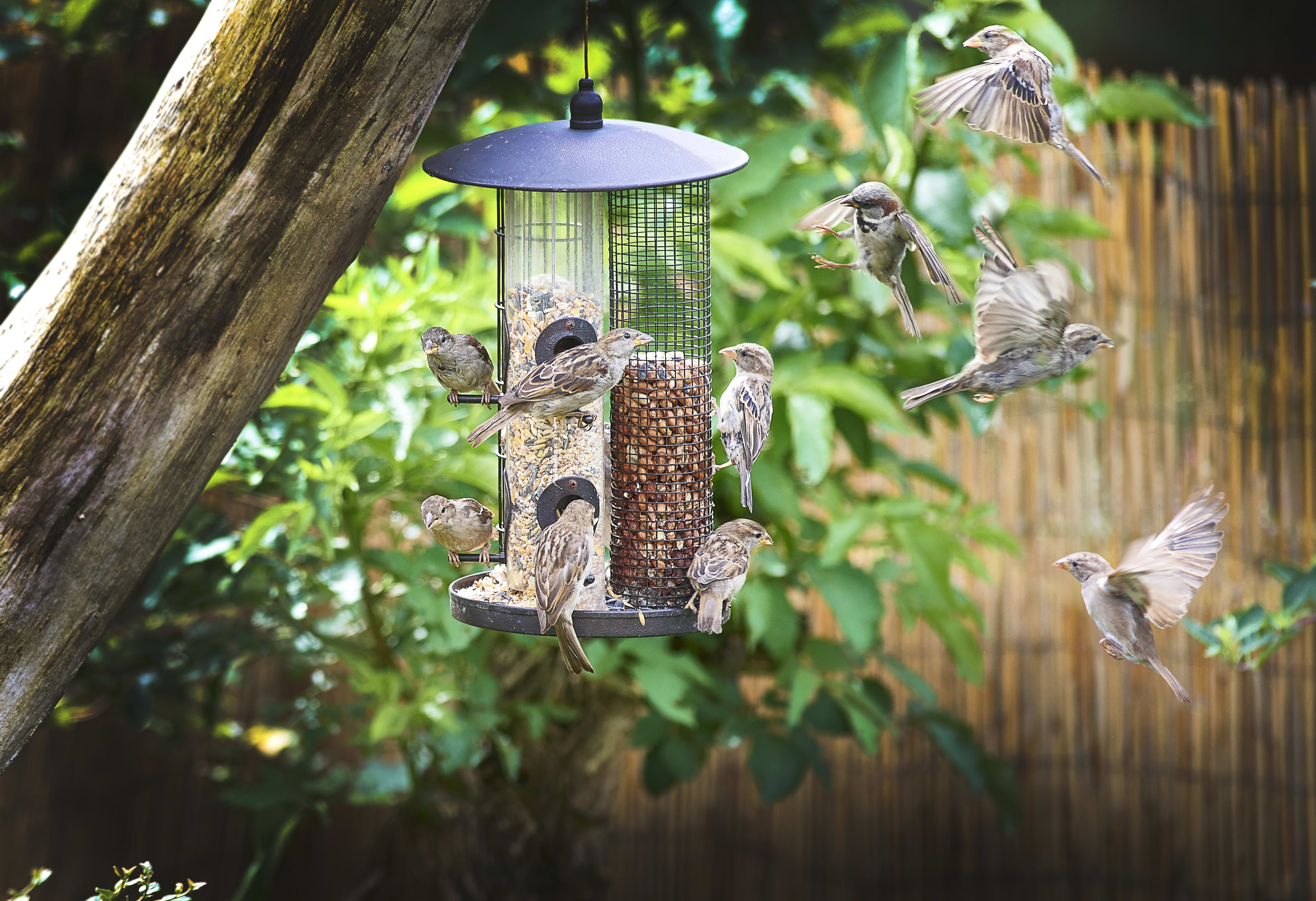
Maintaining feeder hygiene is crucial for the health of visiting birds. Clean feeders prevent the spread of diseases and keep birds coming back. Proper placement helps make cleaning easier and more effective. Choosing the right spot supports regular maintenance and reduces risks of mold and bacteria growth.
Easy-to-clean Spots
Place feeders where you can reach them easily. Avoid high branches or tight corners. A spot near your door or patio works well. This allows quick access for cleaning and refilling. Concrete, metal, or wooden surfaces nearby help catch spilled seeds and are easy to sweep.
Preventing Mold And Disease
Keep feeders dry and well-ventilated. Avoid placing them under thick leaves or near gutters. Moisture causes mold growth, which harms birds. Sunlight helps keep feeders dry and mold-free. Remove old or wet seeds regularly to stop bacteria build-up.
Regular Cleaning Schedule
Clean feeders at least once every two weeks. Use hot water and mild soap for washing. Rinse thoroughly to remove all soap. Dry feeders fully before refilling with fresh seed. During wet seasons, increase cleaning to once a week. Regular cleaning protects birds and keeps feeders attractive.
Credit: dengarden.com
Enhancing Bird Safety
Creating a safe environment for birds is vital when placing feeders. Birds face many dangers in urban and rural settings. By placing feeders carefully, you can protect them from harm. Here are some tips to enhance bird safety.
Avoiding Glass Collisions
Glass windows pose a serious threat to birds. They often don’t see glass and can fly into it. Position feeders within three feet of windows to minimize impact. This reduces the chance of fatal collisions. Use decals or films on glass to make it visible to birds. These simple steps save countless bird lives.
Keeping Feeders Away From Cats
Cats are natural hunters, posing a risk to birds. Place feeders at least ten feet away from cat hiding spots. Keep feeders at a height that is hard for cats to reach. Use fences or thorny plants as barriers. This keeps cats at bay, ensuring birds can feed safely.
Using Baffles And Guards
Baffles and guards are effective for protecting feeders. They prevent squirrels and other predators from reaching the food. Install a baffle above or below your feeder. Guards can also deter larger birds from dominating the space. These tools keep the feeding area secure and peaceful.
Frequently Asked Questions
Where Should I Place Bird Feeders For Safety?
Place bird feeders 10 feet away from windows to prevent collisions. Avoid areas near predators like cats. Choose spots with nearby trees or shrubs for shelter and quick escape routes.
How High Should Bird Feeders Be Hung?
Hang bird feeders 5 to 6 feet above the ground. This height keeps birds safe from most ground predators. It also makes the feeder easily visible and accessible for birds.
What Is The Best Location For Bird Feeders In Winter?
Place feeders in sheltered areas protected from strong winds. Near evergreen trees is ideal as they offer birds warmth and cover. Keep feeders accessible by clearing snow regularly.
Should Bird Feeders Be Near Natural Food Sources?
Yes, placing feeders near natural food like trees and bushes attracts more birds. It provides birds with familiar surroundings and additional food options, enhancing their feeding experience.
Conclusion
Placing bird feeders in the right spot helps birds feel safe and welcome. Choose areas near trees or shrubs for shelter and easy landing. Avoid busy places with too much noise or foot traffic. Keep feeders visible from your window to enjoy bird watching.
Clean feeders regularly to keep birds healthy. Small changes make a big difference for your feathered friends. Enjoy the peaceful moments as birds visit your garden daily. Simple steps bring nature closer to your home.




