
Have you ever wished you could see everything around your car at once? A Bird’s Eye View Camera gives you exactly that—an overhead view that shows your vehicle and its surroundings from above.
This powerful tool can make parking, reversing, and navigating tight spots much easier and safer. If you want to protect your car, avoid accidents, and gain full confidence behind the wheel, understanding how this camera works is a game-changer. Keep reading to discover how a Bird’s Eye View Camera can transform your driving experience.
Bird’s Eye View Camera Basics
The Bird’s Eye View Camera offers a clear view of the area around a vehicle. It helps drivers see obstacles and navigate tight spaces. This technology is useful for parking and avoiding accidents. Understanding the basics helps users appreciate its value.
How It Works
The system uses multiple cameras placed around the vehicle. These cameras capture images from different angles. The images combine into one overhead view. This view shows the surroundings from above. Drivers see this view on a screen inside the car. It helps in spotting objects that are hard to see.
Key Components
- Front, rear, and side cameras to cover all angles
- A central processing unit to stitch images together
- A display screen inside the vehicle
- Software that adjusts the image for clarity
Each part works together to create a smooth, real-time view. The cameras must be clean and properly aligned. The software ensures the picture looks natural and accurate.
Types Of Systems
- Wired systems connect cameras directly to the display
- Wireless systems send images without cables
- Integrated systems come built-in from the factory
- Aftermarket systems can be added to existing vehicles
Each type suits different needs and budgets. Some offer higher resolution and more features. Others focus on easy installation and affordability.
Credit: luview.com
Safety Benefits
Understanding the safety benefits of a Bird’s Eye View Camera can change how you navigate your vehicle daily. This technology gives you a unique perspective, improving awareness and reducing risks on the road. Let’s break down how it helps keep you and others safer.
Enhanced Parking Assistance
Parking can be stressful, especially in tight spots or busy areas. A Bird’s Eye View Camera shows a complete, real-time image of your car’s surroundings from above. This helps you judge distances more accurately and avoid scraping curbs or bumping into obstacles.
Imagine trying to squeeze into a narrow parking space with confidence because you can see every angle clearly. This reduces the chances of minor accidents that often lead to costly repairs or insurance claims.
Blind Spot Reduction
Blind spots are a major cause of accidents, especially during lane changes or merging. The Bird’s Eye View Camera eliminates many of these hidden areas by providing a full view around your vehicle. You can spot pedestrians, cyclists, or other vehicles that your mirrors might miss.
Have you ever hesitated before switching lanes, unsure if it’s safe? This camera system can give you the extra assurance to make safer decisions on the road.
Collision Prevention
Collisions often happen because drivers fail to notice obstacles or other vehicles in time. With a Bird’s Eye View Camera, you get an early warning about potential hazards from all sides. This allows you to react faster and avoid accidents.
Whether you’re driving through busy intersections or reversing out of a driveway, having this 360-degree awareness can prevent dangerous situations. Isn’t it worth having that kind of safety net every time you drive?
Technology Behind The Camera
The technology behind a Bird’s Eye View Camera blends multiple tools to create a clear, wide view. This system helps drivers see their vehicle from above. It uses several cameras and smart software. These parts work together to produce one seamless image. Understanding this technology shows how advanced car safety has become.
Camera Placement
The cameras are placed around the vehicle. Usually, one is at the front, one at the rear. Others are on each side mirror. This setup captures images from all angles. The goal is to cover blind spots. Proper placement ensures no area is missed.
Image Stitching Technology
Image stitching combines pictures from all cameras. It merges these images into one wide photo. The software aligns edges and adjusts colors. This process removes overlaps and gaps. The result is a smooth, bird’s eye view image.
Real-time Processing
The system processes images instantly. Cameras send video feeds to a central computer. The computer stitches images in real time. This quick processing helps drivers react fast. It keeps the view updated as the car moves.
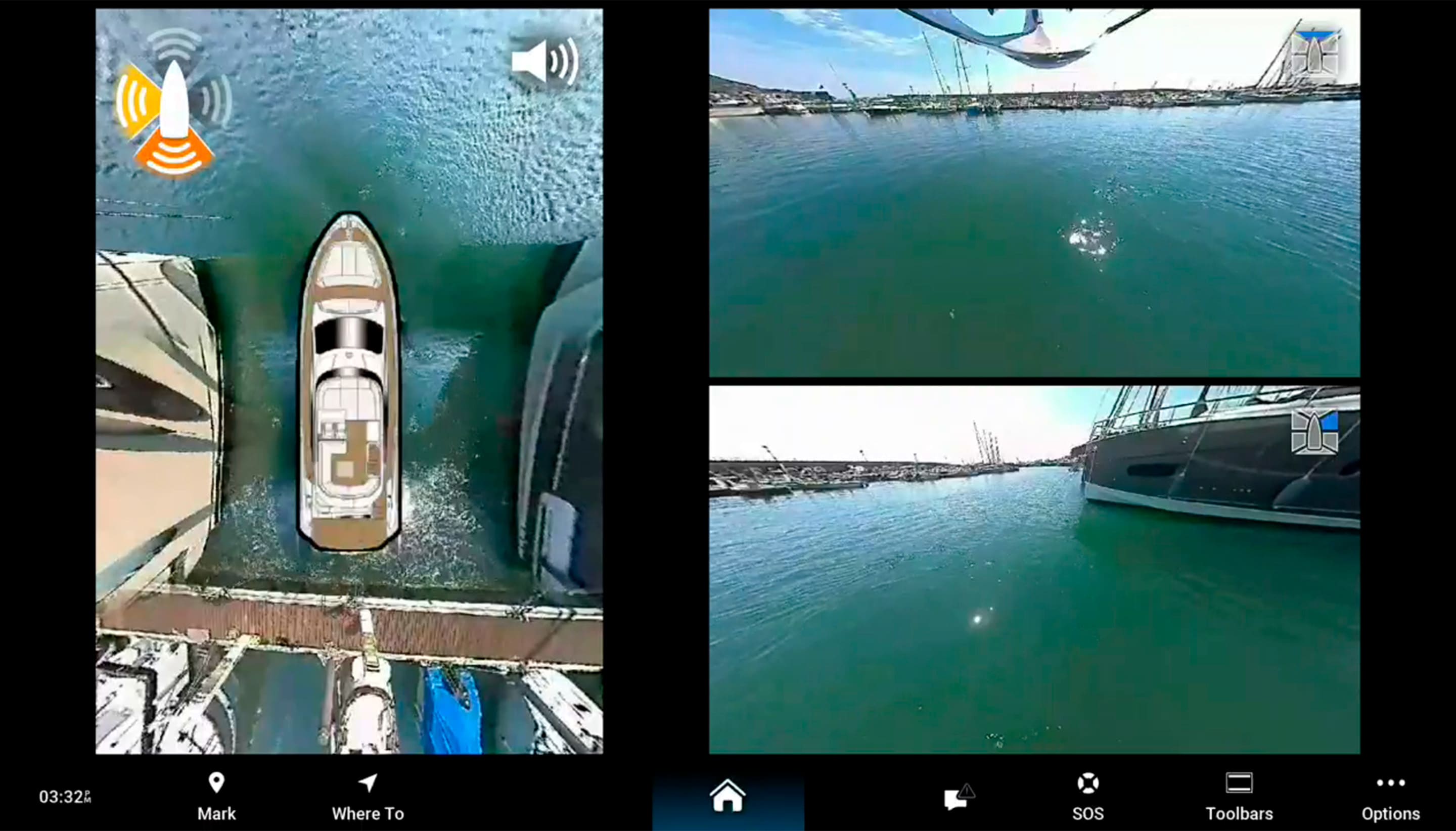
Credit: www.garmin.com
Installation And Integration
Understanding how to install and integrate a Bird’s Eye View Camera can seem daunting at first. However, with the right guidance, it becomes a manageable task. This section breaks down the essentials, ensuring you’re well-equipped to make the best decision for your vehicle.
Factory Installed Vs Aftermarket
Choosing between a factory-installed or aftermarket Bird’s Eye View Camera depends on your vehicle’s make and model. Factory-installed systems are tailored to fit seamlessly, often providing a more integrated experience. However, aftermarket solutions offer flexibility and can be more cost-effective, allowing you to add this feature to older models.
Consider the warranty and support each option provides. Factory installations are typically covered by the vehicle’s warranty, offering peace of mind. Aftermarket installations might require a bit more research to find a reputable installer and a reliable product.
Compatibility With Vehicles
Not all Bird’s Eye View Cameras are compatible with every vehicle. It’s crucial to verify compatibility before purchasing. Manufacturers often provide compatibility lists, so check if your vehicle is supported.
In some cases, adapters or additional hardware might be necessary for a perfect fit. Be sure to ask the retailer or manufacturer about any extra requirements. Remember, compatibility ensures optimal functionality and safety.
Setup Process
The setup process for a Bird’s Eye View Camera can vary depending on whether it’s factory-installed or aftermarket. Factory-installed systems are usually ready to go once you drive the car off the lot, requiring minimal input from you. Aftermarket setups typically involve a bit more effort.
For an aftermarket installation, follow the instructions carefully. Typically, this involves mounting the cameras, connecting them to a central module, and integrating with your vehicle’s display system. Patience and attention to detail can make the process smoother.
Have you ever installed an aftermarket camera yourself? It might surprise you how satisfying it can be to complete the setup successfully. Plus, the enhanced visibility and safety are well worth the effort.
User Experience
The user experience of a Bird’s Eye View Camera shapes how drivers interact with this technology. It affects ease of use, safety, and confidence on the road. A clear and simple interface helps drivers focus on their surroundings without distraction.
Good user experience means the camera system feels natural. Controls should be intuitive and responsive. The display must provide a clear view of the vehicle’s surroundings in real time.
Interface And Controls
The interface usually shows a top-down view around the vehicle. It combines images from multiple cameras into one picture. Controls often include touchscreens or buttons on the dashboard.
Drivers can switch views quickly, such as front, rear, or side cameras. The system uses clear icons and labels to avoid confusion. It responds fast to driver inputs, helping during tight parking or tricky maneuvers.
Customization Options
Many systems allow users to adjust settings. Options may include brightness, contrast, and camera angle preferences. Some let drivers choose which views display automatically.
Customization helps fit different driving styles and environments. It also improves visibility in low light or bad weather. Personalized settings make the system easier and more comfortable to use.
Common User Challenges
- Difficulty understanding the displayed view at first
- Small screen size limiting detail visibility
- Glare or reflections affecting screen clarity
- Lag between actual movement and camera display
- Complex menus causing confusion during driving
These challenges can reduce confidence and slow reaction times. Training and practice help users overcome them. Clear design and frequent updates improve the overall experience.

Credit: www.carsales.com.au
Future Developments
The future of bird’s eye view cameras looks promising. Technological advancements are on the horizon, enhancing user experience in vehicles. Let’s explore the exciting developments that lie ahead.
Ai And Machine Learning
AI and machine learning will transform bird’s eye view cameras. These technologies will help cameras recognize objects and predict movements. This means increased safety for drivers and pedestrians alike. With AI, cameras will adapt to different environments. They will learn and improve over time, offering a smarter driving experience.
Improved Image Quality
Future cameras will offer superior image quality. High-definition lenses and better sensors will enhance clarity. Drivers will get a clearer view of their surroundings. This will make parking and maneuvering much easier. Enhanced image quality ensures fewer blind spots and greater confidence on the road.
Integration With Autonomous Driving
Bird’s eye view cameras will play a role in autonomous vehicles. They will work with other sensors to provide a comprehensive view. This integration will improve navigation and decision-making for autonomous systems. As self-driving technology evolves, these cameras will be crucial. They will help ensure safety and efficiency in autonomous transport.
Cost And Maintenance
Understanding the cost and maintenance of a Bird’s Eye View Camera helps in planning your budget. This system offers a valuable safety boost for drivers, but prices and upkeep vary widely. Knowing what to expect saves time and money.
Price Range
Bird’s Eye View Cameras range from affordable to premium models. Basic systems start around $200. High-end versions with advanced features can cost $1,000 or more. Installation fees vary by vehicle and complexity. Some cars need special wiring or parts, which increase costs.
Repair And Upkeep
Regular maintenance ensures the camera system works well. Keep lenses clean from dirt and moisture. Check wiring connections for wear or damage. Repairs depend on the issue—lens replacement or software updates are common. Minor fixes are usually inexpensive. Major repairs might require professional service.
Warranty And Support
Most Bird’s Eye View Camera systems include a warranty. Coverage often lasts one to two years. Warranties protect against defects and malfunctions. Many brands offer customer support through phone or online chat. Some provide helpful guides and troubleshooting tips. Always check warranty details before purchase.
Frequently Asked Questions
What Is A Bird’s Eye View Camera?
A bird’s eye view camera provides a top-down, 360-degree view around a vehicle. It uses multiple cameras to create a comprehensive image for better parking and maneuvering.
How Does A Bird’s Eye View Camera Work?
It combines images from several cameras placed around the vehicle. The system stitches these images to create a seamless overhead view on the display screen.
What Are The Benefits Of Bird’s Eye View Cameras?
They enhance safety by eliminating blind spots. Drivers get better spatial awareness, reducing the risk of collisions during parking or tight turns.
Are Bird’s Eye View Cameras Available In All Vehicles?
No, they are mostly found in modern cars and SUVs, especially in higher trims or as optional packages. Aftermarket systems are also available.
Conclusion
A bird’s eye view camera shows a full view around your vehicle. It helps drivers park and drive safely. You see obstacles that are hard to spot. This camera system uses multiple lenses to give a clear picture. It makes driving in tight spaces easier.
Many modern cars include this useful feature. It adds confidence to your driving experience. Understanding this camera helps you use it well. Stay safe and enjoy better views on the road.




