
Have you ever stopped to think about where birds really feel at home? Understanding what a bird’s habitat is can change the way you see the world around you.
It’s not just about trees or nests—it’s about the perfect place that meets a bird’s every need. When you know what makes a habitat special, you’ll start noticing things you never saw before. Ready to discover how these amazing creatures find their safe space?
Keep reading, and you’ll unlock the secrets behind a bird’s home and why it matters to you.
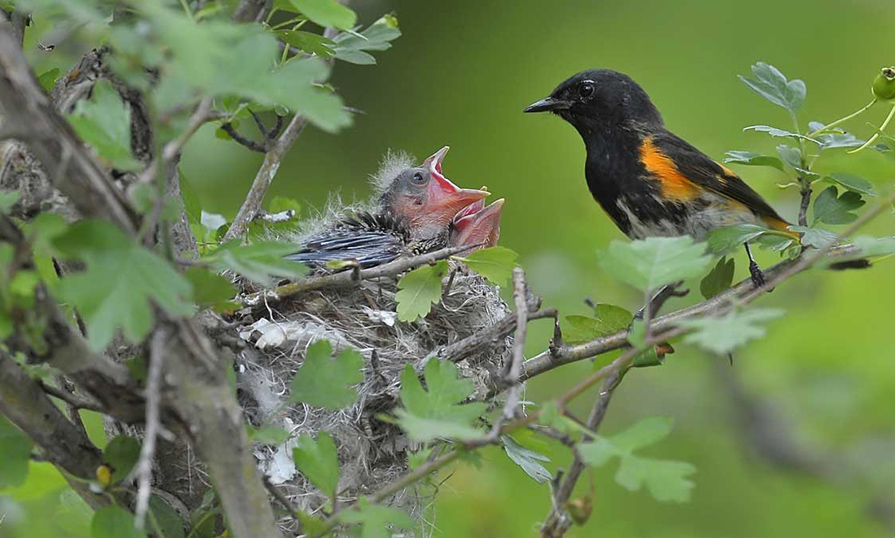
Credit: www.nscc.ca
Birds’ Natural Homes
Birds live in many different places. These places are their natural homes. A bird’s habitat offers food, shelter, and safety. It shapes how birds live and survive. Each bird species prefers a certain type of home. These habitats vary by climate, plants, and water availability. Understanding birds’ natural homes helps us protect them better.
Types Of Bird Habitats
- Forests: Dense trees provide shelter and food for many birds.
- Wetlands: Marshes and swamps support water-loving bird species.
- Grasslands: Open fields offer space for ground-nesting birds.
- Deserts: Some birds adapt to dry, hot environments.
- Urban areas: Cities and towns host birds that live near humans.
- Mountains: High altitudes with cooler temperatures attract specific birds.
Key Features Of Bird Habitats
- Food availability: Seeds, insects, or small animals must be nearby.
- Water sources: Birds need water for drinking and bathing.
- Vegetation: Trees and shrubs offer shelter and nesting sites.
- Climate: Temperature and weather affect bird survival.
- Safety: Habitats protect birds from predators and harsh weather.
- Space: Enough area is needed to find food and raise young.
Forest Habitats
Forest habitats provide shelter, food, and breeding areas for many birds. These habitats have layers of vegetation that create diverse living spaces. Trees, shrubs, and the forest floor each support different bird activities. Forests also protect birds from predators and harsh weather.
Tree Canopies And Understory
The tree canopy forms the upper layer of the forest. It offers food like fruits, seeds, and insects. Birds use the canopy for nesting and resting. The understory is below the canopy. It has smaller trees and bushes. Many birds find shelter and hunt insects here. Both layers are vital for bird survival.
Bird Species In Forests
Forests host many bird species. Some live mostly in the canopy, like parrots and toucans. Others prefer the understory, such as thrushes and warblers. Woodpeckers search tree trunks for insects. Owls find quiet spots in dense branches. Each species adapts to its forest niche.
Wetland Sanctuaries
Wetland sanctuaries serve as vital habitats for many bird species. These areas are rich in water and plant life, providing food and shelter. Birds depend on wetlands for breeding, nesting, and resting during migration. Protecting these habitats helps maintain bird populations and biodiversity.
Marshes And Swamps
Marshes and swamps are common wetland types. They have shallow water and dense vegetation. Marshes usually have grasses and reeds. Swamps contain more trees and shrubs. Both provide safe nesting sites and plenty of food. Birds use these areas to hide from predators. The mix of water and plants supports insects and fish, which many birds eat.
Waterfowl And Wading Birds
Waterfowl like ducks and geese thrive in wetland sanctuaries. They feed on aquatic plants, insects, and small fish. Wading birds such as herons and egrets use their long legs to walk in shallow water. They hunt for fish and amphibians. These birds rely on wetlands to find food easily. Wetlands also offer quiet places to rest and raise young.

Credit: smallfarms.cornell.edu
Grassland And Savanna
Grasslands and savannas stretch wide with tall grasses and scattered trees, creating a unique habitat for many bird species. These areas are often sunny, open, and perfect for birds that thrive on space and visibility. Understanding how birds live and adapt here can change the way you see these vast landscapes.
Open Spaces And Nesting
Birds in grasslands and savannas rely on open spaces to spot predators early and find food easily. Nesting is often done on the ground or low in shrubs, which might surprise you since it seems risky. Yet, many birds have evolved clever camouflage to protect their nests from predators.
Have you ever noticed how some birds build nests that blend perfectly with dry grass? This natural disguise is a lifesaver for eggs and chicks. If you watch quietly, you might catch a glimpse of a bird carefully tending its hidden nest.
Birds Adapted To Grasslands
Many birds have special traits that help them survive in grasslands and savannas. For example, the Greater Roadrunner uses its long legs to run fast on open ground. Meanwhile, the Secretarybird hunts snakes and other small animals right in the tall grass.
Some birds, like the Meadowlark, sing loud songs to mark their territory across the open fields. Their calls carry far without trees to block sound. When you hear these songs, you are witnessing how birds use their habitat to communicate and thrive.
Urban Bird Habitats
Urban bird habitats are unique spaces where birds live and adapt in city environments. These habitats provide food, shelter, and nesting spots amid buildings and roads. Birds in cities face challenges like noise and pollution but find clever ways to survive.
City Parks And Gardens
City parks and gardens act as green islands in urban areas. Trees, bushes, and flowers offer food and shelter to many bird species. Water sources like ponds attract birds to drink and bathe. These spaces help birds rest and raise their young safely.
People planting native plants and avoiding chemicals support bird life. Parks with diverse plants host more types of birds. Gardens with bird feeders also bring birds closer to people.
Birds Thriving In Urban Areas
Some birds adapt well to city life. Pigeons, sparrows, and crows are common urban residents. They find food in trash, parks, and gardens. These birds build nests on buildings and bridges.
Other birds like robins and finches visit cities for food and shelter. Nighttime city lights can confuse some birds, but many still thrive. Urban areas provide a mix of challenges and chances for birds to survive.
Coastal And Marine Areas
Coastal and marine areas offer rich environments where birds find food, shelter, and nesting sites. These habitats support diverse bird species that rely on water and shorelines for survival. Birds adapt to these areas to feed, rest, and raise their young safely.
Coastal and marine areas are vibrant ecosystems that host a diverse range of bird species. These habitats are crucial for the survival of various bird populations, offering them food, shelter, and breeding grounds. It’s fascinating how these areas, with their dynamic landscapes and rich resources, attract birds from different parts of the world.Shorelines And Beaches
Shorelines and beaches are buzzing with activity, serving as pivotal spots for many bird species. You might have noticed gulls, sandpipers, and plovers scurrying along the water’s edge. These birds rely on the abundant food resources found in the sand and shallow waters, such as small fish, crustaceans, and insects. The interaction between the tides and the shore creates a continuously changing environment. This change provides diverse feeding opportunities, making it a perfect stopover for migratory birds. Have you ever wondered how these birds navigate such vast distances? It’s their innate ability to read these environments that guides them.Seabird Communities
Seabird communities are fascinating in their complexity and social structures. Birds like puffins, albatrosses, and petrels form colonies on rocky cliffs and isolated islands. These locations offer safety from predators and a vantage point for spotting food in the ocean. Breeding is a communal affair for many seabirds, often resulting in vast colonies that can number in the thousands. This communal lifestyle is vital for their survival, offering protection and increasing foraging success. Imagine witnessing the synchronized flight of a flock—a display of unity and survival. Coastal and marine areas are more than just picturesque landscapes. They are dynamic ecosystems playing a critical role in the survival and diversity of bird species. Next time you visit the coast, take a moment to observe the intricate interactions between the birds and their habitats. What might seem like a simple beach walk could reveal a world of fascinating bird behavior.Habitat Loss And Conservation
Bird habitats are crucial for their survival, offering food, shelter, and breeding grounds. Yet, many bird habitats face destruction due to human activities. This section explores the threats to bird habitats and conservation efforts.
Threats To Bird Habitats
Bird habitats face several threats. Urban development destroys natural landscapes. Forests turn into cities and farmlands. Pollution contaminates water sources, affecting aquatic birds. Climate change shifts weather patterns, altering habitats. Birds struggle to adapt quickly.
Illegal logging reduces forest cover drastically. This impacts birds dependent on trees. Invasive species outcompete native birds for resources. Hunting and poaching further endanger bird populations. These threats make survival challenging for many species.
Efforts To Protect Sanctuaries
Conservationists work hard to safeguard bird habitats. They establish protected areas and wildlife reserves. These sanctuaries provide safe havens for birds. Governments implement laws to prevent habitat destruction. Community involvement strengthens conservation initiatives.
Restoration projects help revive damaged ecosystems. Volunteers plant trees and clean polluted areas. Education programs raise awareness about the importance of birds. People learn how to coexist with wildlife. Such efforts aim to secure a future for birds worldwide.
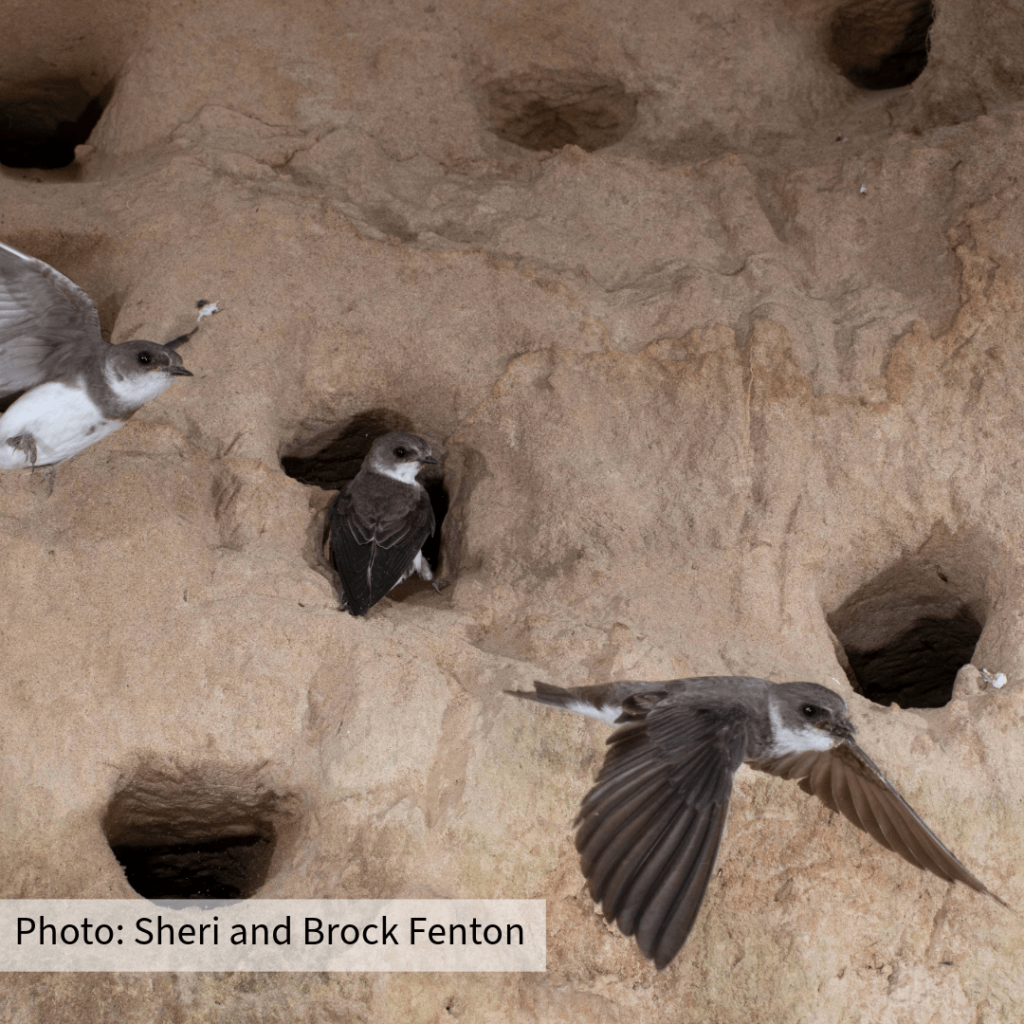
Credit: learn.birdscanada.org
Frequently Asked Questions
What Defines A Bird’s Natural Habitat?
A bird’s natural habitat includes the environment where it finds food, shelter, and breeding sites. It varies widely, from forests and wetlands to deserts and urban areas. Habitat quality directly impacts bird survival and reproduction.
How Do Birds Choose Their Habitats?
Birds select habitats based on food availability, shelter, safety from predators, and nesting needs. Seasonal changes and migration also influence habitat choice. Each species has specific habitat preferences suited to its lifestyle.
Why Is Habitat Loss Harmful To Birds?
Habitat loss reduces food sources, nesting areas, and shelter, causing population declines. It disrupts migration patterns and breeding success. Protecting bird habitats is crucial for biodiversity and ecosystem health.
Can Birds Adapt To Urban Habitats?
Many birds adapt well to urban areas by using buildings, parks, and gardens for food and nesting. However, not all species thrive in cities due to pollution and lack of natural resources. Urban habitats can support diverse bird life with proper planning.
Conclusion
Birds need safe and suitable places to live and thrive. Their habitats provide food, shelter, and protection from danger. Protecting these areas helps keep bird populations healthy. Changes in the environment can harm their homes quickly. People can help by respecting nature and planting native trees.
Every small effort supports birds and the balance of nature. Understanding bird habitats makes us appreciate the world around us more. Caring for birds means caring for our planet too.




