
Have you ever tossed a piece of bread to a hungry bird and felt a warm glow inside? It’s a simple act that connects you with nature in a special way.
But have you ever stopped to wonder if feeding birds bread is actually good for them? What if that little snack you offer could harm their health or disrupt their natural habits? If you care about the birds visiting your garden or local park, it’s important to know the truth behind this common practice.
Keep reading, and you’ll discover everything you need to make sure your kindness helps, not hurts, the feathered friends you love.
Why People Feed Birds Bread
Feeding birds bread is a common sight in parks and gardens worldwide. Many people enjoy this simple act of kindness. It feels good to connect with nature and help small creatures. Bread is easy to find and share. This makes it a popular choice for feeding birds. Understanding why people feed birds bread helps us see the bigger picture.
Common Reasons Behind Feeding
- People want to care for birds during cold months.
- Feeding birds creates a fun activity for families.
- It offers a chance to observe birds up close.
- Some believe bread is a harmless snack for birds.
- Many enjoy the peaceful moments while feeding birds.
Historical Practices
Feeding birds has deep roots in history. In many cultures, it shows kindness and respect for life. Bread became a common food because it was widely available. People often shared leftover bread with wildlife. Religious and cultural traditions sometimes included feeding birds as a good deed. Over time, this act turned into a leisure activity for many.

Credit: www.cbc.ca
Health Risks Of Feeding Bread
Feeding bread to birds might seem like a harmless way to interact with nature, but it actually carries several health risks. Bread lacks the nutrients birds need to thrive and can negatively affect their behavior and well-being. Understanding these risks can help you make better choices when feeding wildlife.
Nutritional Deficiencies
Bread is mostly made of carbohydrates and contains very little protein, vitamins, or minerals that birds require. Regularly eating bread can lead to malnutrition because birds fill up on empty calories. This leaves them without enough energy and nutrients to stay healthy, grow feathers, or reproduce effectively.
I once noticed a group of ducks that seemed lethargic and weak near a park pond where visitors frequently threw bread. It made me realize how such a common practice can harm bird populations over time.
Impact On Bird Behavior
Feeding bread can change how birds behave in unhealthy ways. Birds may become dependent on handouts, losing their natural ability to forage for real food. This can make them less cautious, increasing their risk from predators and human hazards.
Additionally, large crowds of birds gather in one spot when bread is provided, creating unnatural competition and stress. You might have seen flocks fighting over scraps, which is not typical in their usual environment.
Disease Spread Concerns
Bread left on the ground can quickly become moldy and attract harmful bacteria. Birds feeding in these areas can catch diseases like avian botulism and fungal infections. These illnesses can spread rapidly in dense groups, causing serious outbreaks.
Feeding birds bread also encourages crowding, which makes it easier for parasites and viruses to pass from one bird to another. Have you ever thought about how your small act of tossing bread might lead to larger health problems for your feathered friends?
Environmental Effects
Feeding birds bread might seem harmless, but it can harm the environment. Bread can cause problems beyond just the birds. These effects impact water quality and other wildlife around us.
Water Pollution Issues
Uneaten bread often falls into lakes and ponds. It breaks down and releases nutrients into the water. This extra food causes algae to grow fast. Algae blocks sunlight and uses oxygen, harming fish and plants. Polluted water loses its natural balance and health.
Attracting Unwanted Wildlife
Bread attracts more than just birds. Rats, pigeons, and other animals come for the easy meal. This can upset local ecosystems and spread disease. Large groups of unwanted animals can damage parks and gardens. It also makes it harder for native wildlife to survive.

Credit: x.com
Better Food Options For Birds
Feeding birds bread might seem like a kind gesture, but it lacks the nutrients birds need for healthy living. You can offer better food choices that truly support their wellbeing and attract a variety of species to your yard. These alternatives are easy to find and prepare, making your bird-feeding experience more rewarding.
Seeds And Grains
Seeds are a staple in many birds’ diets. Black oil sunflower seeds are especially popular because they provide high fat content and thin shells, which are easy for birds to crack open.
Other good options include millet, cracked corn, and safflower seeds. These attract different types of birds like sparrows, finches, and cardinals, offering you a vibrant birdwatching experience.
Fruits And Vegetables
Many birds enjoy fresh fruits and vegetables that provide vitamins and moisture. Try offering chopped apples, berries, or grapes—just avoid seeds and pits which can be harmful.
Leafy greens like spinach and kale are also favorites for some species. Have you noticed how robins and orioles often seek out sweet fruits? Adding these to your feeding station can invite these beautiful visitors.
Specialty Bird Foods
There are commercial bird foods designed to meet specific dietary needs. Suet cakes, for example, are excellent in colder months, providing energy-dense fat that helps birds stay warm.
Nectar feeders with sugar water attract hummingbirds and orioles. You might be surprised how a small change like adding a suet feeder can increase the variety of birds visiting your yard.
How To Feed Birds Responsibly
Feeding birds can be a joyful way to connect with nature, but it’s important to do it responsibly. Providing the right food and maintaining a clean environment helps keep birds healthy and encourages them to visit your garden regularly. Are you curious about how to make your bird feeding routine both safe and enjoyable for your feathered friends?
Proper Feeding Techniques
Choose bird-friendly foods like seeds, nuts, and specially formulated bird feed. Avoid offering bread, as it lacks the nutrients birds need and can harm their digestion.
Use feeders that keep food dry and prevent mold. Position feeders in safe spots away from predators and harsh weather.
Cleaning Feeding Areas
Regularly clean your feeders and the ground beneath them to stop disease spread. Wash feeders with warm, soapy water every two weeks or more often if you notice mold or debris.
Remove uneaten food and droppings daily. This simple step protects birds from infections and keeps your feeding spot inviting.
Seasonal Considerations
Adjust what and how you feed birds depending on the season. In winter, offer high-energy foods like sunflower seeds or suet to help birds stay warm.
During spring and summer, reduce feeding to encourage natural foraging and avoid attracting pests. Are you ready to tailor your feeding habits to the changing seasons for healthier birds?
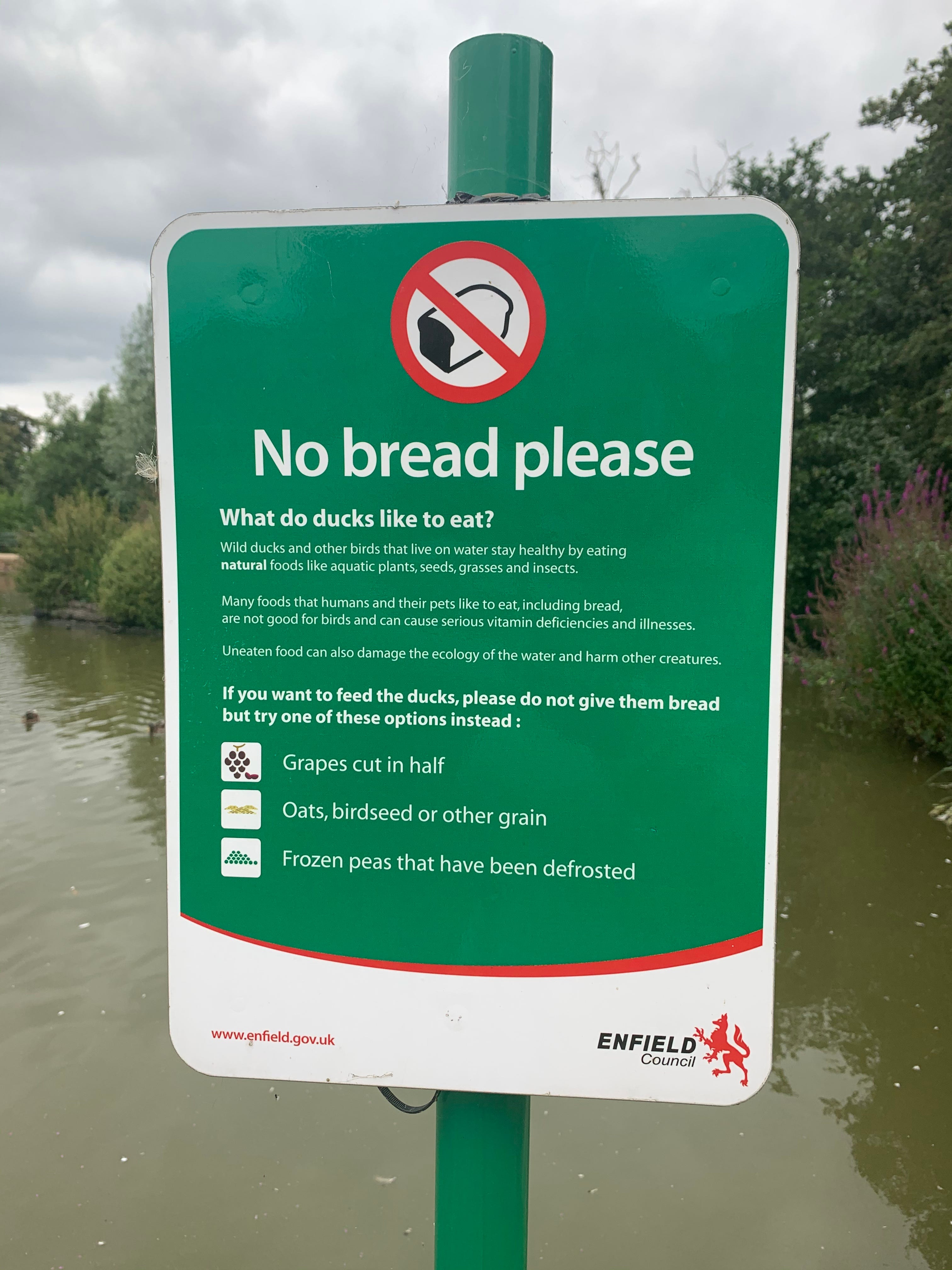
Credit: shamarm.medium.com
Frequently Asked Questions
Is Feeding Birds Bread Harmful To Them?
Yes, bread lacks essential nutrients birds need. Feeding bread can cause malnutrition and health issues in birds over time.
What Types Of Bread Are Safe For Birds?
Whole grain bread in small amounts is safer. Avoid moldy, white, or heavily processed bread for birds.
Why Do Birds Eat Bread Despite Its Harm?
Birds eat bread because it’s easily available and fills their hunger quickly, but it doesn’t provide proper nutrition.
What Are Better Alternatives To Feeding Birds Bread?
Offer birdseed, nuts, fruits, and vegetables instead. These provide essential nutrients and support birds’ health and growth.
Conclusion
Feeding birds bread is not the best choice. Bread lacks important nutrients birds need. It can also harm their health and environment. Instead, offer seeds, nuts, or fruit to help birds thrive. Caring for birds with proper food supports nature and keeps them safe.
Small changes make a big difference for bird health. Choose wisely and enjoy watching happy, healthy birds around you.




