
Have you ever stopped to wonder if feeding birds is actually helping them or doing more harm than good? You might think you’re giving these feathered friends a little boost, but what if your kindness is putting them at risk?
Before you toss out that bag of seeds or crumbs, it’s important to understand the hidden effects of feeding birds. Keep reading, because what you learn here could change the way you interact with nature—and make a real difference for the birds you care about.
Benefits Of Feeding Birds
Feeding birds offers several important benefits for both nature and people. It helps birds find extra food and stay healthy. It also brings wildlife closer to homes. This simple act creates many positive effects in the environment and daily life.
Supporting Local Wildlife
Feeding birds supports local wildlife by providing extra nutrition. Birds often struggle to find food due to habitat loss or harsh weather. Offering seeds and nuts helps them survive. This support boosts bird populations and keeps the ecosystem balanced.
Enjoying Backyard Birdwatching
Feeding birds turns your yard into a lively birdwatching spot. Watching colorful birds visit is relaxing and fun. It helps people learn about different bird species. This activity connects people with nature and encourages outdoor time.
Helping Birds During Harsh Seasons
During winter or dry seasons, food becomes scarce for birds. Feeding them helps birds stay strong and healthy. It reduces the risk of starvation and cold stress. Providing food during tough times saves many birds’ lives.

Credit: www.allaboutbirds.org
Potential Risks For Birds
Feeding birds might seem kind and harmless. Yet, it can bring risks that affect their health and survival. Birds can face problems that change their natural behavior and well-being. Understanding these risks helps protect wild birds better.
Dependency On Human Food
Birds may stop searching for natural food. They rely too much on handouts. This makes them weak and less able to find food alone. Dependency reduces their survival skills in the wild. It can also change their natural habits and migration patterns.
Spread Of Diseases
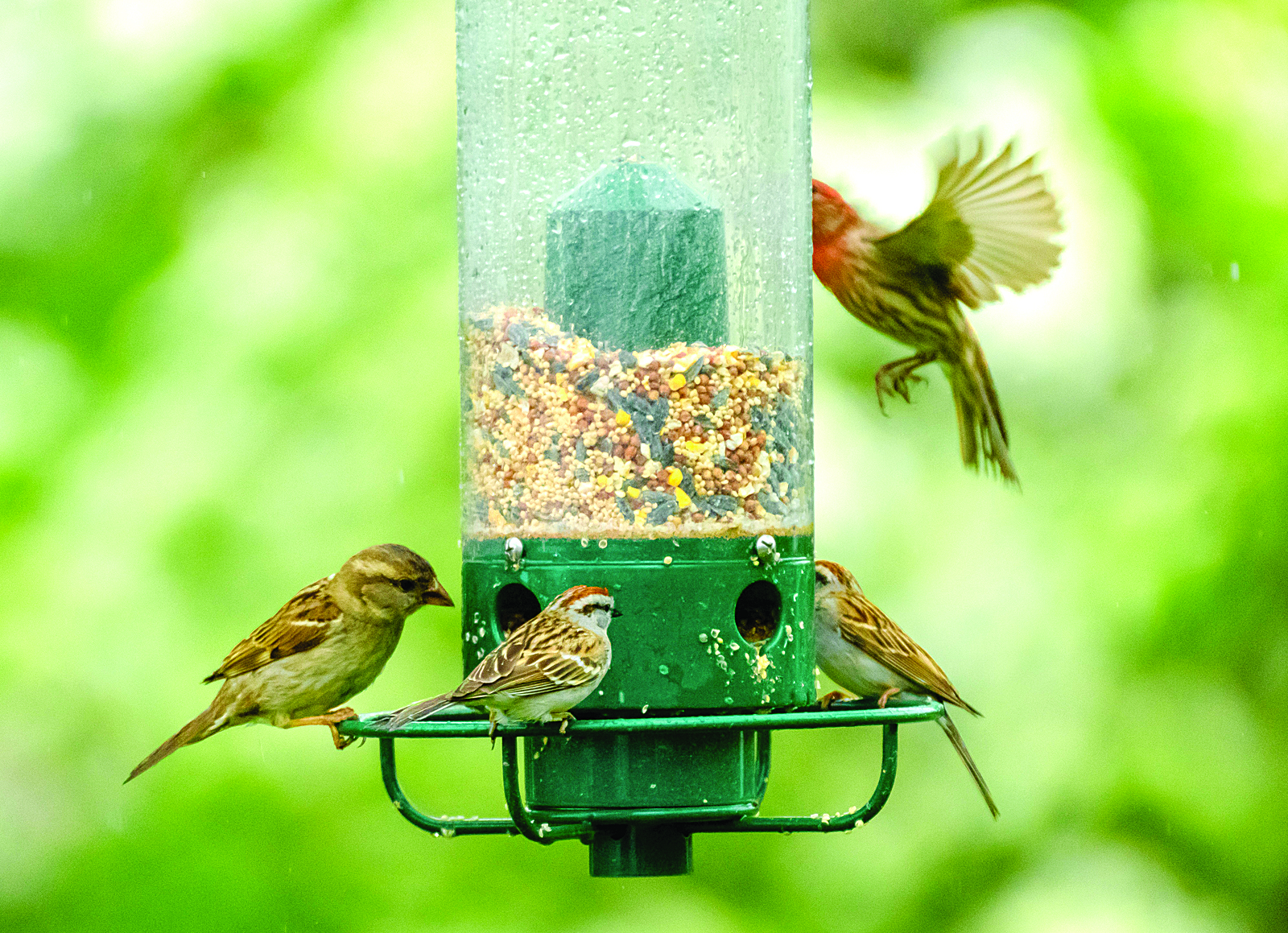
Feeding spots often gather many birds close together. This creates perfect conditions for germs to spread fast. Diseases like avian flu or salmonella can pass easily. Dirty feeders and leftover food increase infection risks. Sick birds may suffer or even die from these illnesses.
Poor Nutrition From Inappropriate Food
Birds need specific nutrients to stay healthy. Human food often lacks these nutrients. Bread, chips, and sweets can harm their digestion. Poor nutrition leads to weak immune systems and stunted growth. Feeding the wrong food can cause serious health problems over time.
Impact On Bird Behavior
Feeding birds might seem like a harmless way to enjoy nature up close, but it can change how birds behave in significant ways. These changes don’t just affect individual birds; they can impact entire bird communities and ecosystems. Understanding these behavioral shifts helps you make better choices about how and when to offer food.
Changes In Migration Patterns
Birds rely on natural food sources to time their migrations. When you provide easy access to food year-round, some birds may skip migration or delay it.
This can leave them vulnerable to harsh weather or food shortages when feeders run dry. Have you noticed birds sticking around your area longer than usual? That’s a sign their natural habits are shifting.
Increased Aggression And Competition
Feeding stations often attract many birds at once, which can lead to fights over food. This increased competition can cause stress and injury.
Dominant species may push out smaller or shy birds, reducing biodiversity in your yard. You can help by offering multiple feeding spots to spread out the crowd and reduce conflicts.
Attraction Of Predators
Bird feeders can unintentionally invite predators like cats, hawks, or squirrels into the area. Predators learn that feeders are reliable hunting grounds.
This puts feeding birds at higher risk, especially if they are distracted or too comfortable around humans. How often do you check your feeder’s surroundings for signs of predators?
Best Practices For Feeding Birds
Feeding birds can be a joyful experience, but it requires attention to detail to keep the birds healthy and the environment safe. Knowing the best practices helps you support local wildlife without causing harm. Here are key tips to make your bird-feeding efforts both enjoyable and responsible.
Choosing The Right Food
Not all bird food is created equal. Offering seeds like black oil sunflower or millet can attract a variety of birds while providing good nutrition.
Avoid bread or processed foods; they offer little value and can even hurt birds. Think about the species in your area and what they naturally eat—this helps you pick the best options.
Maintaining Clean Feeding Areas
Dirty feeders can spread disease quickly. Clean your feeders regularly with hot water and a mild bleach solution to keep birds safe.
Remove old or moldy food daily to prevent illness. You might be surprised how a little hygiene can make a big difference in bird health.
Feeding At Appropriate Times
Birds need food most when natural sources are scarce, such as in winter or during droughts. Feeding year-round can sometimes disrupt their natural habits and migration patterns.
Try to feed in the early morning or late afternoon when birds are most active. Have you noticed how birds flock more energetically during these times?
Alternatives To Feeding Birds Directly
Feeding birds directly might seem like a kind gesture, but there are thoughtful alternatives that support their natural behaviors and well-being. By offering resources that birds need to thrive, you help create an environment where they can feed themselves safely and sustainably. Let’s look at some practical ways you can encourage birds without hand-feeding them.
Creating Bird-friendly Habitats
Building a bird-friendly habitat means designing a space where birds feel safe and have access to food, shelter, and nesting areas.
You can add birdhouses, leave some leaf litter, and avoid using pesticides that harm insects birds eat. Providing a mix of open areas and dense cover allows different species to find what suits them best.
Have you noticed how birds linger longer in places where they feel secure? Your backyard can become their safe haven with just a few thoughtful changes.
Planting Native Trees And Shrubs
Native plants are a natural source of food and shelter for local bird species. They attract insects, produce berries, and offer nesting spots that non-native plants often can’t provide.
Try planting species like oak, dogwood, or serviceberry if you’re in North America. These plants support the entire ecosystem, giving birds a reliable and familiar food supply.
Think about your garden as a permanent buffet that replenishes itself without extra effort from you.
Providing Natural Water Sources
Birds need clean water for drinking and bathing, which helps keep their feathers in top condition. A birdbath, a small pond, or even a shallow dish of water can attract many species.
Make sure the water is fresh and change it regularly to prevent disease. Adding stones or sticks gives birds a place to perch safely while they drink.
Have you ever watched birds splash joyfully in a birdbath? It’s a simple way to invite them into your space and observe their natural behavior up close.
Credit: localgardener.net
Credit: twistedsifter.com
Frequently Asked Questions
Is It Harmful To Feed Birds Regularly?
Feeding birds regularly can cause dependency on humans. It may reduce their natural foraging skills. Overfeeding can lead to poor nutrition and overcrowding. However, occasional feeding with proper food is generally safe and supports bird populations.
What Foods Are Safe To Feed Wild Birds?
Safe bird foods include seeds, nuts, fruits, and suet. Avoid bread, processed foods, and salty snacks as they harm birds. Providing natural, nutrient-rich foods promotes healthy growth and energy for wild birds.
Can Feeding Birds Spread Diseases?
Yes, feeding birds can spread diseases if feeders are unclean. Dirty feeders attract pests and bacteria. Regular cleaning and proper feeding practices reduce health risks for birds and humans alike.
Does Feeding Birds Affect Their Migration Patterns?
Feeding birds may alter their natural migration habits. Birds might stay longer in one area if food is abundant. This can disrupt ecosystems and affect bird survival strategies.
Conclusion
Feeding birds can bring joy and help them in tough times. But it can also cause problems for their health and habits. Choose safe, natural foods and feed in small amounts. Keep feeding spots clean to avoid disease. Remember, wild birds find most of their food on their own.
Enjoy watching birds, but respect their needs and nature’s balance. Careful feeding can support birds without harming them. Simple actions make a big difference for our feathered friends.




