
Imagine stepping outside your door and being greeted by the cheerful songs of colorful birds. Your backyard can become a peaceful haven where nature thrives right at your fingertips.
You don’t need a large space or special skills to create a bird sanctuary that attracts a variety of feathered friends. By making a few simple changes, you can transform your outdoor space into a lively, natural retreat that brings joy every day.
Ready to discover how to turn your backyard into a bird sanctuary? Keep reading to learn easy steps that will have birds flocking to your home in no time.

Credit: underatinroof.com
Choosing The Right Location
Choosing the right location for your backyard bird sanctuary is crucial. Birds need a safe and comfortable space to thrive. The location affects their feeding, nesting, and overall happiness. Careful site selection supports a healthy bird population in your yard. Focus on key factors like sunlight, safety, and access for the best results.
Assessing Sunlight And Shade
Birds need a balance of sun and shade. Morning sunlight warms the area and helps birds start their day. Shade protects them from harsh midday heat. Look for spots that get sunlight early and offer shade later. This mix keeps birds comfortable throughout the day.
Considering Safety From Predators
Safety is a top priority. Avoid locations near places where predators like cats or hawks hide. Choose spots away from dense bushes where snakes may lurk. Open spaces near trees provide good visibility for birds to spot danger. Adding birdhouses or feeders on poles can also keep birds safe from ground predators.
Selecting Accessible Areas
Pick a location easy for you to reach. This makes feeding and cleaning simple. Avoid placing feeders too close to busy walkways or noisy spots. Birds prefer calm areas with less human disturbance. An accessible yet quiet area helps maintain a peaceful sanctuary for your feathered friends.
Attracting Native Birds
Attracting native birds to your backyard creates a lively, natural environment that benefits both you and the local ecosystem. Native birds are adapted to your region’s climate and plants, making them easier to attract and support. By focusing on their specific needs, you encourage them to visit, stay, and even nest in your space.
Planting Native Trees And Shrubs
Choose trees and shrubs that naturally grow in your area. These plants offer the right kind of shelter and nesting spots native birds prefer. For example, oak trees support hundreds of native insects that birds feed on.
Plant a mix of tall trees and dense shrubs to create layers of habitat. This variety provides safe places for birds to hide from predators. Have you noticed how birds flock around certain bushes more than others? That’s because those plants meet their needs perfectly.
Providing Natural Food Sources
Skip the processed bird seed mixes and focus on natural foods. Native plants produce berries, seeds, and nectar that birds recognize as food. Blackberries, sunflowers, and coneflowers are great choices that attract different bird species.
Think about adding a few feeders with seeds native birds love, like nyjer or safflower. But remember, the goal is to complement natural food, not replace it. Have you ever watched birds ignore a feeder because the natural food is more appealing?
Creating Water Features
Birds need fresh water for drinking and bathing. Adding a birdbath or small pond invites them to visit regularly. Even a shallow dish of water refreshed daily can make a big difference.
Place water features near shrubs or trees so birds feel safe while they drink. Moving water, like a small fountain, attracts more birds by mimicking natural sounds. How often do you see birds linger at still water versus flowing water in nature?
Building Bird-friendly Habitats
Creating a bird-friendly habitat in your backyard is about more than just attracting birds. It means offering them a safe place to live, feed, and rest. By focusing on key elements like nesting spots, food sources, and shelter, you can transform your outdoor space into a vibrant bird sanctuary.
Installing Birdhouses And Nesting Boxes
Birdhouses and nesting boxes provide safe spaces for birds to lay eggs and raise their young. Different species prefer different styles and sizes, so consider the types of birds you want to attract. For example, bluebirds prefer small, open-front boxes, while wrens like cozy, enclosed ones.
Place these houses at varying heights and locations to suit diverse bird species. Keep them away from heavy foot traffic and predators. Regularly clean and maintain the boxes to prevent disease and ensure they remain inviting.
Setting Up Feeders
Feeders are a great way to bring birds closer and offer them essential nutrition, especially during harsh weather. Choose feeders based on the birds in your area—tube feeders work well for finches, while platform feeders attract a wider variety.
Keep feeders clean and fill them consistently. Try offering different types of food such as sunflower seeds, suet, or nectar to see which birds visit your yard. Have you noticed how certain feeders attract specific bird calls and behaviors?
Offering Shelter And Perches
Birds need places to hide from predators and rest comfortably. Planting dense shrubs or small trees creates natural cover that offers protection and privacy. You can also add brush piles or evergreen boughs for additional shelter.
Perches are equally important as resting spots and lookout points. Installing branches or poles at various heights encourages birds to stay longer. Think about how you can arrange these elements to mimic natural environments—this invites more birds to explore your backyard.
Maintaining A Healthy Environment
Creating a bird sanctuary in your backyard helps protect nature and supports local wildlife. Plant native trees and provide fresh water to attract birds. Simple changes make your space safe and welcoming for many bird species.
Maintaining a healthy environment in your backyard is crucial when transforming it into a bird sanctuary. A well-balanced ecosystem supports bird health and encourages diverse species to visit. Let’s explore how you can create a nurturing habitat for your feathered friends.Avoiding Chemicals And Pesticides
Using chemicals and pesticides can harm birds and disrupt their natural habitats. Consider opting for organic gardening practices to keep your sanctuary safe. Planting native flora can attract beneficial insects that naturally manage pests, reducing the need for chemical interventions.Keeping The Area Clean
A clean environment is inviting and safe for birds. Regularly remove debris and fallen leaves, as they can attract unwanted pests. Providing fresh water in birdbaths encourages birds to visit and keeps them hydrated, especially during hotter months.Monitoring Bird Health
Observing bird health can give insights into the environment’s wellbeing. Look for signs of distress or illness, such as unusual behavior or visible injuries. Engaging with local birdwatching groups can provide valuable information and support in maintaining a healthy bird population. Creating a thriving bird sanctuary is a rewarding journey. What steps will you take today to ensure a vibrant, safe haven for your winged visitors?Seasonal Care Tips
Seasonal care is key to keeping your bird sanctuary thriving year-round. Birds face different challenges with each season. Your backyard must adapt to meet their changing needs.
Preparing For Winter
Winter can be harsh for backyard birds. Keep feeders full with high-energy seeds like sunflower and suet. Clear snow from birdbaths daily to provide fresh water. Offer shelter using dense shrubs or birdhouses. Avoid pruning plants late in the year to preserve natural cover.
Supporting Birds During Breeding Season
Spring and early summer are critical for nesting birds. Provide safe nesting boxes and avoid disturbing nests. Plant native flowers and shrubs that attract insects, a vital protein source. Keep pets away to reduce stress on breeding birds. Limit pesticide use to protect the food supply.
Adjusting Food And Water Supply
Birds need different foods in different seasons. Offer a mix of seeds, nuts, and fruits in fall to build fat reserves. During summer, focus on fresh water and fruits. Regularly clean feeders and birdbaths to prevent disease. Change feeding routines to match bird activity and weather conditions.
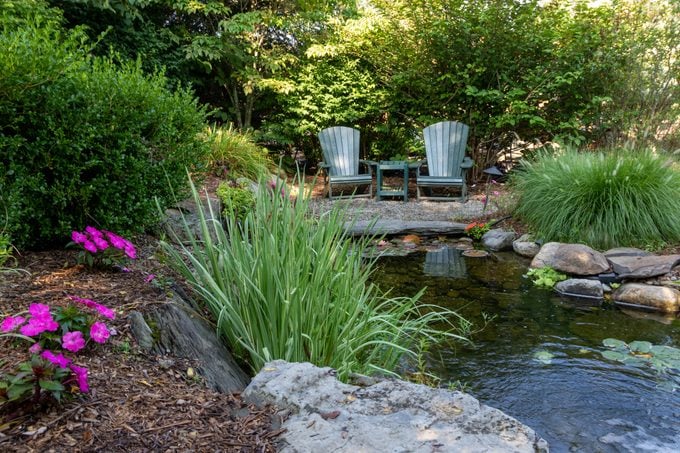
Credit: www.familyhandyman.com
Enhancing Your Sanctuary Experience
Enhancing your bird sanctuary turns your backyard into a lively, peaceful retreat. It invites you to enjoy nature up close. Small changes make bird watching more fun and meaningful. Your sanctuary becomes a place to relax and learn.
Setting Up Bird Watching Spots
Create quiet, comfortable spots for watching birds. Use simple chairs or benches near feeders or trees. Place birdhouses and feeders where you can easily see them. Add shade with umbrellas or trees to stay cool. Keep these areas free from noise and sudden movements. This helps birds feel safe and encourages visits.
Recording Bird Sightings
Keep a notebook or use a bird watching app to note bird visits. Write down the species, time, and weather. Take photos to help identify different birds. Tracking sightings shows patterns and seasonal changes. It makes bird watching more exciting and educational.
Involving Family And Community
Invite family and neighbors to share the sanctuary experience. Teach kids about local birds and their habits. Organize group bird watching sessions or simple bird crafts. Share your bird sighting records with local nature groups. This builds a caring community and spreads love for wildlife.

Credit: www.growjoy.com
Frequently Asked Questions
How Can I Attract More Birds To My Backyard?
To attract birds, provide fresh water, native plants, and bird feeders with varied seeds. Avoid pesticides and offer shelter like shrubs or birdhouses. Regularly clean feeders to keep birds healthy and comfortable.
What Plants Are Best For A Bird Sanctuary?
Native flowering plants, shrubs, and trees that produce berries and seeds are ideal. Examples include sunflowers, coneflowers, and dogwood. These provide natural food and shelter, encouraging diverse bird species to visit your sanctuary.
How Do I Keep Birds Safe From Predators?
Install birdhouses and feeders away from open areas. Use thorny bushes as natural barriers. Avoid using chemicals, and keep cats indoors or supervised to protect visiting birds from harm.
What Is The Best Way To Provide Water For Birds?
Use a shallow birdbath with fresh water, changing it daily. Position it near shrubs for quick escape, and keep the water clean to prevent disease.
Conclusion
Creating a bird sanctuary in your backyard brings nature close. Birds add life and color to your space. Simple steps like adding feeders and plants help. Watch as birds visit and build nests nearby. Your garden becomes a peaceful place to relax.
Enjoy the sounds and sights of happy birds. Every small effort makes a big difference for wildlife. Start today and see your backyard come alive. Nature’s beauty is just outside your door.




