
Imagine turning your simple bird bath into a stunning fountain that catches every eye in your garden. You don’t need to be an expert or spend a fortune.
With a few easy steps, you can create a soothing water feature that brings life and beauty to your outdoor space. Ready to discover how you can transform your bird bath into a charming fountain? Keep reading, and you’ll find out exactly what to do to make your garden the place everyone talks about.
Choosing The Right Bird Bath
Choosing the right bird bath is key to turning it into a beautiful and functional fountain. The material, size, shape, and location all play a crucial role in how well your bird bath will work as a fountain and how much the birds will enjoy it. Let’s break down what you need to consider to make the best choice.
Material Considerations
The material of your bird bath affects durability, ease of cleaning, and overall appearance. Concrete and stone are sturdy and heavy, offering stability for a fountain setup. However, they can be porous and harder to clean, which might impact water quality over time.
Metal bird baths bring a modern look but can heat up quickly in the sun, making the water uncomfortable for birds. Plastic is lightweight and affordable but might not hold up well in extreme weather or support heavier fountain parts. Ceramic options look elegant but are fragile and require careful handling.
Think about your climate and how much maintenance you’re willing to do. Which material fits your garden’s style and your lifestyle better?
Size And Shape Tips
Size matters when converting a bird bath into a fountain. A wider basin gives more room for water movement and splash without spilling. A depth of around 2 to 3 inches works best for birds to bathe and drink comfortably.
Shapes can vary from round to square or even irregular. Round shapes encourage water to flow evenly, which is ideal for a fountain’s pump and spray. Shallower edges help birds hop in and out easily while deeper centers hold water longer.
Ask yourself: How much space do you have, and how visible do you want your fountain to be? A larger bird bath becomes a garden centerpiece, while a smaller one fits nicely in cozy corners.
Location Selection
Placement affects both the fountain’s function and bird safety. Choose a spot with partial shade to keep the water cool but where sunlight can still reach to prevent algae buildup. Avoid areas with heavy leaf fall or dirt that could clog your pump quickly.
Also, think about visibility. Placing the fountain where you can enjoy watching the birds adds to your gardening pleasure. But make sure it’s away from dense shrubbery where predators might hide.
Have you observed where birds naturally gather in your yard? Positioning your bird bath near those spots can increase visits and make your fountain a lively feature.

Credit: midlifeblogger.com
Essential Tools And Materials
Turning your bird bath into a fountain adds charm and keeps the water fresh for your feathered friends. But before you dive into the project, gather the right tools and materials to ensure smooth setup and lasting results. Having these essentials at hand makes the process more enjoyable and less frustrating.
Pump Options
The pump is the heart of your fountain. Choose one that matches the size of your bird bath to avoid splashing or weak flow.
- Submersible pumps:These sit inside the bird bath and are quiet and efficient. Ideal for smaller setups.
- External pumps:Placed outside the bath, they are easier to access for maintenance but require extra tubing.
- Solar-powered pumps:Great if you want to avoid cords and save energy. Just make sure your bird bath gets enough sunlight.
Think about where your bird bath is located and how much power access you have before picking a pump.
Tubing And Fittings
Tubing connects the pump to the fountain head. Choose flexible, durable tubing that fits your pump’s outlet snugly to prevent leaks.
- Clear vinyl tubing is popular because you can easily spot blockages or algae buildup.
- Use hose clamps or zip ties to secure tubing connections tightly.
- Fittings like elbows or T-connectors help route tubing neatly if your design requires it.
Measure tubing length carefully to avoid excess that can kink or tangle.
Power Source Needs
Consider how you’ll power the pump. Most require electricity, so proximity to an outlet is key.
- If your bird bath is far from power, an extension cord designed for outdoor use might be necessary.
- Solar pumps offer a cordless option but depend on sunlight availability.
- Check pump voltage and wattage to ensure your power source can handle it safely.
Ask yourself: Is your setup easy to plug in or will you need creative solutions to power your fountain?
Preparing The Bird Bath
Preparing the bird bath is the first key step in turning it into a beautiful fountain. A clean and sturdy base ensures the fountain works well and lasts longer. Careful preparation helps avoid leaks and pump issues.
Cleaning And Inspection
Start by emptying the bird bath completely. Use a brush and mild soap to scrub off dirt and algae. Rinse thoroughly with water to remove soap residue. Check the surface for cracks or damage. Make sure the basin is smooth and safe for birds.
Sealing Leaks
Look closely for any cracks or small holes. Use a waterproof sealant made for outdoor use. Apply the sealant evenly on the inside and outside of the basin. Let it dry fully according to the product instructions. This step stops water from leaking out.
Creating Pump Access
Identify a spot to place the water pump. It should be near the bottom but hidden from view. Drill a small hole for the pump’s power cord, if needed. Ensure the pump sits firmly and can push water up without obstruction. Proper pump access keeps the fountain flowing smoothly.
Installing The Fountain Pump
Installing the fountain pump is a key part of turning your bird bath into a lively fountain. Getting this right ensures smooth water flow and a beautiful display that attracts birds and adds charm to your garden. Let’s look at how to position the pump, connect the tubing, and secure everything firmly.
Positioning The Pump
Place the pump at the bottom of the bird bath, where it sits flat and stable. Make sure it’s fully submerged in water to prevent damage and keep it running quietly. Avoid spots where debris collects, as this can clog the pump and reduce performance.
Think about access too—you want to reach the pump easily for maintenance or cleaning without dismantling your whole setup. A spot near the edge often works best for quick unplugging or adjustments.
Connecting Tubing
Attach the tubing securely to the pump’s outlet. The tubing will carry water up to the fountain head, so it must fit snugly to avoid leaks or air bubbles that interrupt water flow. Use hose clamps if necessary to tighten the connection.
Cut the tubing to the right length—too long and the flow weakens, too short and it might pull or kink. Test the water path by running the pump briefly before finalizing.
Securing Components
Once tubing is connected, stabilize the pump and tubing inside the bird bath. Use waterproof adhesive or silicone sealant to keep the pump from shifting during operation. This prevents damage to the pump and keeps water flowing smoothly.
Also, anchor the tubing so it doesn’t move or get pulled out accidentally by wind, animals, or garden activities. A few well-placed clips or ties work well here.
Designing Water Flow Effects
Designing water flow effects transforms a simple bird bath into a relaxing fountain. It enhances the sound and look, attracting birds and creating a peaceful space. Small changes can make big differences in how water moves and sparkles.
Focus on controlling water pressure, adding decorations, and creating levels. These elements work together to produce smooth, lively water motion that pleases both birds and people.
Adjusting Water Pressure
Water pressure controls the fountain’s strength and flow style. Too much pressure causes splashing and noise. Too little pressure results in weak, dull flow. Use a pump with adjustable settings for better control. Test the flow by watching how water falls and sounds. Fine-tune until the flow feels balanced and gentle.
Adding Decorative Elements
Decorations shape water paths and add charm. Use stones, shells, or ceramic pieces inside the bath. Place them to guide water into soft streams or small cascades. Plants near the edges create natural splashes and shade. Decorations break water flow into interesting patterns and slow it down.
Creating Multi-level Flow
Multi-level flow adds depth and movement. Stack flat stones or small bowls inside the bath. Water spills from one level to the next, creating a soothing sound. This design attracts more birds and keeps water fresh. Build levels carefully to avoid leaks and maintain steady flow.

Credit: m.youtube.com
Electrical Safety Tips
Turning your bird bath into a fountain adds charm and soothing sounds to your garden, but handling electricity around water demands careful attention. Electrical safety isn’t just about following rules—it’s about protecting your home, your equipment, and most importantly, yourself. Let’s focus on key safety tips that keep your fountain running smoothly without risking shocks or damage.
Waterproofing Connections
Water and electricity don’t mix well, so every electrical connection must be fully waterproofed. Use waterproof junction boxes and seal all wire connections with weatherproof silicone or special electrical tape designed for outdoor use.
Keep connectors elevated or inside protective covers to avoid direct contact with water. I once ignored this and ended up replacing a pump after water seeped into the plug—don’t make the same mistake!
Using Gfci Outlets
Ground Fault Circuit Interrupter (GFCI) outlets are a must for any outdoor electrical setup. They instantly cut off power if they detect a leak or short circuit, preventing electric shocks.
If your fountain is powered from a standard outlet, upgrade it to a GFCI. It’s an inexpensive upgrade that offers peace of mind, especially if children or pets frequent your garden.
Routine Safety Checks
Electrical safety isn’t a one-time task. Regularly inspect your fountain’s wiring, plugs, and connections for signs of wear or damage. Look for cracks, corrosion, or loose fittings.
Test your GFCI outlet monthly by pressing its test button. If it doesn’t trip, replace it immediately. How long has it been since your last electrical safety check?
Maintaining Your Fountain
Transforming a bird bath into a fountain adds charm to your garden. Install a small pump in the bird bath. Ensure it circulates water gently, creating a soothing flow.
Maintaining your bird bath fountain ensures it remains a beautiful feature. Regular maintenance keeps the water clean and the pump functioning smoothly. It also extends the life of your fountain, providing a serene spot for birds and humans alike.Cleaning Schedule
Develop a consistent cleaning schedule. Aim to clean your fountain every two weeks. Remove debris like leaves and twigs. Drain the water, then scrub the basin with a gentle brush. Use mild soap and water. Rinse thoroughly to remove any soap residue.Pump Care
The pump is the heart of your fountain. Regularly check it for clogs or damage. Clean the pump filter every month. Remove any dirt or build-up that might restrict water flow. Ensure the pump is fully submerged when operating. This prevents overheating.Winterizing Techniques
Prepare your fountain for winter. Remove the pump and store it indoors. Drain the fountain basin completely. Cover the fountain to protect it from harsh weather. Use a waterproof cover if possible. This helps prevent cracks and damage from freezing temperatures.Enhancing The Surroundings
Transforming a bird bath into a fountain creates a lively focal point. Enhancing the surroundings makes the space more inviting for birds and people. Thoughtful additions can blend the fountain naturally into your garden. Soft touches and practical features improve the overall beauty and function.
Planting Around The Fountain
Choose plants that attract birds and add color. Low-growing flowers and ground covers soften the edges. Taller plants create a natural backdrop and provide shade. Use native plants for easier care and better bird support. Arrange plants in layers for depth and interest.
Lighting Ideas
Use soft lighting to highlight the fountain at night. Solar-powered lights are eco-friendly and easy to install. Place lights under or around the water for a glowing effect. Warm white bulbs create a cozy, natural feel. Avoid bright lights that might scare away birds.
Adding Bird-friendly Features
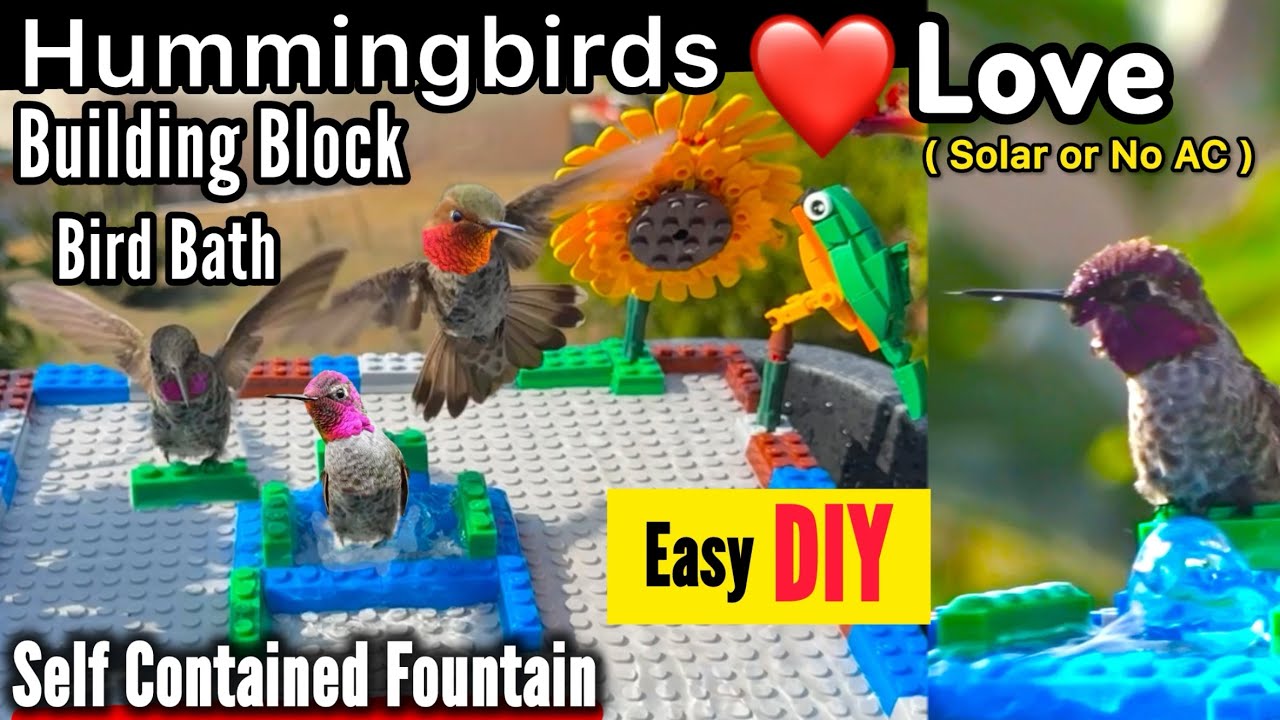
Include perches for birds to rest near the water. Small stones or branches inside the fountain help birds drink safely. Add a shallow basin or drip system for gentle water flow. Provide nearby shelter like bushes or birdhouses for protection. Keep the area clean to encourage frequent visits.
Credit: www.youtube.com
Frequently Asked Questions
How Do I Convert A Bird Bath Into A Fountain?
To convert a bird bath into a fountain, install a submersible pump inside the bath. Connect tubing to the pump to create water flow. Add decorative elements like stones or a spray nozzle for a natural look.
What Type Of Pump Works Best For Bird Bath Fountains?
A small, submersible fountain pump with adjustable flow works best. Choose one designed for outdoor use and low water volume. It ensures gentle water circulation and safe conditions for birds.
Can I Use Solar Power For A Bird Bath Fountain?
Yes, solar-powered pumps are eco-friendly and cost-effective. They operate during daylight and don’t require wiring. Ensure the solar panel gets full sun exposure for optimal performance.
How Do I Maintain A Bird Bath Fountain?
Regularly clean the pump and tubing to prevent clogs. Change the water every few days to avoid algae growth. Use non-toxic cleaners safe for birds and wildlife.
Conclusion
Transforming a bird bath into a fountain adds charm to any garden. It creates soothing water sounds that attract birds and nature. Installation is simple with basic tools and supplies. Regular cleaning keeps the fountain working well and water fresh.
This small project brings life and beauty to outdoor spaces. Try it yourself and enjoy peaceful moments nearby. A fountain bird bath makes your garden feel calm and inviting.




