
If you love watching hummingbirds dance around your garden, giving them a safe place to drink and splash can bring endless joy. Creating a bird bath just for hummingbirds is easier than you think, and it can turn your outdoor space into a lively haven.
In this guide, you’ll learn simple steps to make a hummingbird-friendly bath that attracts these tiny wonders right to your backyard. Ready to see more colorful wings fluttering near your home? Let’s get started!
Choosing The Right Location
Choosing the right location for a hummingbird bath is key to attracting these tiny birds. The spot must meet their needs for comfort, safety, and easy access. Placing the bath correctly helps hummingbirds feel safe and encourages frequent visits.
Sunlight And Shade Balance
Hummingbirds enjoy warmth but need some shade. Choose a spot with morning sun and afternoon shade. This helps keep the water cool and fresh. Too much sun can heat the water quickly, which is not good for the birds.
Safety From Predators
Pick a place where cats, squirrels, and larger birds cannot easily reach the bath. Avoid open areas where birds feel exposed. Near shrubs or small trees is best. These provide quick hiding spots if danger appears.
Visibility For Birds
Hummingbirds need to see the bath easily. Place it in a clear spot, not hidden by thick plants. They spot water from a distance and fly directly to it. A visible bath invites more hummingbirds to visit and rest.
Selecting Materials
Choosing the right materials is key to creating a safe and inviting bird bath for hummingbirds. The materials you pick affect not just the look but also the health and comfort of these tiny visitors. Think about durability, safety, and ease of cleaning as you gather your supplies.
Bird-friendly Basin Options
Opt for basins made from natural or non-toxic materials that won’t harm hummingbirds. Ceramic or glazed pottery basins work well since they hold water steadily and are gentle on birds’ feet. Avoid metal basins that can heat up quickly under the sun and might burn delicate birds.
Plastic basins can be lightweight and affordable, but make sure they are BPA-free and sturdy enough to avoid tipping. A shallow basin, about 1 to 2 inches deep, encourages hummingbirds to bathe safely. Have you considered repurposing an old ceramic dish or saucer? It’s a great way to recycle while creating a hummingbird haven.
Non-toxic Paints And Sealants
If you want to add color or protect your bird bath, choose paints and sealants that are safe for wildlife. Look for water-based, non-toxic, and lead-free options. These products won’t leach harmful chemicals into the water or soil.
Applying a sealant can extend the life of your bird bath, especially if it’s made from porous materials like wood or concrete. Remember, a well-sealed bath is easier to clean and less likely to develop algae. Have you checked product labels carefully? Safety first when it comes to your feathered friends.
Tools You’ll Need
Having the right tools makes your project smoother and more enjoyable. Basic tools include a drill with different bits, a paintbrush for applying sealants or paints, and sandpaper to smooth rough edges. You might also want a water level to ensure your basin sits flat and holds water evenly.
Depending on your materials, you may need a saw if you’re cutting wood or wire cutters for metal mesh. Investing in these tools upfront saves frustration later and helps you create a bird bath that lasts. What tools do you already have at home that could make this project easier?
Building The Bath Base
Choose a sturdy, flat surface for the bath base to keep it steady. Use a shallow dish or tray that holds water safely for hummingbirds. Ensure the base is easy to clean and placed where birds feel safe.
Creating a beautiful bird bath for hummingbirds begins with a solid foundation. This step is crucial to ensure your feathered visitors have a safe and inviting place to bathe. You’ll want a structure that can withstand the elements and the playful antics of hummingbirds.Creating A Stable Foundation
Start by selecting a level spot in your garden. This prevents the bath from tipping over. Use materials like bricks or stones for a sturdy base. Arrange them in a square or circular shape, ensuring the surface is even. A stable foundation provides security, letting you focus on attracting hummingbirds without worry.Assembling The Basin
Choose a shallow basin that mimics a natural puddle. Hummingbirds prefer water that’s no deeper than an inch. You can use a ceramic dish or a plastic container. Secure it atop the foundation with waterproof adhesive or a heavy object to prevent shifting.Ensuring Proper Drainage
Proper drainage is key to maintaining clean water. Drill small holes at the bottom of your basin if needed. This allows excess water to escape, preventing stagnation and algae growth. Regularly check and clean the basin to keep it inviting for your tiny guests. Remember, the goal is to create a safe and attractive environment. As you build, think about what makes you feel calm and serene. Your hummingbirds will appreciate the care and attention to detail, rewarding you with their vibrant presence.Adding Water Features
Adding water features to your hummingbird bath makes it more inviting. Water attracts hummingbirds by offering a place to drink and cool off. Simple touches can keep the water safe and appealing. Small movements and shallow water help hummingbirds feel secure while visiting.
Keeping Water Shallow
Hummingbirds prefer shallow water for easy landing and drinking. Fill the bath with less than one inch of water. This depth prevents drowning and allows hummingbirds to splash gently. A shallow pool also helps keep water cleaner longer. Use a wide, flat dish or basin to maintain shallow water safely.
Adding Gentle Water Movement
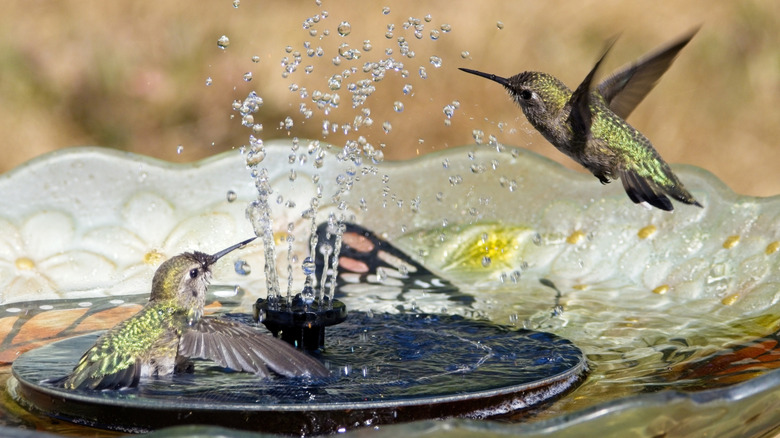
Soft water movement draws hummingbirds’ attention. Use a small solar fountain or dripper to create gentle ripples. Moving water looks fresh and signals safety to birds. Avoid strong sprays or fast flow that scare hummingbirds away. A slow drip or tiny fountain works best for a hummingbird bath.
Maintaining Clean Water
Clean water keeps hummingbirds healthy and happy. Change water every two to three days to stop algae and bacteria growth. Scrub the bath regularly with a brush and mild soap. Rinse well to remove soap before refilling. Use fresh water only—never add chemicals or bleach. Clean water means more visits from hummingbirds.
Decorating And Camouflaging
Decorating and camouflaging your hummingbird bath is key to making it inviting and safe for these tiny visitors. The right touches can help the bath blend naturally into your garden while still standing out enough to catch a hummingbird’s eye. How you decorate can even influence how often hummingbirds stop by.
Using Natural Elements
Adding natural materials around your bird bath helps it fit seamlessly into the environment. Try placing smooth stones or small branches around the edges. These not only make the bath look more organic but also provide perches for hummingbirds to rest.
Plants play a big role too. Surround the bath with native flowers or shrubs that hummingbirds love. This creates a comfortable space where they feel safe and have easy access to food and water.
Avoiding Bright Colors
Bright colors can scare hummingbirds away, even though they’re attracted to red flowers. Instead, use soft earth tones or greens to blend your bath into the garden. This reduces the chance of startling the birds when they approach.
Think about the materials you use—ceramic or stone in neutral shades works well. You want the bath to catch attention gently, not shout.
Attracting Hummingbirds Safely
Safety is just as important as beauty. Keep the water shallow—about 1 inch deep—to prevent any risk of drowning. Add a few small pebbles inside for grip, so hummingbirds can land easily without slipping.
Place your bird bath in a partly shaded spot to keep the water cool and fresh longer. This also protects hummingbirds from predators lurking in full sun or open areas.
Have you noticed how a well-decorated, camouflaged bath invites hummingbirds back again and again? Your thoughtful choices can turn a simple water dish into a hummingbird haven.
Credit: www.housedigest.com
Maintaining Your Bird Bath
Maintaining your bird bath is key to keep hummingbirds happy and healthy. Clean water attracts more birds and prevents illness. A well-kept bird bath looks inviting and lasts longer. Simple care routines save time and effort over weeks.
Regular Cleaning Tips
Empty the bird bath every few days. Use a soft brush or cloth to scrub the basin. Avoid harsh chemicals; mild soap works well. Rinse thoroughly to remove soap residue. Clean the surrounding area to stop dirt buildup.
Refilling Frequency
Refill the bird bath with fresh water daily. Hummingbirds prefer clean, clear water. Warm weather means faster evaporation and dirt. Keep the water level shallow for safe drinking. Check for standing water before adding more.
Preventing Algae Growth
Place the bird bath in a shaded spot. Algae thrive in sunlight and warm water. Change the water often to stop algae spores. Use natural cleaners like vinegar for stubborn algae. Add small stones for better water circulation.
Additional Tips For Hummingbird Care
Creating a bird bath for hummingbirds is just the beginning. Proper care helps keep these tiny birds healthy and happy. Simple actions can attract more hummingbirds to your garden. These additional tips support their feeding and safety.
Providing Food Sources
Hummingbirds need sugar water to stay active. Use a mixture of four parts water to one part white sugar. Boil the water first, then let it cool before filling the feeder. Change the sugar water every few days to prevent mold. Avoid using honey or artificial sweeteners. They can harm the birds.
Planting Hummingbird-friendly Flowers
Bright, tubular flowers attract hummingbirds naturally. Choose red, orange, or pink blooms for best results. Examples include trumpet vine, bee balm, and salvia. Plant flowers in sunny spots to encourage nectar production. Group several plants close together for easy feeding. Flowers also provide shelter and resting spots.
Avoiding Harmful Chemicals
Many garden chemicals can poison hummingbirds. Skip pesticides, herbicides, and chemical fertilizers near feeders or flowers. Use natural pest control methods instead. Handpick pests or introduce beneficial insects like ladybugs. Clean feeders and bird baths regularly to stop disease spread. Safe environments help hummingbirds thrive.
Credit: www.youtube.com
Credit: m.youtube.com
Frequently Asked Questions
What Materials Are Best For A Hummingbird Bath?
Use shallow, non-toxic materials like ceramic, glass, or smooth stone. Avoid metal or plastic. These materials retain water safely and attract hummingbirds by mimicking natural water sources.
How Deep Should A Hummingbird Bird Bath Be?
Keep the bath shallow, about 1 inch deep. This depth allows hummingbirds to bathe safely without risk of drowning. Shallow water also encourages regular visits from these tiny birds.
Where Should I Place The Hummingbird Bath?
Place the bath in a quiet, shaded area near flowers. Avoid direct sunlight to keep water cool. Position it where hummingbirds can easily spot it from perches or feeders.
How Often Should I Clean The Hummingbird Bath?
Clean the bath every 2-3 days. Use mild soap and rinse well to remove algae and bacteria. Regular cleaning ensures safe, fresh water and prevents harmful buildup.
Conclusion
Creating a bird bath for hummingbirds brings joy and beauty to your garden. Small steps, like choosing the right container and keeping water shallow, help attract these tiny birds. Clean water invites hummingbirds back again and again. Watching them drink and splash feels peaceful and fun.
Your effort helps hummingbirds stay healthy and happy. Try this simple project and enjoy nature close to home.




