
Having a bird trapped inside your home can be stressful and confusing. You want to help the bird get out quickly, but you may not know the best way to do it.
If you’re staring at fluttering wings or hearing unexpected chirps, don’t worry. This guide will show you simple, effective steps to get that bird out of your house fast—without hurting it or causing chaos. Keep reading, and you’ll learn how to turn your home back into a peaceful place for both you and your unexpected feathered visitor.
:max_bytes(150000):strip_icc()/__opt__aboutcom__coeus__resources__content_migration__mnn__images__2017__08__bat_on_house_door-a7ec4ffe6e5a458ab5668ee7ae004f12.jpg)
Credit: www.treehugger.com
Prepare The Room
Preparing the room is a crucial step to help the bird find its way outside quickly. Creating a clear path and minimizing distractions guides the bird toward freedom. Small actions can make a big difference in calming the bird and speeding up the exit.
Close Interior Doors
Shut all doors inside your home except the one leading outside. This prevents the bird from flying deeper into the house. It keeps the bird focused on the open exit.
Open Windows And Doors To Outside
Open windows and doors that lead directly outside. This gives the bird multiple escape routes. Fresh air and natural light will attract the bird toward the open space.
Turn Off Lights Indoors
Switch off all indoor lights. Darkness inside makes the open windows or doors outside more visible. The bird will be drawn to the light outside, helping it find the exit faster.
Create An Escape Path
Creating a clear escape path helps the bird find its way out quickly. Birds can get confused by objects and dark corners. Opening a direct route makes leaving easier and faster. A calm environment also reduces stress for the bird.
Remove Obstacles
Clear furniture and items near windows and doors. This gives the bird a wide path to fly out. Remove curtains or blinds blocking exits. Make sure nothing blocks the bird’s flight route. Move pets and people away from the path to avoid scaring the bird.
Use Natural Light As A Guide
Open curtains and blinds to let sunlight in. Birds are drawn to natural light and open spaces. Turn off indoor lights to reduce distractions. Bright outdoor light helps the bird focus on the exit. Positioning yourself behind the bird can help guide it toward the light.
Guide The Bird Gently
Guiding a bird gently out of your house helps reduce its stress and prevents injury. Calm actions create a safe path for the bird to fly away. Using soft materials and slow movements encourages the bird to move toward an open window or door. Patience is key to a quick, safe exit for both you and the bird.
Use A Towel Or Blanket
Pick up a towel or a light blanket. Slowly approach the bird to avoid frightening it. Gently place the cloth over the bird’s wings to stop it from flying. Hold the bird carefully but firmly. Move toward an open exit and release the bird outside.
Employ A Cardboard Or Sheet
Use a large piece of cardboard or a sheet to guide the bird. Hold it upright like a wall to block the bird’s path. Slowly push the bird toward the nearest exit. The bird will fly away once it finds the open space. This method keeps you at a safe distance.
Avoid Sudden Movements
Move slowly and steadily around the bird. Quick actions scare birds and cause panic. Keep your hands calm and steady. Speak softly or stay quiet to keep the bird calm. Sudden moves can trap the bird or cause injury. Patience helps the bird leave faster.

Credit: www.angi.com
Use Tools For Assistance
Using tools can make getting a bird out of your house faster and safer. Tools help guide the bird without harming it. They also reduce stress for both you and the bird. Simple household items can work well for this task.
Set Up A Humane Bird Trap
A humane bird trap allows you to catch the bird gently. Use a small cage or box with an open door. Place birdseed inside to attract the bird. Wait quietly nearby to avoid scaring it away.
Once the bird enters, close the door carefully. Keep the trap in a calm place inside the house. Check the trap often to release the bird quickly outside.
Utilize A Box Or Container
A box or container works well to cover and catch the bird. Choose a lightweight box that fits over the bird easily. Slowly approach the bird to avoid sudden moves.
Gently place the box over the bird. Slide a flat piece of cardboard or stiff paper under the box. Lift both carefully to keep the bird inside.
Take the bird outdoors and release it safely. This method keeps the bird safe and limits damage inside the house.
Prevent Future Entries
Preventing birds from entering your home again is the best way to avoid the stress of getting one out repeatedly. Once you’ve safely removed the bird, it’s time to focus on stopping it from coming back. Small openings and gaps can easily invite birds inside, so taking action to block these spots is crucial.
Seal Entry Points
Look around your home for places where a bird could sneak in. Check windows, vents, chimney openings, and gaps around doors. Even tiny cracks can be enough for a small bird to get inside.
Use weather stripping, caulk, or foam sealant to close these gaps. If you spot damaged screens or broken window seals, replace them promptly. I once ignored a small hole near my attic vent, and it became a favorite entrance for a persistent sparrow. Fixing it stopped the problem completely.
Install Screens Or Nets
Screens and nets are effective barriers that keep birds out without harming them. Install window screens or mesh over vents and chimneys to block access. Choose materials with small holes to prevent even the tiniest birds from slipping through.
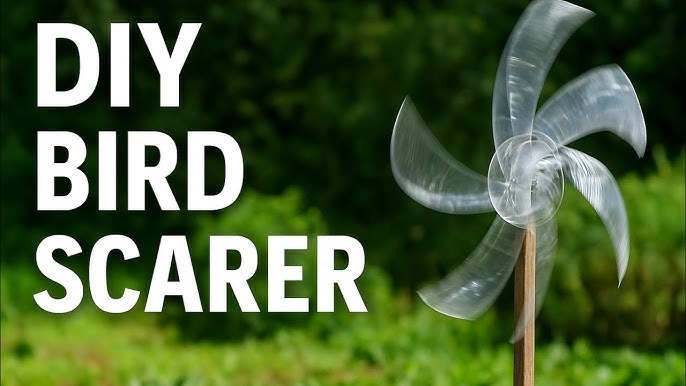
Nets can also be used outdoors to cover areas like patios or balconies if birds tend to fly inside there. Make sure these barriers are tight and secure, so birds don’t find a way around them. Have you checked the condition of your screens lately? A simple repair might save you from another uninvited guest.
Credit: www.youtube.com
When To Seek Professional Help
Consider seeking professional help if the bird is hard to catch or seems frightened. Experts can safely remove the bird without causing harm.
When a bird unexpectedly finds its way into your home, your first instinct might be to gently guide it out. However, there are situations where seeking professional help is the wisest choice. Recognizing when to call in experts can make all the difference for the bird’s well-being and your peace of mind.Signs Of Injured Or Trapped Birds
If you notice a bird struggling to fly or showing visible signs of injury, such as a drooping wing or difficulty breathing, it might be injured. An injured bird can be more challenging to handle and may require special care. Additionally, if a bird is stuck in a tight space, it could be trapped, and attempting to free it might cause further harm. Birds that appear lethargic or unresponsive might be in shock or suffering from an ailment. It’s crucial to act swiftly but cautiously in these situations. Remember, a panicked bird can easily cause injury to itself or damage your home if it becomes too stressed.Contacting Wildlife Experts
When dealing with an injured or trapped bird, reaching out to wildlife experts can provide the best outcome. Many regions have wildlife rescue organizations or animal control services that specialize in handling such scenarios. These professionals have the tools and knowledge to safely capture and care for the bird. Before you call, try to observe and note the bird’s behavior and any visible injuries. This information can help the experts assess the situation more accurately. If you’re unsure where to start, a quick online search for local wildlife services can point you in the right direction. In some cases, contacting a local veterinarian may also be beneficial. They can provide guidance and might have contacts with wildlife rescue organizations. Remember, ensuring the bird’s safety and health should always be the priority.Frequently Asked Questions
How Do I Safely Catch A Bird In My House?
Close windows and doors to limit its escape routes. Use a lightweight towel or net to gently catch the bird. Move slowly and calmly to avoid startling it. Release the bird outside promptly once caught.
What Should I Avoid When Removing A Bird Indoors?
Avoid chasing or hitting the bird, as it can cause injury. Don’t use harmful chemicals or traps. Avoid loud noises that stress the bird. Keep pets away to prevent panic or harm.
Can I Use A Box To Trap A Bird Inside?
Yes, gently place a box over the bird when it rests. Slide a piece of cardboard underneath to trap it inside. Carefully carry the box outside and release the bird safely.
How Do I Prevent Birds From Entering My Home Again?
Seal gaps around windows, doors, and vents to block entry. Keep screens repaired and closed when possible. Remove food sources that attract birds near your home. Use bird deterrents like reflective tape or decoys outdoors.
Conclusion
Getting a bird out of your house can feel tricky but stay calm. Open windows and doors wide to guide the bird outside. Turn off bright lights and use gentle movements to avoid scaring it. Patience is key; rushing may make the bird hide.
Try simple tools like a towel or cardboard to help direct it. Soon, the bird will find its way out safely. These easy steps work well and keep both you and the bird safe. Remember, a quiet and gentle approach makes all the difference.




