
Do you want to fill your backyard with colorful, cheerful birds? Attracting birds to your bird feeder can bring nature’s beauty right to your doorstep.
Imagine watching vibrant feathers flutter and hearing sweet songs every day. It’s easier than you think to create a welcoming space for your feathered friends. You’ll discover simple, effective tips that will make your bird feeder the hottest spot in town.
Keep reading, and soon you’ll enjoy a lively, delightful bird haven just outside your window.
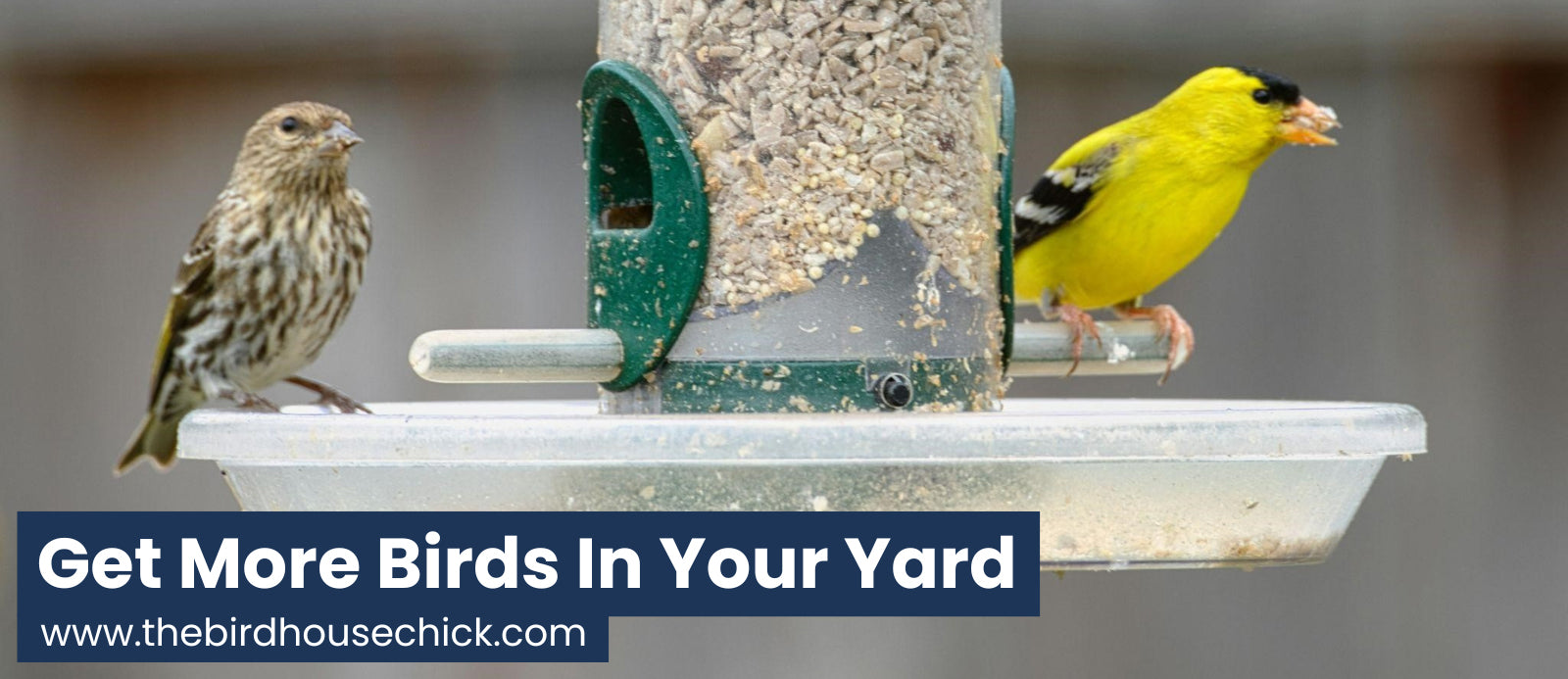
Credit: www.thebirdhousechick.com
Choosing The Right Feeder
Choosing the right bird feeder is crucial to attracting the kinds of birds you want to see. The feeder you select affects not only the types of birds that visit but also how often they come back. It’s worth spending time on this decision to create a welcoming space for your feathered friends.
Types Of Bird Feeders
Different bird feeders suit different bird species and feeding styles. Tube feeders are great for small songbirds like finches and chickadees because they keep seeds dry and are easy for small birds to perch on.
Platform feeders offer an open space and attract a wide variety of birds, including ground feeders like doves and jays. Suet feeders, often made of wire cages, appeal to insect-eating birds such as woodpeckers and nuthatches.
Think about the types of birds in your area and which feeder type matches their feeding habits. This can help you decide which feeder to try first.
Materials And Durability
Bird feeders come in plastic, metal, wood, or a mix of these materials. Plastic feeders are lightweight and affordable but can crack or fade over time. Metal feeders are sturdy and often squirrel-resistant, but they might heat up quickly in direct sun.
Wood feeders blend well with natural settings but require regular maintenance to avoid mold and rot. Consider your local weather and how much upkeep you’re willing to do before picking a feeder material.
From experience, a metal feeder worked best in my windy backyard, lasting years without damage. What kind of weather challenges does your feeder need to handle?
Feeder Placement Tips
Placement is just as important as the feeder itself. Place feeders near shrubs or trees to give birds a quick escape route from predators. At the same time, make sure feeders are visible from a window so you can enjoy birdwatching comfortably.
Avoid placing feeders too close to busy walkways or areas with heavy foot traffic, as this can scare birds away. Also, think about sun exposure—too much sun can spoil seeds, while too much shade can keep seeds damp and moldy.
Try moving your feeder around until you find the perfect spot that attracts the most birds. Have you noticed how small changes in placement can dramatically increase bird visits?
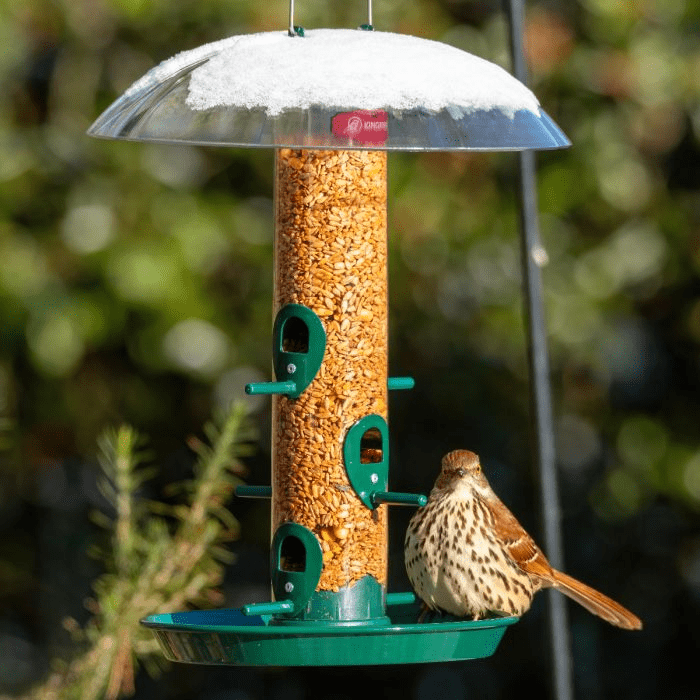
Credit: www.kingsyard.com
Selecting Bird-friendly Seeds
Choosing the right seeds is crucial to attract a variety of birds to your feeder. Not all seeds appeal to every bird species, so understanding their preferences can make your feeder a hotspot. Picking bird-friendly seeds ensures you provide nutritious food that keeps them coming back.
Popular Seeds For Different Birds
Black oil sunflower seeds are a top favorite for many birds like cardinals, chickadees, and finches. Their thin shells make them easy to crack open, attracting a wide range of visitors.
Nyjer (thistle) seeds specifically draw small finches such as goldfinches and siskins. These tiny seeds require special feeders but are worth it if you want to see these vibrant birds.
Safflower seeds are loved by cardinals and grosbeaks but often ignored by squirrels and some unwanted birds. Adding these can help you target specific species without attracting pests.
Avoiding Harmful Ingredients
Many commercial seed mixes contain fillers like red millet or milo, which birds often discard. These fillers not only waste your money but can discourage birds from returning.
Stay away from seeds treated with pesticides or chemicals, as these can harm birds and the environment. Always check the seed packaging or buy from trusted suppliers who prioritize bird safety.
Have you noticed birds avoiding your feeder? It might be time to rethink the seed quality and composition you offer.
Seasonal Seed Choices
Seed preferences can change with the seasons. In winter, high-fat seeds like sunflower and peanuts help birds maintain energy in cold weather.
During spring and summer, offering smaller seeds like millet can attract ground-feeders and young birds learning to eat. Adjusting seeds seasonally supports birds’ changing nutritional needs.
Experiment with different seeds throughout the year to see which ones bring the most feathered friends to your yard.
Creating A Welcoming Environment
Creating a welcoming environment around your bird feeder invites more birds to visit regularly. Birds seek safety, food, and comfort in their surroundings. Making your yard attractive to birds involves careful choices in water, shelter, and plants. Each element helps birds feel secure and encourages them to stay longer.
Adding Water Sources
Birds need water for drinking and bathing. A clean water source nearby attracts many bird species. Use shallow dishes or birdbaths placed close to the feeder. Keep the water fresh by changing it daily. Moving water, like a small fountain, can catch birds’ attention easily.
Providing Shelter And Perches
Birds look for places to rest and hide from predators. Plant shrubs or trees near the feeder for natural cover. Adding perches like branches or poles gives birds safe spots to land. Avoid open areas that expose birds to danger. Shelter helps birds feel safe and comfortable.
Using Native Plants
Native plants support local bird populations better than exotic species. They provide natural food sources like seeds, berries, and insects. Choose plants that bloom in different seasons to offer year-round resources. Native plants blend well with the environment and attract more birds. They also require less maintenance and water.
Feeding Schedule And Maintenance
Maintaining a proper feeding schedule and keeping your bird feeder clean are key to attracting birds consistently. Birds prefer fresh food and a safe environment. Regular upkeep helps prevent mold and bacteria, which can harm birds.
Setting a routine for refilling and cleaning encourages birds to visit often. Observing bird activity also guides adjustments to feeding times and amounts. Careful maintenance creates a welcoming spot for many bird species.
Regular Cleaning Practices
Clean your bird feeder every two weeks or more often in wet weather. Use warm water and mild soap to remove dirt and mold. Rinse thoroughly to avoid soap residue that can harm birds. Dry the feeder completely before refilling. This stops disease and keeps birds healthy.
Refilling Strategies
Fill feeders in the morning to catch early birds. Avoid overfilling to prevent food waste and pests. Offer fresh seeds daily or as needed based on bird activity. Store seeds in a cool, dry place to keep them fresh. Rotate seed types to attract different bird species.
Monitoring Bird Activity
Watch which birds visit and at what times. Note feeding patterns and adjust your schedule accordingly. Remove uneaten food if it stays too long. Keep track of seasonal changes affecting bird visits. Adjust seed types and feeder placement based on observations.
Attracting Specific Bird Species
Attracting specific bird species to your feeder can turn your backyard into a lively, colorful haven. Each bird type has unique preferences when it comes to food, feeder style, and environment. Understanding these preferences helps you create a welcoming spot that keeps your feathered visitors coming back.
Tips For Songbirds
Songbirds love a variety of seeds, but black oil sunflower seeds are a top choice. These seeds have thin shells, making them easy to crack open. Add a mix of millet and cracked corn to attract a wider range of species.
Choose feeders with perches or platform feeders that give songbirds room to land comfortably. Place your feeder near shrubs or trees, so birds feel safe from predators. Have you noticed how adding fresh water nearby can double the number of songbird visits?
Luring Hummingbirds
Hummingbirds are drawn to bright colors, especially red. Use red feeders or add red ribbons nearby to catch their eye. Fill the feeder with a simple nectar solution made from four parts water to one part sugar—avoid honey or artificial sweeteners.
Keep the nectar fresh by changing it every few days, especially in warm weather. Hang your feeder in a sunny spot but with some shade during the hottest part of the day. Have you tried placing a few native flowering plants near your feeder? They can boost hummingbird visits even more.
Attracting Woodpeckers And Finches
Woodpeckers prefer suet feeders or feeders filled with peanuts and sunflower seeds. Suet provides the high-energy food they need, especially during colder months. Hang your suet feeder from a tree or pole where woodpeckers can cling comfortably.
Finches love nyjer (thistle) seeds, which require special feeders with tiny holes. These small birds often visit in groups, so consider a feeder that holds plenty of seed. Have you ever seen goldfinches flocking around a nyjer feeder? It’s a rewarding sight that adds life to your garden.

Credit: happygardens.com
Avoiding Common Mistakes
Keeping your bird feeder clean and stocked with fresh food is essential. Choose the right location away from predators. Use a variety of seeds to attract different bird species, ensuring an inviting environment.
Attracting birds to your feeder is a delightful experience. Yet, mistakes can hinder your efforts. Understanding these mistakes ensures success in your bird-feeding journey. Let’s explore how to avoid these common pitfalls.Preventing Squirrel Intrusion
Squirrels can dominate your feeder. Use squirrel-proof feeders to deter them. Install baffles to keep them away. Place feeders far from jumping spots like trees or fences. Provide a separate feeding area for squirrels. This keeps them from interfering.Reducing Window Collisions
Birds often collide with windows near feeders. Position feeders within three feet of windows. This reduces impact speed if collisions occur. Use window decals to make glass visible. Install netting or screens for extra protection. These steps help save birds from injury.Managing Pest Birds
Some birds can be unwelcome guests. Use feeders with small perches. This limits access for larger pest birds. Offer seed types they dislike, like safflower. Keep the feeder area clean to discourage them. Regular maintenance helps manage these unwanted visitors.Frequently Asked Questions
What Types Of Seeds Attract The Most Birds?
Sunflower seeds attract many bird species. Nyjer seeds are great for finches. Mixed seeds also draw diverse birds. Choosing fresh, high-quality seeds ensures more visitors to your feeder.
How Often Should I Clean My Bird Feeder?
Clean your bird feeder every two weeks. Use warm, soapy water to remove mold and bacteria. Rinse thoroughly and dry before refilling. Regular cleaning keeps birds healthy and encourages repeat visits.
Where Is The Best Place To Hang A Bird Feeder?
Place your feeder near trees or shrubs for shelter. Ensure it is visible and safe from predators. Avoid windy or noisy areas. This creates a comfortable environment that attracts more birds.
What Time Of Day Do Birds Visit Feeders Most?
Birds usually visit feeders early morning and late afternoon. These times offer cooler temperatures and less disturbance. Feeding during these periods increases your chances of seeing diverse bird species.
Conclusion
Attracting birds to your feeder brings joy and nature close. Choose the right seeds and place feeders where birds feel safe. Keep the feeder clean and fresh water nearby. Different birds prefer different foods and feeder styles. Patience helps; birds may take time to visit.
Enjoy watching colorful birds brighten your yard daily. Small efforts create a lively, peaceful outdoor space. Start today, and discover the simple pleasure of bird watching.




