
Have you ever wondered how to take care of bird eggs properly? Whether you’ve found a nest in your backyard or are caring for eggs in captivity, knowing the right steps can make all the difference.
Bird eggs are fragile and need special attention to survive and hatch healthy chicks. You’ll discover simple, effective tips that anyone can follow to protect and nurture these tiny treasures. Keep reading to learn how you can give bird eggs the best chance to thrive.
Preparing The Nest
Preparing the nest is a crucial step in taking care of bird eggs. The nest acts as a safe haven, providing warmth and protection to the delicate eggs. How you set up the nest can directly affect the health and survival of the embryos inside.
Choosing The Right Location
Pick a spot that is sheltered from wind and direct sunlight. Birds often prefer hidden areas that keep predators away, so mimic that by choosing a quiet, low-traffic corner. Avoid places prone to flooding or excessive moisture, as dampness can harm the eggs.
Have you noticed birds avoiding certain trees or bushes? They instinctively choose locations that balance safety and comfort. You should do the same to give your eggs the best chance to hatch.
Materials For Nesting
Use soft, natural materials to line the nest. Dry grass, feathers, and moss work well to cushion the eggs and maintain warmth. Avoid synthetic fabrics or anything that might retain moisture.
I once used shredded paper for a nest and found it absorbed water, making the eggs cold and vulnerable. Stick to breathable, organic materials to keep your eggs cozy.
- Dry grass or straw
- Feathers
- Moss
- Soft leaves
Maintaining Cleanliness
Keep the nest clean by removing any broken eggshells and soiled materials promptly. Dirty nests can attract bacteria and pests, putting the eggs at risk. Check the nest regularly but avoid disturbing the eggs too much.
Have you ever seen a bird meticulously clean its nest? They know that hygiene is key to a successful hatch. You should follow their lead to protect the eggs from infection and parasites.
Handling Eggs Safely
Handling bird eggs requires care and attention to keep them safe and healthy. Proper handling helps protect the eggs from damage and contamination. It also supports the development of the baby bird inside.
Minimizing Handling
Touch eggs only when necessary. Frequent handling can harm the developing embryo. Keep handling to a minimum to avoid stress on the egg. Always be gentle to prevent cracks or breaks.
Proper Techniques For Moving Eggs
Use clean hands or wear gloves to handle eggs. Support the egg from the bottom using both hands. Avoid turning or shaking the egg too much. Move eggs slowly and steadily to prevent damage.
Avoiding Contamination
Wash hands before and after touching eggs. Use clean tools and surfaces when working with eggs. Keep eggs away from dirt, chemicals, and pets. Store eggs in a clean, dry, and cool place to reduce bacteria growth.
Controlling Temperature And Humidity
Controlling temperature and humidity is crucial when caring for bird eggs. These two factors directly affect the development and hatching success of the embryos inside. You’ll need to monitor and adjust both carefully to create the best environment for the eggs.
Optimal Temperature Ranges
Most bird eggs require a steady temperature between 99°F and 102°F (37.2°C to 38.9°C) for proper development. Temperatures outside this range can slow growth or cause embryo death.
Try to keep the temperature as stable as possible. Sudden drops or spikes can shock the embryo and reduce hatch rates.
Have you ever noticed how eggs left in a cold draft fail to hatch? That’s why consistent warmth is key.
Maintaining Humidity Levels
Humidity helps prevent eggs from drying out and supports healthy membrane formation. Aim for 40-50% humidity during most of the incubation period.
During the final days before hatching, increase humidity to around 65-75% to help the chick break through the shell.
Keep a hygrometer handy to track humidity and add water trays or mist as needed. Dry air can cause eggshells to harden, making hatching difficult.
Using Incubators Effectively
An incubator gives you control over temperature and humidity, making it easier to create the perfect conditions.
Check the incubator’s settings daily and adjust based on your readings. Some models have automatic controls, but manual checks help catch issues early.
Remember to turn the eggs several times a day if your incubator doesn’t have an automatic turner. This prevents the embryo from sticking to the shell and promotes even development.
Credit: pethelpful.com
Monitoring Egg Development
Monitoring egg development is a crucial part of taking care of bird eggs. It helps you know if the eggs are healthy and growing as expected. Regular checks allow you to spot any issues early, giving you the chance to act before problems worsen.
Candling Eggs
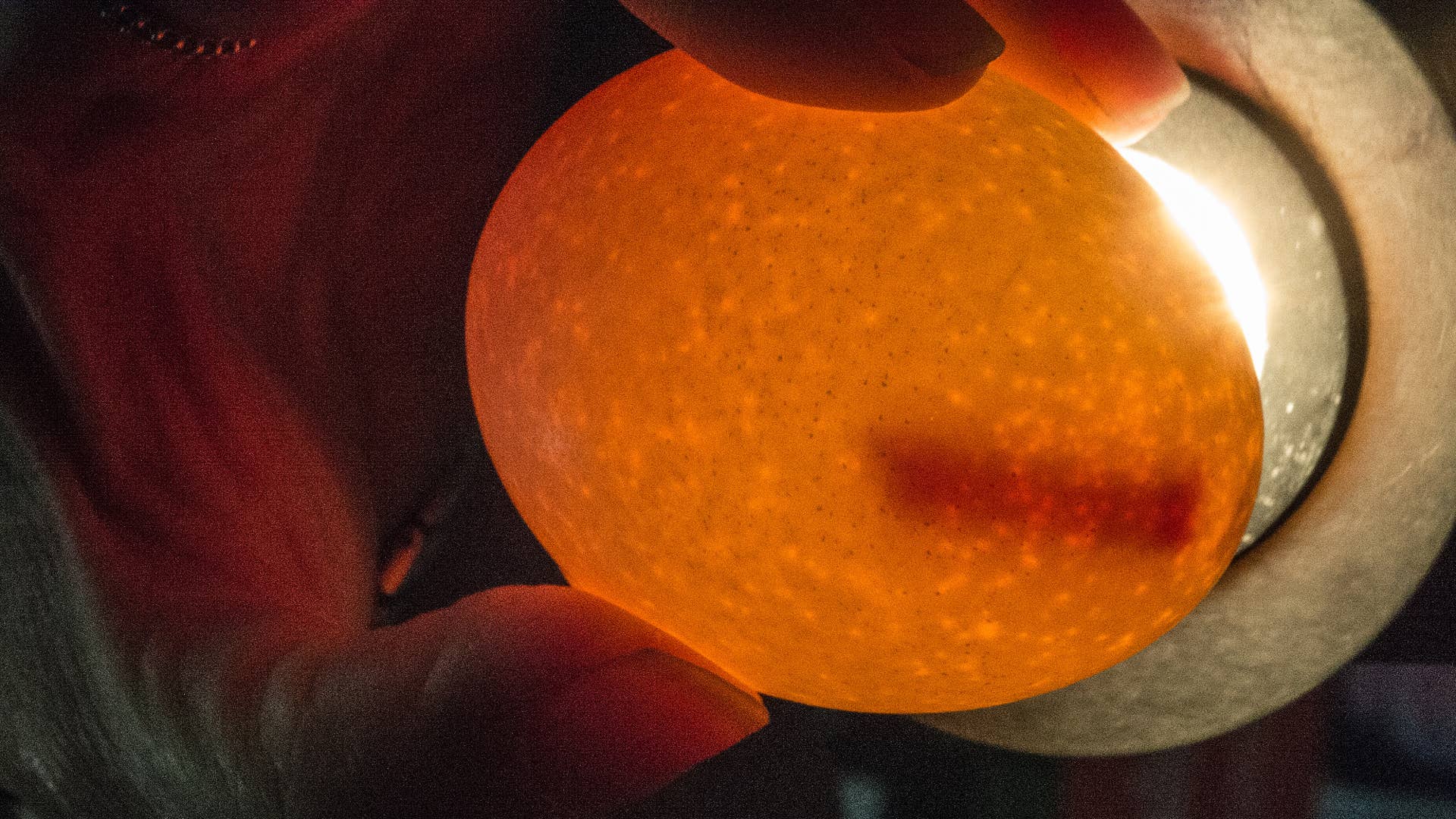
Candling is a simple way to check inside the egg without breaking it. You use a bright light source, like a small flashlight, in a dark room. Hold the egg gently and shine the light through it to see the embryo’s growth.
You’ll notice veins forming and the embryo moving as days pass. Candling helps you track progress and decide if the egg is developing normally. Have you tried this method? It’s surprisingly easy and reveals a lot.
Identifying Fertile Eggs
Not all eggs will hatch, so identifying fertile ones saves time and effort. Fertile eggs show clear signs during candling, such as visible veins and a dark spot where the embryo forms. Infertile eggs remain clear or cloudy without these features.
Checking for fertility around day 7 is ideal. It prevents you from wasting energy on eggs that won’t develop. Knowing this early helps you focus your care on eggs with the best chance of hatching.
Recognizing Signs Of Problems
Keeping an eye out for trouble signs is key to protecting your eggs. Common issues include blood rings, which look like a red circle inside the egg—this means the embryo died early. You might also see unusual smells or discoloration.
Another sign is the egg becoming too dry or too wet, indicating poor humidity control. Catching these signs early lets you adjust conditions or remove bad eggs to prevent affecting healthy ones. What would you do if you saw these signs in your eggs?
Protecting Eggs From Predators
Protecting bird eggs from predators is essential to ensure the next generation has a chance to hatch and thrive. Predators can be relentless, and your vigilance can make a big difference in the survival of the eggs. Understanding how to safeguard the nest area helps you create a safer environment for these fragile life beginnings.
Securing The Nest Area
Start by choosing a nesting spot that is naturally hidden or difficult for predators to access. Dense foliage, high branches, or secluded corners provide good cover. You can also clear nearby debris or clutter that might give predators easy pathways to the nest.
Keep the area quiet and avoid frequent disturbances, as this can attract attention. Adding natural deterrents like thorny branches around the nest might discourage some predators from getting too close.
Common Predators To Watch
Knowing which animals pose a threat helps you stay alert. Common predators include raccoons, snakes, crows, and squirrels. Domestic cats can also be dangerous if they roam nearby.
Watch for signs like broken eggshells, disturbed nests, or unusual activity around the area. Have you noticed specific animals lurking near your nesting site? Identifying them early allows you to take targeted action.
Using Protective Barriers
Installing physical barriers can effectively block predators. Mesh wire or chicken wire cages around the nest stop larger animals without harming the birds. Make sure the barrier has small enough gaps to keep out unwanted visitors but still lets the parent birds come and go easily.
Consider adding a roof or cover to shield the nest from aerial predators like hawks. When setting up barriers, check regularly for any damage or gaps that predators could exploit.

Credit: swibirds.org
Supporting Hatching And Post-hatch Care
Caring for bird eggs involves maintaining a stable temperature and ensuring a safe environment. After hatching, provide warmth and appropriate food for the chicks.
Supporting the hatching of bird eggs is a delicate process. It requires patience, observation, and care. Proper post-hatch care ensures healthy growth for newborn birds. Let’s explore how to support hatching and care for the young birds.Signs Of Imminent Hatching
Observe the eggs closely for changes. Listen for faint tapping sounds. This indicates the chick is breaking through the shell. The egg might show tiny cracks. This is a positive sign. Movement inside the egg suggests hatching is near.Assisting Hatchlings Safely
Handle hatchlings with gentle hands. Warmth is crucial for their survival. Keep the temperature consistent. Use a heat lamp or incubator. Do not rush the hatching process. Allow the chicks to emerge naturally. Provide a safe and clean environment.Caring For Newborn Birds
Newborn birds need special attention. Ensure they have a warm space. Check their environment regularly for cleanliness. Feed them appropriate food for their species. Hydration is also essential. Monitor their growth and health closely.
Credit: swibirds.org
Frequently Asked Questions
How Do You Keep Bird Eggs Warm Properly?
To keep bird eggs warm, maintain a stable temperature around 99°F (37°C). Use a brooder or incubator with controlled heat and humidity. Avoid sudden temperature changes and ensure proper ventilation to mimic natural conditions for successful hatching.
What Is The Best Way To Handle Bird Eggs?
Handle bird eggs gently with clean hands or gloves to avoid contamination. Avoid shaking or dropping them. Limit handling to reduce stress and prevent damage to the delicate shell and embryo inside.
How Often Should Bird Eggs Be Turned?
Turn bird eggs at least 3-5 times daily to prevent the embryo from sticking to the shell. Consistent turning mimics natural incubation, promoting healthy development and increasing hatch rates.
Can Bird Eggs Be Incubated Without A Parent Bird?
Yes, bird eggs can be incubated artificially using an incubator. Proper temperature, humidity, and turning are essential for successful hatching without a parent bird.
Conclusion
Taking good care of bird eggs needs patience and attention. Keep the eggs warm and safe from harm. Handle them gently and avoid sudden movements. Clean the nesting area regularly to prevent disease. Watch for signs of damage or cold eggs.
Always respect nature and avoid disturbing wild birds too much. Caring well helps baby birds grow strong and healthy. Small efforts make a big difference in their survival. Enjoy the beauty and wonder of bird life around you.




