
Are you tired of squirrels raiding your bird feeders and scaring away the birds you want to enjoy? It’s frustrating to see these pesky critters gobble up all the birdseed before your feathered friends get a chance.
But don’t worry—you’re not alone, and there are simple, effective ways to keep squirrels at bay. You’ll discover easy tips and tricks that work, so you can protect your bird feeders and create a peaceful haven for the birds you love to watch.
Keep reading to find out how to outsmart those clever squirrels once and for all!

Credit: www.yahoo.com
Why Squirrels Target Bird Feeders
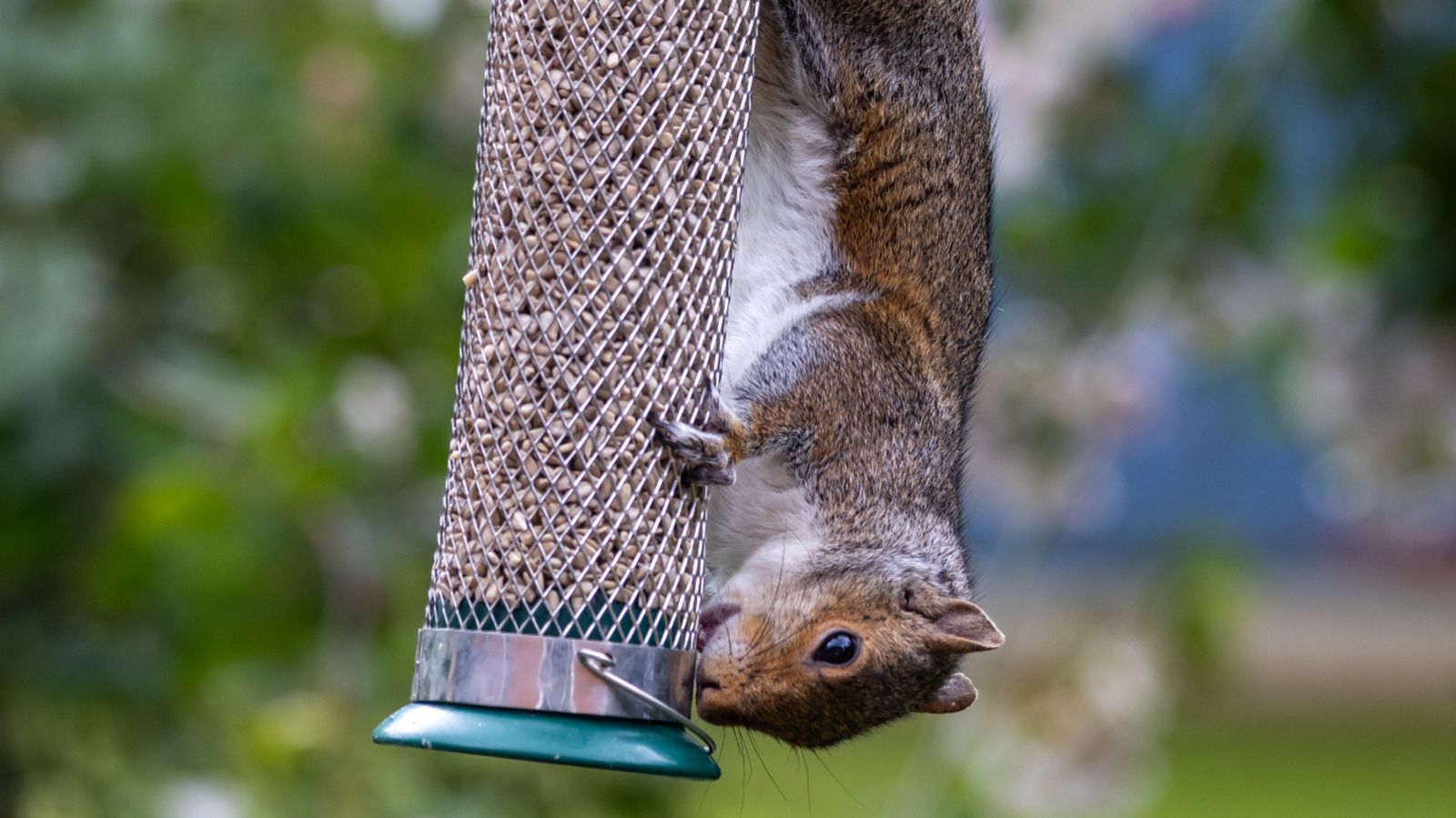
Squirrels are common visitors at bird feeders. They see feeders as easy food sources. Their natural curiosity and hunger drive them to explore these spots. Understanding why squirrels target feeders helps in finding ways to stop them.
Squirrel Behavior And Diet
Squirrels are active and clever animals. They eat nuts, seeds, fruits, and sometimes birdseed. Bird feeders offer a rich and easy food supply. Squirrels like to raid feeders because they provide high-energy food. They are good climbers and jumpers, making feeders easy to reach.
Attractive Feeder Types
Not all bird feeders are equal in attracting squirrels. Tube feeders with large openings allow squirrels to grab seeds easily. Platform feeders provide open access, making it simple for squirrels to feed. Feeders with sunflower seeds or peanuts are especially tempting. Squirrels prefer feeders where they can sit and eat comfortably.

Credit: www.popsci.com
Choosing Squirrel-resistant Feeders
Choosing the right squirrel-resistant feeder can make a huge difference in protecting your bird food from unwanted visitors. It’s not just about buying any feeder labeled “squirrel-proof.” Understanding how these feeders work helps you pick one that truly keeps squirrels out while still attracting your favorite birds.
Weight-activated Feeders
Weight-activated feeders use clever mechanics to close off access when a heavier animal, like a squirrel, climbs on. The feeder’s perch or feeding ports shut automatically under extra weight, leaving the food inaccessible to squirrels but open for lighter birds.
These feeders work well if you’ve noticed squirrels easily hopping onto your feeder pole or platform. They require no extra effort from you once installed, making them a low-maintenance option. Have you ever seen a squirrel try to feed, only to find the ports closed? It’s satisfying and effective.
Caged And Covered Designs
Caged feeders surround the seed area with a metal or plastic cage that’s just big enough for birds to slip through but too small for squirrels. Covered designs add a roof or shield that blocks squirrels from jumping onto the feeder from above.
This design lets you use regular bird seed without worrying about squirrels eating it all. These feeders also protect seeds from rain and debris, keeping your food fresh longer. Could this type of feeder fit your backyard setup, especially if squirrels climb from nearby trees or structures?
Feeder Placement Strategies
Keeping squirrels away from your bird feeders starts with smart placement. How you position your feeders can either invite squirrels or keep them at bay. Small changes in location can make a big difference in protecting your bird food.
Safe Distance From Trees And Structures
Squirrels are excellent jumpers and climbers. Placing your feeder too close to trees, fences, or roofs gives them a handy launching point. Aim to position your feeder at least 10 feet away from any branches or structures squirrels can use to jump onto it.
Think about your yard layout. Is there a tree limb near the usual feeder spot? Moving the feeder a few steps further might stop squirrels from making that leap. Even a small change can save your birdseed from these persistent visitors.
Using Poles And Hangers
Mounting feeders on poles is a practical way to reduce squirrel access. Use tall, smooth metal poles, as squirrels find it hard to climb slick surfaces. Adding a baffle—a dome or cone-shaped guard—on the pole can further block their climbing attempts.
Hanging feeders with thin wires or cables can also help. The key is to leave enough space so squirrels can’t jump from nearby objects. Try suspending feeders away from walls or trees, allowing a gap of at least 6 feet.
Have you ever noticed how squirrels quickly figure out easy routes? By using poles and hangers with these clear gaps, you make their usual paths impossible. This simple tactic often keeps your feeders squirrel-free without harming the animals.
Physical Barriers And Deterrents
Keeping squirrels away from your bird feeders can feel like an uphill battle. Physical barriers and deterrents offer practical ways to protect your bird food without harming the little critters. These solutions focus on making it difficult or uncomfortable for squirrels to reach the feeders, allowing your feathered friends to enjoy their meals in peace.
Baffles And Guards
Baffles are one of the simplest yet most effective physical barriers you can use. These are dome- or cone-shaped shields placed above or below feeders to block squirrels from climbing or jumping onto them.
Installing a metal or plastic baffle on the pole or hanging line can stop squirrels from scrambling up. Just make sure the baffle is wide enough and positioned far enough from any jumping-off point like trees or fences.
Guards wrap around the feeder’s base or hanger and create a slippery or unstable surface that squirrels can’t grip. I once added a slippery plastic guard to my feeder, and suddenly, the squirrels stopped their daring leaps. The birds, however, had no trouble landing and feeding.
Spinning And Moving Devices
Have you noticed squirrels are often bold and persistent? Spinning and moving devices take advantage of their balance issues. Feeders attached to poles with rotating collars or weighted arms spin when a squirrel tries to climb, throwing them off.
These devices don’t harm squirrels but make feeding attempts frustrating and tiring. You can also find feeders that swing or sway, which challenge squirrels’ steady footing.
Consider combining these with baffles for extra protection. Have you tried a spinning feeder before? It might surprise you how quickly squirrels give up when their tricks don’t work.
Feeding Alternatives To Distract Squirrels
Squirrels are clever and persistent when it comes to raiding bird feeders. Instead of fighting a losing battle, you can redirect their attention by providing alternative feeding options. This approach keeps your bird feeder safe while still satisfying the squirrels’ hunger.
Separate Squirrel Feeders
Setting up a feeder just for squirrels can be a game-changer. Place it at a distance from your bird feeders to lure squirrels away without disturbing the birds. This small change helped me enjoy watching both animals peacefully without constant feeder raids.
Use a sturdy feeder designed for squirrels, like a platform or tray feeder. Fill it with foods squirrels love, giving them a dedicated spot to eat. This not only distracts them but also reduces their motivation to jump on your bird feeders.
Offering Nut And Seed Options
Squirrels enjoy a variety of nuts and seeds that differ from typical bird feed. Offering peanuts, sunflower seeds, or corn in their feeder can keep them busy. You might notice they prefer these over the birdseed, which leaves your feeders undisturbed.
- Try unsalted peanuts in the shell for a natural snack.
- Sunflower seeds are a favorite and easy to find.
- Cracked corn provides a tasty alternative and lasts longer on the ground.
Have you noticed what your local squirrels prefer? Adjusting the offerings based on their favorites can make your squirrel feeder even more effective. This targeted feeding helps maintain harmony in your backyard wildlife scene.
Natural Repellents And Scents
Certain smells like peppermint oil or garlic can keep squirrels away from bird feeders. Spraying these scents nearby helps deter them naturally without harming birds. Natural repellents offer a safe way to protect your feeders and enjoy watching birds.
Keeping squirrels away from bird feeders can be a real challenge. Yet, using natural repellents and scents offers a safe and effective solution. They not only protect your bird feed but also ensure a chemical-free environment for your garden. Let’s dive into some practical and natural methods to deter these persistent critters.Using Hot Peppers And Spices
Birds are immune to the heat of hot peppers, but squirrels are not. Adding cayenne pepper to your bird feed can keep the squirrels at bay. Just sprinkle a bit into the mix and watch as the squirrels lose interest. I once tried this trick and was amazed to see fewer squirrels visiting my feeders. However, remember to wear gloves while handling the pepper to avoid any irritation. Are you curious if other spices work? Consider using paprika or chili powder in small amounts. These spices are less potent but still effective in deterring our furry friends.Scent-based Deterrents
Squirrels have a strong sense of smell, which can be used to your advantage. Certain scents, such as peppermint oil, are known to repel squirrels. Dab a few drops of peppermint oil onto cotton balls and place them around your feeder. Another option is vinegar. Its strong smell can make squirrels think twice before approaching. Soak a rag in vinegar and hang it nearby. Ever thought about using garlic? Its pungent aroma can also drive squirrels away. Crush a few cloves and sprinkle them around the feeder area. Have you tried any of these methods yet? Experimenting with different scents can help you find what works best for your garden.Maintaining Cleanliness Around Feeders
Maintaining cleanliness around bird feeders is crucial for keeping squirrels away. A clean area reduces food sources that attract these pesky critters. Regular upkeep not only benefits birds but also deters unwanted guests. Here are some effective strategies to maintain cleanliness around your bird feeders.
Removing Spilled Seeds
Spilled seeds can attract squirrels and other animals. Clean the area daily to prevent this. Use a brush or rake to gather seeds from the ground. Dispose of them properly to avoid attracting more pests. Consider placing a tray under the feeder to catch falling seeds. This makes cleanup easier and reduces waste.
Regular Feeder Maintenance
Regular maintenance of your bird feeder is essential. Check for any damages that may cause seed spillage. Repair or replace broken feeders promptly to ensure they function well. Wash feeders with mild soap and water weekly. This prevents mold growth and keeps the area tidy. A clean feeder attracts more birds and fewer squirrels.
Credit: www.housedigest.com
Frequently Asked Questions
How Can I Squirrel-proof My Bird Feeder?
Use squirrel baffles above or below feeders to block access. Place feeders on poles away from trees. Choose weight-sensitive feeders that close when squirrels climb on them.
What Types Of Bird Feeders Deter Squirrels Best?
Opt for metal, weight-activated, or caged feeders. These designs prevent squirrels from reaching seeds. Avoid plastic feeders that squirrels can easily chew.
Which Birdseed Is Least Attractive To Squirrels?
Sunflower seeds and safflower seeds are less appealing to squirrels. Avoid corn and peanuts as squirrels love these. Use seed blends designed to attract birds, not squirrels.
How Does Feeder Placement Reduce Squirrel Visits?
Place feeders at least 10 feet from trees and structures. Squirrels need close jumping points to reach feeders. Open spaces make it harder for squirrels to access birdseed.
Conclusion
Keeping squirrels away from bird feeders takes patience and smart choices. Use squirrel-proof feeders or place feeders where squirrels cannot reach. Try adding spicy birdseed to discourage squirrels from eating. Regularly clean the area to remove fallen seeds that attract them.
Remember, squirrels are clever and persistent. Stay consistent with your methods for the best results. Enjoy watching birds without constant squirrel interruptions. Small changes make a big difference in protecting your feeders.




