
Are you wondering if your bird bath should be raised off the ground? You might think any spot in your yard will do, but the height of your bird bath can actually make a big difference.
Elevating your bird bath can attract more birds, keep the water cleaner, and even protect your feathered visitors. If you want to create a safe and inviting space for birds, understanding whether your bird bath needs to be elevated is key.
Keep reading to discover simple tips that will help you make the best choice for your outdoor oasis.
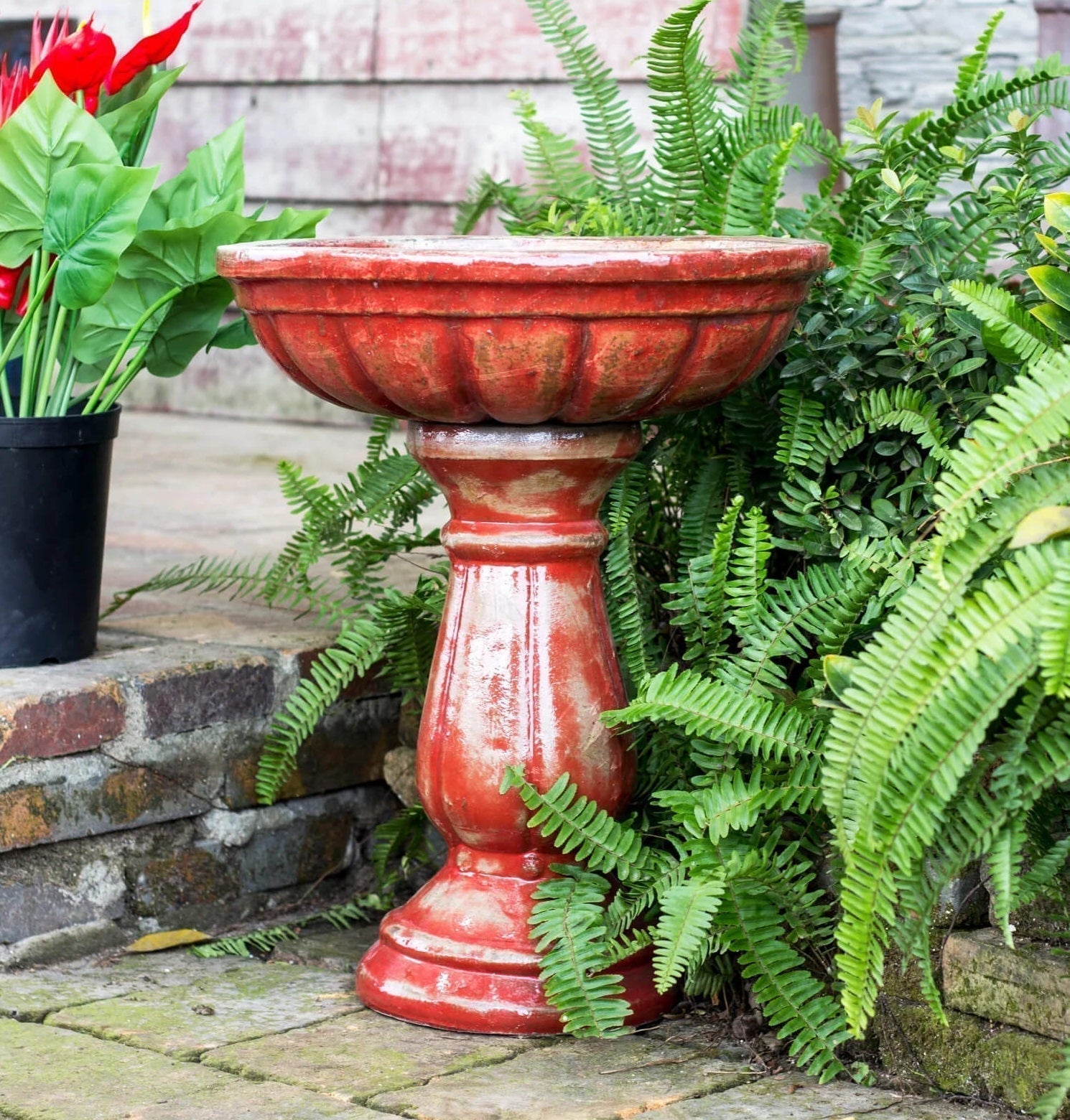
Credit: tenthousandpots.com
Benefits Of Elevating Bird Baths
Elevating your bird bath offers more than just a stylish garden feature. It creates a safer and more accessible environment for birds while making your maintenance tasks simpler. Let’s dive into the key benefits that make raising your bird bath a smart choice.
Improved Bird Safety
Raising the bird bath helps protect birds from predators like cats and snakes. When the bath is off the ground, birds can spot danger earlier and escape quickly.
I once placed a bird bath on a low table, and noticed fewer visits because my neighborhood cat was often lurking nearby. After elevating it, bird activity increased noticeably, showing how safety impacts their behavior.
Enhanced Visibility
An elevated bird bath is easier for you to enjoy and for birds to find. Positioning it higher makes the water sparkle in sunlight, attracting more feathered visitors.
You might have noticed how birds prefer clear spots where they feel visible and safe. Elevating the bath also means you can watch their beautiful interactions without bending down or disturbing them.
Easier Maintenance
Cleaning and refilling a bird bath can be a hassle when it sits on the ground. Elevation brings the bath to a comfortable height, reducing strain on your back and knees.
Regular maintenance keeps water fresh and prevents algae growth, which you’ll find easier to manage when the bath is raised. This small change encourages you to maintain it more often, benefiting both you and your local birds.

Credit: www.birdfy.com
Ground-level Bird Baths: Pros And Cons
Choosing to place your bird bath at ground level comes with both benefits and challenges. It can create a more natural environment for certain birds, but it may also invite unwanted risks. Understanding these pros and cons helps you decide what suits your outdoor space and the birds you want to attract.
Natural Access For Ground Feeders
Birds like sparrows, robins, and doves prefer drinking and bathing close to the ground. A ground-level bird bath offers them easy access without the need to fly up or perch on an elevated surface.
I’ve noticed that after setting a shallow basin on the ground, ground feeders visited more frequently. It seems they appreciate the convenience and safety of staying near the earth.
Could your yard benefit from welcoming more of these common garden visitors by offering a low bird bath?
Increased Risk From Predators
Placing a bird bath on the ground can expose birds to predators like cats, raccoons, and snakes. These animals can hide nearby and strike quickly when birds come to drink or bathe.
To reduce risks, I recommend keeping the area clear of dense bushes and providing some cover nearby where birds can escape. You might also consider motion-activated lights or deterrents to keep predators away.
Are you prepared to take extra safety measures if you choose a ground-level bath?
Potential For Debris Accumulation
Ground-level baths tend to collect more leaves, dirt, and grass clippings compared to elevated ones. This means you’ll need to clean the bath more often to keep the water fresh and inviting.
When I first tried a ground bath, I was surprised by how quickly debris built up, especially after windy days. Regular maintenance became essential to prevent algae and keep the birds coming back.
Think about whether you have the time to maintain a ground-level bath before setting one up in your garden.
Ideal Height For Bird Baths
Finding the ideal height for your bird bath can make a big difference in attracting birds and keeping them safe. The right elevation not only helps birds feel secure but also makes it easier for you to enjoy watching them. Let’s look at what height works best and how different bird species might prefer different setups.
Recommended Elevation Range
The best height for a bird bath usually falls between 18 inches and 30 inches off the ground. This range offers birds a good view of their surroundings while keeping them safe from many ground predators like cats or raccoons.
Raising your bird bath too high can make it harder for smaller birds to reach, while placing it too low might expose them to danger. A height of about 2 feet is often a sweet spot, allowing easy access and a feeling of safety.
Have you noticed birds hesitating to use a bath that’s either too high or too low? Adjusting the height might encourage more visitors to splash around in your yard.
Considerations For Different Bird Species
Not all birds have the same preferences when it comes to bath height. Ground feeders like robins or sparrows often prefer baths closer to the ground, around 12 to 18 inches.
On the other hand, species that perch often, such as finches and cardinals, tend to feel safer at higher baths, closer to 24 to 30 inches. Tall baths also help prevent water contamination from ground debris, which benefits all birds.
If you want to attract a variety of birds, consider offering multiple baths at different heights. This creates options for shy or cautious species and encourages more bird activity in your garden.
Placement Tips For Bird Baths
Finding the perfect spot for your bird bath can make all the difference in attracting a variety of feathered friends to your backyard. It’s not just about aesthetics; proper placement ensures that birds feel safe and comfortable while visiting. Here are some practical tips to help you choose the best location for your bird bath.
Choosing A Safe Location
Safety is a top priority when deciding where to place your bird bath. Birds need to feel secure, so avoid areas where predators like cats might lurk. Placing the bird bath in an open area with a clear line of sight can help birds spot potential dangers early.
Balancing Sunlight And Shade
Both sunlight and shade play important roles in the comfort of your bird bath. While some sunlight helps keep the water warm, too much can cause the water to evaporate quickly. Aim for a spot that offers partial shade, perhaps under a tree with high branches, ensuring the water remains cool and inviting.
Proximity To Shelter And Food Sources
Birds are more likely to visit if they don’t have to travel far between food, water, and shelter. Place the bird bath near bushes or trees that provide quick escape routes and resting spots. Additionally, setting it near a bird feeder can create a convenient hub for birds to eat, drink, and relax.
Are there spots in your yard that naturally meet these criteria? With thoughtful placement, your bird bath can become a bustling sanctuary for local wildlife.
Materials And Design Impact
The choice of materials and design plays a major role in the effectiveness of bird baths. These factors affect how long the bath lasts, how it looks, and how well it handles outdoor conditions. Elevated bird baths require thoughtful material selection and design for best results.
Durability Of Elevated Stands
Materials like metal, wood, and stone impact the stand’s lifespan. Metal stands resist rot and pests but can rust without coating. Wooden stands offer natural beauty but may need treatment to avoid decay. Stone stands are heavy and last long but can be costly. Choose materials that suit your climate to ensure the stand stays strong over time.
Aesthetics And Functionality
The design should balance beauty and usefulness. Smooth surfaces prevent water from spilling. Decorative stands add charm to gardens. Simple designs are easier to clean and maintain. The height of the stand should make the bath easy for birds to access while keeping it safe from pets or predators.
Stability Against Wind And Weather
Elevated bird baths face wind and rain. Heavy bases or wide legs improve stability. Materials that resist weather damage keep the bath steady. Avoid lightweight stands that tip easily. Secure placement on flat ground helps prevent accidents during storms.
Maintenance Practices For Elevated Bird Baths
Maintaining elevated bird baths keeps them clean and inviting for birds. Proper care prevents dirt buildup and health risks for visiting wildlife. Regular attention also extends the life of the bird bath and keeps water fresh. Follow these simple practices to keep your elevated bird bath in top shape.
Cleaning Frequency And Methods
Clean the bird bath at least once a week. Use a soft brush or cloth to scrub away dirt and debris. Avoid harsh chemicals that can harm birds. A mixture of warm water and mild dish soap works well. Rinse thoroughly to remove all soap residue. In hot weather, clean more often to prevent buildup.
Water Replacement Tips
Change the water every two to three days. Stagnant water can attract pests and spread disease. Use fresh, cool water to encourage bird visits. If rainwater fills the bath, empty and refill it to keep water clean. Make sure the water level is shallow enough for small birds to drink safely.
Preventing Algae And Mosquitoes
Algae grows quickly in sunlight. Place the bird bath in partial shade to reduce growth. Use a scrub brush to remove algae during cleaning. Add a few drops of apple cider vinegar to the water to discourage algae. To stop mosquitoes, empty the water completely every week. Consider using mosquito dunks approved for bird baths for extra protection.

Credit: www.outdoorescape.com.au
Frequently Asked Questions
Do Bird Baths Need To Be Elevated For Safety?
Elevating bird baths helps keep birds safe from predators. It also reduces contamination from ground debris and pests. Elevated baths are easier to clean and maintain. However, ground-level baths can work if placed in a safe, clean area.
How High Should A Bird Bath Be Elevated?
A bird bath should be elevated about 2 to 3 feet off the ground. This height deters cats and other predators. It also makes the bath visible to birds flying nearby. Ensure the stand is sturdy to prevent tipping.
Can Ground-level Bird Baths Attract More Birds?
Ground-level bird baths attract ground-feeding birds like sparrows and doves. They are easier for some species to access. However, these baths may face more contamination and predator risks. Elevation balances bird access and safety effectively.
Does Elevation Affect Bird Bath Water Cleanliness?
Yes, elevation reduces dirt, leaves, and droppings entering the water. Elevated baths are less likely to attract rodents and insects. Cleaner water encourages frequent bird visits. Regular cleaning is still necessary regardless of height.
Conclusion
Bird baths can be placed low or high. Elevation helps keep water clean and safe. It also protects birds from predators. But ground-level baths suit some gardens well. Choose a spot birds can easily find. Make sure the water stays fresh and clear.
Watching birds enjoy the bath is a joy. Small changes make a big difference for birds. Try different heights and see what works best. Your garden will become a happy place for birds.




