
Have you ever wondered if having a pet bird could affect your health? Birds bring joy and color to your home, but there’s more to consider than just their beauty.
What if your feathered friend is quietly causing problems you don’t see? Before you welcome a bird into your life, it’s important to know the facts about how they might impact your well-being. Keep reading to discover the surprising truths about pet birds and your health—you might be more connected than you think.
Health Risks Of Pet Birds
Pet birds bring joy but can cause health problems. They carry germs that may affect humans. Understanding these risks helps keep you safe.
Some bird-related diseases spread through feathers, droppings, or dust. People with weak immune systems should be extra careful.
Common Bird-related Diseases
Birds can carry diseases like psittacosis and salmonellosis. These can cause fever, cough, and tiredness. Early diagnosis is important for treatment.
- Psittacosis: spreads from bird droppings and dust
- Salmonellosis: caused by contact with infected bird feces
- Avian influenza: bird flu that can infect humans rarely
- Cryptococcosis: fungal infection from bird droppings
Allergies And Respiratory Issues
Bird feathers and dust can cause allergies. These irritate the nose, eyes, and lungs. People with asthma may have worse symptoms.
| Symptom | Cause |
| Sneezing | Feather dust |
| Runny nose | Bird dander |
| Coughing | Inhaled droppings |
| Wheezing | Allergic reaction |
Bacterial And Fungal Infections
Bacteria and fungi grow in bird cages. These germs can infect skin and lungs. Cleaning cages often lowers the risk.
- Wash hands after handling birds or cleaning cages
- Use masks when cleaning bird areas
- Keep bird cages in well-ventilated rooms
- Regularly disinfect cage surfaces and toys
Birds And Air Quality
Pet birds bring joy but can affect indoor air quality. Their feathers and droppings release particles into the air.
Understanding how birds impact air quality helps keep your home safe and healthy.
Dust And Dander Impact
Birds produce dust and dander that floats in the air. This can cause allergies and breathing problems for some people.
- Feather dust contains proteins that can trigger reactions.
- Dander is tiny skin flakes that spread easily.
- Regular cleaning helps reduce dust and dander buildup.
Mold And Mildew Concerns
Bird cages can get damp from water and droppings. This moisture can cause mold and mildew to grow.
| Risk Factor | Description |
| Moisture | Water spills and humidity near cages |
| Mold Spores | Can cause respiratory issues |
| Cleaning | Frequent cage cleaning reduces mold growth |
Ventilation Tips For Bird Owners
Good ventilation helps remove airborne dust and moisture. This keeps air fresh and safe.
- Place cages near windows but out of direct drafts.
- Use air purifiers with HEPA filters to capture particles.
- Open windows regularly to allow fresh air inside.
- Keep humidity levels low to prevent mold.
Preventive Measures
Having pet birds can bring joy but may affect your health. Taking steps to prevent illnesses helps keep you and your bird safe.
Simple actions can reduce risks from germs and allergens that birds may carry. Learn how to protect yourself with good habits.
Regular Cleaning Practices
Clean your bird’s cage and surrounding area often. Dirt and droppings can hold harmful bacteria and fungi.
Use bird-safe cleaners and wash food and water dishes daily. Remove leftover food to stop mold growth.
- Change cage liners regularly
- Clean perches and toys weekly
- Wash hands after cleaning
- Keep bird area well-ventilated
Safe Handling And Hygiene
Wash your hands before and after touching your bird or its cage. This lowers the chance of spreading germs.
Avoid touching your face or food while handling your bird. Teach children to handle birds gently and with clean hands.
- Do not share food with your bird
- Keep bird away from your face
- Wear gloves if you have cuts or sores
- Keep bird’s feathers clean
Veterinary Care For Birds
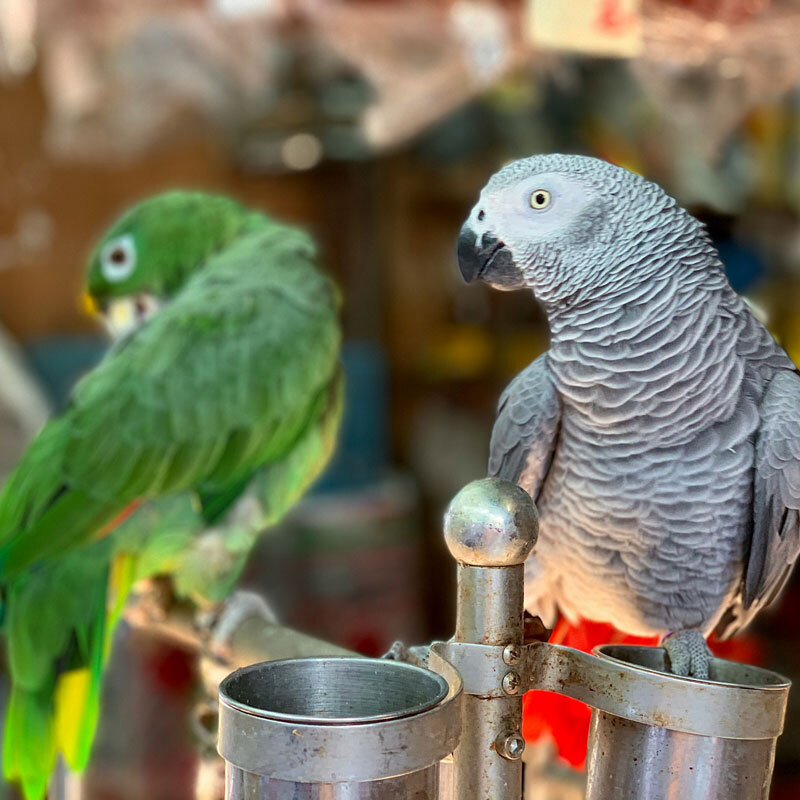
Take your bird to a vet familiar with bird health. Regular check-ups find illnesses early and keep your bird healthy.
Vaccines and parasite control help prevent diseases. Follow your vet’s advice on diet and hygiene to support your bird’s immune system.
- Schedule yearly vet visits
- Watch for changes in behavior or appetite
- Ask vet about signs of illness to watch
- Keep records of vet visits and treatments
Credit: lafeber.com
Mental Health Benefits Of Birds
Birds can bring many mental health benefits to people. Their presence helps improve mood and reduce feelings of loneliness.
Listening to birdsong and watching birds can calm the mind. This can help people feel less stressed and more relaxed.
Stress Reduction And Companionship
Birds can lower stress by providing gentle company. Their singing and movements create a peaceful environment.
- Watching birds can distract from worries
- Talking to pet birds gives a sense of connection
- Birds’ routine care helps build daily structure
- Birds can encourage social interaction with others
Birds In Therapy And Rehabilitation
Birds are used in therapy to aid recovery. They help people improve emotional and social skills.
| Therapy Type | How Birds Help |
| Emotional Support | Reduce anxiety and depression |
| Physical Rehabilitation | Improve motor skills by caring for birds |
| Social Therapy | Encourage communication and trust |
Choosing The Right Bird
Choosing the right pet bird can affect your health. Some birds are better for people with allergies or small living spaces.
It is important to think about your home and health before picking a bird. This helps keep you safe and happy.
Low-allergen Bird Species
Some birds produce less dander and dust. These birds are better for people with allergies or breathing problems.
Birds like finches and canaries are low-allergen pets. They make less mess and are easier to care for.
- Finches
- Canaries
- Budgerigars (Budgies)
- Lovebirds
Bird Size And Home Environment
Bird size matters when you choose a pet. Large birds need more space and more care.
Small birds fit better in apartments or small homes. They are easier to manage and clean up after.
- Large birds: parrots, macaws, cockatoos
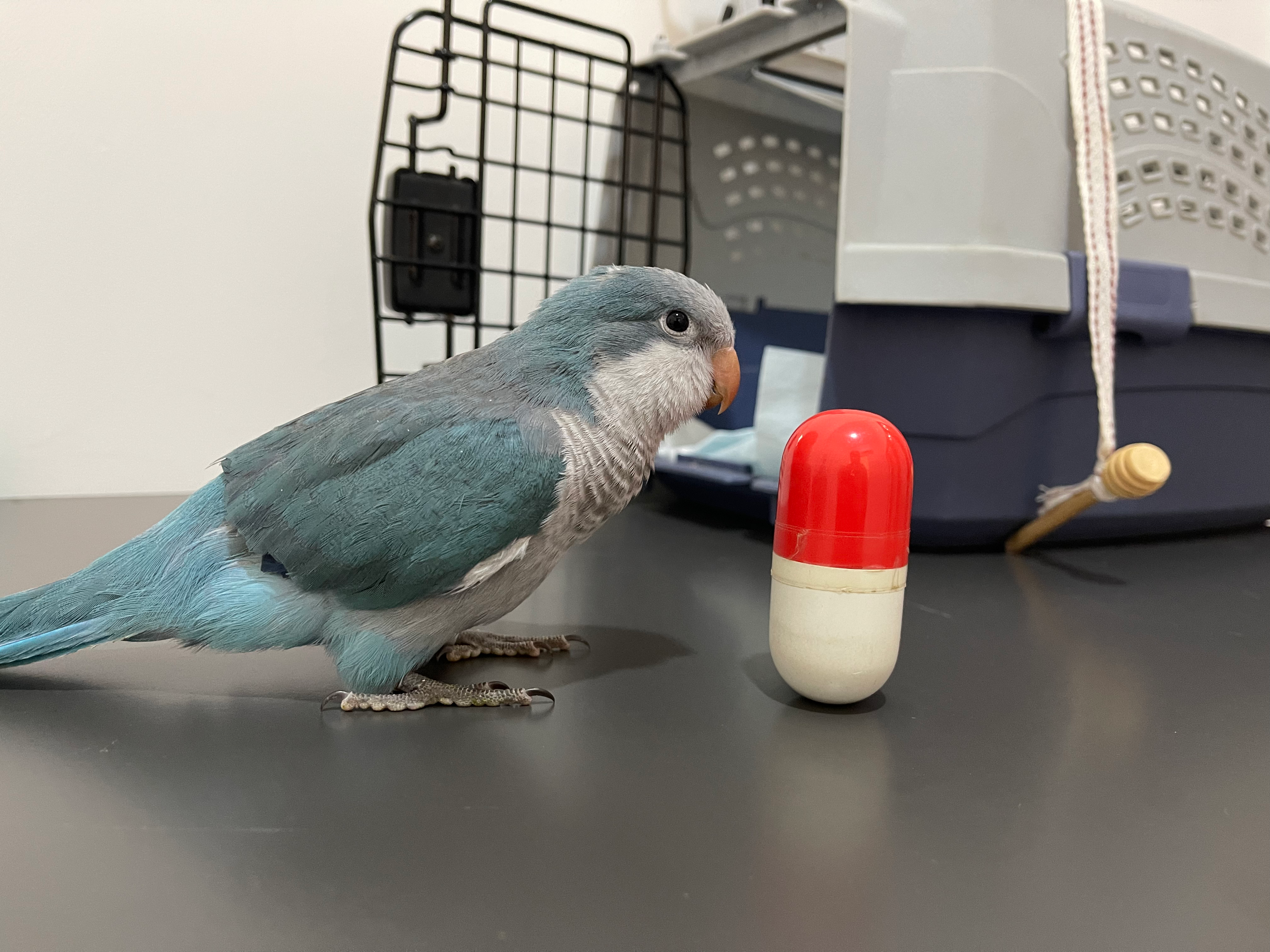
- Medium birds: conures, quakers
- Small birds: finches, canaries, budgies
Credit: beaksandpaws.medium.com

Credit: www.pets4homes.co.uk
Frequently Asked Questions
Can Pet Birds Cause Respiratory Problems?
Yes, pet birds can cause respiratory issues. Their feathers and droppings may carry allergens or bacteria. Proper hygiene and ventilation reduce risks.
Are Pet Birds Carriers Of Diseases?
Pet birds can carry diseases like psittacosis. Good hygiene and regular vet checkups help prevent disease transmission to humans.
How To Minimize Health Risks From Pet Birds?
Clean cages regularly, wash hands after handling birds, and ensure proper ventilation. Regular vet visits keep birds healthy and reduce risks.
What Symptoms Indicate Bird-related Allergies?
Symptoms include sneezing, coughing, itchy eyes, and skin rashes. If you notice these after contact with birds, consult a healthcare professional.
Conclusion
Pet birds can bring joy and company to your home. They may carry germs that affect health, but careful cleaning helps. Regular hand washing reduces risks significantly. Choosing healthy birds and proper care matters a lot. Watch for signs of illness in both you and your bird.
Talk to a vet if you feel unwell or notice bird sickness. Enjoy your pet bird safely with good habits. A balanced approach keeps both you and your bird happy.




